Explore our engineering-grade steel pipes and structural profiles designed for high-stress industrial applications, fluid dynamics, and infrastructural operations.
The global industrial economy relies heavily on steel and iron piping systems to facilitate gas distribution, structural infrastructure, fluid logistics, and precision manufacturing. As the premier global hub for metallurgical production, China has evolved from basic metal extrusion to advanced structural metallurgy, utilizing automation and AI integrations to deliver unmatched quality-cost efficiency.
Tianjin, located strategically in northern China, functions as the epicentre of this manufacturing paradigm. By anchoring operations just 40 kilometers from XinGang Port—the largest northern deep-water port in the country—manufacturers like Tianjin Minjie Steel Co., Ltd. streamline raw material imports and expedite global transport logistics. This integration minimizes lead times and shields buyers from regional supply bottlenecks.
Modern steel piping relies on high-grade carbon steel formulations tailored to yield strengths like Q235 and Q345 (roughly equivalent to ASTM A36 and ASTM A572 Grade 50). These standards guarantee predictable performance in structural load-bearing applications and under intense hydraulic pressures.
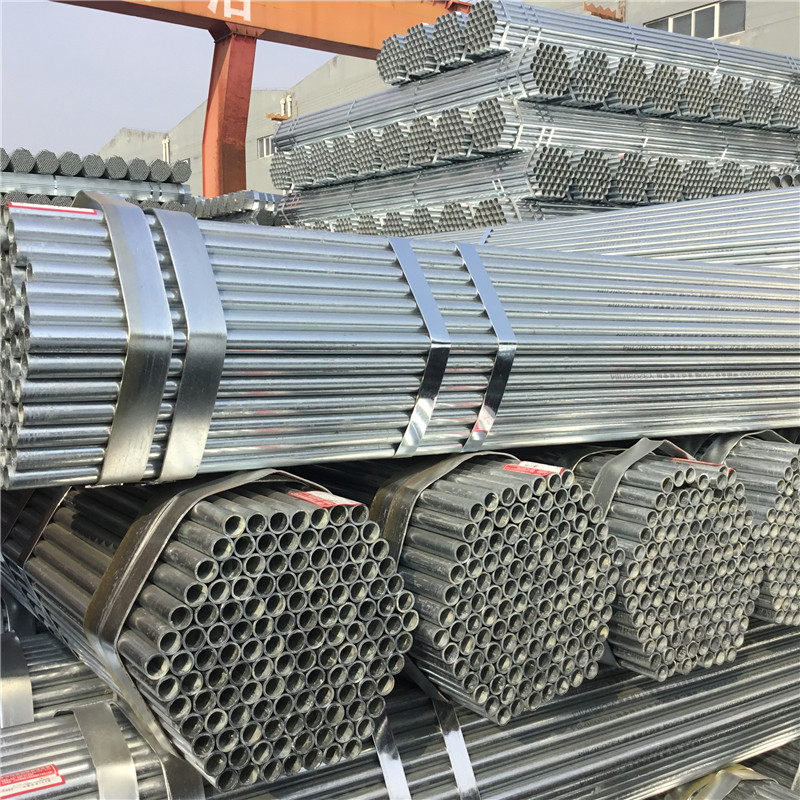
A legacy of manufacturing excellence, advanced metallurgy, and strict quality control protocols since 1998.
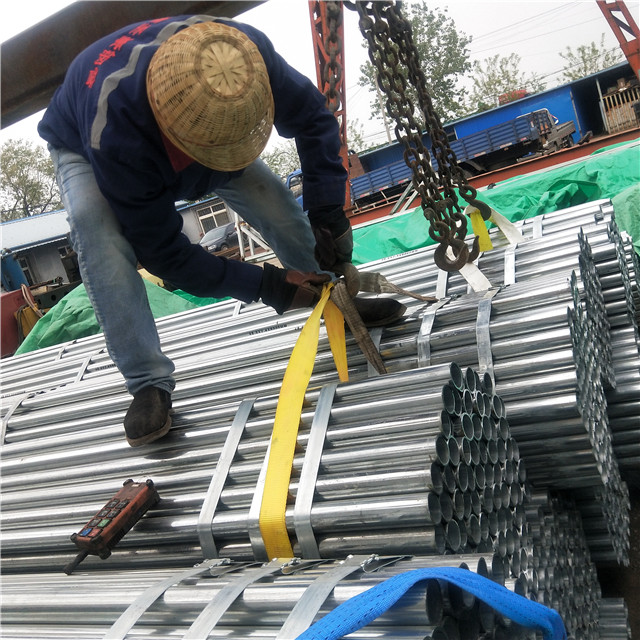
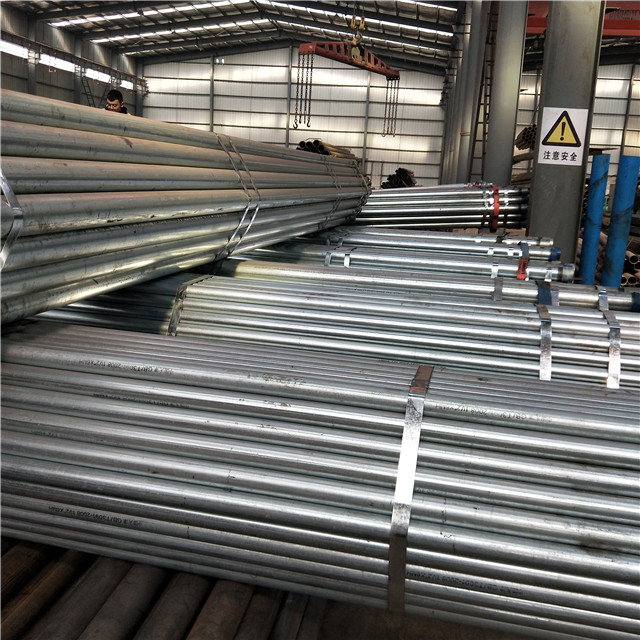
Tianjin Minjie Steel Co., Ltd. operates a highly standardized production footprint equipped with 4 pre-galvanized product lines, 8 ERW (Electric Resistance Welded) steel pipe lines, and 3 hot-dipped galvanized processing lines. Every step of our production aligns with global regulatory standards, including GB, ASTM, DIN, and JIS protocols, backed by an active ISO 9001 quality management system.
Beyond standard piping solutions, Minjie has pioneered engineering innovation with 3 utility and system design patents: Groove Pipes, Shoulder Pipes, and Victaulic-Compatible Quick-Joint Pipes. These designs simplify piping assembly in HVAC systems, fire containment networks, and water treatment operations, saving up to 50% in field labor costs.
Our products undergo rigorous testing to comply with international infrastructure codes. Below is our baseline technical matrix for structural and fluid piping.
| Piping Specification Standard | Common Materials / Steel Grades | Anti-Corrosion / Surface Treatments | Primary Industrial Applications |
|---|---|---|---|
| ASTM A53 / A53M | Grade A, Grade B (Yield ≥ 240 MPa) | Hot-Dip Galvanized (≥ 550 g/m²), Black Varnished | Fluid conveying, steam networks, gas transportation |
| EN 10219 (BS 1387) | S235JRH, S275J0H, S355J2H | Pre-Galvanized (Z100-Z275), Powder Coated | Scaffolding, high-load structural columns, frame assemblies |
| API 5L (PSL1 & PSL2) | Gr. B, X42, X52, X60, X65 | FBE Coating, Coal Tar Epoxy, Hot-Dip Galvanizing | Petroleum lines, high-pressure natural gas transmission |
| JIS G3444 | STK290, STK400, STK500 | Galvanized, Anti-rust Oil Coated | Civil engineering piles, structural scaffolding framing |
Designed to optimize flow dynamics, ease installation, and extend the lifespan of systems in the field.
A specialized mechanical jointing process that allows rapid connection without hot work. Designed to maintain pipe wall integrity and provide flexibility in structural joints prone to thermal expansion or seismic activity.
Utilized extensively in mining and slurry applications. The shoulder reinforcement prevents joint slippage under high pressures while simplifying assembly and maintenance disassembly in harsh environments.
Engineered for fire containment and municipal water networks. Fully integrates with standardized mechanical coupling systems, cutting installation times by up to 50% compared to traditional field welding.
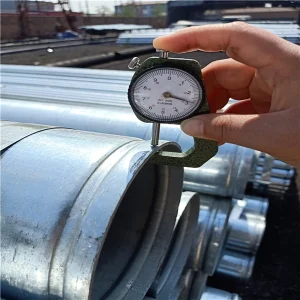
Minjie Steel enforces a multi-tier quality assurance protocol. Our factory is fully certified under ISO 9001 and meets stringent international standards.
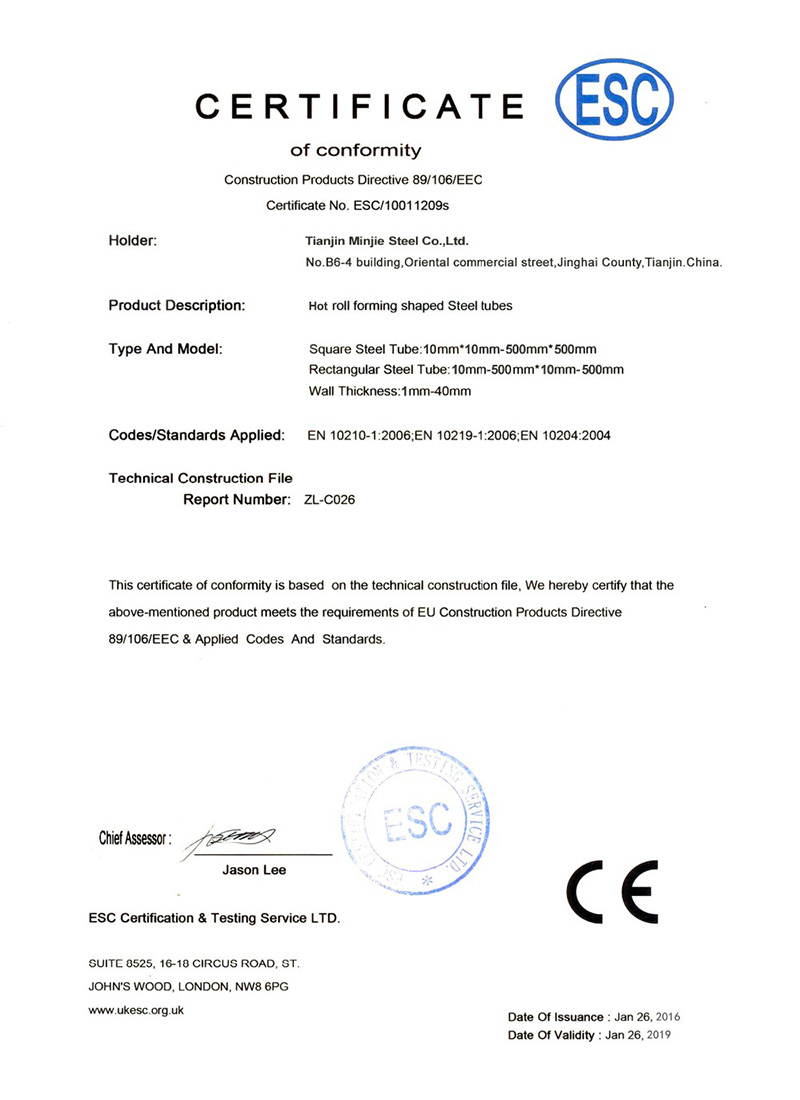
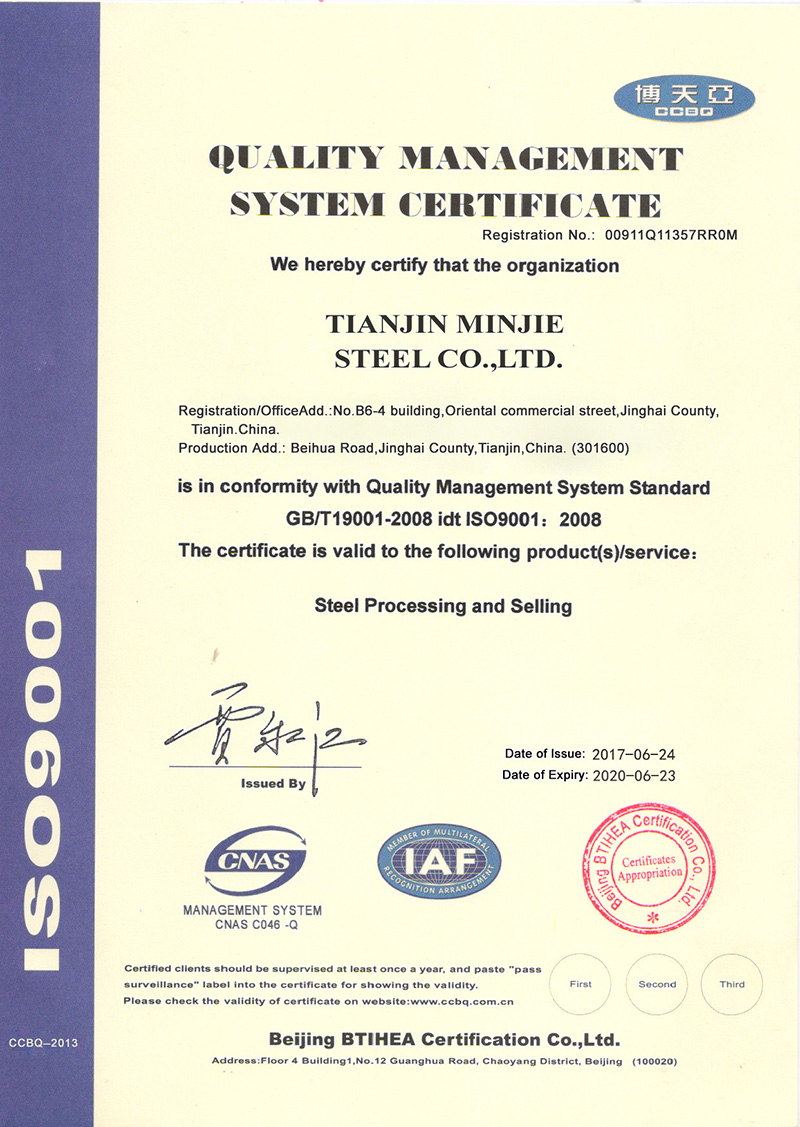
Over the past decades, Minjie Steel has expanded its footprint, serving major construction, infrastructure, and oil & gas clients across key global regions.
In September 2019, our team visited clients in Singapore to secure long-term contracts for structural steel hollow sections. Our products are widely used in urban infrastructure projects across the region.
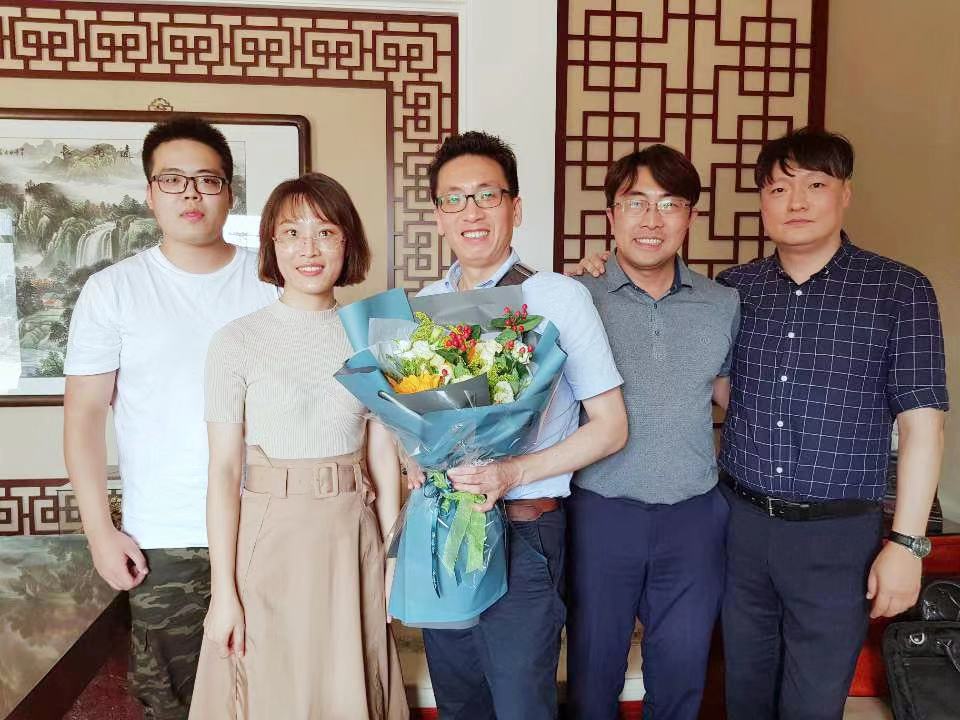
A Korean structural engineering delegation visited our production facilities in 2019 to design customized pre-galvanized pipe profiles for high-tech industrial parks.
A valued long-term Australian client visited our factory in November 2018. They confirmed our production capacity and renewed their multi-year supply agreement for AS/NZS-compliant galvanized pipes.
In 2019, after visiting several Chinese manufacturers, an Indian engineering consortium chose Minjie Steel. They secured an initial order of 10 containers per month for municipal water projects.
A major infrastructure contractor from Lebanon visited our facility in June 2017. Following an onsite inspection, they placed an order for 1,000 tons of high-grade welded steel pipes.
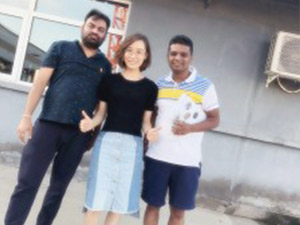
Originally introduced at the Canton Fair, a prominent contractor from Saudi Arabia visited our plant in 2018. This visit established a long-term partnership for structural scaffolding pipes used in national housing programs.
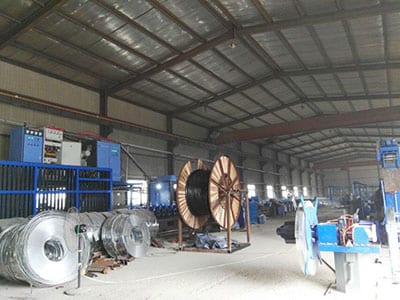
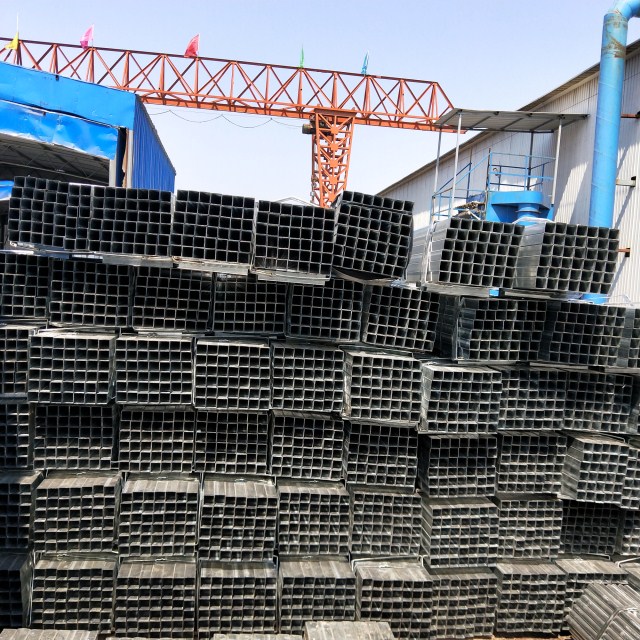
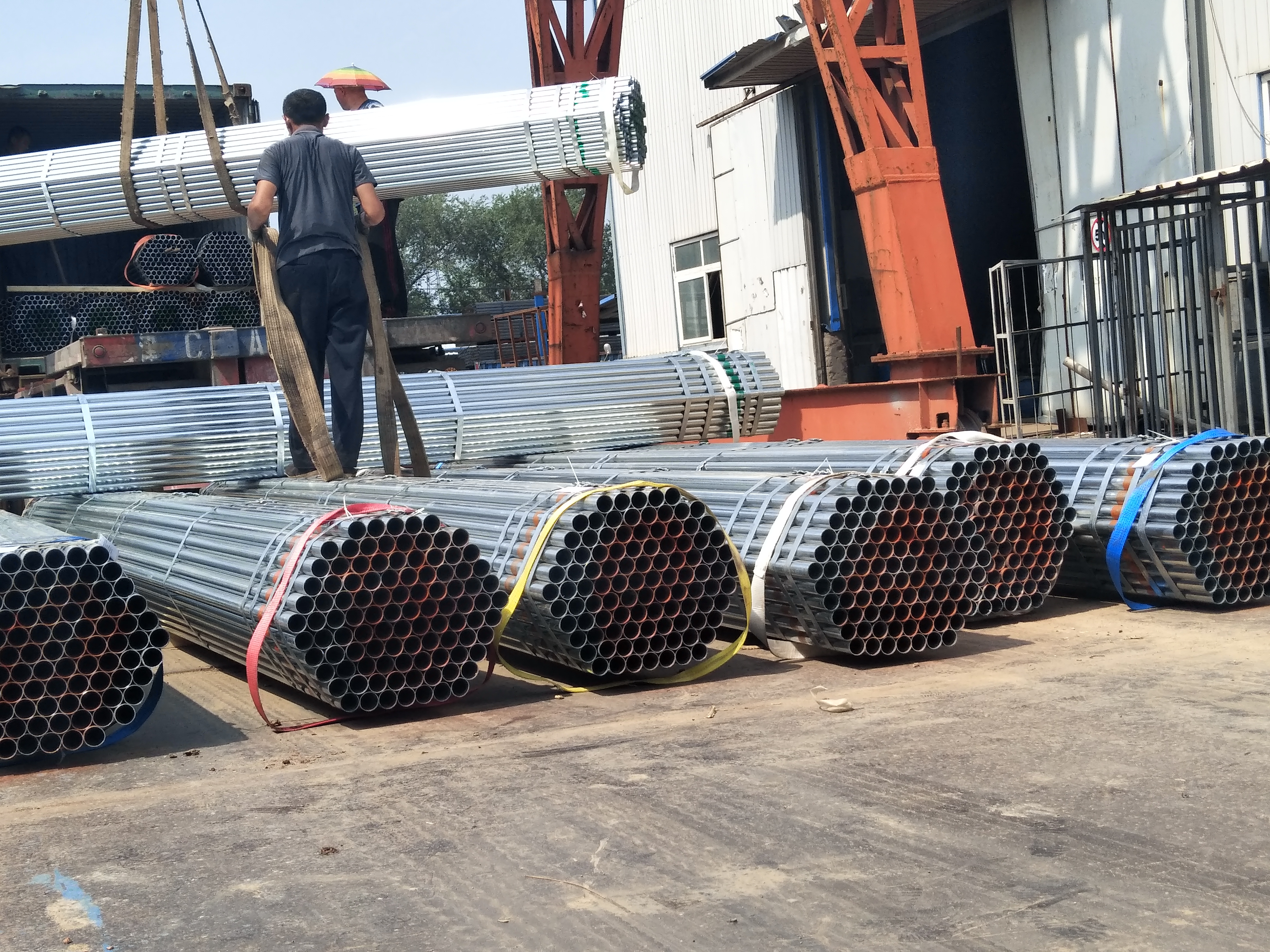
In response to global sustainability directives and digital transformations, Minjie Steel is shaping the future of industrial pipe manufacturing.
Developing Zinc-Aluminum-Magnesium (ZAM) coatings. These offer up to three times the corrosion resistance of standard hot-dip galvanizing, even in harsh coastal environments.
Integrating real-time ultrasonic and eddy current testing directly into our ERW weld lines. This system identifies micro-flaws instantly, ensuring consistent weld integrity.
Transitioning to energy-efficient electric heating elements in our galvanizing pools and optimizing gas recapture to reduce our carbon footprint in line with global ESG standards.
Expanding our capacity to supply custom-length, pre-threaded, pre-slotted, and grooved pipe sections directly to construction sites, minimizing onsite modifications.
Global procurement teams face several challenges when sourcing structural steel and pipe shipments: quality verification, supply chain disruptions, and tariff compliance. To mitigate these risks, partners should prioritize manufacturers with direct port access and robust quality control certifications.
Steel piping systems must strike a balance between weldability and load-bearing capacity. Standard structural carbon steel (like Q235B) has a carbon content of 0.17% to 0.22%, ensuring clean welds on construction sites. For high-stress applications, higher-grade structural steels (such as Q345B) introduce alloying elements like manganese to increase yield strength, allowing thinner-walled pipes to support equivalent loads. This reduces material costs and shipping weights.
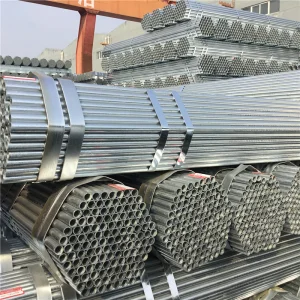
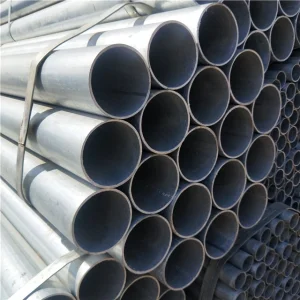
A common decision in procurement is choosing between pre-galvanized and hot-dipped galvanized (HDG) coating processes. Pre-galvanized pipes are manufactured from steel sheets that are galvanized before being formed and welded. While this provides a clean finish and consistent wall thickness, the weld seam requires secondary protective spraying. HDG pipes, on the other hand, are formed and welded before being dipped in a molten zinc bath. This process coats both the interior and exterior surfaces, including the weld line, with a thick layer of zinc (often exceeding 500 g/m²). This makes HDG pipes ideal for high-humidity, outdoor, and industrial fluid applications.
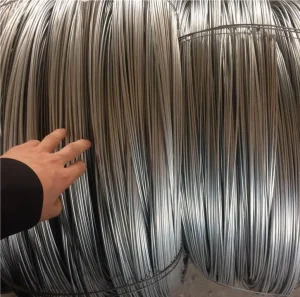
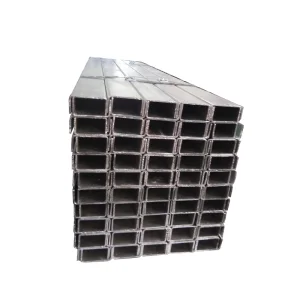
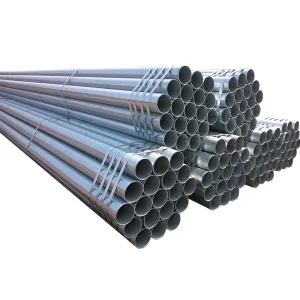
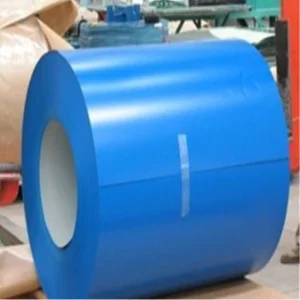
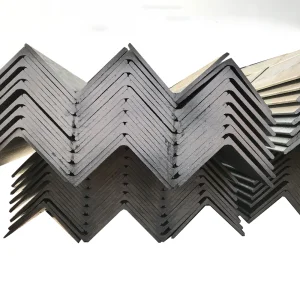
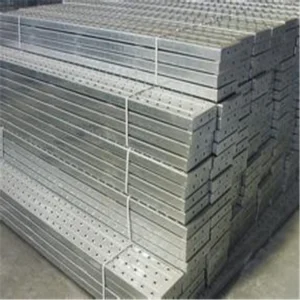
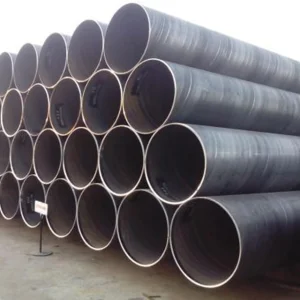
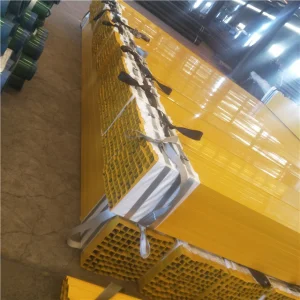
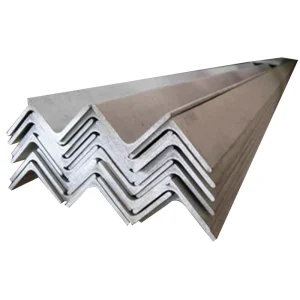
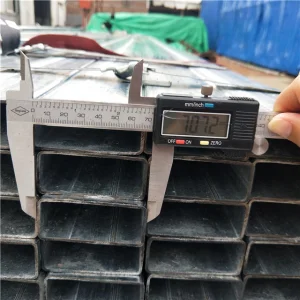
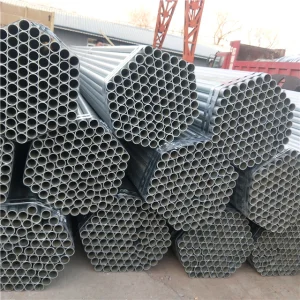
Our comprehensive selection of carbon steel pipes, hollow sections, structural angles, and specialty scaffolding tubes is designed to meet strict international standards.
Find answers to common questions about industrial steel piping, manufacturing specifications, and international trade compliance.
 Minjie Steel