In industrial maintenance, construction, and high-altitude service operations, safety is not merely a compliance check—it is a critical operational imperative. Globally, safety regulations enforced by bodies such as the Occupational Safety and Health Administration (OSHA) in the United States and EN 131 / EN 74 standards in Europe mandate rigorous structural stability parameters for elevated worksites. Under these strict requirements, ladder stabilizers (also referred to as stand-offs, span-braces, or safety stabilizers) play a vital role. They distribute structural loads, prevent lateral slippage, and push the ladder away from gutters or delicate cladding to secure the working position.
The demand for industrial-grade ladder stabilizers is expanding rapidly due to rising global investments in infrastructure, telecommunications, and building maintenance. As commercial construction sites grow more complex, contractors require heavy-duty stabilization systems capable of adapting to uneven terrain, varying building facades, and high load-bearing demands. Consequently, sourcing engineered systems from a verified China Ladder Stabilizer Supplier has become the preferred strategy for global buyers looking to balance compliance, performance, and cost.
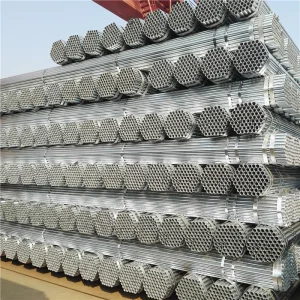
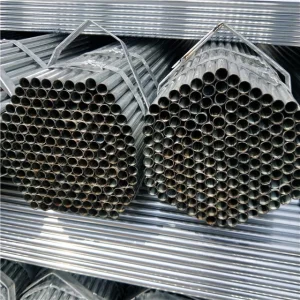
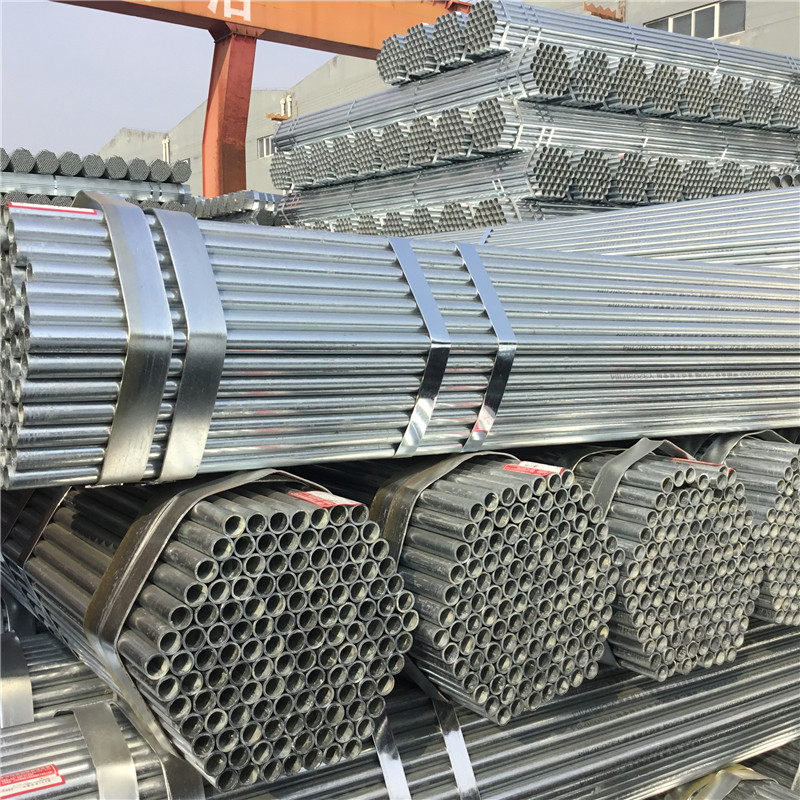
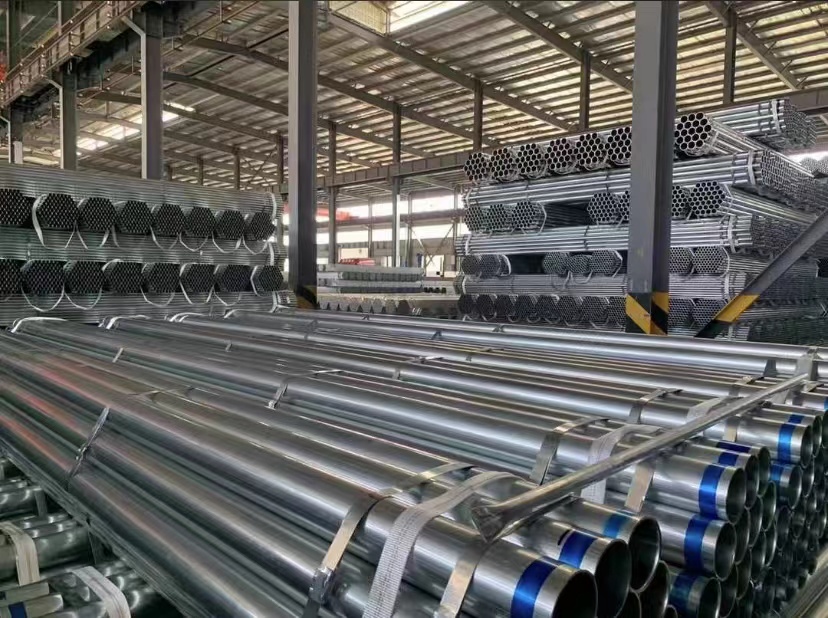
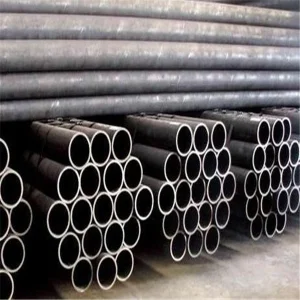
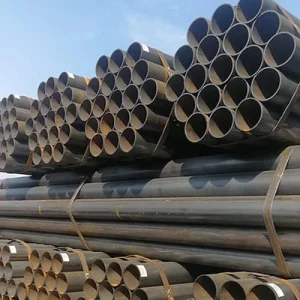
Modern stabilizers must withstand vertical dynamic loads and lateral torque tests. Sourcing stabilizers constructed with certified structural steel (such as ERW pre-galvanized pipes and hot-rolled equal angles) ensures performance under continuous stress.
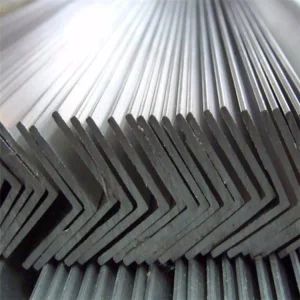
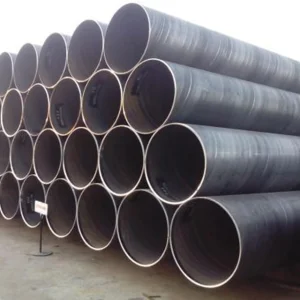
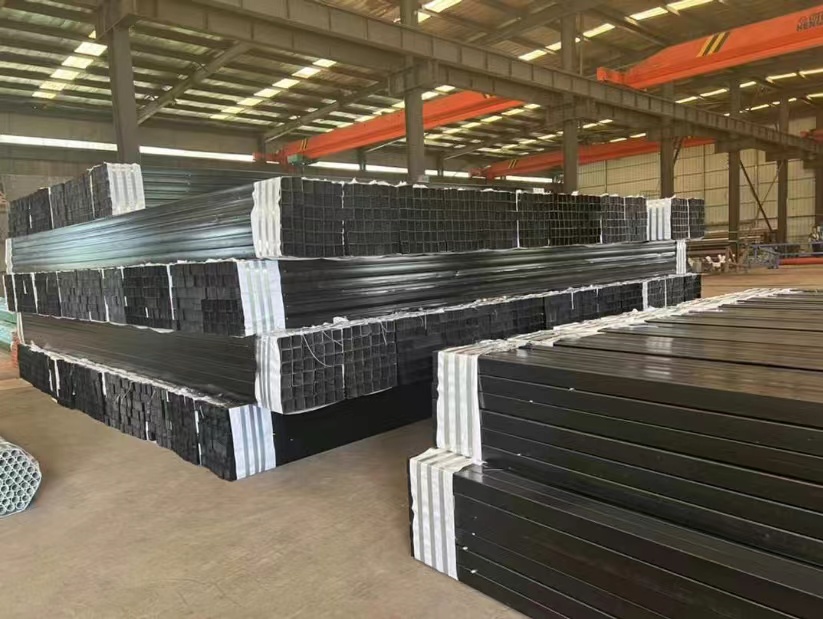
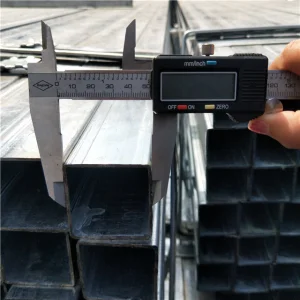
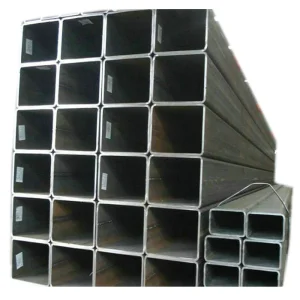
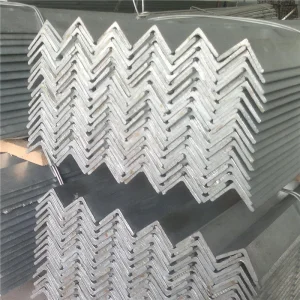
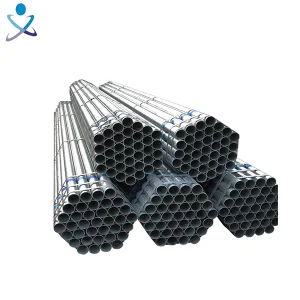
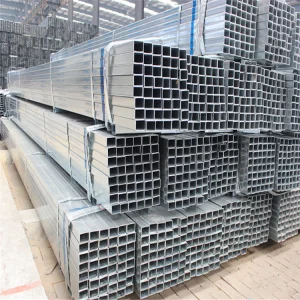
A high-performance ladder stabilizer is only as reliable as its raw material. Chinese manufacturers leverage advanced local metallurgy to supply stabilizers and scaffolding components that deliver maximum strength-to-weight ratios. The integration of structural steel profiles—such as Q235 and Q345 carbon steel square tubes, hot-rolled equal angle steel, and pre-galvanized ERW welded steel pipes—allows engineers to build stabilizers that are highly resilient to structural fatigue.
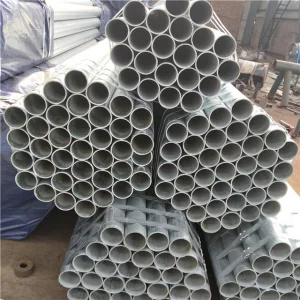
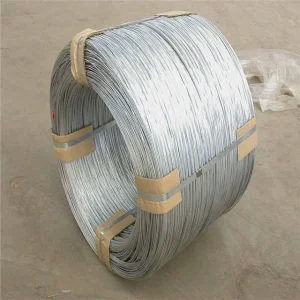
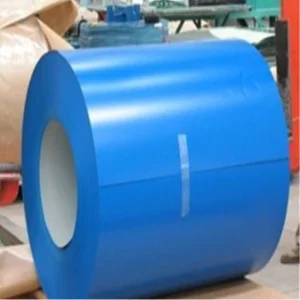
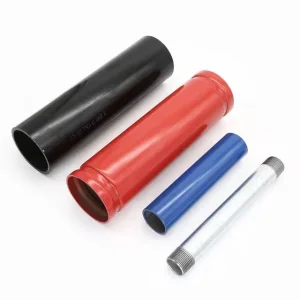
Utilizing high-zinc hot-dip galvanizing (including Z275 coatings) and powder-coated steel finishes ensures long-lasting defense against outdoor moisture, acids, and industrial chemicals.
Formed using structural Q345 / Q235 carbon steel to sustain high structural deflection limits, preventing deformities when supporting heavy equipment loads or lateral wind forces.
Produced using state-of-the-art ERW welding lines and CNC laser pipe cutters, resulting in exact dimensional tolerances for hassle-free lock-pin and hook installations.
By employing hot-rolled equal angle steel and thick-walled galvanized hollow sections, Chinese suppliers assemble robust stabilizing arms. These arms distribute vertical force outward and downward, creating a wider structural base. This minimizes sway and reduces the risk of joint failure, providing technicians with the stability needed to work safely and efficiently at height.
Established in 1998, Tianjin Minjie Steel Co., Ltd. is a leading manufacturer of high-quality structural steel products and scaffolding equipment. Spanning a state-of-the-art facility of over 70,000 square meters, our factory is strategically located just 40 kilometers from XinGang Port—the largest port in Northern China. This prime location guarantees efficient international shipping and streamlined customs logistics for global B2B procurement partners.
Tianjin Minjie’s industrial infrastructure is built for high-capacity, precision production. It features:
Equipped with 4 pre-galvanized product lines, 8 ERW steel pipe product lines, and 3 hot-dipped galvanized processing lines to ensure consistent quality and scale.
Leveraging 3 proprietary patents, including our advanced groove pipe, shoulder pipe, and victaulic pipe technologies, designed for robust industrial connection systems.
All operations are fully certified under the ISO9001 quality management system, with steel solutions engineered to meet rigorous international standards (GB, ASTM, DIN, JIS).
With an annual production capacity exceeding 300,000 metric tons of diverse steel pipes and scaffolding accessories, Tianjin Minjie has earned numerous honors from the Tianjin Municipal Government and the Quality Supervision Bureau. Our commitment to quality control ensures that our structural components and scaffold accessories deliver reliable, long-lasting performance on busy commercial job sites.
Ladder stabilizers and structural scaffolding accessories are used across a wide range of industries. Different working environments present unique structural challenges that require specific stabilizer configurations:
Stabilizers create a wide stand-off span that allows extension ladders to clear delicate aluminum gutters. By transferring the load directly to the roof deck or structural walls, they prevent costly damage to roofing systems.
For rendering, painting, or window installations, a stabilizer provides a wide, stable stance. This setup allows technicians to cover larger surface areas safely without having to continuously reposition the ladder.
Specialized stabilizers equipped with pole-grips and rubber contact pads secure ladders onto round columns, utility poles, and complex piping networks, preventing dangerous rotation during active tasks.
Whether working on interior drywalls or navigating complex industrial piping layouts, using heavy-duty stabilizers prevents structural slipping. This ensures that field operators can work confidently and efficiently, even in challenging high-altitude setups.
For global B2B procurement managers, sourcing ladder stabilizers and access components involves evaluating critical technical, financial, and logistics criteria. Sourcing directly from verified Chinese factories offers significant strategic advantages:
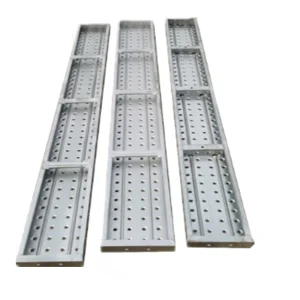
Industrial buyers often require custom dimensions, specific load capacities, or unique lock-ring connection systems. Experienced suppliers like Tianjin Minjie utilize advanced steel processing technologies to manufacture customized structural steel pipe stabilizers, powder-coated steel tubes, and scaffold steel boards tailored to precise brand specifications.
Managing risk in high-altitude work requires complete batch traceability. Tianjin Minjie’s QA laboratories test our structural steel tubing, galvanized pipelines, and scaffold components to verify tensile strength, yield limits, and galvanization thickness. These tests ensure full compliance with international standards, including GB, ASTM, DIN, and JIS.
Shipping delays can disrupt construction timelines and inflate supply chain costs. Operating from a facility located just 40 kilometers from XinGang Port (Tianjin), we coordinate fast container packing, handle customs clearance efficiently, and maintain reliable shipping schedules for our global partners.
Bespoke collaborative relationships established through on-site audits, delivering project-matched access safety gear.
Cooperative design development projects focusing on next-generation lightweight structural tubes.
Long-term annual procurement contracts supplying heavy-duty AS/NZS compliant metal scaffold boards.
Bulk supply contracts supporting major infrastructure projects with high-corrosion-resistant hot-dip galvanized steel.
The safety equipment manufacturing industry is undergoing rapid technical evolution. Modern buyers are looking for smart designs that improve safety while streamlining labor costs:
Manufacturers are combining thin-walled high-tensile steel tubes with cast aluminum parts. This approach ensures stabilizers remain lightweight and easy to handle without sacrificing load-bearing capacity.
Modern job sites prioritize speed and efficiency. New stabilizer designs feature spring-loaded locking pins and quick-clamp systems that secure directly to ladder rungs in seconds, eliminating the need for separate hand tools.
Stabilizer designs are evolving to accommodate modern building envelopes, including delicate curtain walls, external insulation systems, and corner configurations. Swiveling non-slip pads help distribute weight evenly to protect fragile wall finishes.
Industrial coatings are moving toward eco-friendly options. Lead-free powder coating and low-emission galvanizing processes ensure that products meet both international safety standards and strict environmental regulations.
Here are key technical answers regarding material quality, procurement, and applications for ladder stabilizers:
 Minjie Steel