Within B2B manufacturing, the selection of tooling materials defines project longevity and execution efficiency. Plates P20 (classified as AISI P20, DIN 1.2311, or 3Cr2Mo under regional standards) stand as the core of modern plastic injection moulding, die-casting support structures, and precision tooling plates. Pre-hardened during smelting to a typical hardness range of 28 to 36 HRC (280–325 HB), these steel plates circumvent the need for risky post-machining heat treatment, preventing dimensional distortion and cracking.
As a leading supplier with decades of structural steel capability, Tianjin Minjie Steel Co., Ltd. bridge advanced manufacturing methods with stringent global logistics. Understanding the nuances of AISI P20 mould steel is critical for procurement teams and industrial designers mapping out structural and tooling systems that yield optimal cycle times and zero-defect product output.
Uniform hardness distribution across the entire thickness profile is essential for high-performance plates. Our P20 steel uses vacuum degassing treatments to eliminate hydrogen impurities, ensuring consistency from surface to core.
Detailed metallurgical analysis comparison to empower technical procurement decisions.
| Steel Grade Standard | Carbon (C) | Silicon (Si) | Manganese (Mn) | Chromium (Cr) | Molybdenum (Mo) | Nickel (Ni) | Sulfur (S) / Phosphorus (P) |
|---|---|---|---|---|---|---|---|
| AISI P20 (Standard) | 0.28 - 0.40% | 0.20 - 0.80% | 0.60 - 1.00% | 1.40 - 2.00% | 0.30 - 0.55% | - | ≤ 0.030% Max |
| DIN 1.2311 | 0.35 - 0.45% | 0.20 - 0.40% | 1.30 - 1.60% | 1.80 - 2.10% | 0.15 - 0.25% | - | ≤ 0.035% Max |
| DIN 1.2738 (P20+Ni) | 0.35 - 0.45% | 0.20 - 0.40% | 1.30 - 1.60% | 1.80 - 2.10% | 0.15 - 0.25% | 0.90 - 1.20% | ≤ 0.035% Max |
Balanced Carbon-Equivalent (CEV) ratios ensure that milling, drilling, and electric discharge machining (EDM) operations proceed with minimal tool wear, increasing the output speeds of plastic mould makers.
Due to low chemical segregation and minimized inclusion clusters, P20 plates support mirror polishing and intricate chemical photo-etching, critical for cosmetic-grade end-products.
Internal stress-relieving during production eliminates shifting or wrapping issues during deep-pocket machining, saving labor hours in precision block cutting.
Forging structural relationships since 1998, supported by 70,000+ sqm facilities and comprehensive patent portfolios.
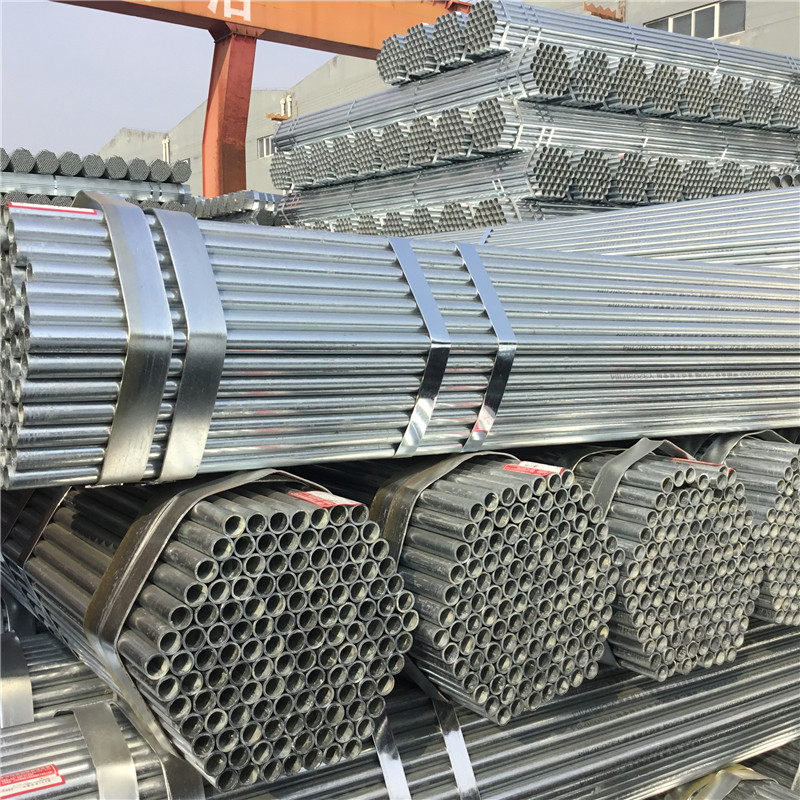
Established in 1998, our main manufacturing base spans over 70,000 square meters, located strategically just 40 kilometers from Tianjin's XinGang Port—the primary maritime gateway of northern China. Driven by industrial innovation, we own three independent patents (groove pipe, shoulder pipe, and victaulic pipe configurations).
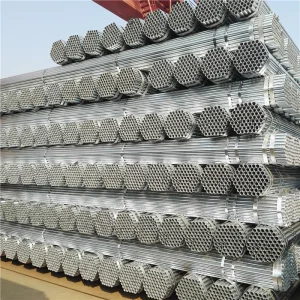
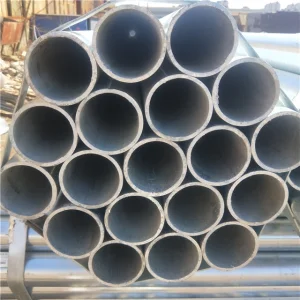
Our infrastructure includes 4 pre-galvanized product lines, 8 ERW steel pipe product lines, and 3 hot-dipped galvanized process lines. All manufacturing conforms to GB, ASTM, DIN, and JIS standards, supported by our ISO9001 quality management certification. This heavy industrial lineage informs our supply chain expertise, ensuring that custom-sized plate orders are handled, inspected, and shipped with high efficiency.
Establishment Year
Factory Infrastructure
Proprietary Innovations
Annual Steel Output Capacity
Building trust through on-site audits, high-quality material consistency, and long-term contracts.
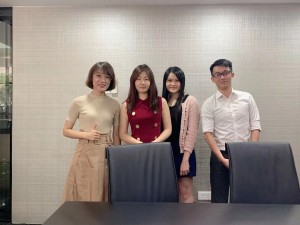
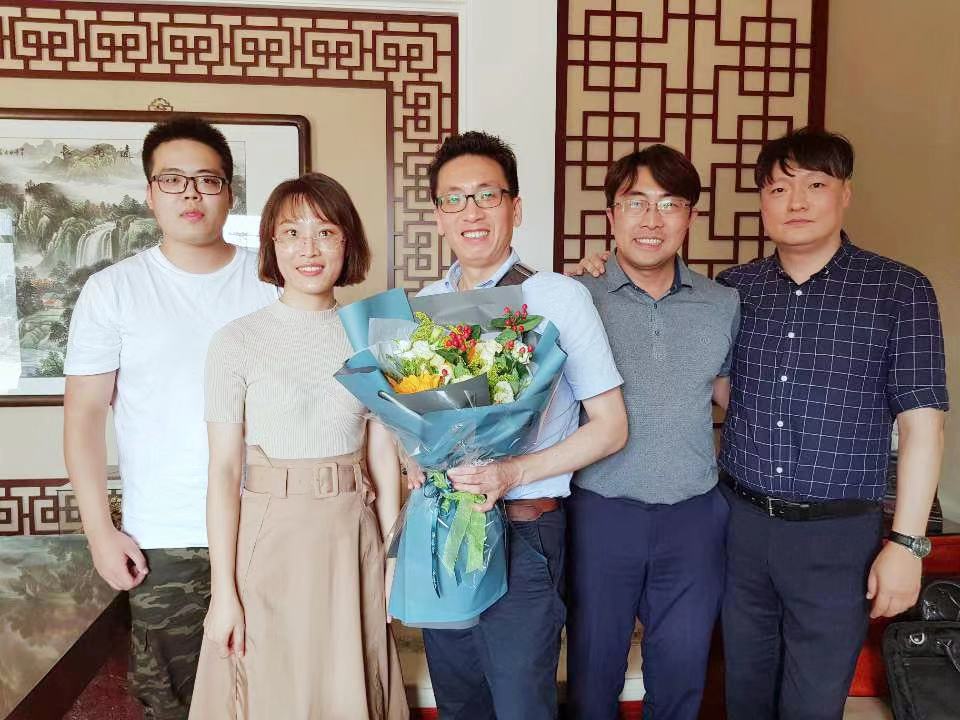
Visited partners in September 2019, securing commitments for engineering and marine-grade fabrication project frameworks.
Collaborated closely on complex structural components and custom dimension profiles for local automotive production lines.

Ongoing B2B structural projects supported by annual field visits to verify structural steel compliance and delivery timelines.
Signed recurring contracts for multi-container structural steel pipe deliveries following strict manufacturing audits.
Successfully shipped over 1,000 tons of high-grade construction steel pipe networks to the Mediterranean region.

Developed supply routes for municipal construction networks initialized through the Canton Fair.
How structural steel plates and tool steel grades power large-scale manufacturing sectors.
Large P20 plates are machined to form moulds for car bumpers, dashboards, inner door panels, and external structural plastic components.
Ensuring micro-level detail and surface polish consistency for structural moulds used in laptops, cellular casings, and home appliances.
Serving as high-strength backup plates, bolster plates, and structural components in casting and stamping presses subject to high mechanical load.
Decarbonization, structural optimization, and precision metallurgy trends heading into 2030.
Adoption of electric arc furnaces (EAF) using scrap steel combined with direct-reduced iron (DRI) processes to lower carbon footprints across manufacturing lines.
Implementation of electromagnetic stirring (EMS) and advanced secondary refining to eliminate microscopic sulfide segregation, achieving consistent hardness distributions throughout the plate thickness.
Integration of real-time manufacturing tracking from the melt shop directly to the port of loading (Tianjin XinGang), ensuring customers have access to chemical composition testing (MTR) and UT scanning data instantly.
Continuous quality assurance verified by international standards and compliance protocols.
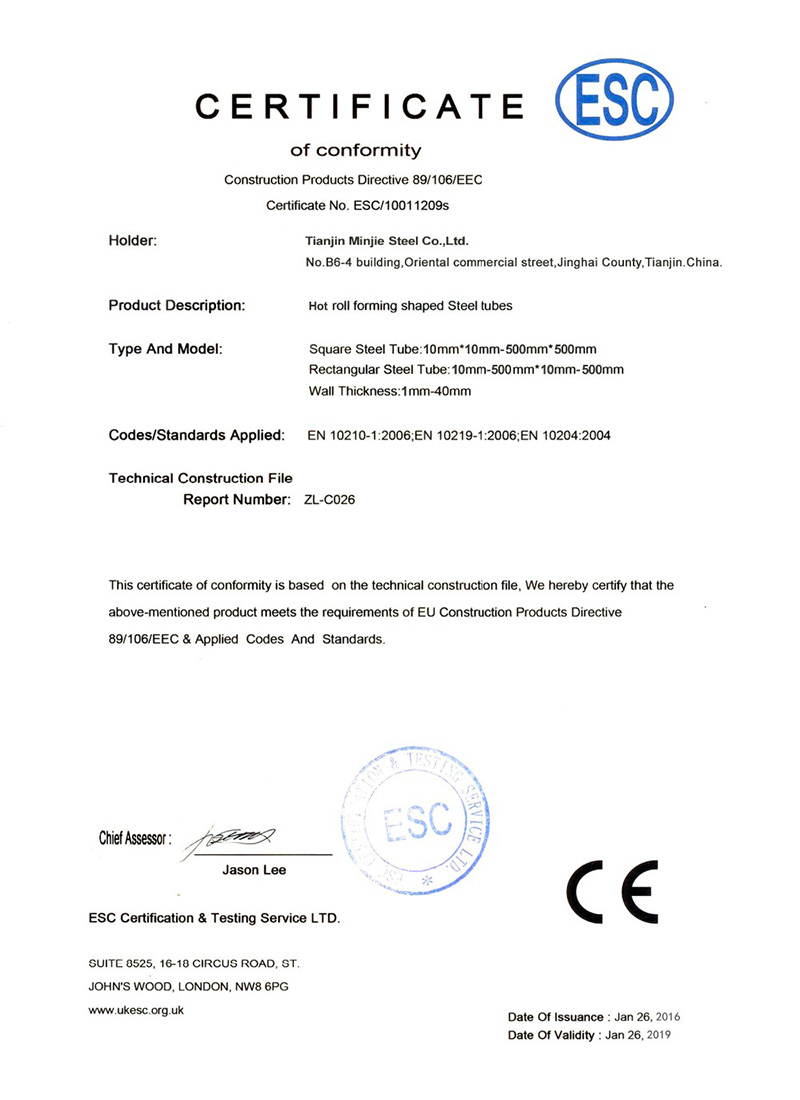
ISO 9001 System Compliance
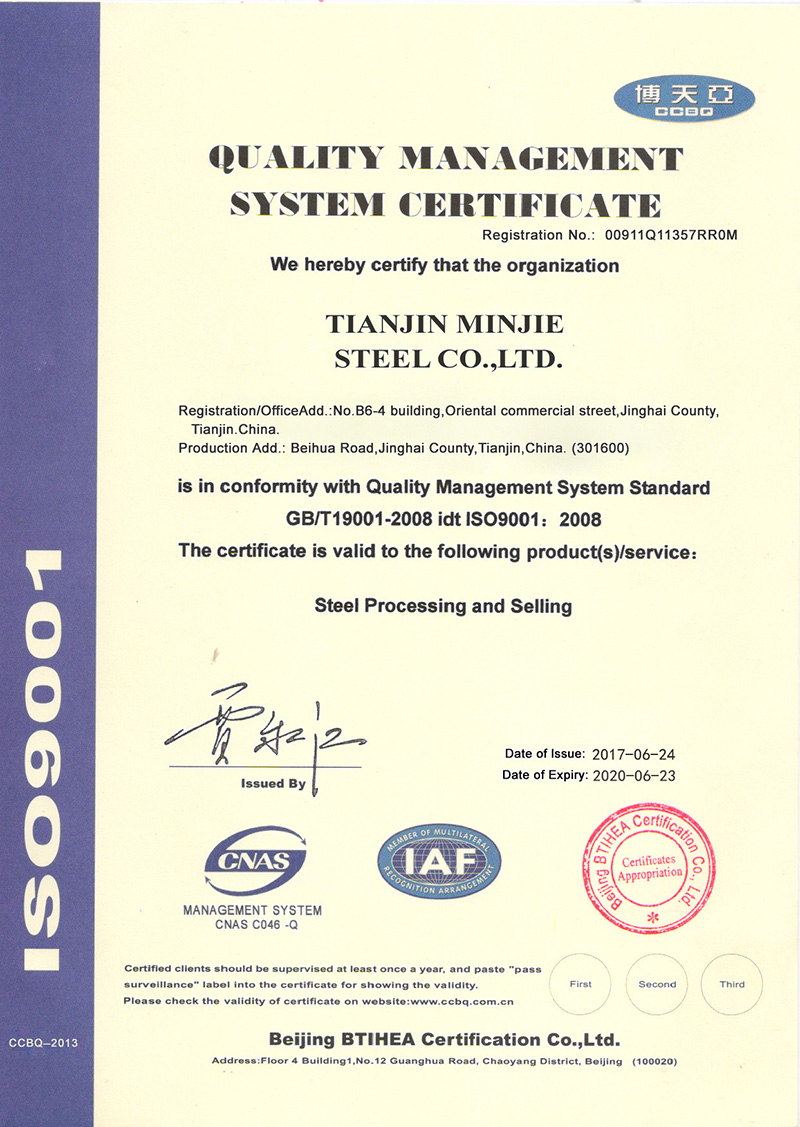
International Standard Conformity
Answers to key questions concerning chemical composition, processing options, and logistic frameworks.
Supplying P20 in a pre-hardened state (typically 28-32 HRC or 280-325 HB) avoids the need for post-machining heat treatment. This eliminates dimensional distortion and the risk of cracking, saving time and mold material costs during subsequent processing steps.
1.2738 contains approximately 1% Nickel. Nickel increases hardenability, ensuring the plate maintains a uniform hardness level from surface to core, even for thick sections exceeding 400 mm. Standard P20 (1.2311) is typically recommended for small-to-medium moulds (thickness under 400 mm).
Our location 40 kilometers from XinGang Port in Tianjin reduces local transportation costs and delivery times. It allows us to manage loading processes efficiently and offer competitive FOB prices to global destinations.
Yes. All high-quality B2B P20 plates undergo ultrasonic testing (UT) according to ASTM A388 or EN 10228 standards. This helps detect internal porosity, inclusions, or micro-cracks before shipment.
Yes. P20 alloy responds well to gas nitriding, ion nitriding, or surface chrome plating. This increases surface hardness to over 50 HRC, improving wear resistance when processing abrasive resins.
 Minjie Steel