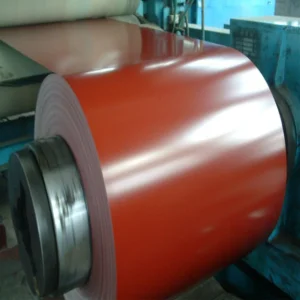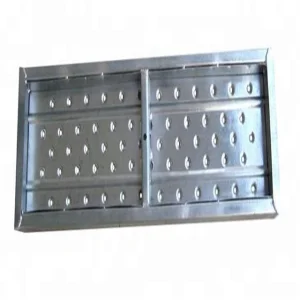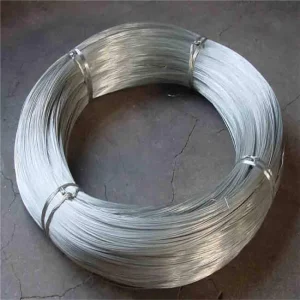
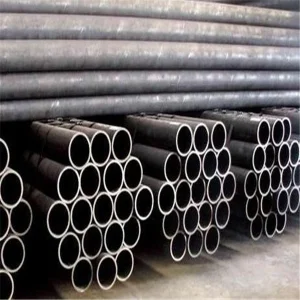
Prepainted Galvanized Iron (PPGI), also widely referred to as color-coated steel or pre-coated steel coil, represents a highly engineered composite material that merges the high mechanical strength of structural steel with the exceptional corrosion resistance and aesthetic qualities of organic coatings. As global industrial supply chains seek longer-lasting, low-maintenance building envelopes, China PPGI steel manufacturers have evolved from simple commodity processors into innovators of high-durability surface technologies.
The core structure of PPGI consists of a cold-rolled steel base substrate, followed by a hot-dip galvanizing layer that acts as sacrificial protection. On top of the zinc coating, a chemical pretreatment layer (passivation/conversion coating) is applied, followed by a primary primer, and finally a high-performance topcoat (such as PE, SMP, HDP, or PVDF). This multi-layered architecture ensures that the structural core remains isolated from atmospheric moisture, UV radiation, and industrial pollutants.
Today, the international demand for PPGI is driven by infrastructure upgrades, modernization of commercial warehousing, and sustainable building designs. By optimizing the raw coil thickness, zinc coating mass, and coating chemistries, modern manufacturing facilities supply custom-tailored steel products that withstand aggressive marine climates, intense solar radiation, and toxic industrial environments.
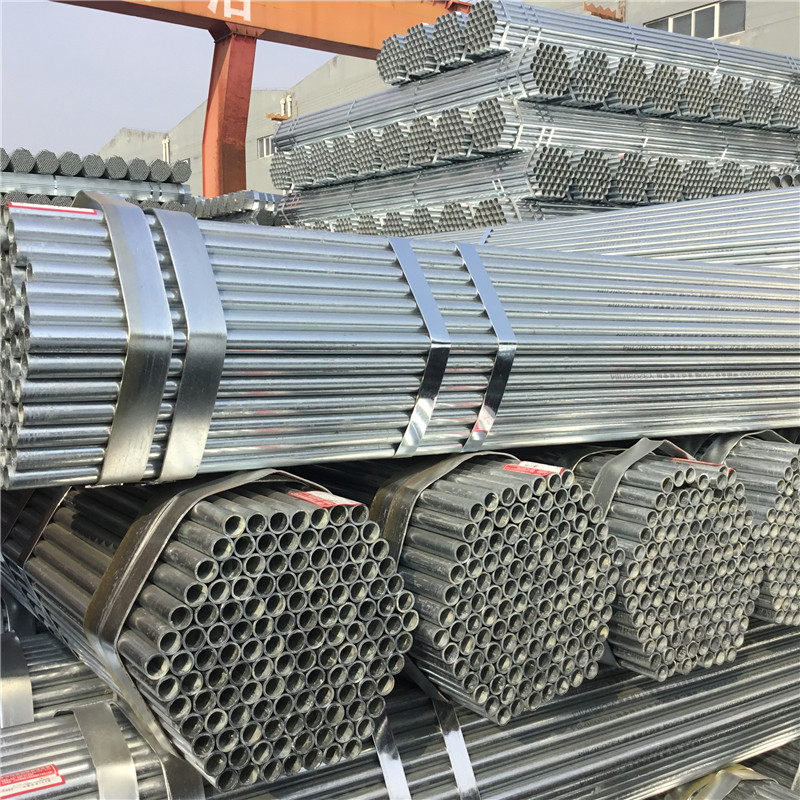
PPGI and galvanized steel products are deployed across a vast array of high-stakes industrial applications. Understanding regional environmental factors is critical for selecting the correct steel specifications, ensuring both economic efficiency and operational longevity.
Used heavily in high-density industrial parks for wall cladding and roofing panels. The coatings protect the structural metal core from aggressive airborne pollutants, acids, and smoke particulate matter prevalent in manufacturing zones.
Modern commercial greenhouses and high-capacity crop storage silos utilize prepainted and pre-galvanized structures. The hot-dip galvanized components resist the high humidity and chemical fertilizers common in intensive farming.
For high-capacity modular cold-storage facilities, PPGI panels coated with food-safe organic resins are used as interior lining. They offer easy-to-sanitize surfaces that resist mold and withstand rigorous washdown protocols.
Specifying high-performance PPGI requires deep comprehension of the base metal chemistries, thickness constraints, and performance traits of organic paint layers. The table below highlights the standard industrial specifications of premium-grade steel coils:
| Substrate Parameter | Common Industrial Range | Standards Compliance | Target Applications |
|---|---|---|---|
| Base Metal Thickness | 0.12 mm – 2.0 mm | ASTM A653 / EN 10346 | Roofing, cladding, lightweight framing |
| Zinc Coating Mass | Z30 – Z275 (30g/m² to 275g/m²) | JIS G3302 / GB/T 2518 | Corrosive environments, marine building envelopes |
| Organic Topcoat System | Polyester (PE), HDP, PVDF, SMP | EN 10169 | Aesthetic control, chemical resistance, UV block |
| Paint Film Thickness | Top: 15–35 μm; Back: 5–15 μm | ASTM D1005 | Adhesion reliability, mechanical protection |
| Gloss Level Options | Matte (10-20%) to High Gloss (70-90%) | ASTM D523 | Architectural design, commercial interiors |
The global steel industry is undergoing a structural shift toward green chemistry and long-term durability. Traditional chromated chemical pre-treatment stages are systematically being replaced with modern, environment-friendly Chrome-Free Passivation systems. This technological pivot ensures full compliance with international environmental standards, including RoHS and REACH regulations, allowing global buyers to import with confidence.
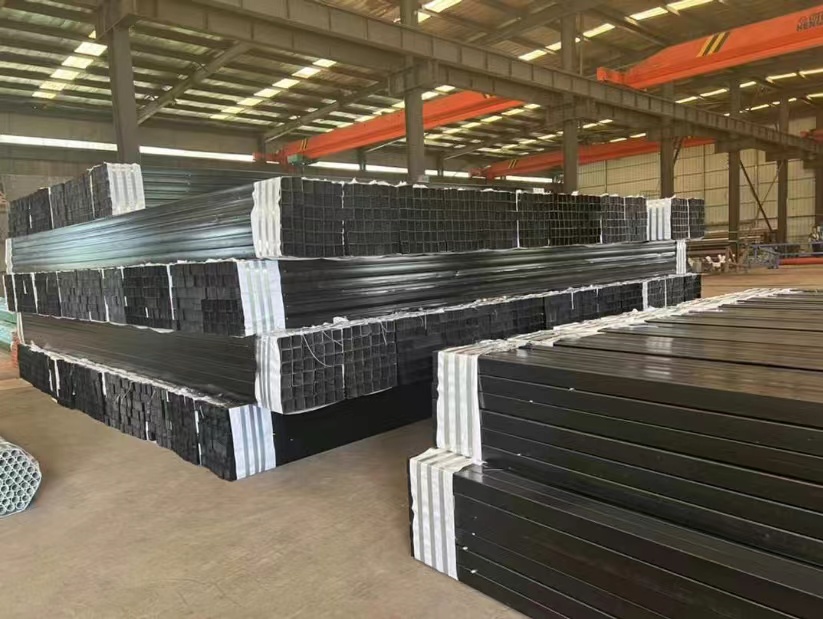
Modern steel development focuses heavily on extending the lifecycle of the organic topcoat. High Durability Polyester (HDP) polymers, formulated with highly stable resins and premium mineral pigments, provide a lifetime expectancy of 15 years in moderate climates. For heavy-chemical zones and intense solar environments, Polyvinylidene Fluoride (PVDF) remains the industry gold standard, yielding unbeatable resistance against chalking, fading, and chemical breakdown.
Additionally, cool-metal roofing solutions utilizing solar-reflective pigments are gaining commercial momentum. These coatings reflect a high percentage of solar infrared radiation, keeping commercial structures cooler and dropping interior energy costs significantly.
Established in 1998, Tianjin Minjie Steel Co., Ltd. is a highly specialized manufacturer, exporter, and strategic partner for premium structural steel and piping systems. Spanning a state-of-the-art facility of over 70,000 square meters, our plant is strategically situated just 40 kilometers from XinGang Port (Tianjin)—the largest shipping hub in Northern China. This unique location guarantees highly streamlined logistics and fast container booking schedules for export markets worldwide.
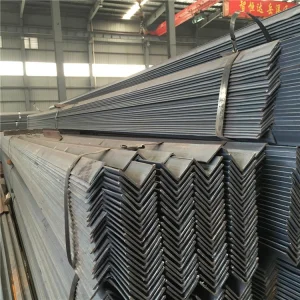
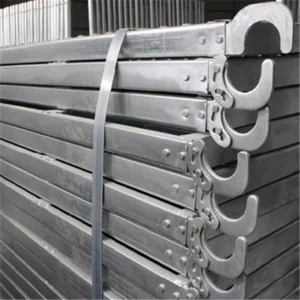
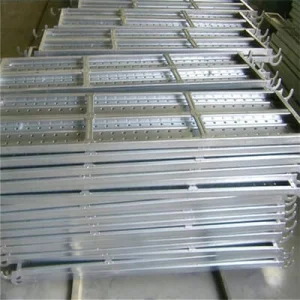
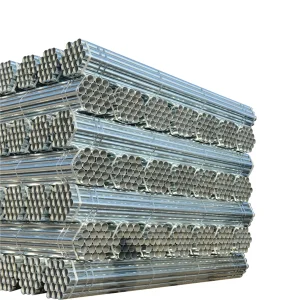
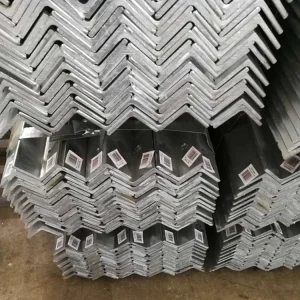
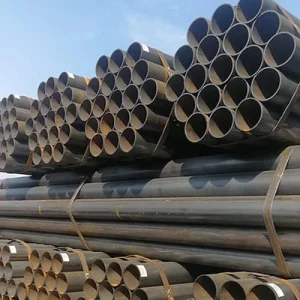
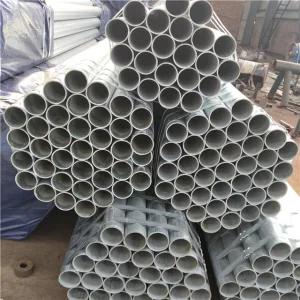
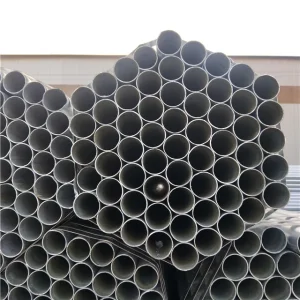
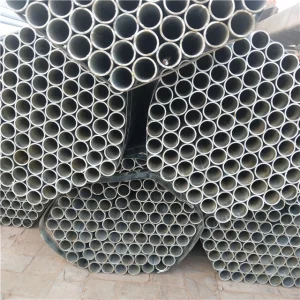
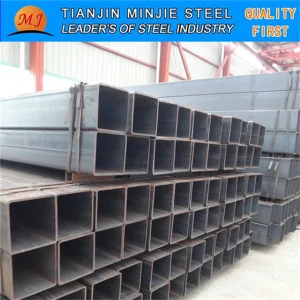
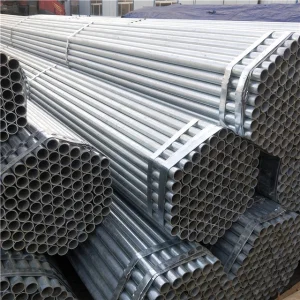
As an industry leader, our company holds 3 proprietary engineering patents covering advanced joining and piping technologies: Groove Pipe, Shoulder Pipe, and Victaulic Pipe systems. Our high-precision production infrastructure includes 4 dedicated pre-galvanized product lines, 8 ERW (Electric Resistance Welded) steel pipe production lines, and 3 hot-dipped galvanized processing lines. Every manufacturing process operates in absolute alignment with ISO 9001 quality certification guidelines, supplying high-caliber products that conform strictly to international specifications including GB, ASTM, DIN, and JIS.
With an annual production capacity surpassing 300,000 metric tons, Tianjin Minjie Steel continues to earn municipal honors for excellence in quality control and production safety. Our structural materials are utilized globally in mechanical engineering, heavy steel frames, commercial greenhouses, auto components, high-speed rail barriers, container frames, and furniture manufacturing. By maintaining a world-class technical advisory board and a highly skilled production team, we provide the global market with unbeatable reliability, performance, and long-term customer satisfaction.
Over the past two decades, Tianjin Minjie Steel has fostered lasting collaborative relationships with industrial buyers, structural engineers, and global steel distributors. We consistently present our latest metallurgical breakthroughs at the annual Canton Fair, earning trust and securing bulk procurement orders on-site.
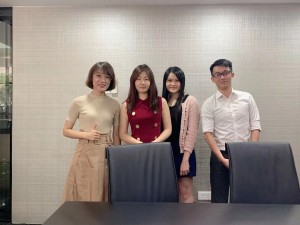
During our Singapore trade summit in September 2019, our engineering representatives cemented long-term procurement lines, earning high praise for strict dimensional accuracy and timely delivery performance.
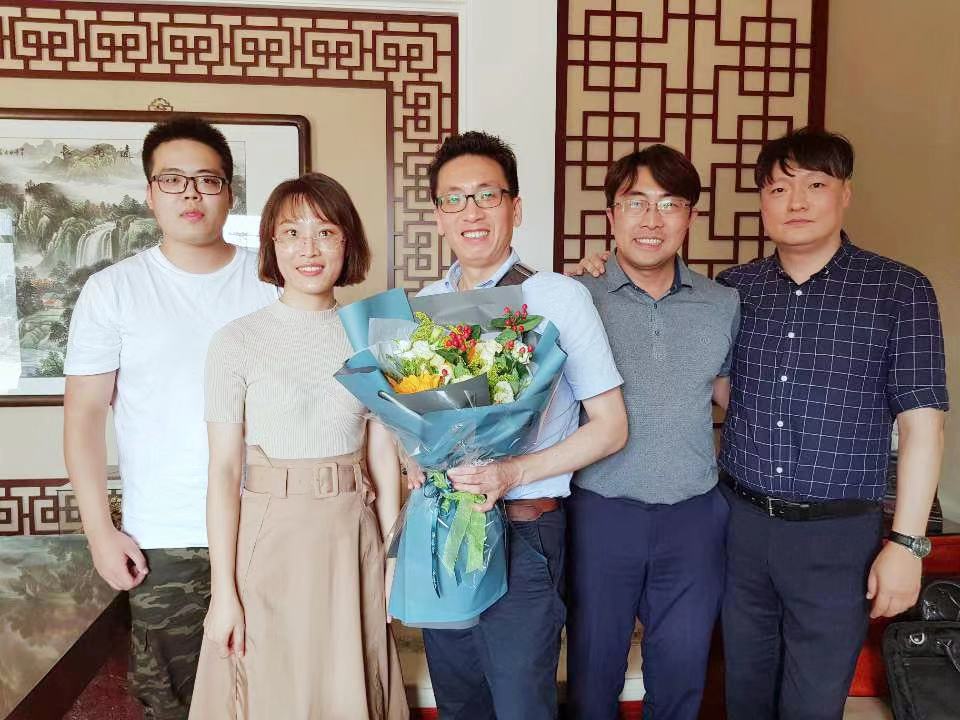
In 2019, Korean technical delegations visited our production center to finalize custom structural specifications, establishing a highly successful collaborative supply model for modular framing systems.

A leading Australian partner carried out deep physical audits of our hot-dip galvanizing lines in November 2018, verifying our mechanical performance levels for extreme outback installations.
First met at the Canton Fair in 2018, this strategic alliance has led to a highly robust import channel supplying heavy structural steel pipes and prepainted products for infrastructure projects.
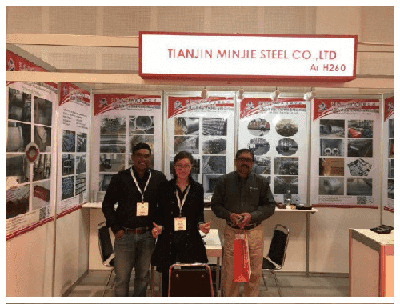
Our permanent footprint at the Canton Fair allows us to consult in real-time with global partners. Over 80% of our online clients proceed to physical factory audits, creating strong mutual trust.
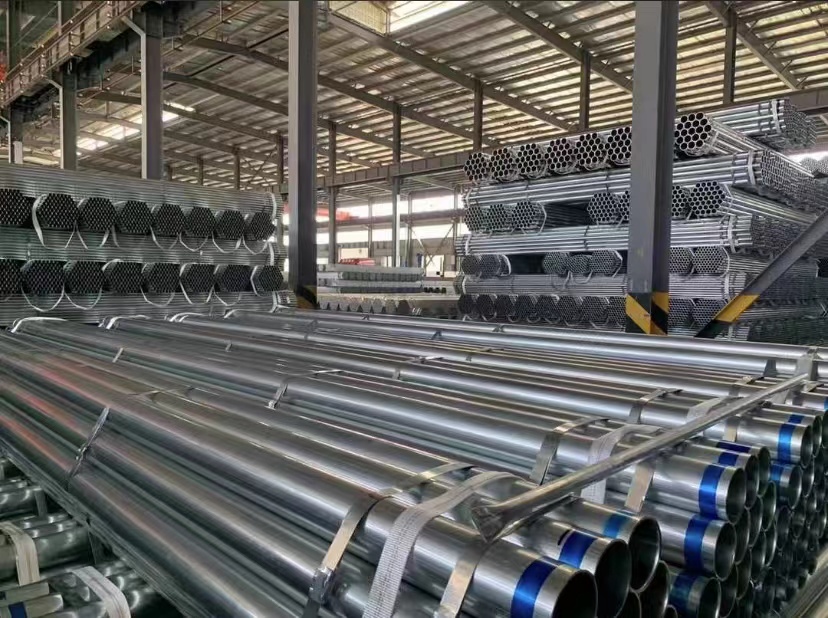
Every industrial batch undergoes careful quality verification. We inspect substrate thickness tolerances, chemical layer adhesion, and mechanical load performance before port delivery.
Procuring PPGI coils or finished structural steel products from China requires a robust inspection framework to verify that materials meet technical specs and project safety guidelines. Below is the operational framework practiced by our global partners:
Always specify the "Base Metal Thickness" (BMT) rather than the "Total Coated Thickness" (TCT) in purchasing contracts. Certain manufacturers may supply thinner steel substrates with thicker lacquer coatings to achieve target dimensions, which compromises the structural capacity under heavy winds or snow load conditions.
Adhesion quality determines whether the paint will peel or crack during roll forming or prolonged weathering. Reliable suppliers run standard "T-Bend Tests" (aiming for 0T to 2T performance) and "MEK (Methyl Ethyl Ketone) Rub Tests" to certify complete curing and chemical binding of the primers and topcoat.
The anti-corrosive lifetime of PPGI is heavily dependent on the thickness of the underlying zinc layer. For outdoor installations in high-humidity or coastal areas, demand a minimum of Z120 (120 g/m² total double-sided zinc mass). For mild interior drywall profiles or basic shelving, a lighter Z40 or Z60 coating may suffice.
Freight and handling fees can add significant cost to heavy bulk steel imports. Partnering with factories like Tianjin Minjie Steel, located close to North China's premier logistics hub (Xingang Port), minimizes land transit costs, reduces road hazard exposure, and streamlines customs clearance.
Here are direct answers to the most common engineering and procurement questions regarding PPGI products from Chinese suppliers:
 Minjie Steel