The global construction and heavy industrial sectors are undergoing rapid changes, with safety regulations, rising labor costs, and accelerated project timelines driving this evolution. For decades, traditional scaffolding systems like tube-and-clamp or cuplock dominated job sites. Today, project managers and safety directors are shifting toward Quicklock Scaffolding Systems. Also known widely as ringlock or modular speedlock systems, these designs represent a significant leap in structural mechanics and on-site efficiency.
Quicklock scaffolding utilizes a pre-engineered modular design featuring a central rosette connector welded securely at predefined intervals along the vertical standards. Ledgers, diagonals, and transoms lock into this rosette with a simple wedge-and-pin action, eliminating the reliance on threaded fasteners, heavy tools, or highly skilled specialized labor. In high-rise construction, marine environments, and civil engineering plants, this design has proven to reduce scaffolding erection and dismantling times by up to 50% to 60% compared to legacy structural systems.
Gravity-defying visual alignment checks allow inspectors to verify lock integrity instantly. The wedge connection locks itself via gravitational force, mitigating human error during erection.
The centralized rosette layout distributes gravitational forces directly down the vertical standards. This design minimizes eccentric loads and allows for much higher load capacities.
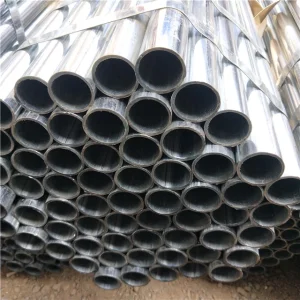
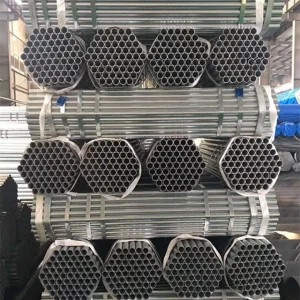
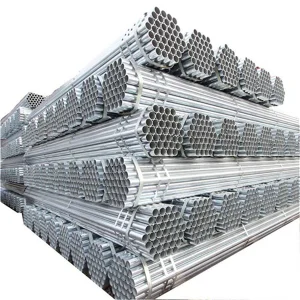
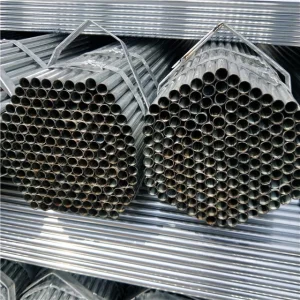
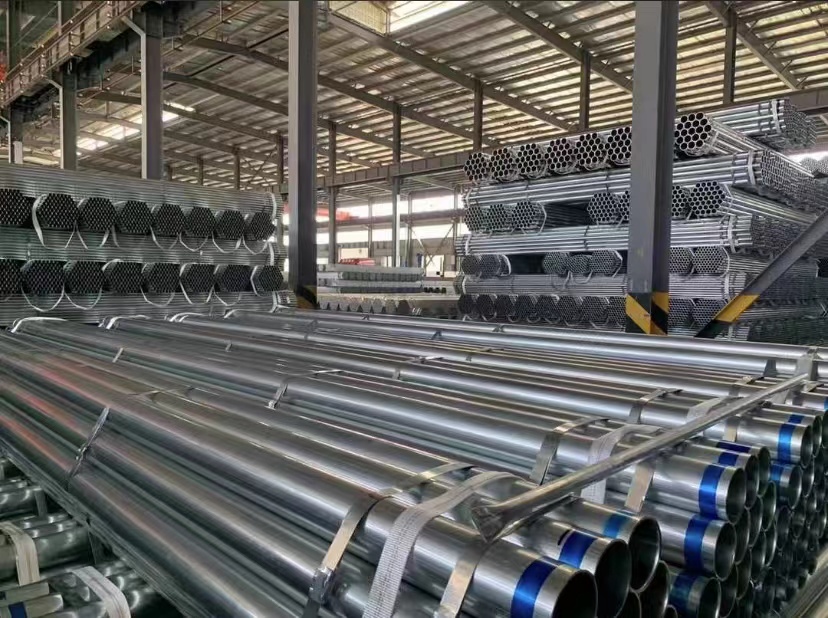
Hot-dip galvanized (HDG) coating thickness conforming to BS EN ISO 1461 guarantees life expectancy exceeding 15 years in marine or chemical processing environments.
For international procurement managers, purchasing industrial structural systems from a China Quicklock scaffold supplier is no longer just a transaction based on lowest-price-per-ton. Procurement directors must navigate a complex landscape of compliance, metallurgy, supply chain logistics, and geopolitical tariff structures. Below are the key pillars of global procurement that define successful sourcing strategies today:
"Successful procurement relies on strategic alliances with manufacturers that control the entire production chain—from raw coil slitting and ERW pipe welding to precision galvanization and load-limit testing."
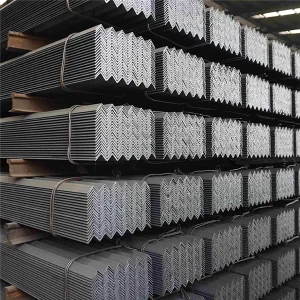
Established in 1998, Tianjin Minjie Steel Co., Ltd. has developed into a premier manufacturer of high-performance scaffolding structures, structural steel profiles, and heavy-wall galvanized steel piping. Spanning an expansive production footprint of over 70,000 square meters, our facilities are strategically engineered to serve complex global requirements. Our site features state-of-the-art production systems, located just 40 kilometers from the critical northern logistics gateway of Xingang Port.
To support global infrastructure projects, our manufacturing facility runs advanced processing setups, including:
Tianjin Minjie Steel's R&D efforts have resulted in three proprietary system patents: Groove Pipe, Shoulder Pipe, and Victaulic Pipe. These designs simplify fluid flow mechanics and mechanical coupling in temporary and permanent installations, offering solutions that reduce project footprints and labor requirements on-site.
At Tianjin Minjie Steel, we operate on a foundation of transparent, verified manufacturing. Each year, we present our capabilities at the annual Canton Fair, connecting with developers, procurement groups, and engineering consultants from all over the world. Our collaborative approach and engineering support build lasting relationships, with over 80% of our international partners following up their initial consultations with physical factory inspections in Tianjin.
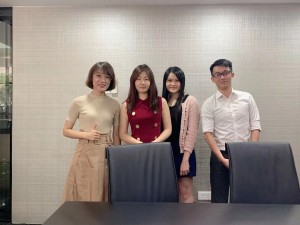
In September 2019, our team visited Singapore to consult on urban transit infrastructure projects. Our technical support helped tailor delivery schedules to meet strict local regulatory criteria.
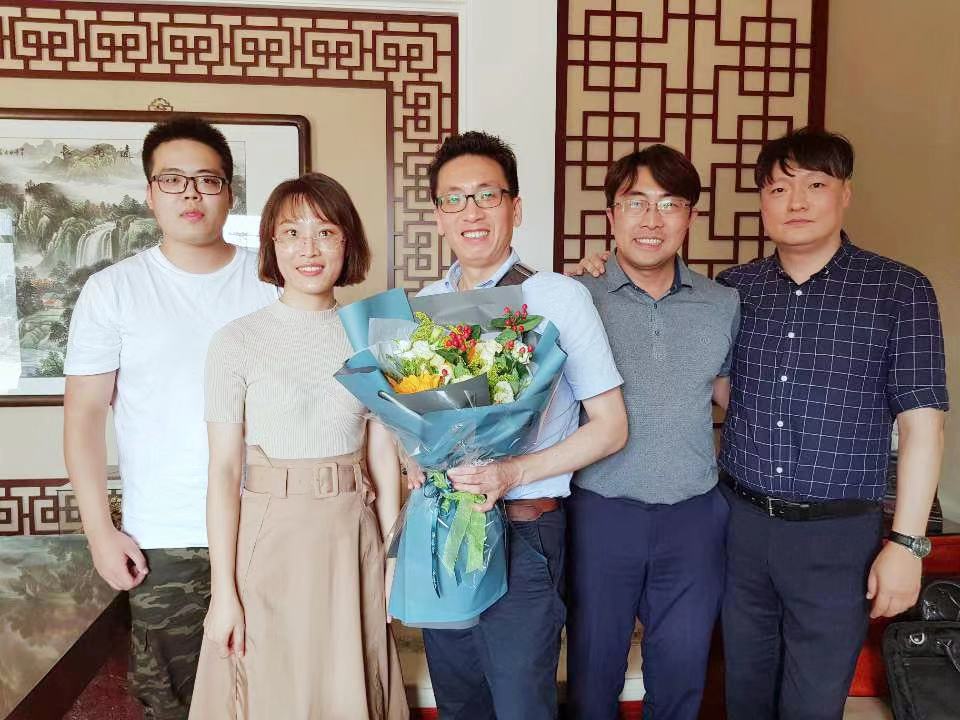
During a 2019 project alignment visit, South Korean engineering representatives reviewed custom structural mockups at our facility, leading to long-term supply agreements.
In November 2018, long-term partners from Australia visited our plant to inspect raw material tracking and verify structural compliance with local safety codes.
A 2019 industrial delegation visited our production facilities, resulting in a recurring supply contract of 10 containers per month for municipal infrastructure developments.

In June 2017, partners from Lebanon completed a quality assessment at our factory, immediately ordering 1,000 tons of structural steel tubing for local redevelopment projects.
First establishing contact at the 2018 Canton Fair, our Saudi Arabian clients visited our factory to initiate procurement of hot-dip galvanized scaffolding components for energy infrastructure developments.
Quicklock scaffolding systems and structural profiles operate under demanding environmental conditions. Selecting the appropriate material configuration depends on localized structural factors:
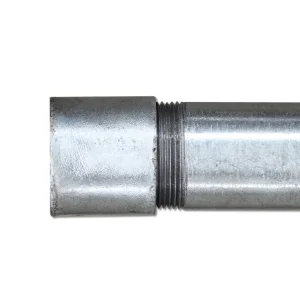
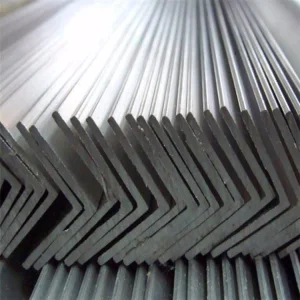
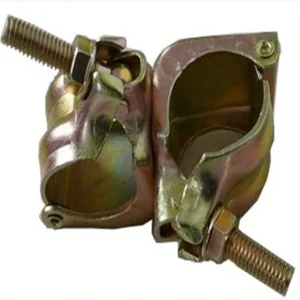
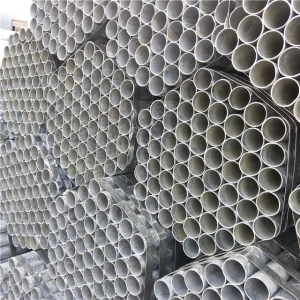
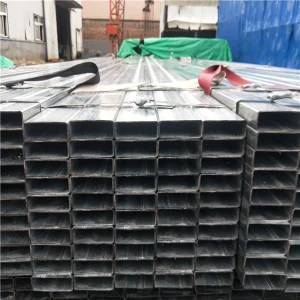
Highly corrosive marine atmospheres containing dense chlorides degrade carbon steel rapidly. In these environments, we supply hot-dip galvanized hollow sections and double couplers that provide corrosion protection to match the structural requirements of processing plants.
For high-rise concrete casting and bridge shoring, scaffolding systems must support high axial loads. Utilizing S355JR and Q345B steel grades allows engineers to specify thinner walls without sacrificing safety margins, reducing dead load on foundation supports.
The table below provides comparative structural properties for selecting appropriate steel components:
| Steel Grade | Yield Strength (Min MPa) | Tensile Strength (MPa) | Primary Application |
|---|---|---|---|
| Q235B | 235 | 370 - 500 | Standard Ledgers, Scaffolding Tubes, Pipe Couplers |
| Q345B | 345 | 470 - 630 | Heavy Duty Standards, Diagonal Bracing, Structural Tubes |
| S355JR | 355 | 470 - 630 | Transmission Steel Towers, High Load Capacity Framing |
Quicklock scaffolding utilizes a pre-engineered modular design with fixed connection nodes (rosettes) welded at 500mm intervals along the vertical standards. Ledgers and braces are connected via a mechanical wedge-key system. This eliminates the need for manual tightening of loose couplers, reduces assembly labor costs, and provides structured load distribution across the entire framework.
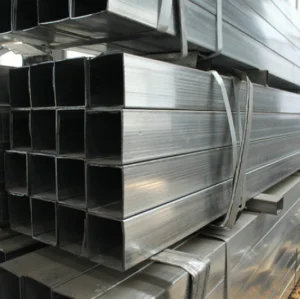
We recommend hot-dip galvanizing (HDG) conforming to BS EN ISO 1461. This process applies a protective zinc layer both inside and outside the hollow sections, providing resistance to marine atmospheres, chemical environments, and mechanical wear on-site.
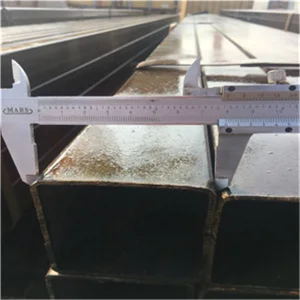
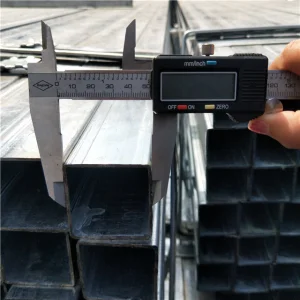
We utilize automated ERW (Electric Resistance Welding) lines combined with continuous ultrasonic testing and destructive mechanical testing (such as flattening and bending tests). These procedures ensure weld seam strength that aligns with ISO 9001 quality management guidelines.
Our manufacturing site is located 40 kilometers from Xingang Port (Tianjin), allowing direct containerized transport and bulk cargo loading. We coordinate transport logistics, packaging, and export clearance documentation to support project delivery schedules.
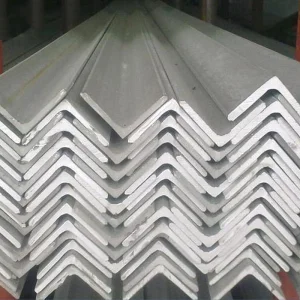
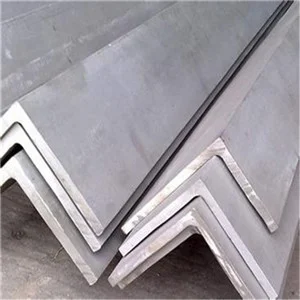
Yes. Our structural steel pipes, angle profiles, and scaffolding accessories are manufactured to conform to ASTM, DIN, BS, and JIS standards. Every shipment is accompanied by a mill test certificate confirming chemical and mechanical compliance.
 Minjie Steel