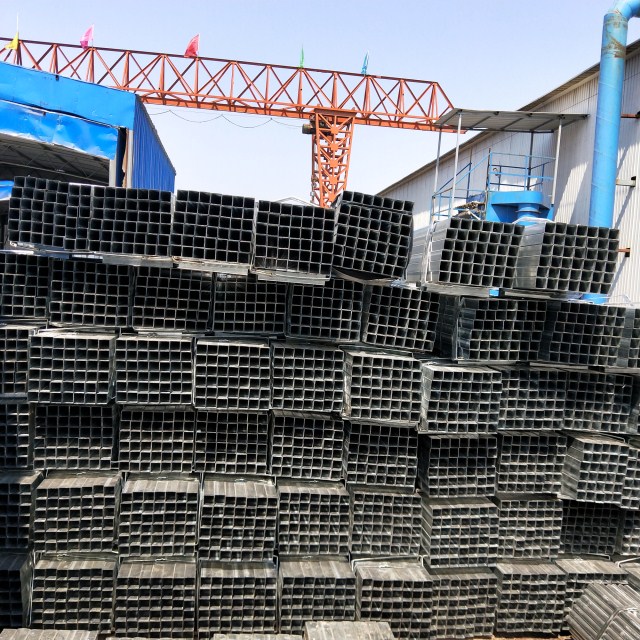
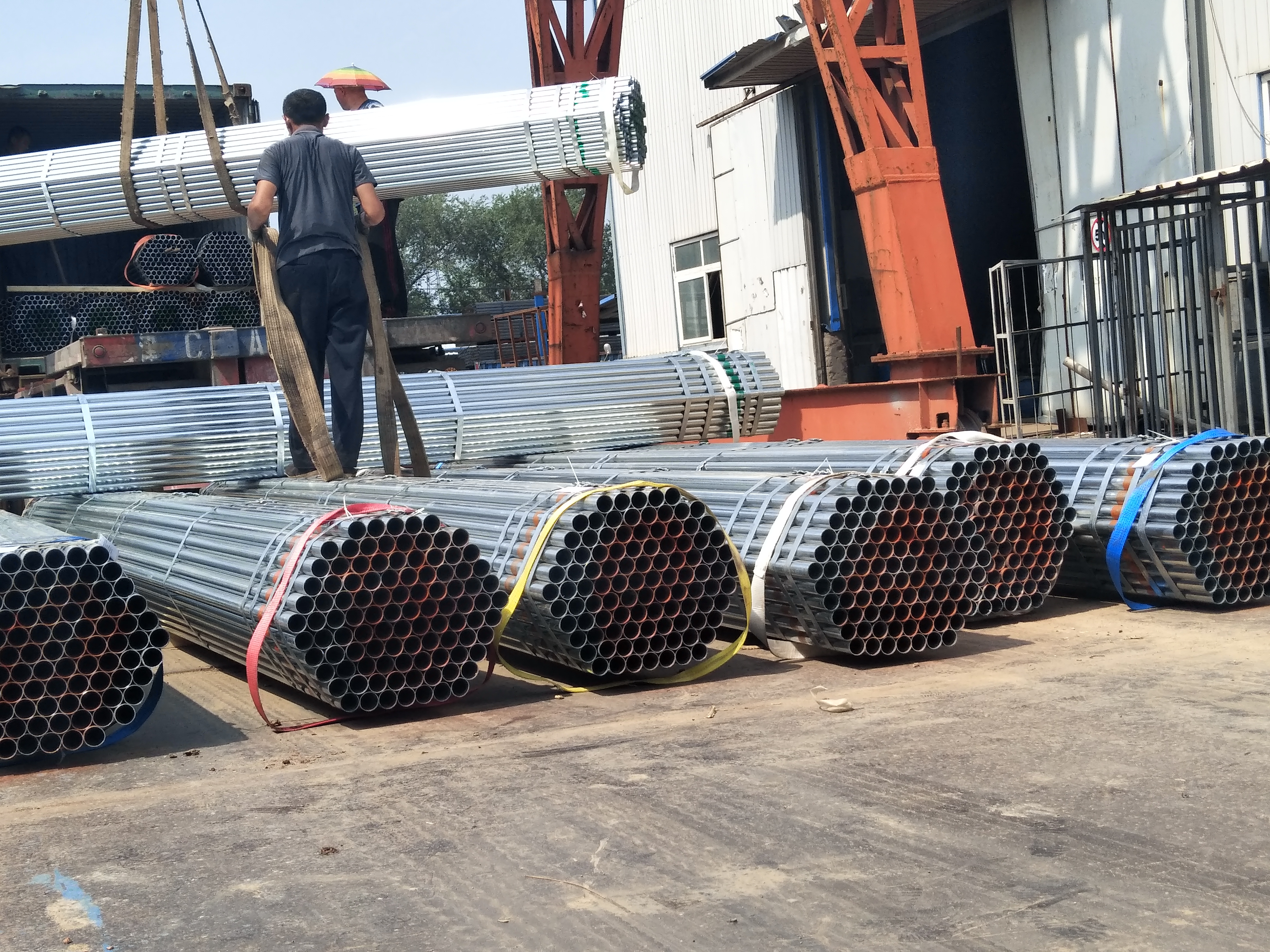
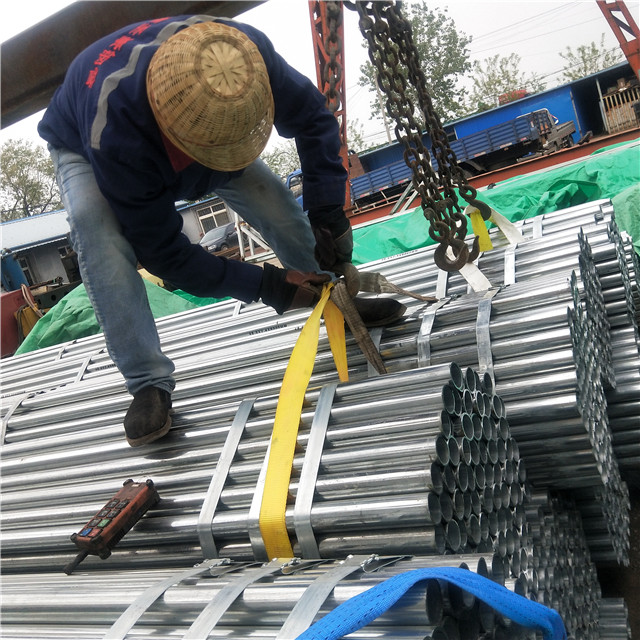
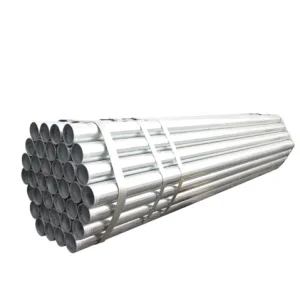
China Red Pipes Manufacturers & Factories

The Global Benchmark in Premium Fire Sprinkler Pipes, Grooved Solutions, and High-Performance Piping Systems. Engineered for Safety, Compliance, and Life Infrastructure Longevity.

Global Industrial State of Fire Protection "Red Pipes"

An In-depth Look at Safety Standards, Material Composition, and Manufacturing Excellence

What defines a "Red Pipe"?

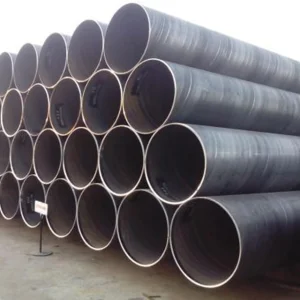
Commonly known in structural and MEP engineering as Red Steel Pipe or fire sprinkler pipe, these products are specialized hollow sections coated with red anti-corrosive lacquer, primer, or electrostatic powder paint. Used primarily for fire safety infrastructure, their unmistakable red tone indicates a dedicated pressurized suppression system to emergency responders.

UL/FM Regulatory Compliance

Because they are structural life-safety mechanisms, red pipes are subject to strict compliance under standards such as ASTM A795, ASTM A53, BS 1387, EN 10255, and national standard GB/T 3091. Meeting these standards ensures that the steel can survive high hydraulic pressure spikes (often tested above 2.0 MPa) and resists rapid thermal changes during fire outbreaks.

Global Commercial Reality

The global demand for high-grade red pipes has scaled with the rise of tall commercial developments, smart cities, and heavy industrial hubs. Urban planning commissions globally mandate continuous wet-pipe and dry-pipe fire systems. Chinese manufacturers, using advanced ERW (Electric Resistance Welded) technology, supply over 60% of the world's commercial fire piping, merging cost-effective production with high-precision coating techniques.

Red Pipe Standards, Materials & Coating Classifications

Understanding the differences between standards is critical for international purchasing directors. Red pipes are generally manufactured from high-quality carbon steel. Here is the technical breakdown:

  • ASTM A795: The standard specification for black and hot-dipped zinc-coated (galvanized) welded and seamless steel pipe for fire protection use. It regulates pipe design from Schedule 10 (thin wall) to Schedule 40 (standard wall).
  • ASTM A53 Type E (Grade B): ERW pipe designed for general pressure systems, widely utilized for fire sprinkler mains where specific ASTM A795 certification is not strictly requested but high mechanical strength is required.
  • EN 10255 (Non-Alloy Steel Pipes for Welding and Threading): The standard widely utilized across Europe, regulating light, medium, and heavy series configurations.

Coatings play a critical role in preventing **Microbiologically Influenced Corrosion (MIC)** inside the piping. Inner surface treatment can consist of hot-dip galvanizing, whereas the exterior typically receives a high-quality red epoxy electrostatic powder coating, providing superior protection against mechanical abrasion and rust in high-humidity facilities.

About Tianjin Minjie Steel Co., Ltd.

A Legacy of Precision Steel Manufacturing Since 1998
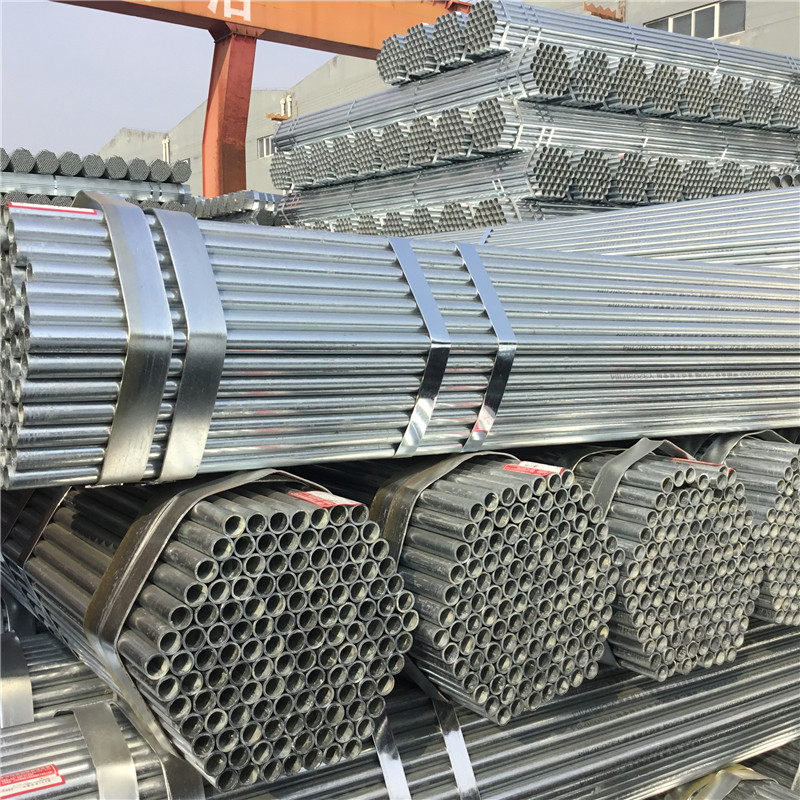
Tianjin Minjie Steel Factory

Factory Introduction

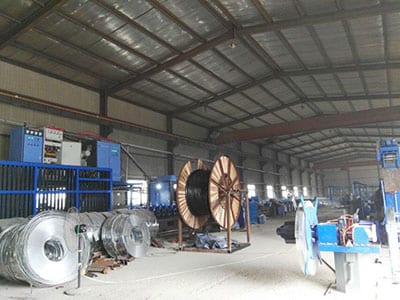
Established in 1998, Tianjin Minjie Steel Co., Ltd has evolved into a premier manufacturer and exporter of structural steel and fire safety piping systems. Spanning over 70,000 square meters, our state-of-the-art facility is strategically positioned just 40 kilometers from XinGang Port (Tianjin), the largest shipping port in Northern China, offering major logistical advantages for global shipping.

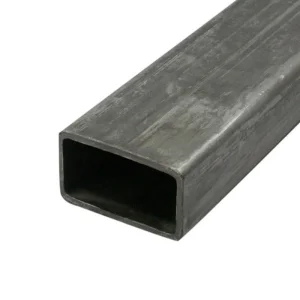
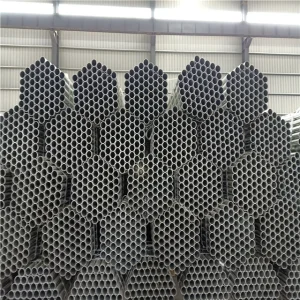
Minjie specializes in pre-galvanized steel pipe, hot-dip galvanized pipe, welded steel pipe, square & rectangular hollow sections, and structural scaffolding systems. To remain competitive globally, Minjie has patented three unique jointing technologies: Grooved Pipe, Shoulder Pipe, and Victaulic Pipe, designed specifically for rapid assembly in commercial fire protection lines.

1998
Established Year
70,000+
Factory Area (Sqm)
300,000+
Annual Output (Tons)
3
Key Patents Registered

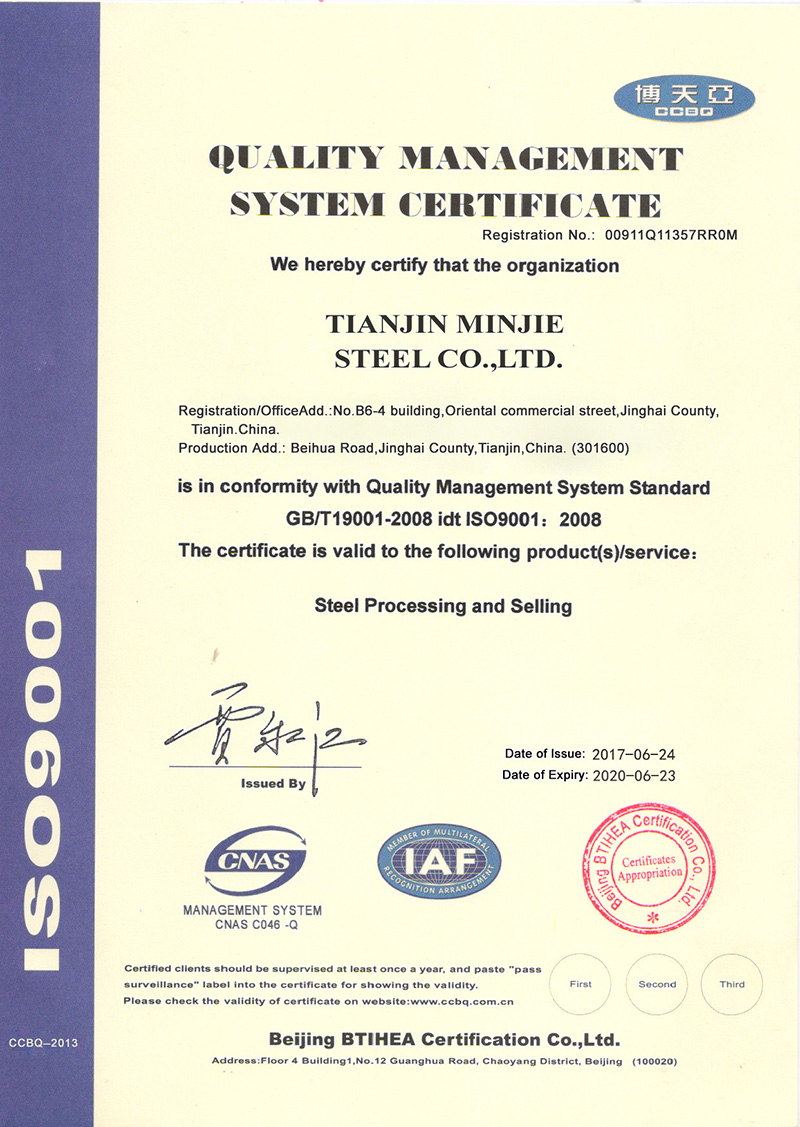
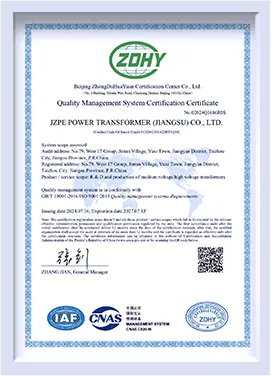
Our infrastructure includes 4 pre-galvanized production lines, 8 ERW steel pipe lines, and 3 hot-dipped galvanized processing lines. Operating under strict conformance to ISO 9001 quality systems, our products easily adapt to international standard criteria, including GB, ASTM, DIN, and JIS protocols.
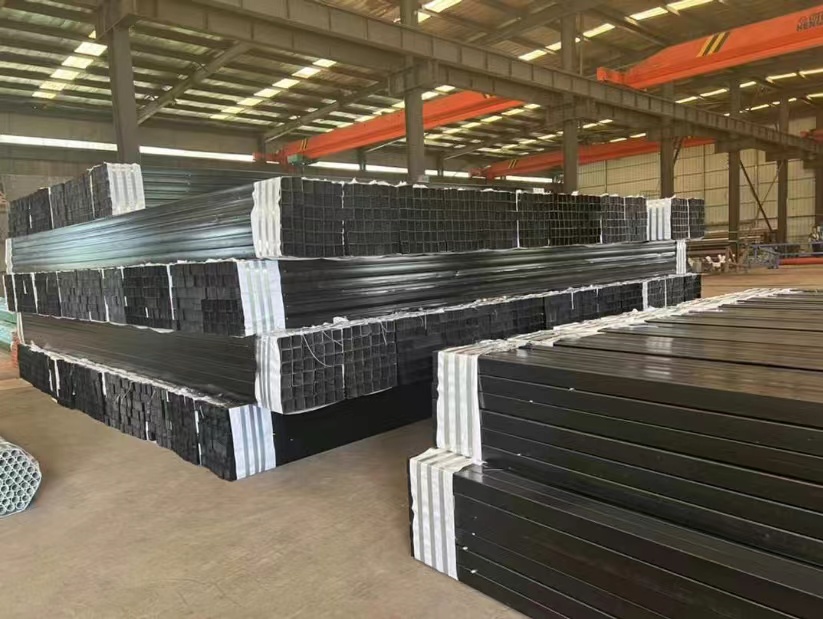
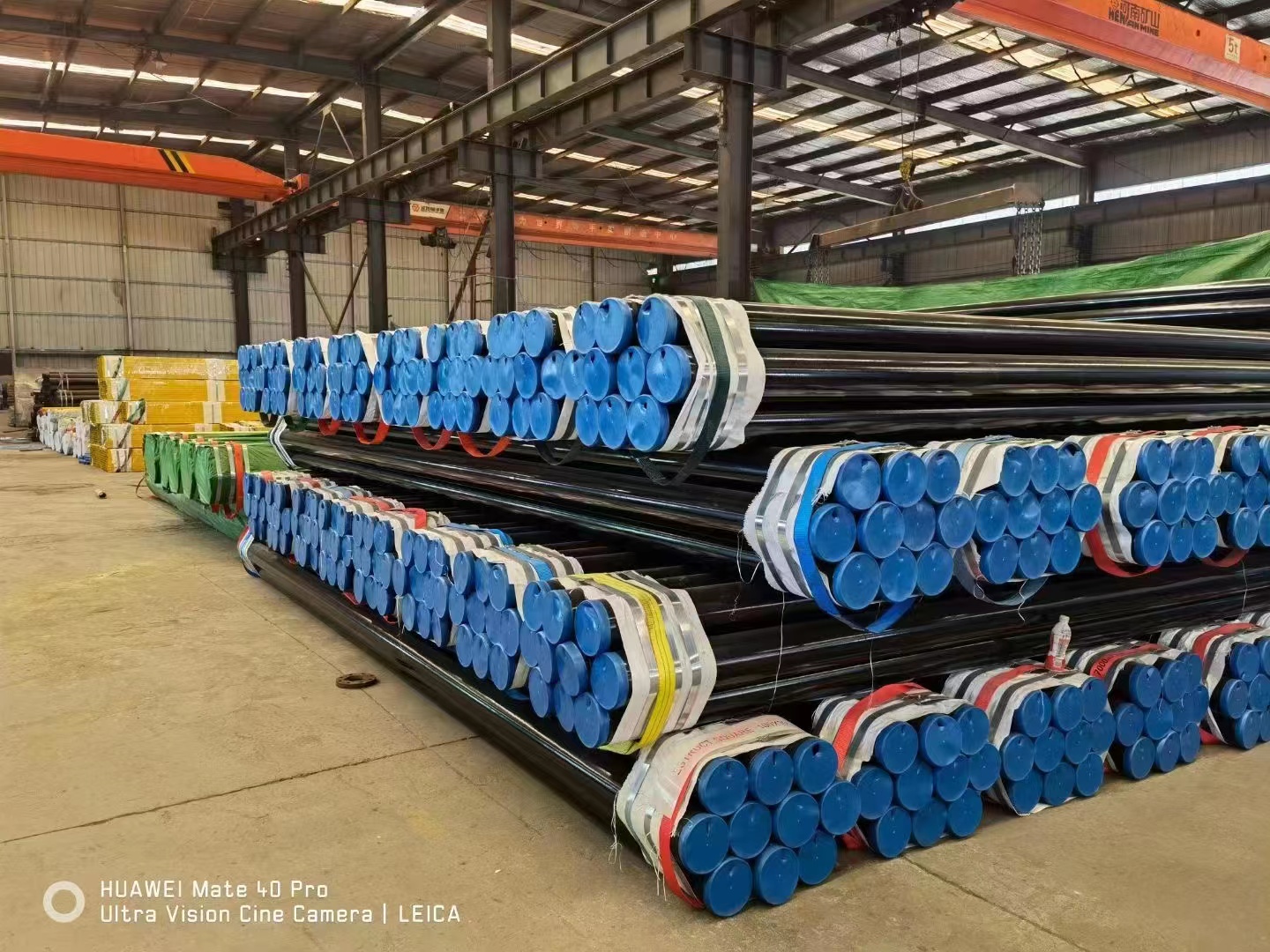
Manufacturing Facility & Certification Showcase

Industry Trends & Future Technology Roadmap

Evolving Safety Dynamics and Material Science Innovations for 2025 and Beyond

Global Market Trends in Fire Piping

The fire protection piping industry is shifting rapidly toward **sustainability, modular design, and enhanced corrosion resistance**. With urban developments scaling higher, building codes require pipe systems that maintain mechanical integrity during seismic activity and withstand decades of static pressure. Prominent shifts include:

  • Transition to Grooved & Shoulder Systems: Traditional welding is slow, hazardous, and costly. Grooved jointing (Victaulic system) decreases installation time by up to 50%, isolates vibration, and accommodates piping expansion.
  • Advanced Coatings & MIC Suppression: Thin-wall schedule 10 pipes require superior internal protection to avoid Microbiologically Influenced Corrosion. Modern coatings incorporate active rust inhibitors and organic barrier polymers.

Localized Application Scenarios

Different installation environments demand custom pipe configurations:

  • High-Rise Commercial Structures: Demand Schedule 40 thick-walled red pipes to support vertical static head pressure, typically combined with high-grade grooved fittings.
  • Sub-Zero Environments (Dry Systems): Dry pipe networks must resist moisture buildup. Galvanized steel pipes coated with red exterior enamel are preferred here.
  • Offshore & Coastal Systems: Marine atmospheres require double-layer corrosion defenses, typically combining internal hot-dip galvanization with robust outer epoxy wraps.

Technology Roadmap for Next-Generation Red Pipes

As an industry pioneer, Minjie is actively developing solutions to tackle long-term maintenance costs. Our research focus is directed at:

  1. Smart-Sensor Embedded Couplings: Working with structural partners to design couplings equipped with pressure sensors to alert building management of micro-leaks.
  2. Zinc-Aluminum-Magnesium Coatings: Migrating traditional hot-dip galvanizing lines toward ZAM alloys, offering up to three times the corrosion protection of standard zinc coatings in humid conditions.
  3. High-strength, Thin-Wall Alloys: Utilizing low-carbon micro-alloyed steel to maintain pressure ratings while reducing the total steel weight, cutting down logistics costs and carbon footprints.

Global Client Footprint & Certifications

Exporting Quality to Over 40 Countries and Regions Globally
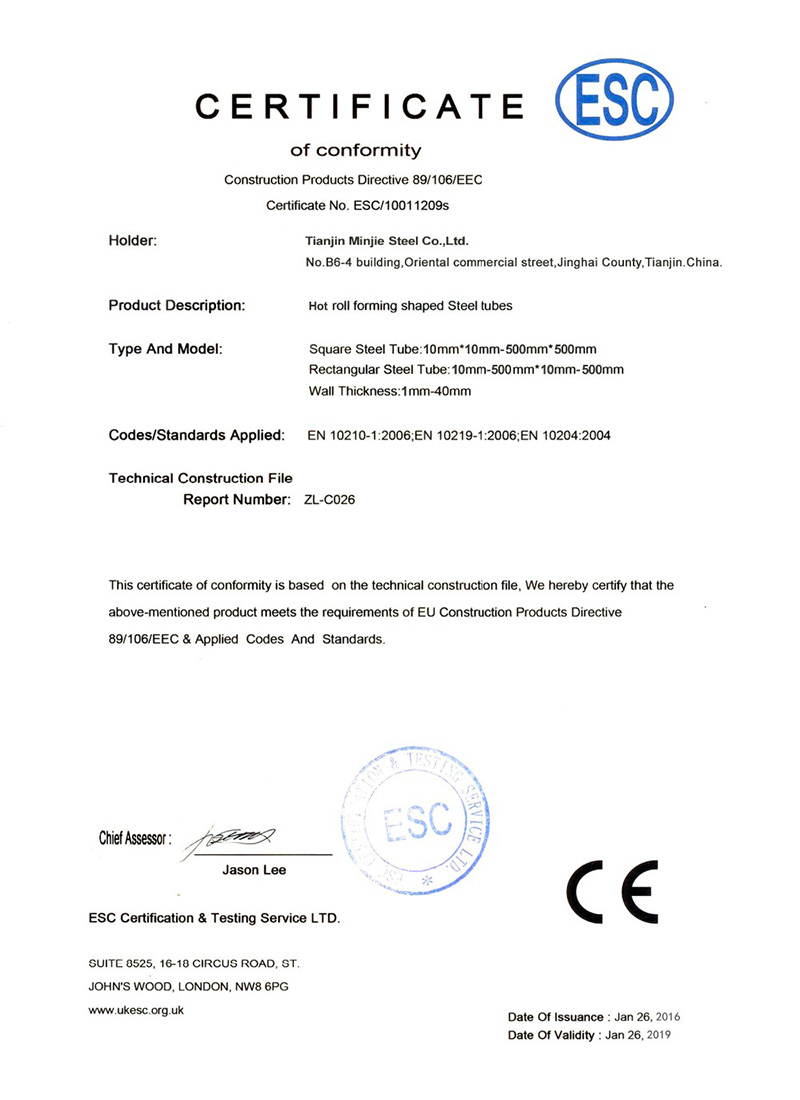
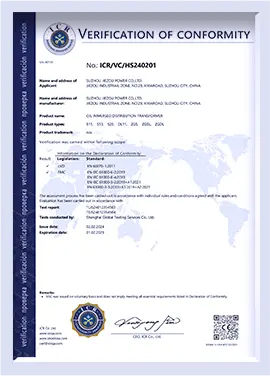
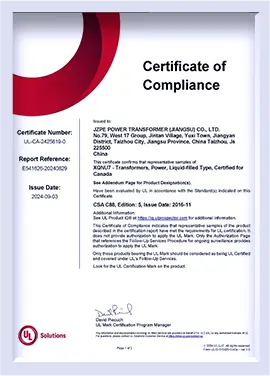
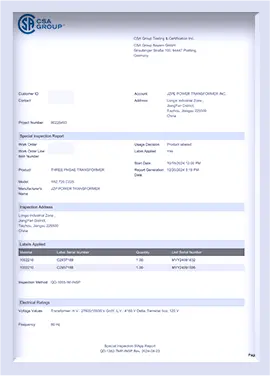
ISO Certification Quality Certificate

Canton Fair Presence

Our team regularly attends the Canton Fair. Over 80% of our new buyers visit our Tianjin manufacturing plant following initial consultations, confirming our processing capabilities and starting long-term relationships.
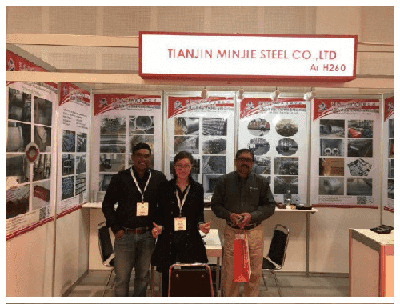
Canton Fair Booth

Macro Piping Solutions for Global Infrastructure

How we help EPC Contractors and Supply Chain Directors reduce cost and risk

Managing large construction projects demands suppliers capable of providing comprehensive systems. Tianjin Minjie offers end-to-end solutions that span from raw coil selection to custom-fabricated components:

Custom Pipe Prefabrication

We provide in-house pipe cutting, threading, end-grooving, and shoulder welding. Shipping ready-to-install pipes saves significant labor on site.

Integrated Logistics

Located near XinGang port, we organize flat-rack and bulk container packaging to guarantee fast delivery times and prevent product shifting during transit.

Complete Steel Material Integration

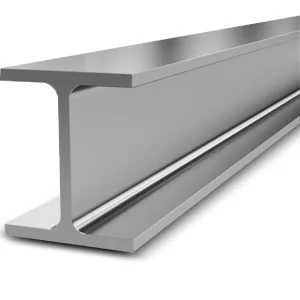
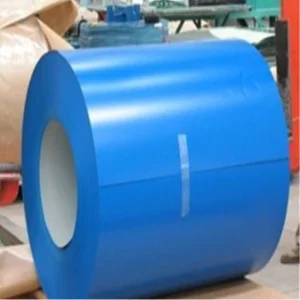
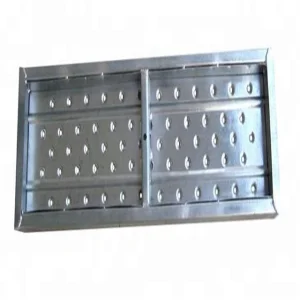
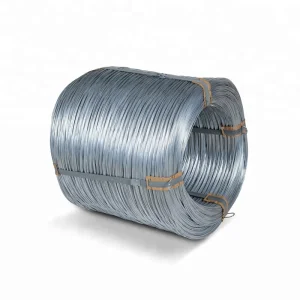
Beyond red pipes, we supply scaffolding components, steel coils, structural angle irons, and H-beams, streamlining procurement through one partner.
Compliance Logo
Certification Seal
Safety Standard
Industrial Seal
Quality Standard

Expert Procurement Q&A (FAQ)

Technical Answers to Critical Fire Protection Piping Questions

Q Why are fire protection pipes typically painted red?
The red paint or coating is a standard safety color indicator for fire suppression systems. It allows maintenance personnel and emergency response teams to quickly differentiate the fire sprinkler and hydrant line from general utilities, clean water lines, gas pipelines, or electrical conduits.
Q What is the difference between ASTM A53 and ASTM A795 pipes?
ASTM A795 is specifically designed for fire protection systems, including detailed corrosion-resistant tests and paint adhesion requirements. ASTM A53 is a general-purpose carbon steel pipe specification. While ASTM A53 Schedule 40 is frequently utilized for fire sprinkler mains, ASTM A795 is preferred for specialized configurations due to its stricter quality controls.
Q What advantages do grooved steel pipes offer over threaded or welded installations?
Grooved steel piping systems use a mechanical coupling that fits into standard cut or rolled grooves on the pipe ends. They eliminate the open-flame hazards of welding and thread-cutting, allow for minor pipe deflection in earthquake-prone zones, and speed up building assembly.
Q How does Tianjin Minjie ensure inner-diameter corrosion protection in red pipes?
We offer multiple internal treatment configurations. For high-humidity applications, we utilize pre-galvanized or hot-dip galvanized steel with a red epoxy exterior coating. This approach prevents oxidation internally and provides external protection against environmental exposure.
Q Does Tianjin Minjie support custom dimensions and fabrication?
Yes, our processing lines can accommodate customized lengths, wall thicknesses, and connection ends. We fabricate grooved, shoulder, and victaulic connections according to ISO 9001 and standard specifications.