Engineered to meet international quality baselines, delivering durability across residential, commercial, and heavy industrial architectures.
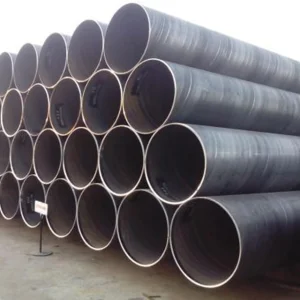
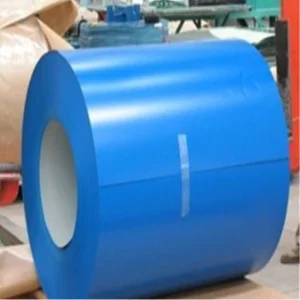
The global industrial construction sector is undergoing a paradigm shift towards high-durability, energy-efficient, and easily deployable building materials. Metal roofing sheets—comprising Galvanized (GI), Galvalume (GL), Prepainted Galvanized (PPGI), and Prepainted Galvalume (PPGL) steel—have established themselves as the benchmark for structural envelopes. This evolution is driven by the material's structural performance, wind resistance, and low lifecycle maintenance cost compared to traditional clay tiles or asphalt membranes.
In modern industrial applications, engineers and specifiers demand precise architectural profiles that provide high Solar Reflectance Index (SRI) ratings, superior structural loads, and exceptional corrosion resistance. In climates characterized by extreme chemical exposure, intense UV radiation, or coastal salinity, the metallurgical specification of the roofing sheet determines the lifespan of the entire asset. The transition to advanced alloy coatings is a key trend in minimizing commercial building maintenance costs over 30- to 50-year design cycles.
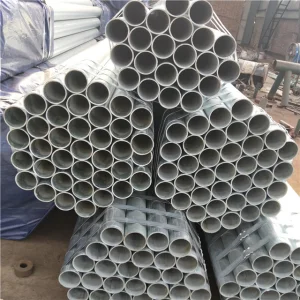
Our prepainted and galvanized products conform strictly to international baselines, including ASTM A653 (galvanized steel sheets), EN 10346 (continuously hot-dip coated steel flat products), and JIS G3302. Zinc coating weights are customizable from Z100 to Z275 (275 g/m²), offering targeted marine-grade rust protection.
Our PPGI utilizes multi-layered protective coatings: a base cold-rolled steel core, a hot-dipped metallic coating, an chemical conversion treatment, an epoxy primer layer (5-10µm), and a durable top coat (PE, SMP, HDP, or PVDF) measuring 15-35µm to defend against atmospheric oxidation and UV-induced chalking.
Pioneering the industrial steel export market with high-volume, precision manufacturing capabilities.
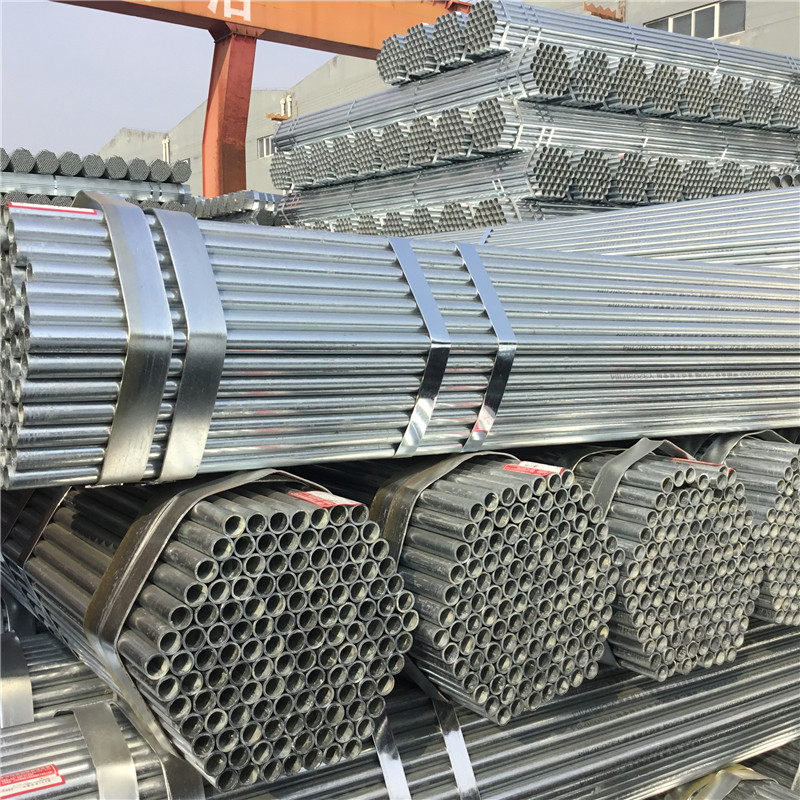
Figure 1: Tianjin Minjie Steel primary metal processing workshop infrastructure.
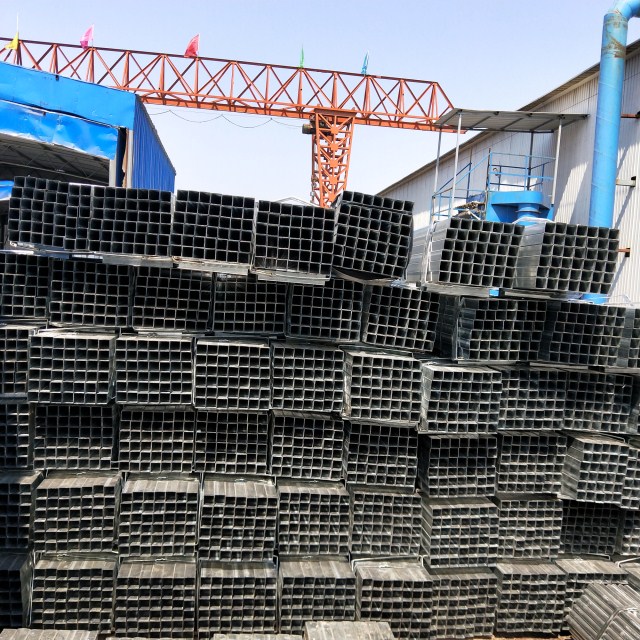
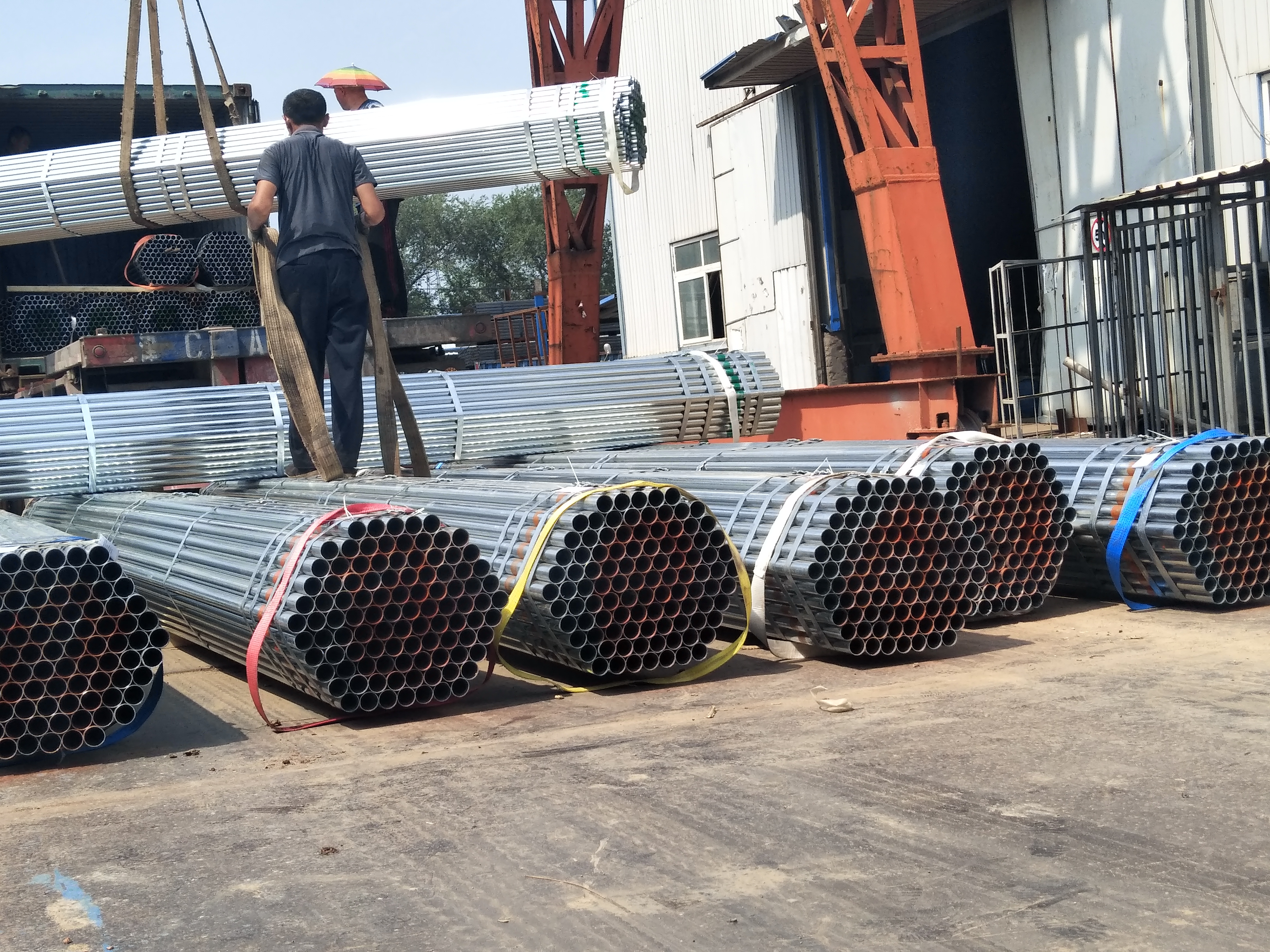
Located in the industrial heart of Tianjin, our production facility features modern rolling mill stands, processing equipment, and specialized testing laboratories. The facility comprises 4 high-speed pre-galvanized product lines, 8 ERW steel pipe lines, and 3 hot-dipped galvanized processing lines. This manufacturing footprint enables seamless processing from raw hot-rolled substrate to hot-dip galvanizing, and profile shaping.
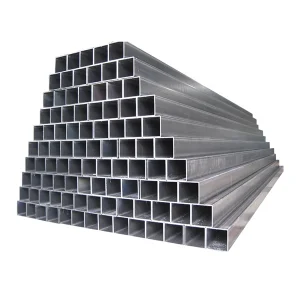
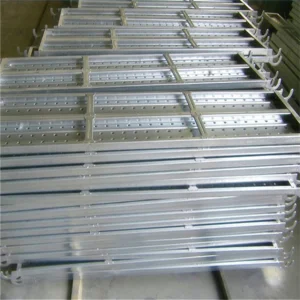
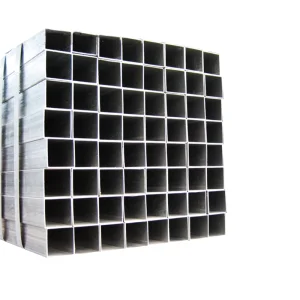
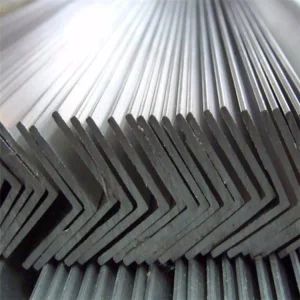
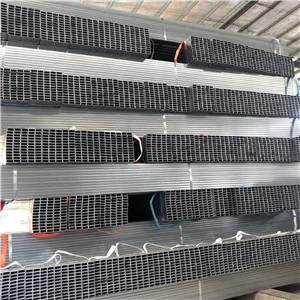
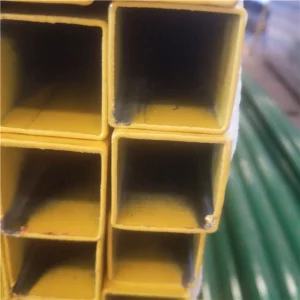
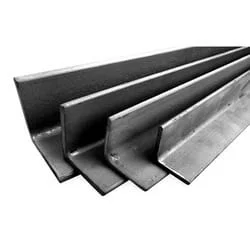
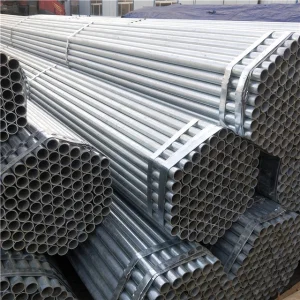
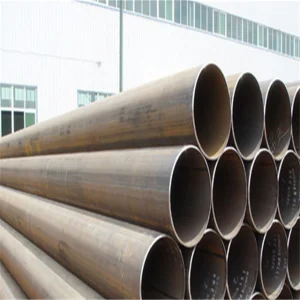
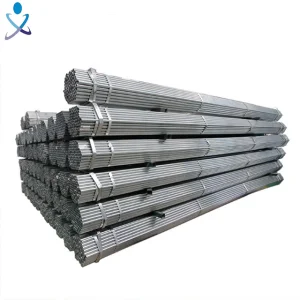
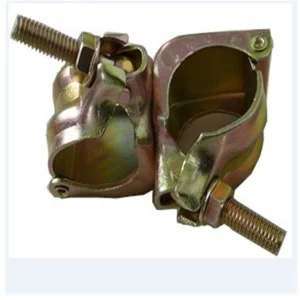
Our core steel supply chain products include color-coated coils (PPGI), galvanized steel sheets, structural rectangular/square tubes, scaffolding pipes, walk boards, and structural angles. We are ISO 9001 quality system certified, guaranteeing strict process parameter control from coil feeding to precision leveling, profile cutting, and bundle packing.
Additionally, we invest in structural steel R&D. We have developed and registered 3 national patents for innovative steel connection components: groove pipes, shoulder pipes, and victaulic pipe joints, demonstrating our design authority in structural fluid and mechanical framing components.
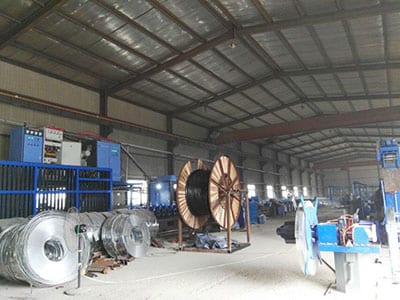
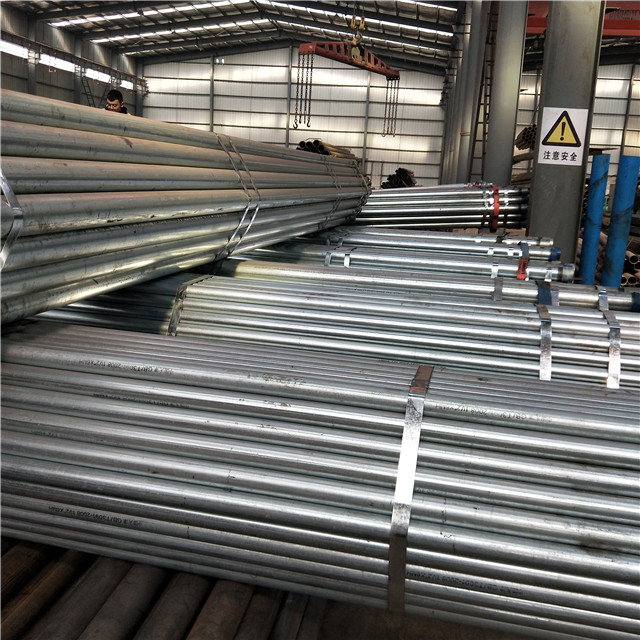
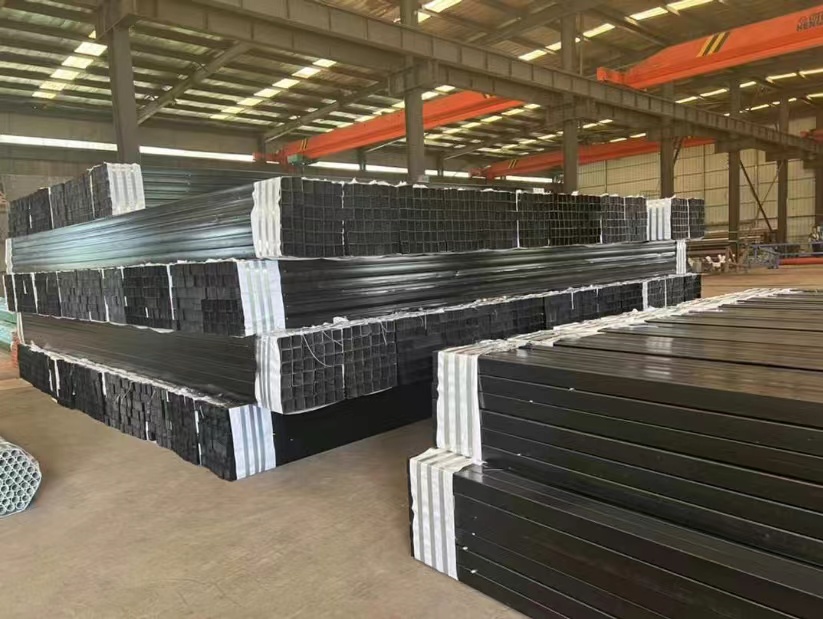
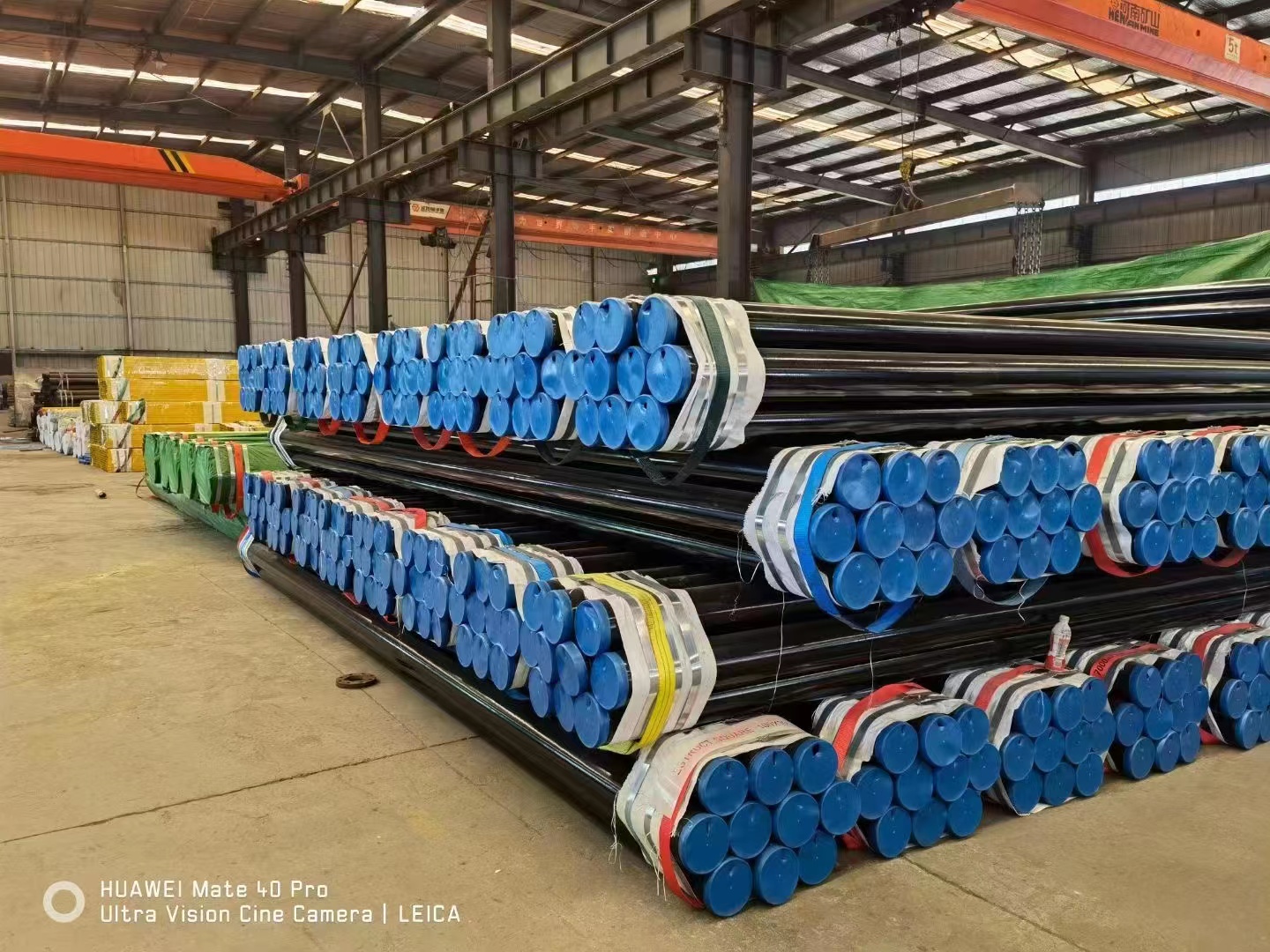
Choosing a manufacturer in the major northern China metallurgical belt provides structural cost and logistics benefits that directly translate to project cost savings. Located 40 kilometers from the Port of Tianjin (Xingang), the largest seaport in Northern China, Tianjin Minjie Steel enjoys direct shipping access to global maritime routes. This reduces inland freight costs, minimizes double handling risks, and shortens transit times for international projects.
Northern China's industrial clustering brings together raw material sourcing, rolling mills, chemical passivation processing, and component fabrication in one hub. This integration buffers production cycles against raw substrate shortages. We maintain bulk procurement contracts with major domestic steel suppliers, securing priority allocations even during market fluctuations.
Additionally, our production flexibility supports customized, project-specific solutions. Our design and logistics teams utilize advanced tracking networks to keep cargo and documents synchronized, ensuring smooth custom clearances and cargo transfers at port terminals.
Tailored structural properties and organic paint chemistry optimized for regional weather challenges.
Regions in Southeast Asia and equatorial Africa present severe degradation risks due to high ambient UV exposure combined with humidity. Standard polyester (PE) topcoats can experience accelerated degradation under these conditions.
Solution: We engineer roofing systems with High-Durability Polyester (HDP) or Polyvinylidene Fluoride (PVDF) top coatings on a structural Z200 galvanized base. The high-strength molecular bonds of PVDF resin resist UV-induced chemical breakdown, preventing chalking and color fade for up to 20 years.
Coastal environments within 5 km of seawater exposure are subjected to continuous windborne chloride ions, accelerating electrochemical galvanic corrosion of exposed steel surfaces.
Solution: We deploy thick zinc coating weights (Z275/AZ150) paired with an optimized polyurethane-polyamide coating structure. This composite barrier prevents chloride ion penetration to the substrate steel, extending structural design lifespans in marine environments.
Chemical processing complexes and power plants release sulfur dioxide (SO₂), ammonia (NH₃), and acidic fumes that form corrosive chemical solutions on roofing surfaces.
Solution: We apply chemical-barrier coatings on structural Galvalume substrates. This dual barrier protection combines the sacrificial protection of zinc with the chemical shielding of aluminum, offering reliable performance under aggressive chemical exposure.
Innovation in coating chemistry, environmental stewardship, and building integration.
The next generation of corrosion protection focuses on ternary alloy coatings containing Zinc, Aluminum, and Magnesium. The addition of magnesium (typically 1.5% to 3%) facilitates the formation of a highly dense, crystalline protection layer over cut edges and micro-cracks.
This self-healing chemical layer prevents oxidation on exposed edges, eliminating the need for post-processing edge sealing. Transitioning to ZAM coatings allows for thinner coating layers to achieve equivalent or superior protection compared to traditional hot-dip galvanizing, reducing material footprints.
With corporate carbon targets driving procurement decisions, the demand for low-carbon steel is increasing. We are working with upstream suppliers to integrate scrap recovery programs and hydrogen-reduced steel billets into our supply chain. Our green initiative aims to reduce carbon emissions per ton of product, helping developers meet LEED and BREEAM building certifications.
Modern industrial roofs are transition areas for clean energy generation. Traditional PV systems require drilling mounting brackets through metal sheets, creating potential water ingress paths.
Our future development targets the integration of solar panels directly onto structural standing seam profiles. By using high-strength adhesives and specialized locking mechanisms, thin-film solar modules are mounted directly onto the panel seams, maintaining the weatherproofing integrity of the roofing envelope while generating renewable energy.
Exporting verified quality to diverse regulatory environments across Europe, Asia, and the Americas.
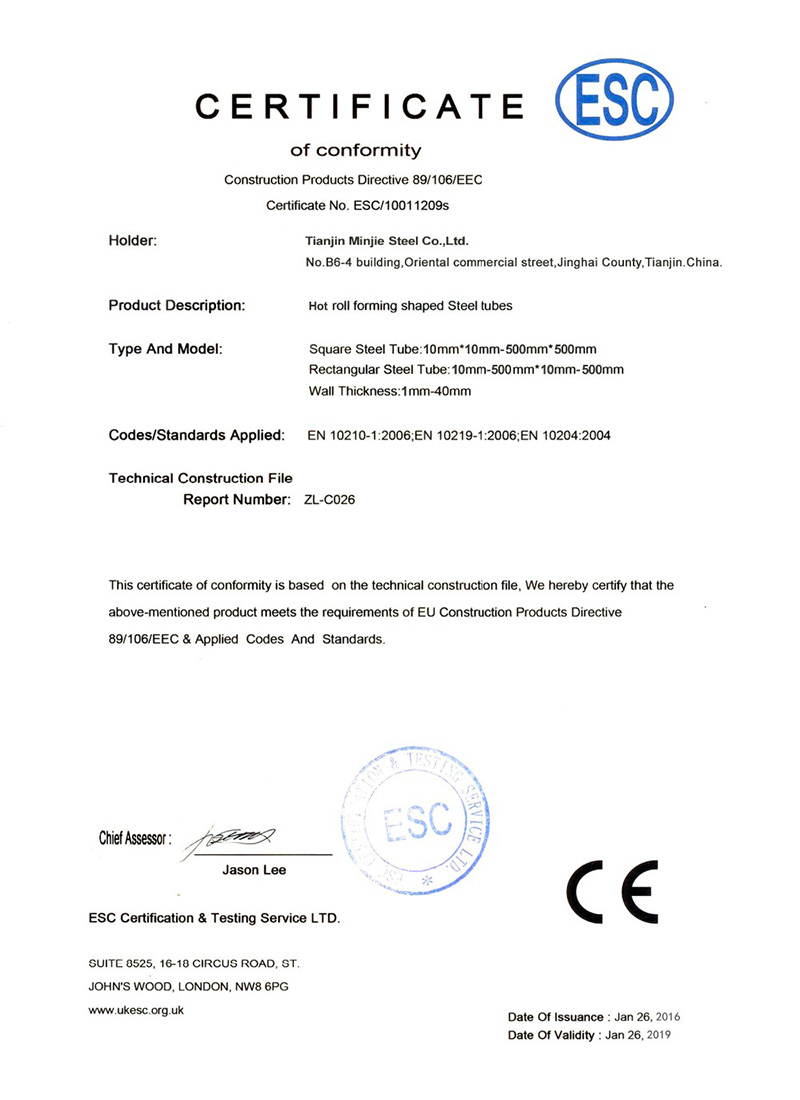
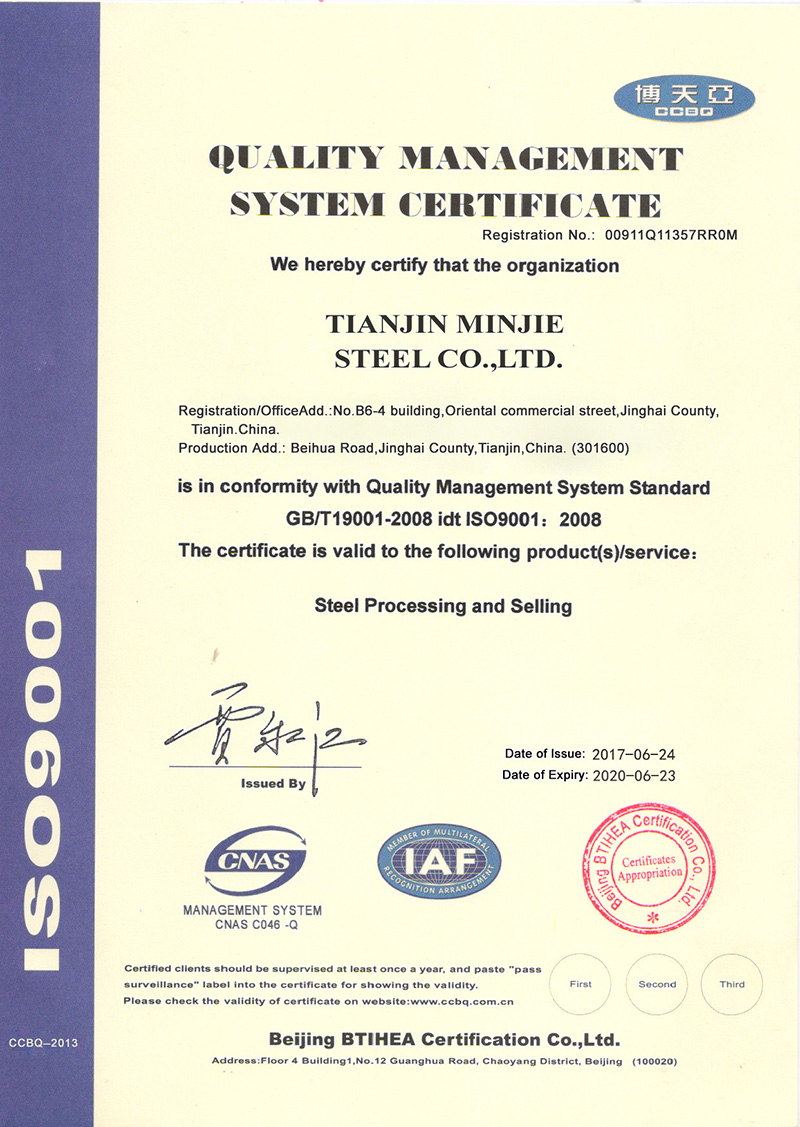
Tianjin Minjie Steel products are verified under global certification standards. We manage production variables to ensure compliance with strict mechanical and chemical composition standards. The factory operations conform to ISO 9001 Quality Certification standards, ensuring high quality control from raw materials to final packaging.
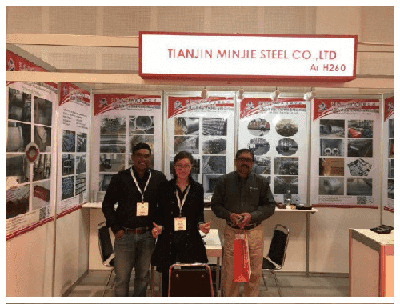
We focus on client service and long-term partnerships. Every year, we participate in international exhibitions such as the Canton Fair, meeting with engineers, buyers, and distributors to build strong relationships.
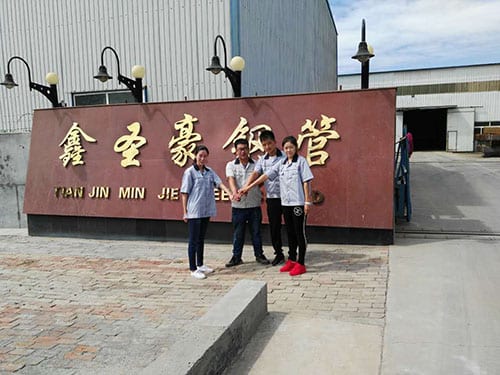
Over 80% of our new clients visit our facilities in Tianjin, allowing them to verify our production capacity and quality control processes firsthand.
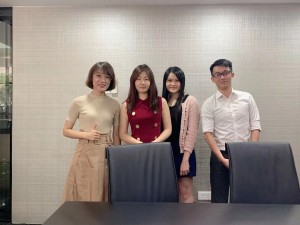
In September 2019, our team visited clients in Singapore to secure supply contracts for high-spec building components and structural supports.
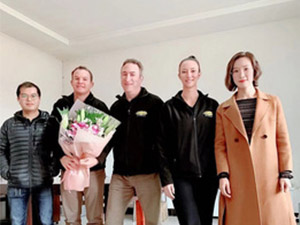
A long-term Australian client visited our factory in November 2018 to audit our coating weight consistency and testing facilities.
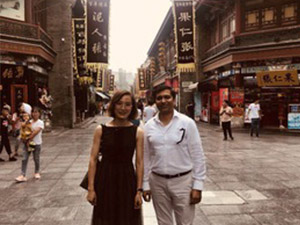
In June 2017, a delegation from Lebanon signed an initial order for 1,000 tons of structural steel pipes and profiles after verifying our welding line tolerances.
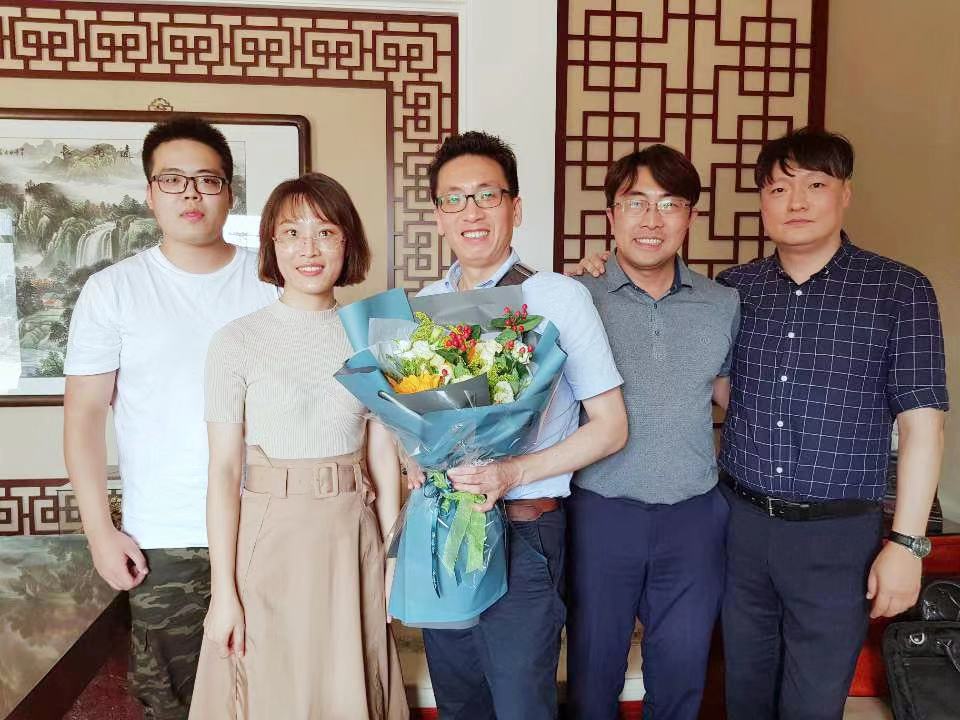
A Korean customer visited in 2019 with custom design drawings, starting a collaborative manufacturing partnership.

An Indian engineering firm audited several manufacturers and selected Tianjin Minjie, signing a recurring supply agreement.
Following the 2018 Canton Fair, a Saudi buyer visited our facilities to finalize structural materials for high-temperature applications.
Every project has unique local building codes, structural wind loads, and regulatory requirements. Our engineering team provides support from project design through delivery, ensuring code compliance and structural integrity.
We provide structural and chemical certifications for every shipment, including material test certificates (MTC) to EN 10204 3.1, coating thickness reports, and load test calculations. These documents assist engineers and inspectors in meeting local compliance requirements.
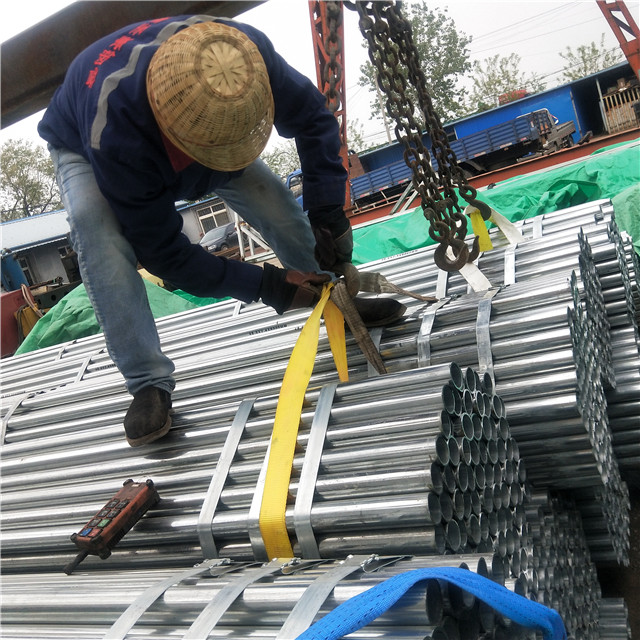
Additionally, our shipping preparation is designed to protect your materials. We utilize sea-worthy packaging, plastic linings, and desiccant bags to prevent moisture damage and oxidation during sea transit, ensuring materials arrive ready for installation.
Answers to frequent engineering and procurement queries regarding material specifications.
Complete structural steel solutions to support roof framing, structural loading, and industrial project setups.
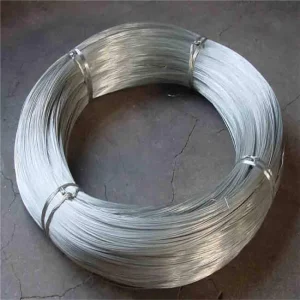
 Minjie Steel