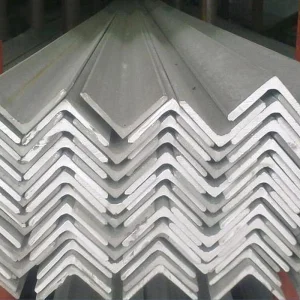
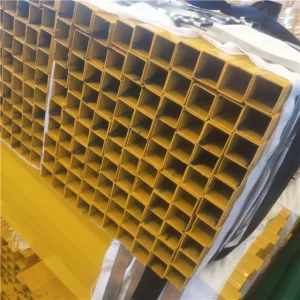
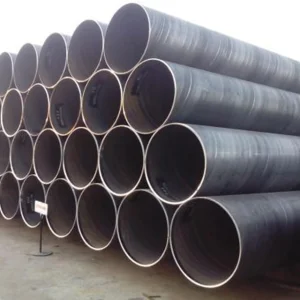
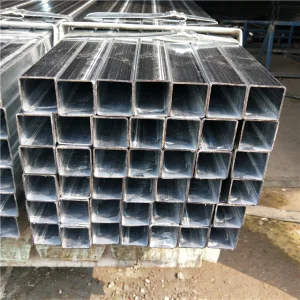
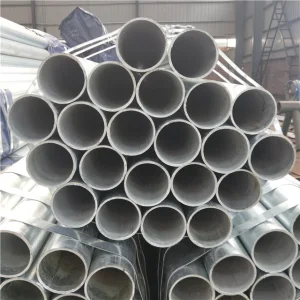
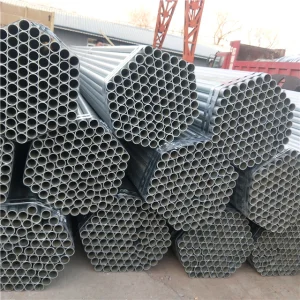
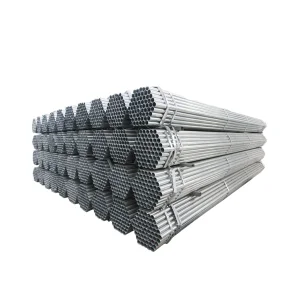
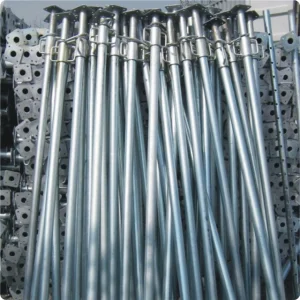
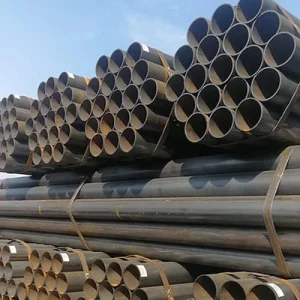
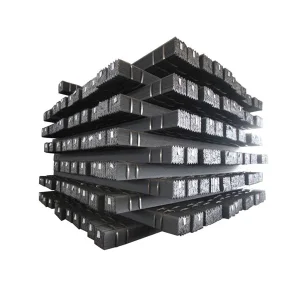
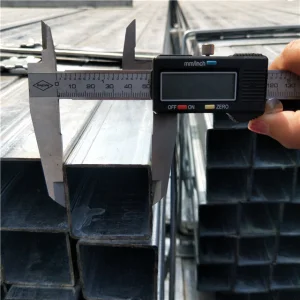
Precision-machined structural and system components designed for extreme environments
Established in 1998, Tianjin Minjie Steel Co., Ltd. has grown to become a benchmark manufacturer and exporter of structural steel and advanced scaffolding systems. Spanning over an expansive footprint of 70,000 square meters, our facilities are strategically located just 40 kilometers from XinGang Port—the largest and most active logistics hub in Northern China. This prime location guarantees rapid, cost-optimized transport lines to global industrial markets.
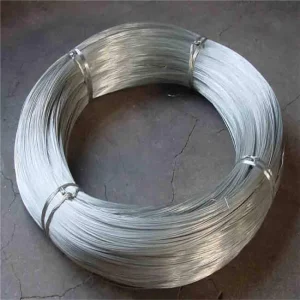
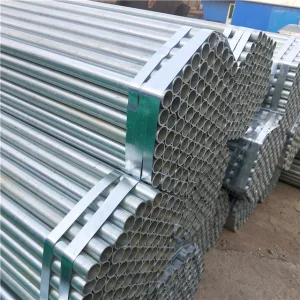
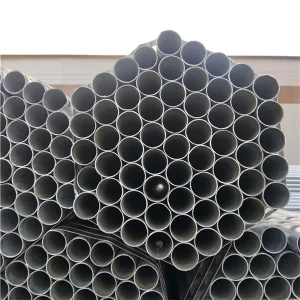
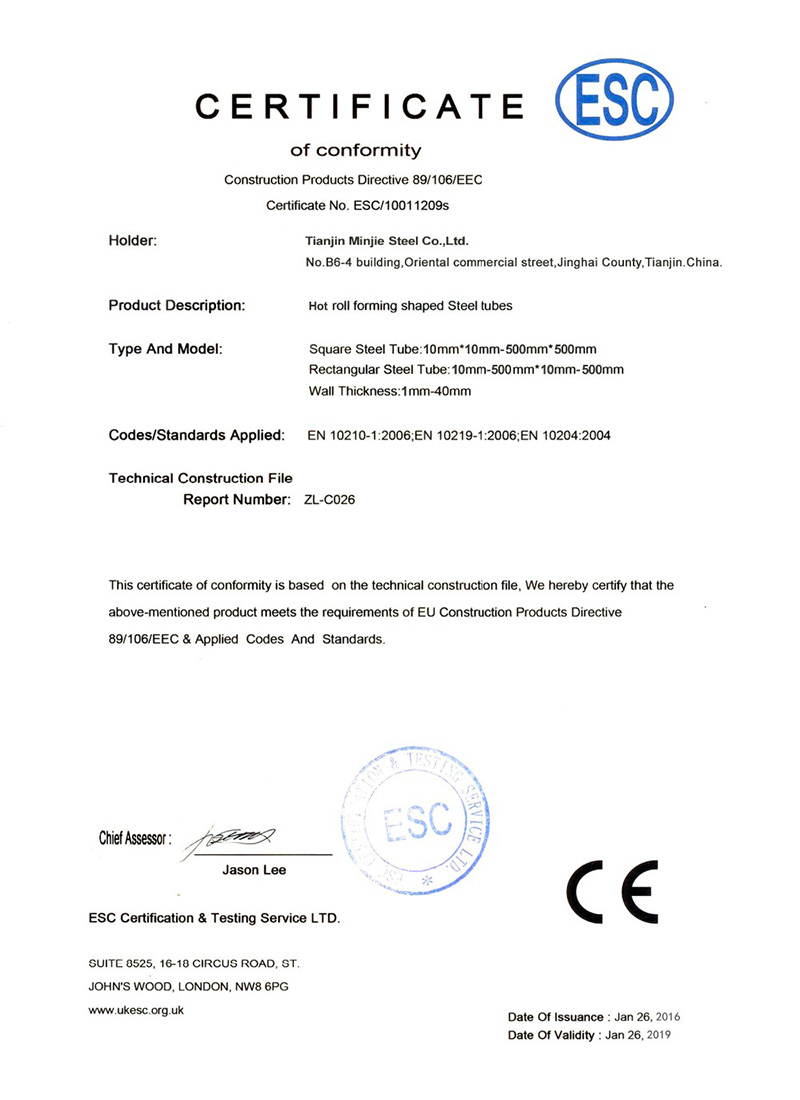
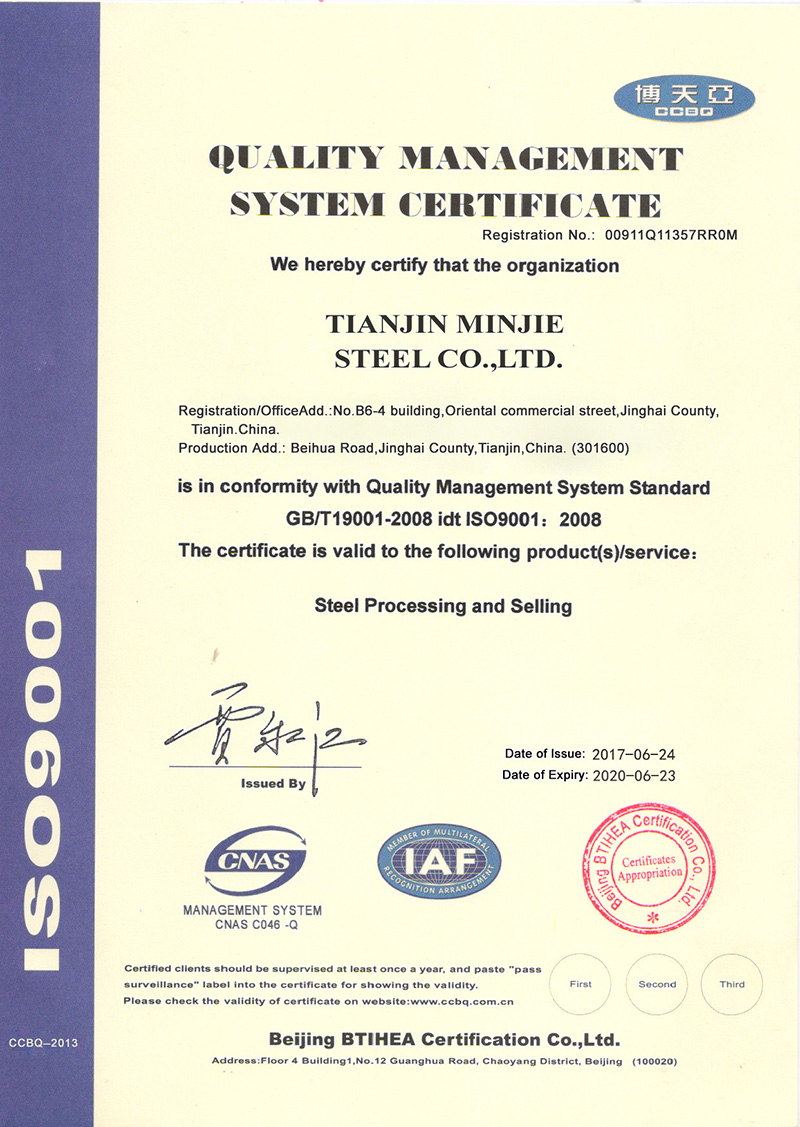
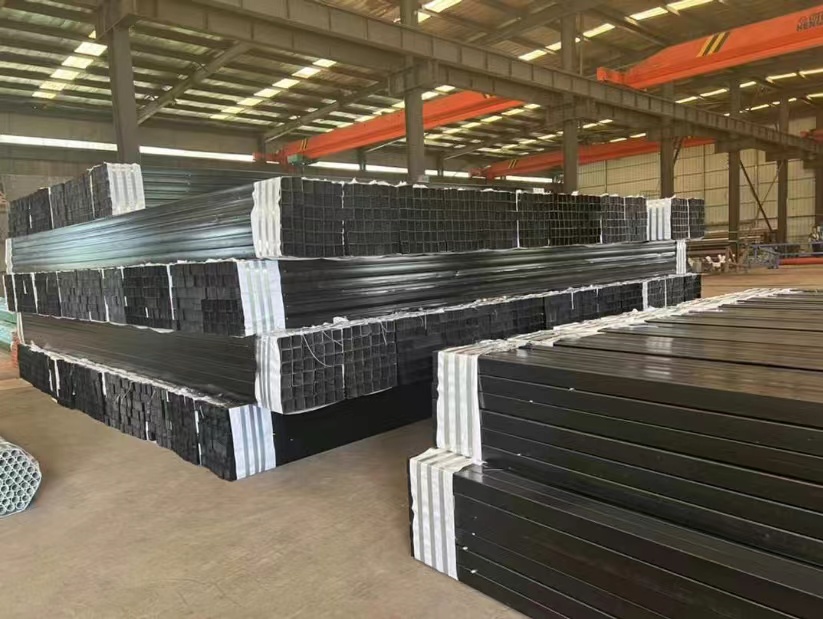
Our advanced production infrastructure features 4 state-of-the-art pre-galvanized line complexes, 8 high-speed ERW steel pipe units, and 3 specialized hot-dipped galvanized line systems. Designed to align strictly with international quality metrics, our materials comply fully with GB, ASTM, DIN, and JIS protocols, underpinned by robust ISO 9001 certifications. Additionally, our R&D focus is validated by 3 distinct utility patents covering groove pipe, shoulder pipe, and Victaulic pipe configurations.
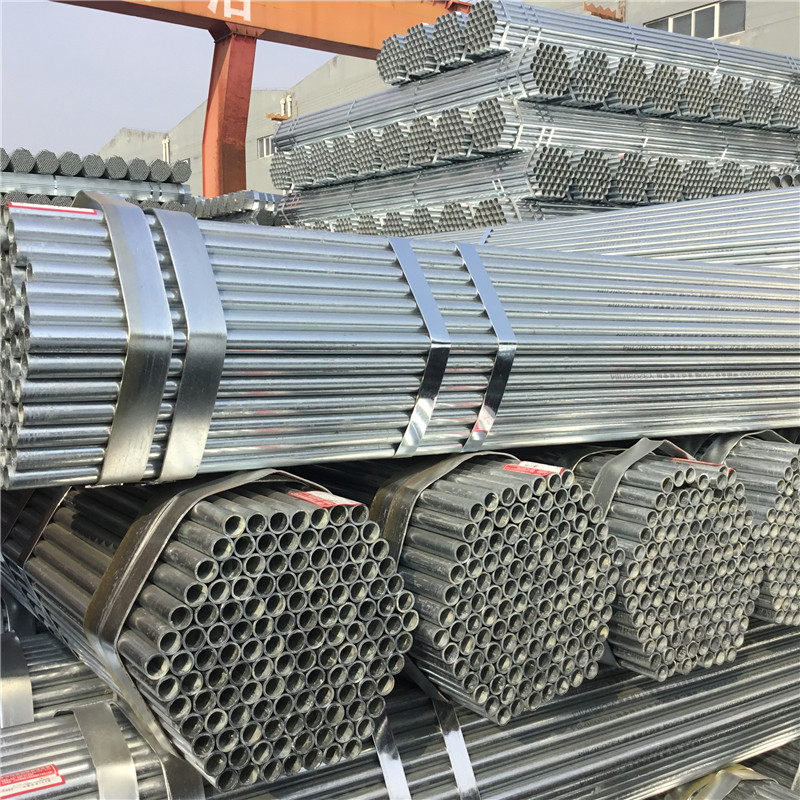
Why global engineering firms prioritize Chinese manufacturing for aluminum structural systems.
Top-tier Chinese factories utilize prime structural aluminum alloys like 6061-T6 and 6082-T6. These alloys undergo targeted tempering processes to maximize tensile yield strength up to 290 MPa, matching structural steel capacities at just one-third of the deadweight.
Advanced fabrication yards employ automated multi-axis welding robots. This ensures uniform joint penetration, eliminates micro-fissures in ringlock ledgers, and standardizes weld strength across high-volume production batches.
Through specialized anodization techniques, aluminum scaffolding profiles develop a protective oxide film (typically 15-25 microns thick). This layer resists aggressive offshore, chemical, and industrial environments without requiring paint coatings.
A detailed look at physical characteristics and project operational savings
| Performance Parameter | Aluminium Scaffolding (6082-T6 / 6061-T6) | Hot-Dip Galvanized Steel Scaffolding (Q345 / Q235) | Operational Engineering Impact |
|---|---|---|---|
| Material Density | ~2.7 g/cm³ | ~7.85 g/cm³ | 65% weight reduction; significantly reduces structural foundation loads. |
| Ultimate Tensile Strength | 290 - 310 MPa | 370 - 500 MPa | Steel supports heavier static loads, while Aluminum maximizes ease of manual handling. |
| Corrosion Resistance | Natural self-healing oxide layer; highly resistant to acid/marine air. | Dependent on zinc coating thickness (typically 80-120 µm). | Aluminium offers longer lifespan in high-moisture/chemical zones without maintenance. |
| Erection Efficiency | Very High (Fast manual handling, minimal crew sizes). | Moderate (Requires cranes or multiple crew members). | Aluminium reduces field labor costs by 40-50%. |
| Scrap & Salvage Value | High residual material value (typically 40-50% of raw material cost). | Low-to-moderate scrap value. | Better lifecycle ROI for leasing firms and EPC contractors. |
The global construction sector is rapidly moving toward carbon neutrality and advanced safety standards. In this environment, lightweight aluminum scaffolding has shifted from a premium option to a mandatory industry standard in regions like Europe, North America, and parts of the Middle East.
For instance, safety regulations like EN 1004 (for mobile access towers) and OSHA 1926.451 enforce strict structural load ratings. This framework naturally favors aluminum systems due to their precise manufacturing tolerances and predictable material behavior under high stress.
Additionally, the clean profile of aluminum is essential for cleanroom construction, food processing facility maintenance, and semiconductor plants, where zinc flaking or rust from galvanized steel would compromise production environments.
Minjie Group's products are widely trusted by EPC contractors and distributors around the world
In September 2019, our delegation traveled to Singapore to inspect onsite applications of our materials. The visit reinforced our ties with local commercial construction leaders, who praised our strict quality control.
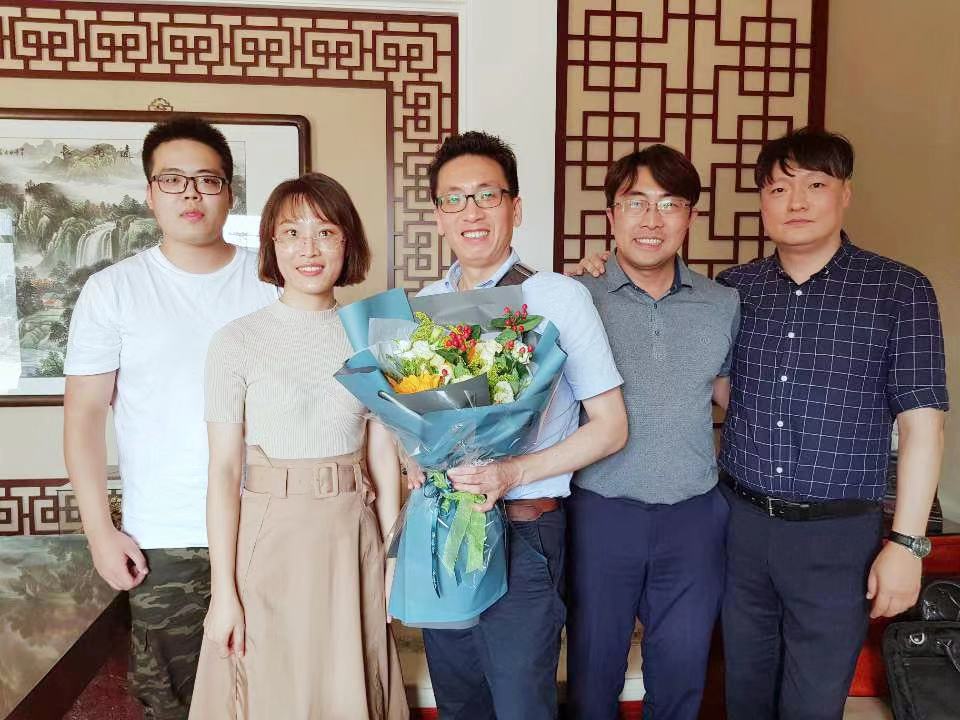
In 2019, key structural engineering clients from South Korea visited our production lines. They brought custom fabrication designs, establishing a long-term supply agreement for specialized industrial structures.
A major Australian scaffolding distributor visited our factory in November 2018. This audit confirmed our output capabilities and ensured compliance with AS/NZS standards for regional distribution.
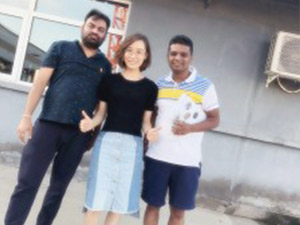
In 2019, our team hosted industrial buyers from India. Following standard material testing, they finalized a long-term contract for 10 structural container units per month.
During a mid-2017 facility audit, a major Lebanese contractor signed an immediate order for 1,000 metric tons of structural products to support rebuilding efforts.
Following a connection at the Canton Fair, our Saudi partner visited our plant in 2018. This meeting launched a reliable, long-term supply agreement for large-scale energy sector infrastructure.
Our production lines operate under strict ISO 9001:2015 Quality Management protocols. Every structural batch, whether aluminum scaffolding or galvanized steel tube, undergoes rigorous testing for tensile yield, weld integrity, and coating thickness before dispatch.
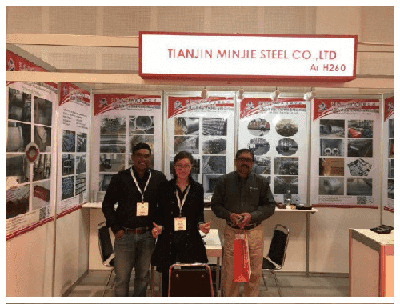
Each year, Tianjin Minjie Steel showcases its latest structural innovations at the Canton Fair. This face-to-face venue allows global clients to inspect our material samples firsthand. Typically, over 80% of our new clients schedule a follow-up visit to our factory in Tianjin, leading to long-term manufacturing partnerships built on transparency and trust.
Key engineering and logistics questions for procurement managers and project planners
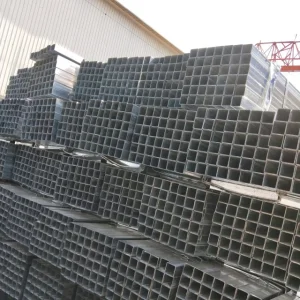
Heavy-duty structural sections, pipes, and scaffolding accessories for global logistics
 Minjie Steel