Premium Product Inventory
Technical White Paper
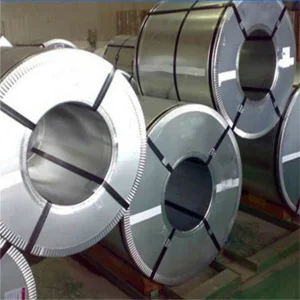
In high-capacity industrial manufacturing and structural engineering, material cost optimization represents the boundary line between thin profit margins and strong market competitiveness. This financial reality has triggered a structural shift toward utilizing Secondary Galvanized Steel Coils (often referred to as prime-excess, mill-surplus, or secondary-grade coils). However, navigating this sector requires a sophisticated understanding of metallurgical specifications, grading systems, and origin control to maintain safety standards.
Contrary to standard scrap classification, secondary galvanized steel coils are not spent materials. They represent industrial-grade steel coils produced by top-tier metallurgical mills that deviate slightly from strict premium (Prime A) order criteria. These deviations typically include minor surface blemishes, mild thickness fluctuations (+/- 0.05mm beyond contract values), edge waves, or over-production runs (mill surplus). For sectors where absolute aesthetic perfection is secondary to mechanical strength, these coils present a high-performance, cost-effective alternative.
At Tianjin Minjie Steel Co., Ltd, we have built a multi-decade supply ecosystem around matching these prime-excess materials with global projects in construction, solar mounting, agricultural architecture, and secondary steel processing. By leveraging our proximity to Tianjin Xingang Port (Northern China's largest logistical port), we bridge the gap between heavy industrial overproduction and highly localized global applications.
We systematically categorize secondary coils based on coating consistency, edge condition, and flatness, ensuring transparency in engineering specifications.
Procuring secondary steel coils from certified manufacturers offers substantial cost relief compared to prime orders, improving budget allocation.
Repurposing mill-excess products prevents energy-intensive recycling steps, supporting global scope-3 green emission mandates.
Global Procurement Dynamics
The global steel purchasing paradigm has transformed due to trade tariffs, localized manufacturing policies, and inflationary pressures. Modern buyers—ranging from Latin American construction consortiums to Southeast Asian HVAC system fabricators—are moving away from rigid "prime-only" requirements when manufacturing secondary elements like cable trays, framing channels, drywall studs, and agricultural panels. Instead, they seek reliable supply channels from established Chinese steel groups to secure massive batches of secondary galvanized coils at stable pricing points.
The core challenge for purchasing managers is ensuring consistency. Secondary coils require meticulous quality inspection reports. Without proper verification, issues like "white rust" (caused by moisture exposure during shipping) or excessive edge slivers can disrupt automated slitting and roll-forming operations. Reliable exporters prevent this by providing detailed photos of the coils, edge-trimming options, and secure packaging configurations before ocean shipping.
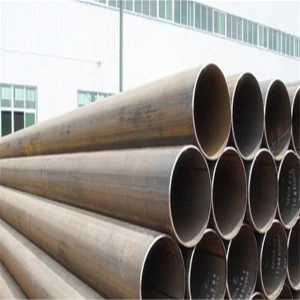
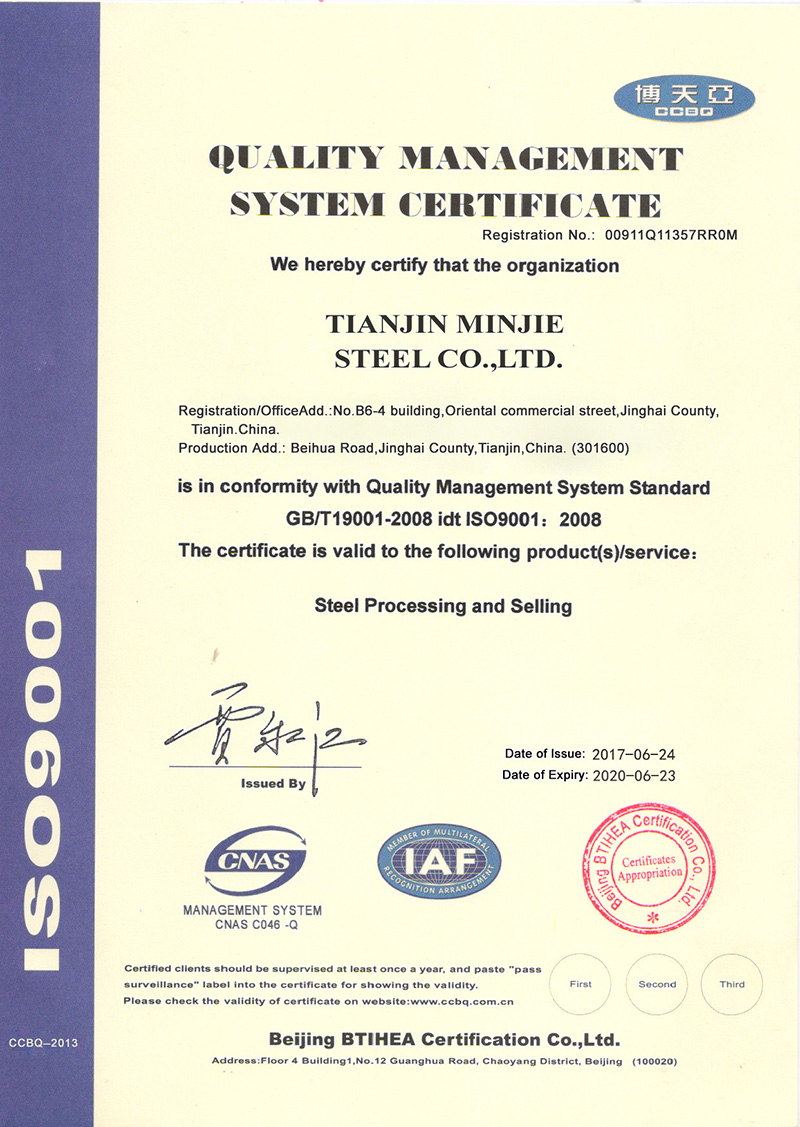
Tianjin Minjie Steel Group stands at the center of northern China's industrial automation hub. Spanning over 70,000 square meters, our facilities are equipped with 4 specialized pre-galvanizing production lines, 8 high-speed ERW steel pipe lines, and 3 advanced hot-dip galvanizing process lines, operating under strict ISO 9001:2015 quality certification controls.
By integrating real-time automated tracking with smart logistics, we coordinate output directly with Xingang Port (only 40 kilometers away). This enables swift clearing, custom container layout design, and minimizes transit oxidation risks for secondary materials.
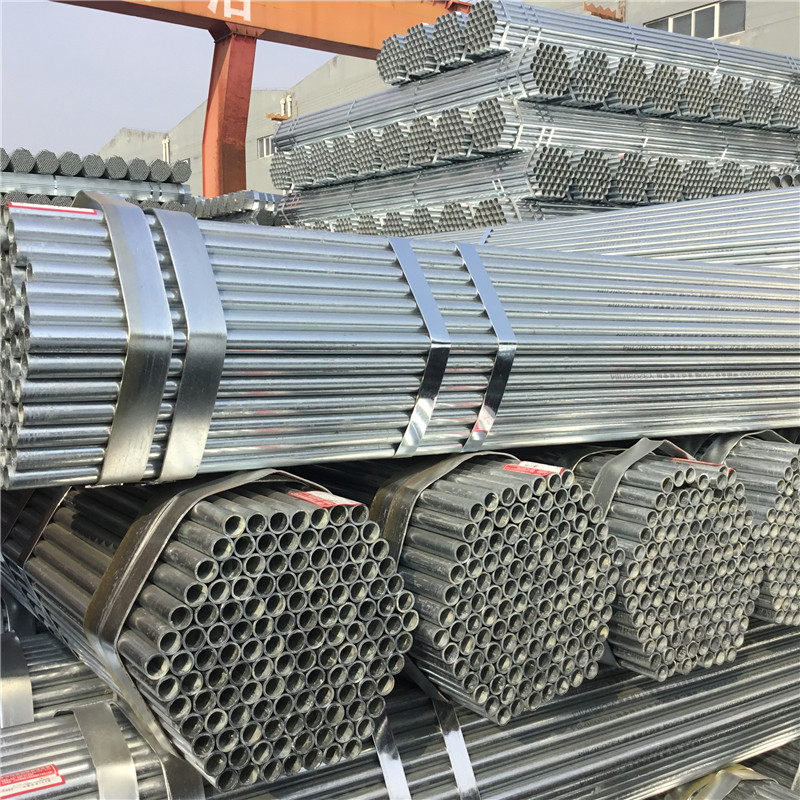
Proven International Authority
Expertise and reliability are demonstrated through decades of successful international cooperation. We regular showcase our manufacturing standards and logistics capabilities directly to global clients, building trust in our steel sourcing process.
In September 2019, our team traveled to Singapore to consult with urban development clients, establishing supply contracts for structural galvanized components.
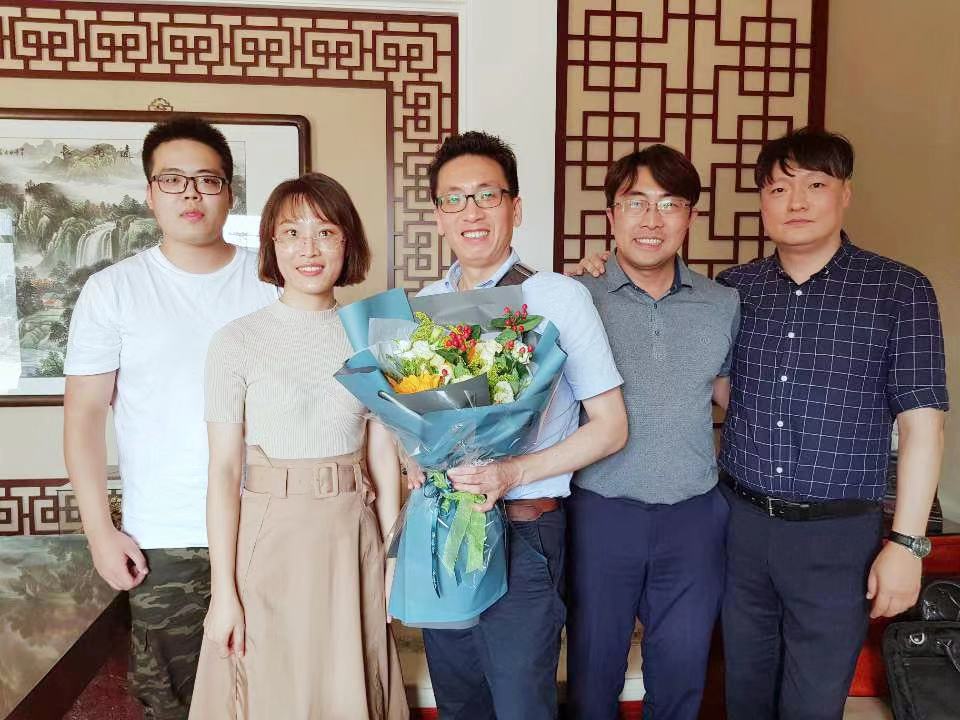
In 2019, Korean technical designers visited our facility to inspect specialized steel designs, initiating long-term manufacturing agreements.
In November 2018, long-term Australian partners conducted a site audit to inspect our pre-galvanized lines and load-testing setups.
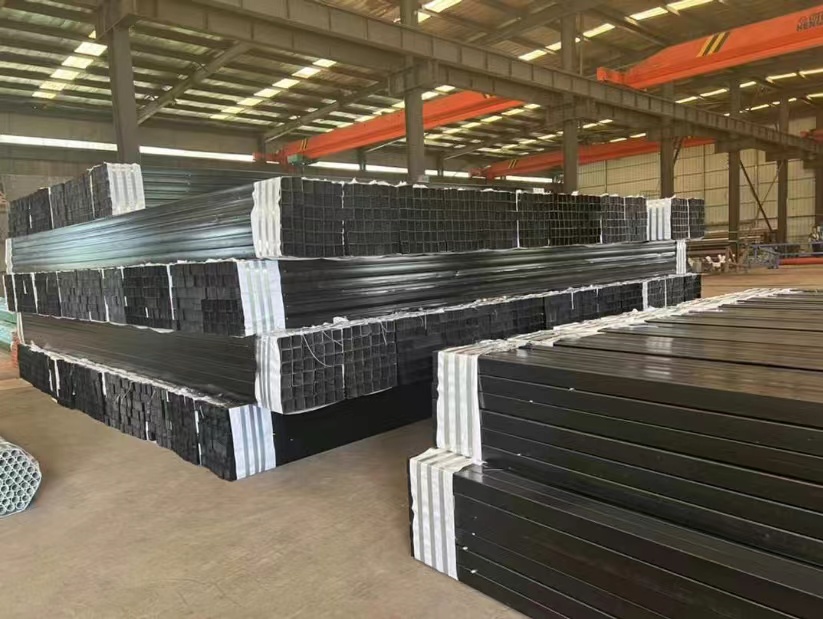
In 2019, following site inspections, Indian distributors signed contracts for monthly container deliveries of high-zinc galvanized products.
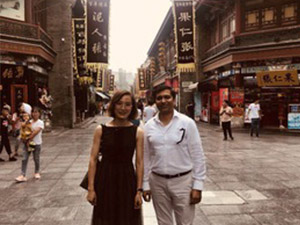
In June 2017, a Lebanese engineering firm visited our factory, purchasing 1,000 tons of structural steel tubing for local infrastructure projects.

First initiated at the Canton Fair in 2018, our partnership with Saudi agricultural developers has grown to include regular volume shipments.
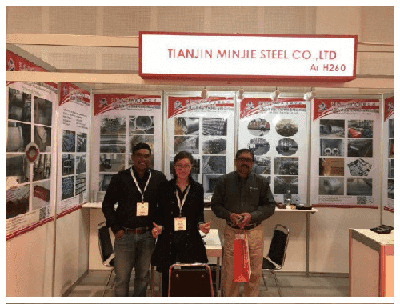
Every year, Tianjin Minjie Steel Group presents its portfolio at the Canton Fair. Our exhibits draw international procurers seeking to optimize their supply chains. Approximately 80% of our visiting clients proceed to audit our Tianjin facilities, confirming our production capacity and logistical advantages.
Through these interactions, we provide custom solutions, including localized sizing, grading reports, and tailored logistics support to meet regional import regulations.
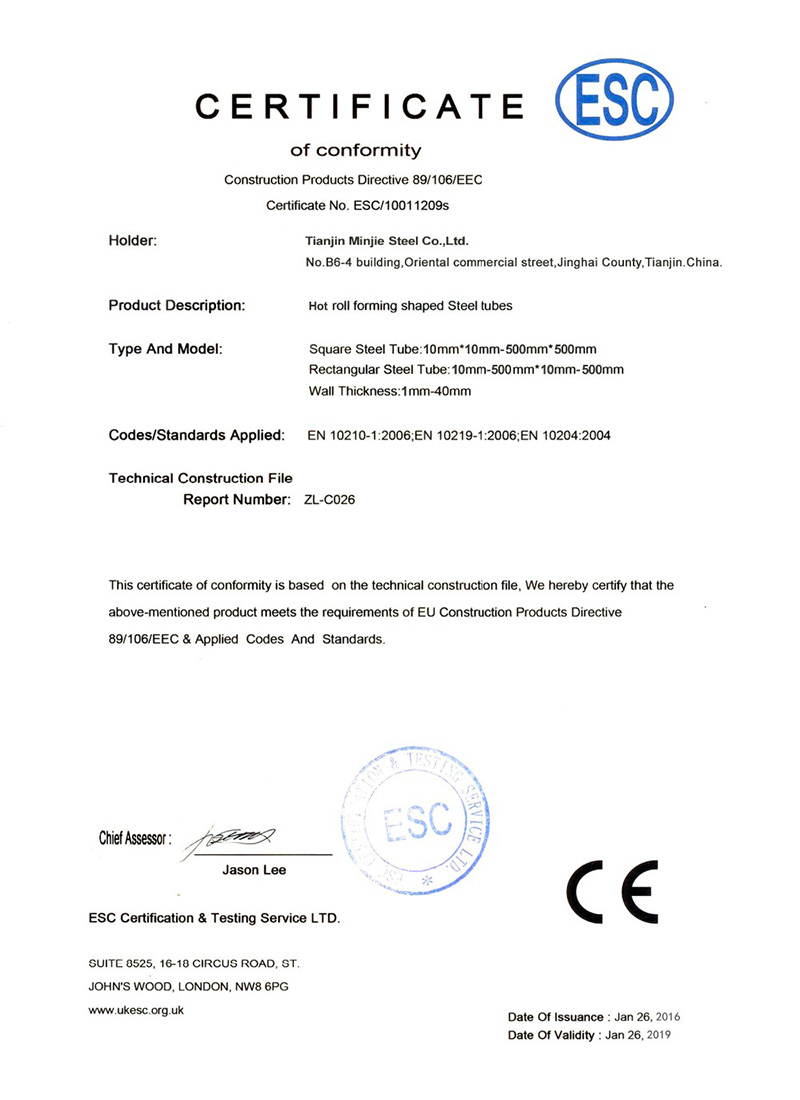
Engineering Application Scenarios
Greenhouse construction and farming implements rely heavily on corrosion-resistant steel. Secondary galvanized steel coils provide the necessary structural strength and moisture resistance for greenhouse frames, structural purlins, and livestock enclosures at a lower budget.
For interior drywall partition channels and studs, aesthetic appearance is completely hidden. Secondary coils with minimal visual surface variance provide the required mechanical rigidity, fire-rating characteristics, and structural longevity.
Cable trays and ventilation ductwork require reliable galvanized protection. Utilising cost-efficient secondary coils allows mechanical contractors to secure competitive bids on public and private commercial ventilation projects.
Solutions Hub
A secondary galvanized steel coil is a roll produced by a primary mill that does not match the exact order specification sheet of the original client. Common causes include thickness variations beyond contracted tolerances, off-grade zinc weight, surface scratches, or mill surplus. Structurally, these coils retain high tensile strength and rust resistance, making them ideal for budget-sensitive projects.
Every batch undergoes testing in our QC departments. We measure zinc coating thickness, perform tensile and elongation testing, and inspect coil edges. We provide detailed photographic and video documentation of each coil to global buyers before container loading, ensuring full transparency.
Yes, they are highly suitable, provided the zinc coating thickness matches your regional environmental exposure. For high-corrosion zones, we suggest secondary coils graded with zinc levels exceeding 90g/m² (G90) to prevent premature rust.
We apply specialized anti-corrosive oil coatings to secondary coils, wrap them in waterproof VCI (Volatile Corrosion Inhibitor) paper, secure them with steel straps, and pack them on solid pallets. This prevents moisture ingress during maritime transit.
Given our location 40 kilometers from Tianjin Xingang Port, standard items and ready-stock secondary coils can be moved and loaded within 7 to 15 days of order confirmation and payment processing.
Extended Steel Catalogue
 Minjie Steel