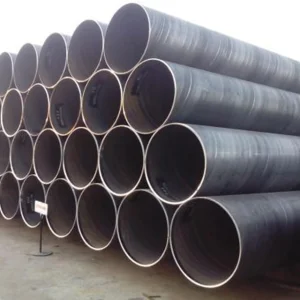
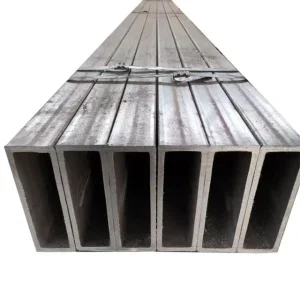
Precision-engineered scaffolding components, structural steel systems, and high-performance load-bearing raw materials ready for global logistics deployment.
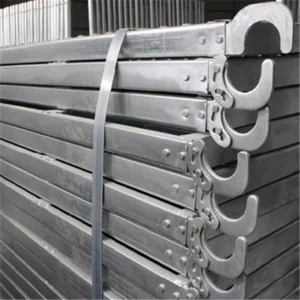
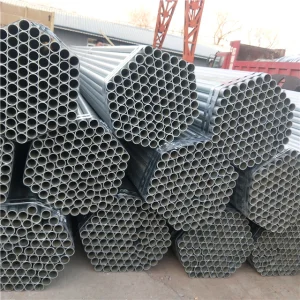
In modern high-rise construction, bridge engineering, and subterranean civil works, temporary structural integrity is paramount. Shoring jacks (also referred to as adjustable post shores or steel props) serve as the primary axial load-bearing columns during concrete curing, formwork placement, and structural remodeling. The safety, mechanical reliability, and material durability of these components dictate the risk profile of multi-million-dollar infrastructure investments.
Tianjin Minjie Steel Co., Ltd addresses these rigorous constraints through advanced metallurgy and precision manufacturing. By utilizing specialized structural grades like Q235 and Q345 steel, our shoring solutions offer high yield strength, predictable deformation thresholds, and optimal slenderness ratios, ensuring maximum load capacity even under eccentric loading conditions.
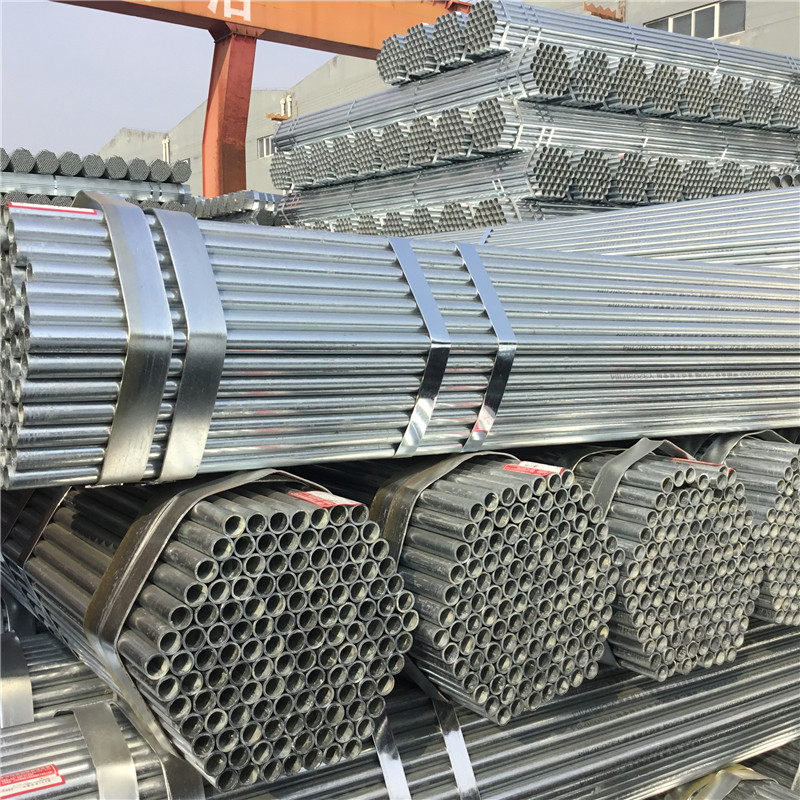
To prevent localized buckling, the engineering of telescopic shoring jacks relies on the Euler-Cauchy buckling theorem and the slenderness ratio: λ = L / i. The inner and outer tube tolerances must be strictly managed to prevent rotational play at the adjusting pin interface. An optimized locking collar design, coupled with heavy-duty cast collar nuts, provides micro-level height adjustments under high friction loads.
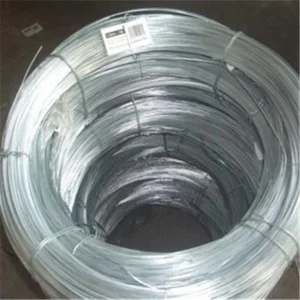
Corrosion mitigation plays an equally critical role. Our products utilize Hot-Dip Galvanization (HDG) according to ISO 1461, delivering a robust zinc coating thickness of over 80 microns. This metallurgical barrier protects the structural integrity of the steel in high-humidity, marine, and highly alkaline chemical environments typical of wet concrete curing zones.
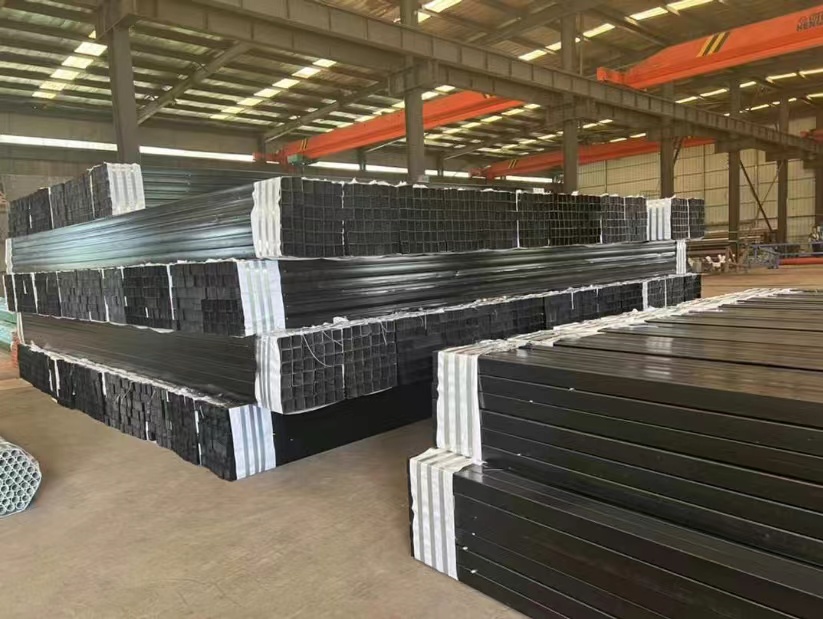
A data-driven breakdown of structural performance and global compliance protocols.
Large-scale infrastructure projects across MEASA, APAC, Europe, and North America demand standardized post shores. Our systems align with BS EN 1065 structural load ratings (Classes A to E), matching the precise load-bearing limits dictated by regional engineering codes.
Whether in commercial concrete formwork, heavy bridge girder casting, or trench shoring applications, our telescopic props adapt to varying heights (1.8m to 5.0m) and are integrated with specialized accessories like tripod bases and forkheads.
By controlling carbon equivalent (CEV) values during carbon steel processing, we optimize weldability and structural ductility. This engineering design ensures our steel props undergo predictable mechanical deformation instead of sudden shear failure.
| Prop Class (BS EN 1065) | Closed Height (m) | Extended Height (m) | Permissible Outer Tube OD | Permissible Inner Tube OD | Characteristic Load Capacity |
|---|---|---|---|---|---|
| Class B/C Light-Duty | 1.80 | 3.20 | 56 mm / 60 mm | 48 mm | 12 kN - 20 kN |
| Class D Heavy-Duty | 2.00 | 3.50 | 60 mm / 76 mm | 48 mm / 60 mm | 20 kN - 30 kN |
| Class E Extra Heavy-Duty | 2.20 | 4.00 | 76 mm / 89 mm | 60 mm / 76 mm | 30 kN - 40 kN |
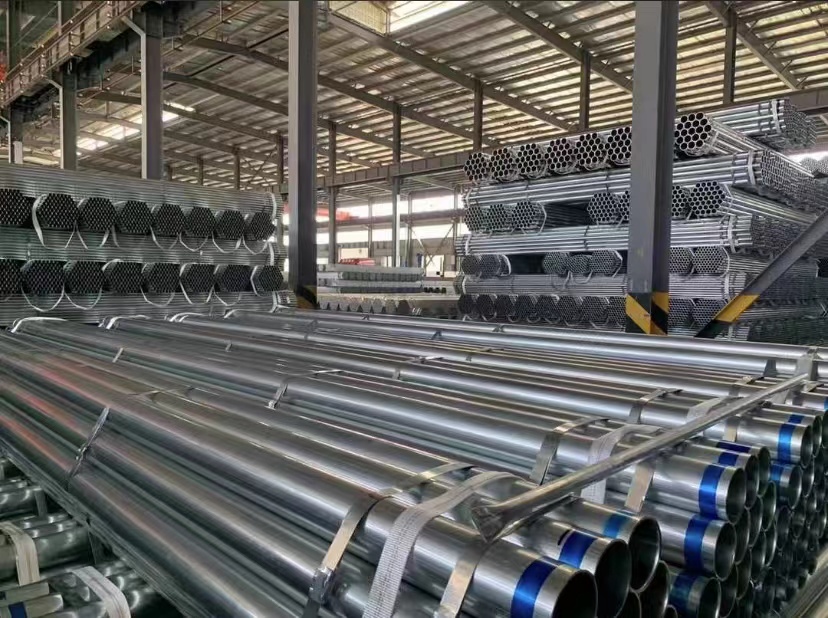
Established in 1998, Tianjin Minjie Steel Co., Ltd operates a manufacturing complex covering more than 70,000 square meters. Strategically located just 40 kilometers from XinGang Port (Tianjin) — the largest maritime trade hub in Northern China — we ensure streamlined international shipping routes, competitive freight rates, and efficient container packing.
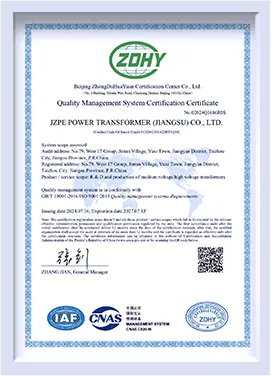
Our production facilities include 4 pre-galvanized lines, 8 high-frequency ERW steel pipe lines, and 3 state-of-the-art hot-dipped galvanized processing lines. Operating under the rigorous guidelines of the ISO 9001 quality management framework, we conform to ASTM, GB, DIN, and JIS standards. Furthermore, we hold 3 core utility patents, including our proprietary groove pipe, shoulder pipe, and victaulic joint configurations.
Providing global engineering consulting, manufacturing, and supply chain logistics to over 60 countries.
In September 2019, our engineering consulting team visited partners in Singapore to finalize customized structural support designs for local high-density residential and transit developments.
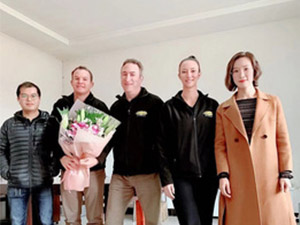
Our long-term Australian partners visited our facility in November 2018 to audit our raw material supply chain, confirming our compliance with AS 3610 formwork and shoring standards.
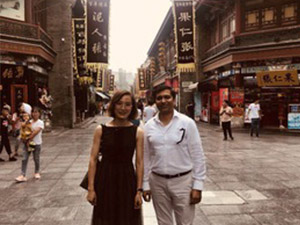
Collaborating with tier-one contractors in Saudi Arabia and Lebanon, we have supplied more than 10,000 tons of high-strength structural steel pipes and telescopic scaffolding props for major urban developments.
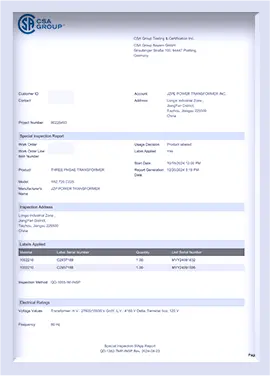
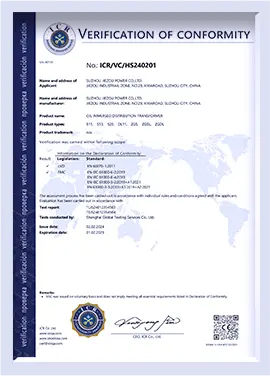
Every product is tested under physical stress loads to guarantee compliance with international building regulations.
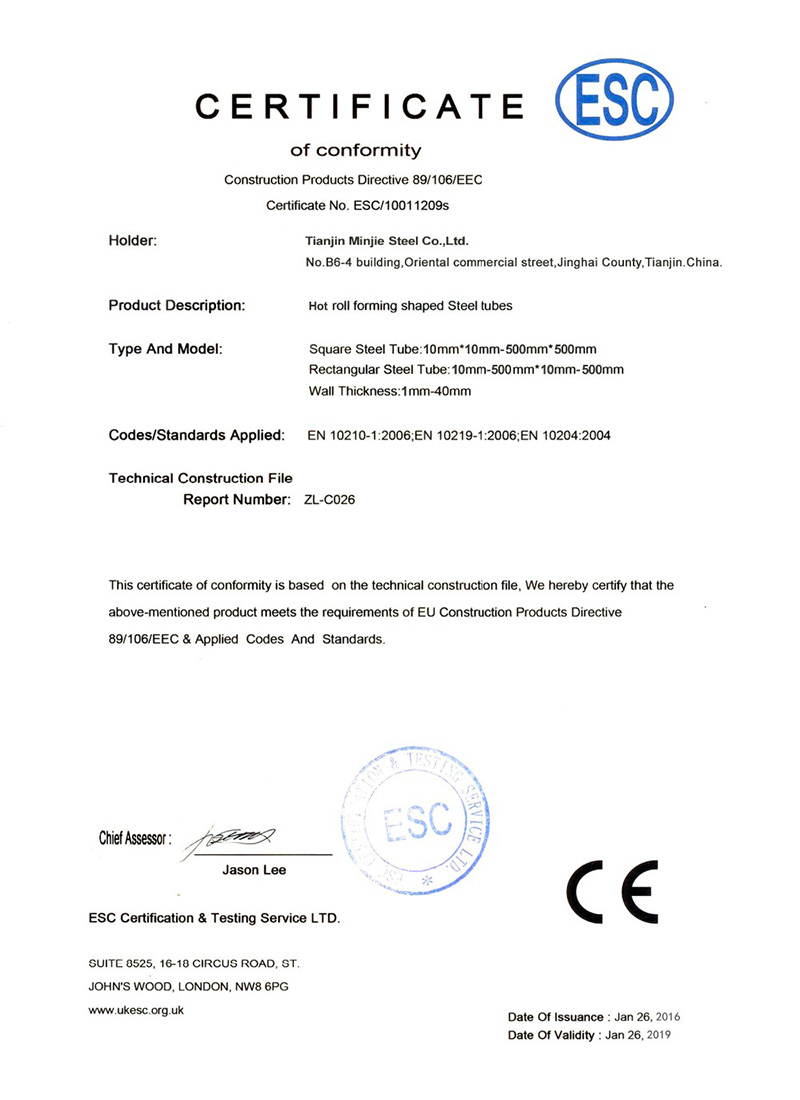
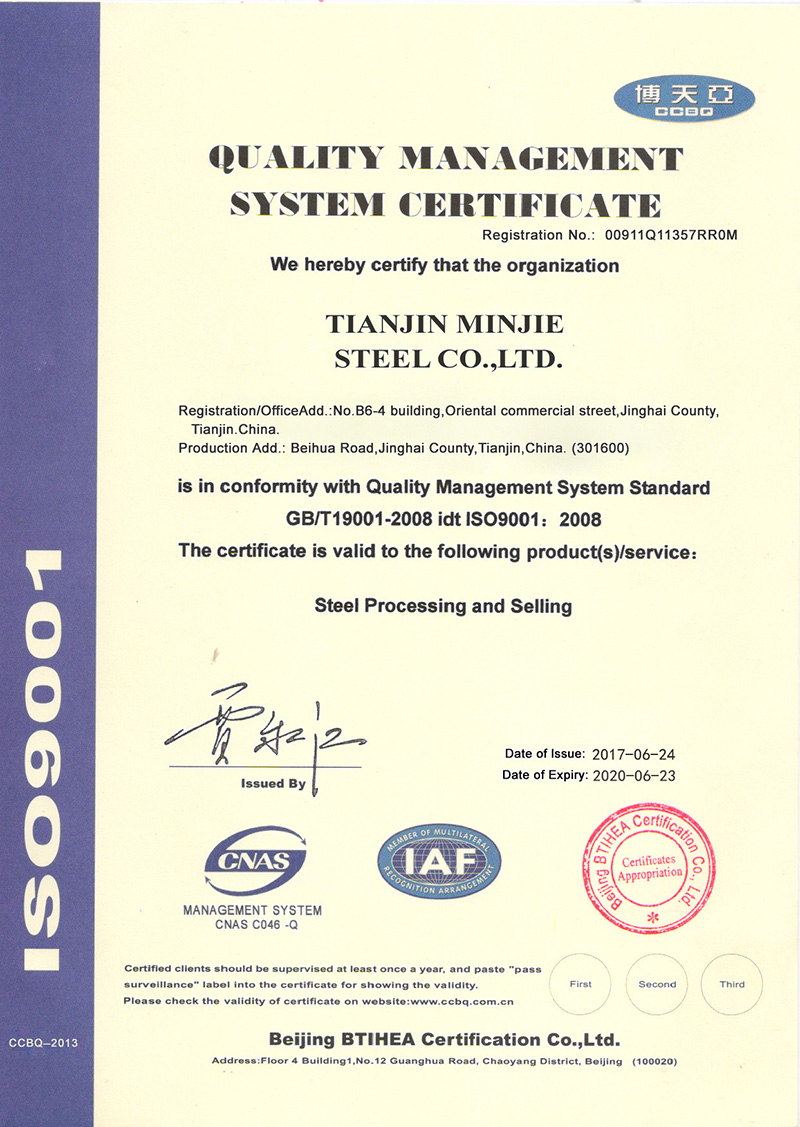
Detailed engineering answers to the most common technical, metallurgical, and logistical queries from structural engineering procurement directors.
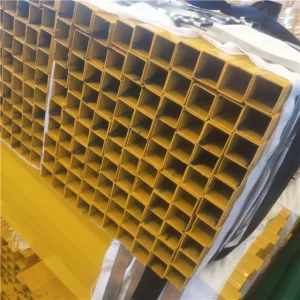
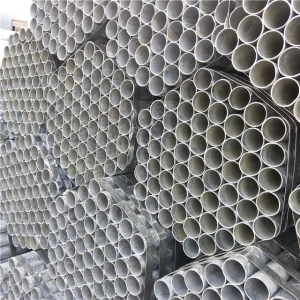
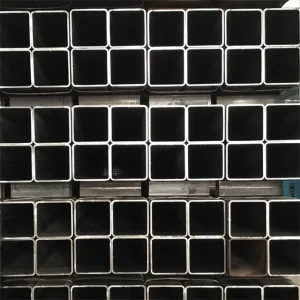
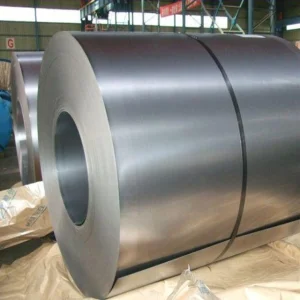
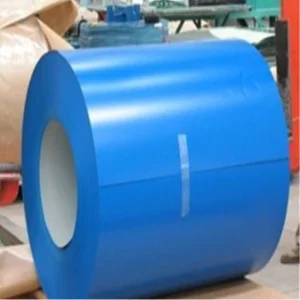
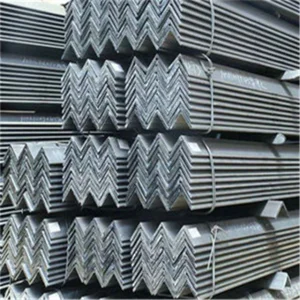
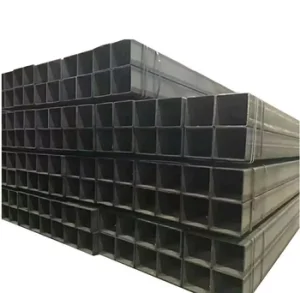
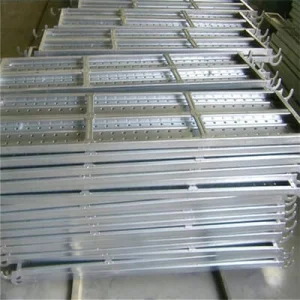
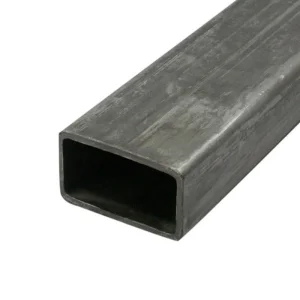
Complete structural systems, ERW pipes, heavy-duty hollow sections, and custom accessories from our Tianjin facility.
 Minjie Steel