Explore our premium structural materials, scaffoldings, and welded steel pipes engineered for civil architecture, marine engineering, and infrastructure load bearings.
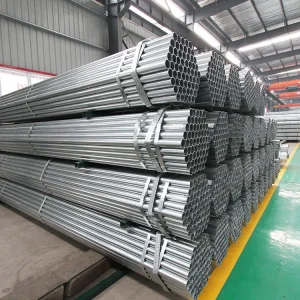
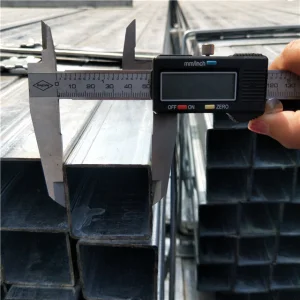
Commonly referred to as **diamond plates, tread plates, or durabar**, steel checker plates represent a vital sub-segment of the global hot-rolled structural steel market. The pattern—typically raised teardrop, diamond, or multi-bar arrangements—provides essential traction characteristics while preserving the structural load capacity of the steel substrate. Global infrastructure investments, expanding industrial manufacturing zones, and stringent workspace safety regulations have accelerated the demand for these products across structural platforms, maritime vessels, transport vehicles, and chemical processing facilities.
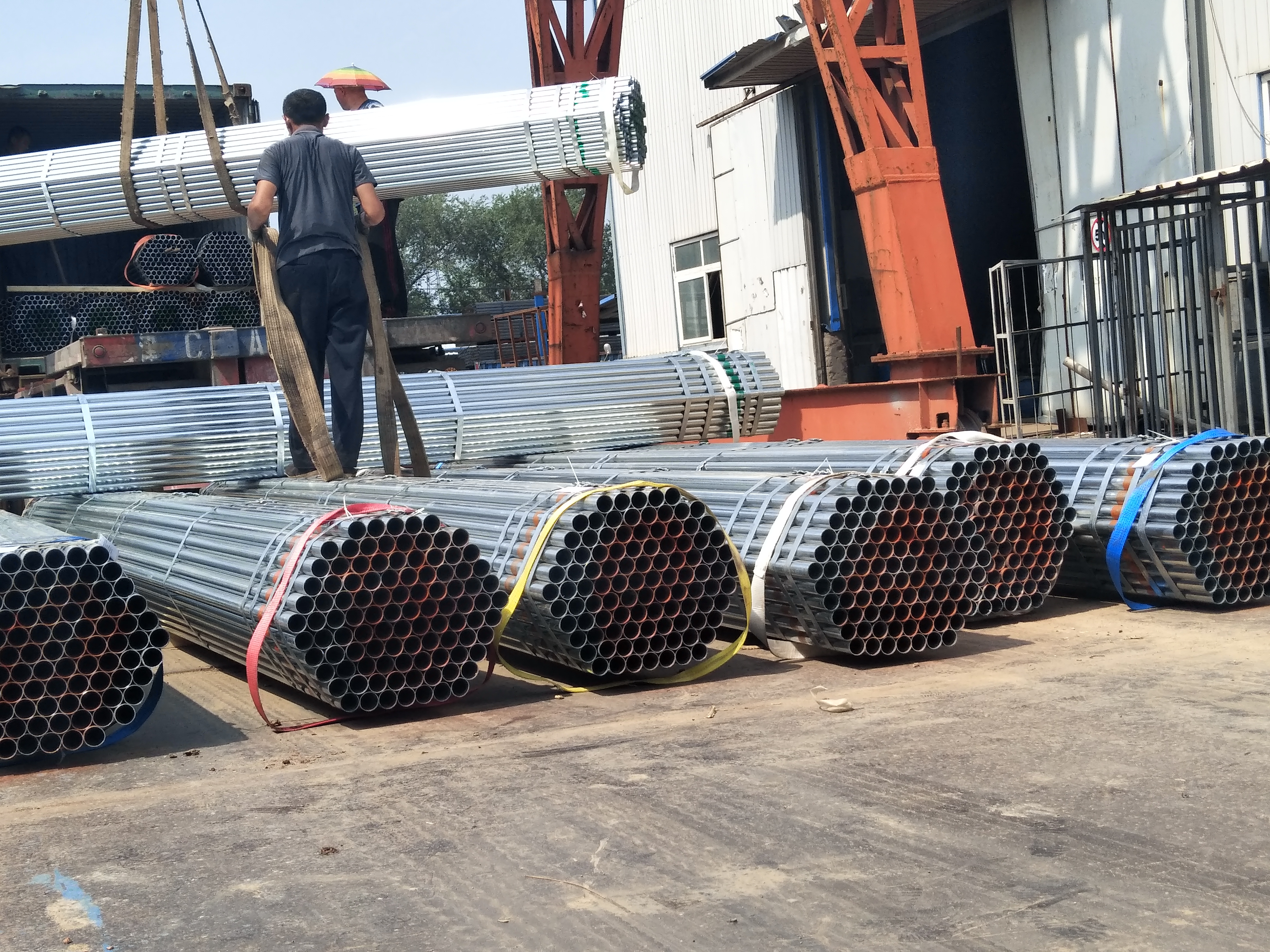
From a logistics perspective, major production nodes in Northern China, specifically around the Bohai Sea economic ring, command a significant share of global output. **Tianjin Minjie Steel Co., Ltd.** operates at the heart of this region, leveraging proximity to the Xingang Port (only 40 kilometers away) to facilitate highly efficient global maritime shipping. The seamless logistical chain allows industrial projects across the Americas, the Middle East, Southeast Asia, and Europe to receive volume shipments without excessive lead times or volatile transit rates.
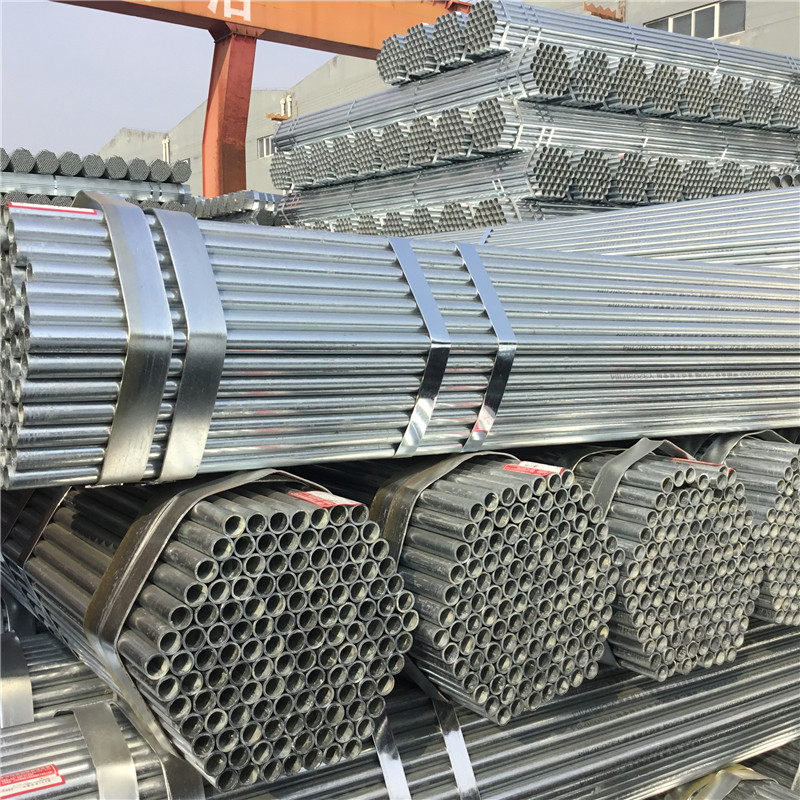
Industrial applications dictate specific chemical compositions and mechanical properties. Checker plates manufactured in China strictly adhere to global carbon structural steel and low-alloy high-strength steel criteria.
| Steel Grade Standard | Yield Strength (MPa) | Tensile Strength (MPa) | Key Elements | Primary Industrial Applications |
|---|---|---|---|---|
| GB/T 700 Q235B | ≥ 235 | 370 - 500 | C (0.20% max), Mn (1.4% max), Si (0.35% max) | General walkaways, structural platform, warehouse floors |
| ASTM A36 / A36M | ≥ 250 | 400 - 550 | Carbon steel, low phosphorus and sulfur contents | North American heavy equipment flooring, maritime gangways |
| EN 10025 S235JR | ≥ 235 | 360 - 510 | High weldability, low carbon equivalent values | European logistics steps, commercial ramps, architectural stair treads |
| JIS G3101 SS400 | ≥ 245 | 400 - 510 | Optimized for mechanical structural fabrications | Automotive chassis bases, heavy container flooring structures |
| GB/T 1591 Q345B | ≥ 345 | 470 - 630 | Micro-alloyed elements (Nb, V, Ti additions) | High-load bridges, crane ramps, heavy offshore drilling structures |
The production methodology involves precise temperature control during the final rolling stage, where the plain flat hot-rolled steel strip is pressed under massive rollers engraved with the negative of the selected texture. This technique ensures **uniform pattern heights** (ranging from 1.0mm to 2.2mm) to satisfy anti-slip certifications. The core thickness of the plates ranges from 1.2mm up to 20mm, providing a comprehensive thickness spectrum to accommodate variable load-bearing structures.
Steel checker plates are not merely safety accessories—they are integral structural components designed to handle multi-directional stresses while avoiding mechanical fatigue.
In logistics sectors, commercial truck steps, tailgates, and utility trailer platforms demand high friction coefficients to minimize accidents during cargo movement. The mechanical hardness of Q235B and Q345B steel prevents deformation under repetitive point loading.
Large-scale distribution facilities utilize hot-dip galvanized checker plates to assemble elevated walkways and mezzanine floors. High durability and resistance to wear from pallet jacks and forklift traffic ensure low maintenance lifecycles spanning several decades.
Saltwater exposure requires marine-grade steel substrates combined with robust hot-dip galvanization. The structural diamond pattern facilitates rapid drainage of seawater, mud, and oils, preventing standing water and minimizing micro-corrosion cells.
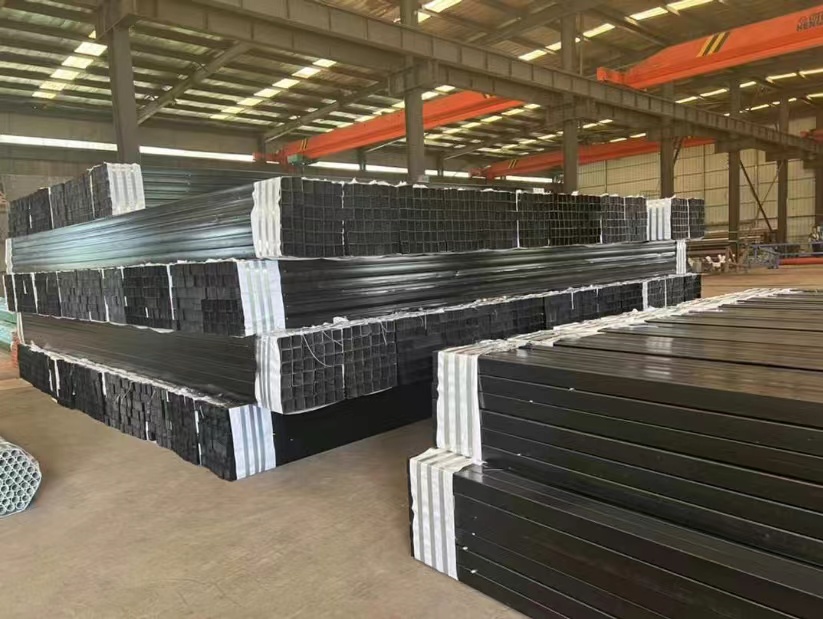
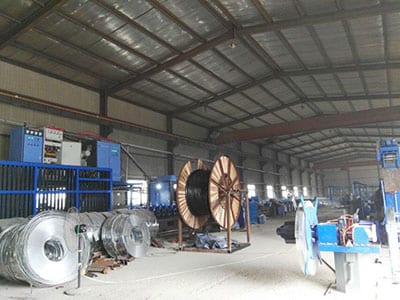
Established in **1998**, **Tianjin Minjie Steel Co., Ltd.** has evolved into a premier manufacturer and exporter of structural steel products in Northern China. Spanning a modern manufacturing site exceeding **70,000 square meters**, our operations are located 40 kilometers from **Xingang Port**, the primary north China logistics hub.
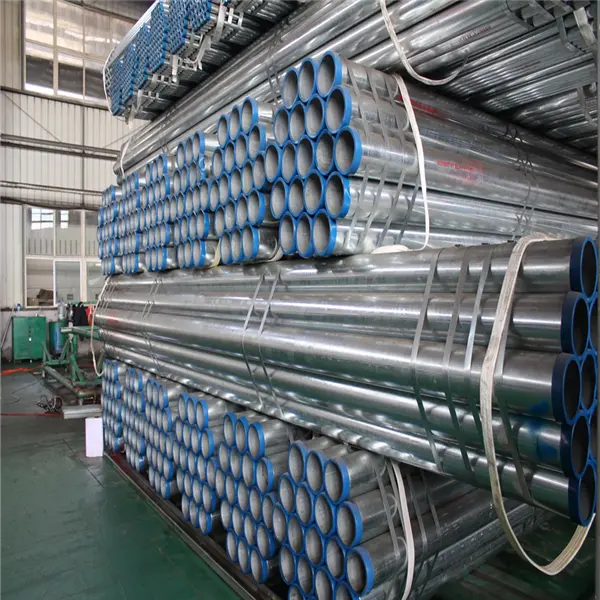
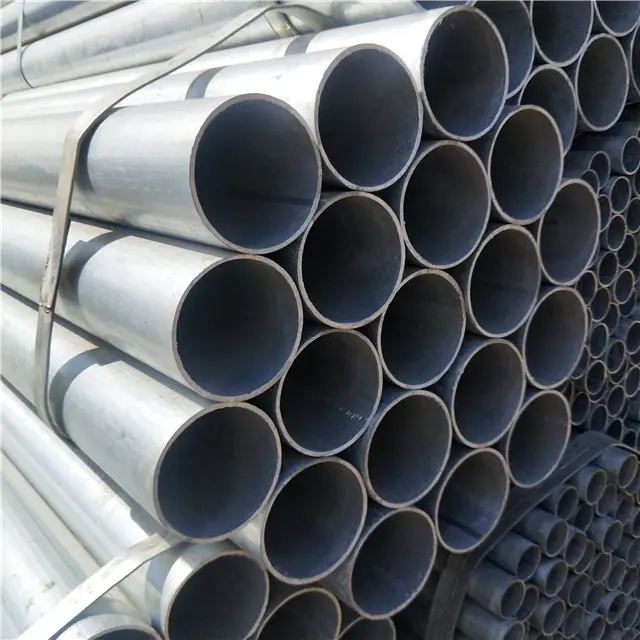
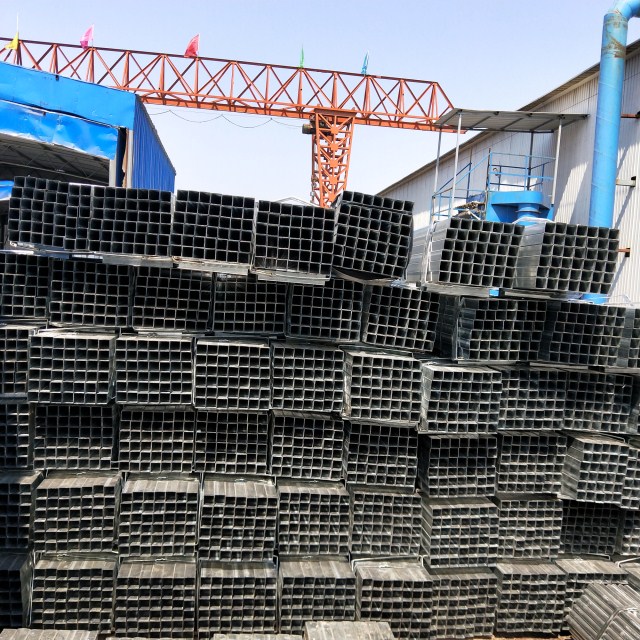
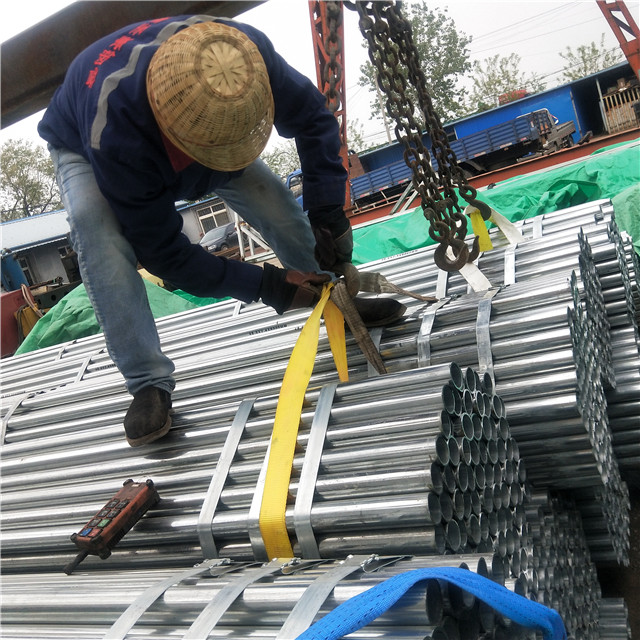
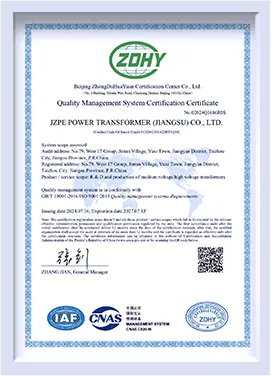
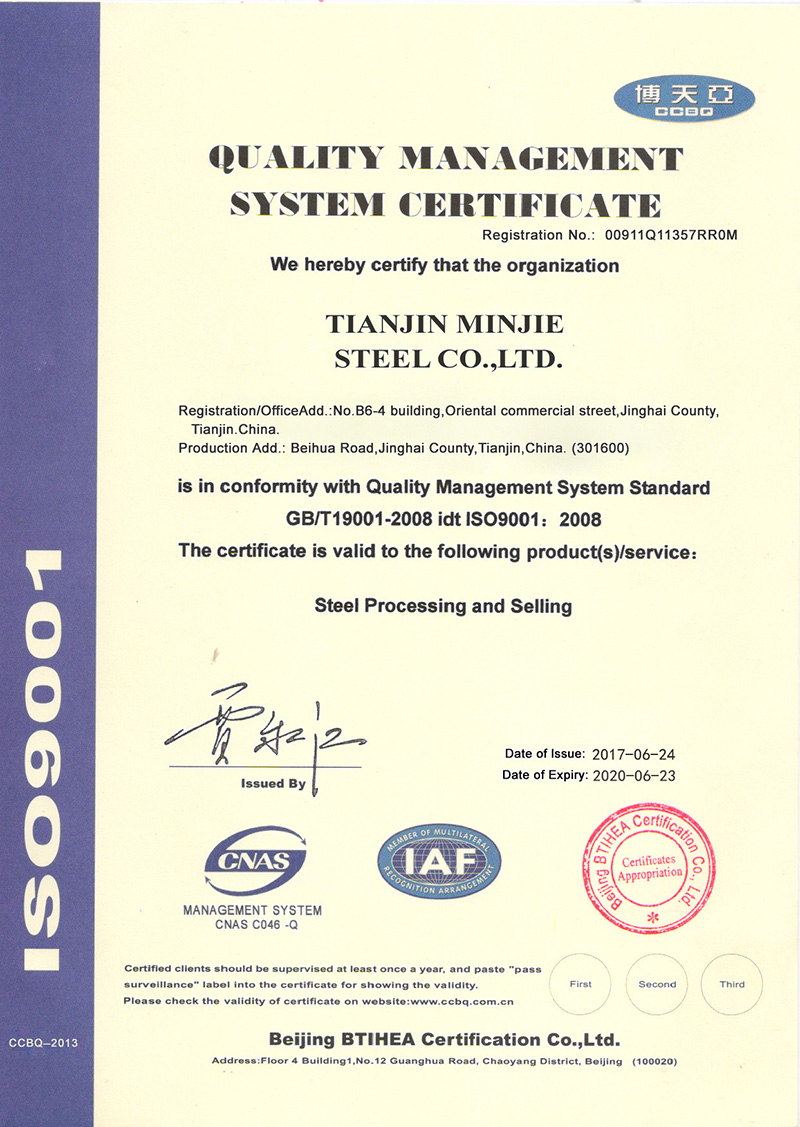
Our technological setup features **4 pre-galvanized manufacturing lines, 8 high-frequency ERW steel pipe production lines, and 3 advanced hot-dip galvanizing lines**. All structural components—from scaffolding tubes, square and rectangular sections, steel channels, to checker plates—are manufactured according to international benchmarks (GB, ASTM, DIN, JIS) and are verified by the **ISO9001 Quality Certification System**.
Tianjin Minjie Steel prides itself on proprietary intellectual properties, holding **three national patents** for pipeline designs (groove, shoulder, and victaulic connections). This research-driven approach underpins all our metallurgical products, ensuring that custom requirements, custom lengths, and special galvanizing requirements are handled with complete precision.
Our commitment to transparent quality assurance processes has enabled long-term relationships with B2B steel distributors, EPC contractors, and global construction firms.
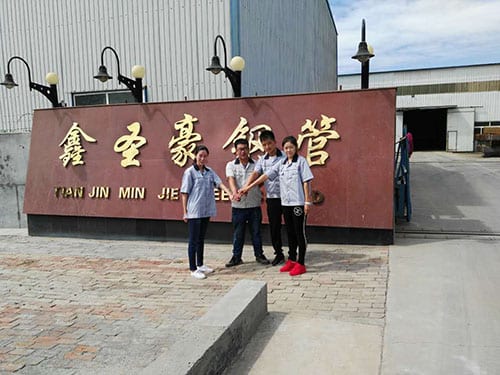
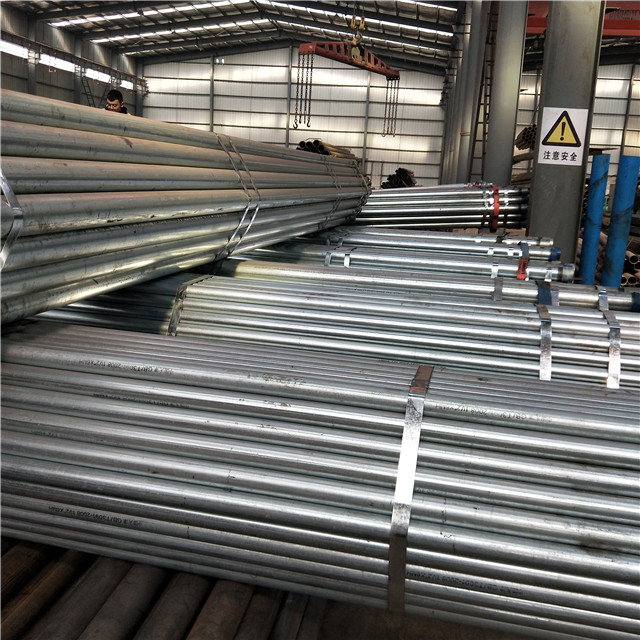
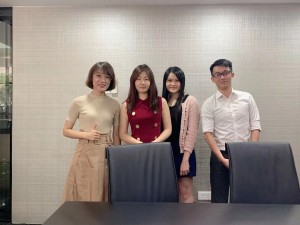
In September 2019, our technical sales team conducted project site audits in Singapore, securing supplier credentials for major public transport infrastructure expansions.
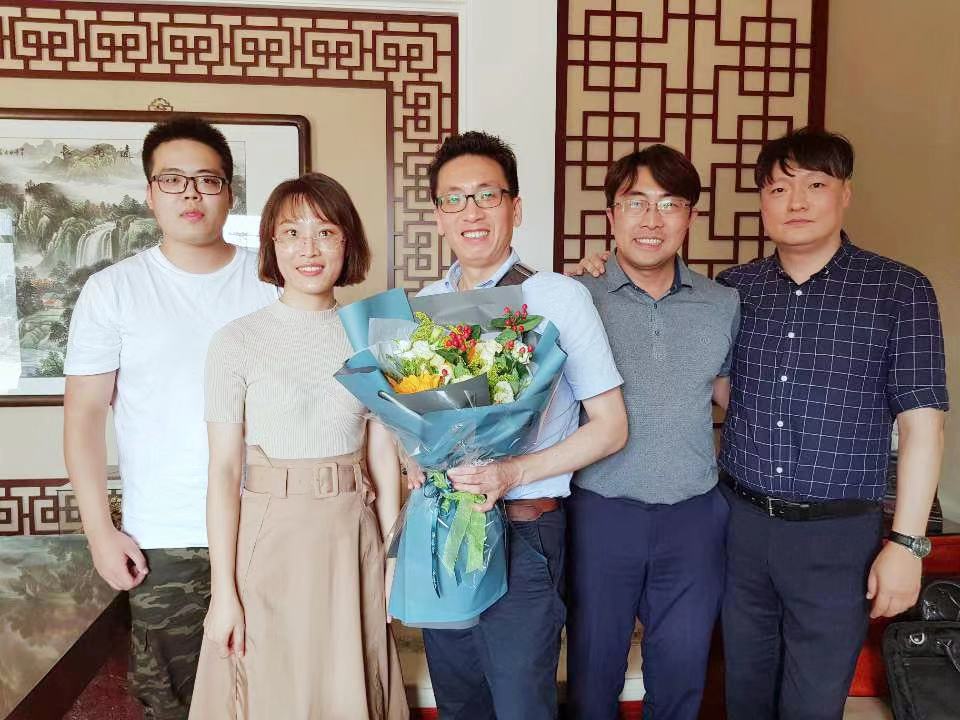
In 2019, structural design engineers from South Korea visited our factory to confirm manufacturing tolerances for custom structural sections, initiating a long-term contract.
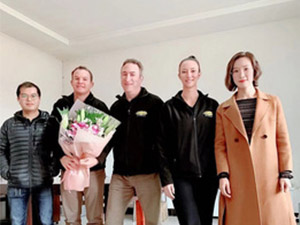
Our long-term Australian partners returned in late 2018 to perform third-party structural fatigue tests on our scaffolding systems, confirming conformance to AS/NZS standards.
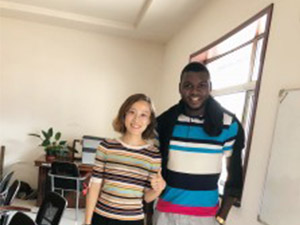
Following comprehensive quality assessments of our galvanizing tank environments in 2019, Indian clients signed monthly recurring procurement contracts for carbon pipes.
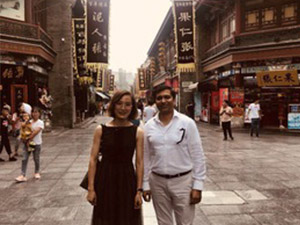
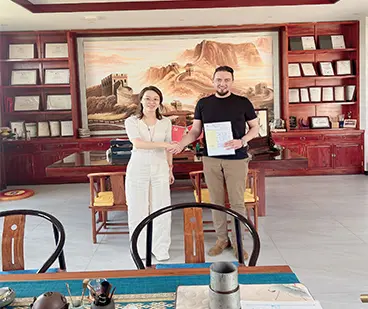
A regional distributor from Beirut executed immediate supply contracts for 1,000 tons of ERW pipes and structural plates during their initial factory visit in June 2017.

Met initially at the Canton Fair in 2018, representatives from a major Saudi infrastructure developer conducted on-site quality tests before finalizing large volume supply agreements.
Our quality management workflow encompasses structural integrity audits, chemical composition analysis, and dimensional tolerance checks. The ISO 9001 certification forms the basis of all physical inspections, which are supported by continuous testing at our on-site laboratory facilities.
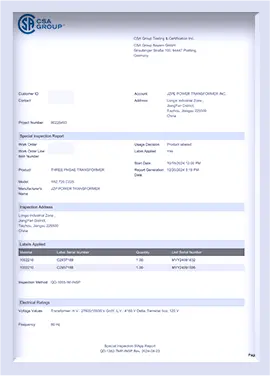
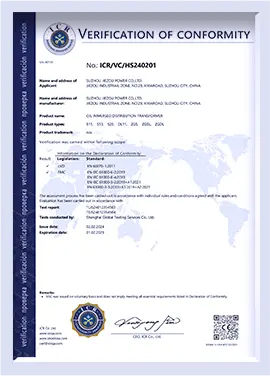
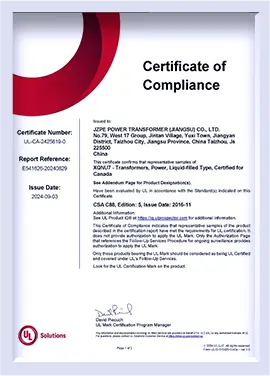
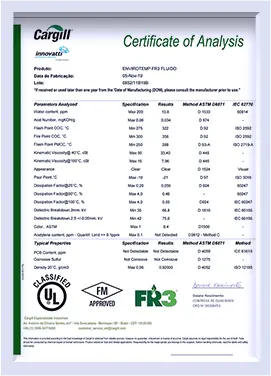
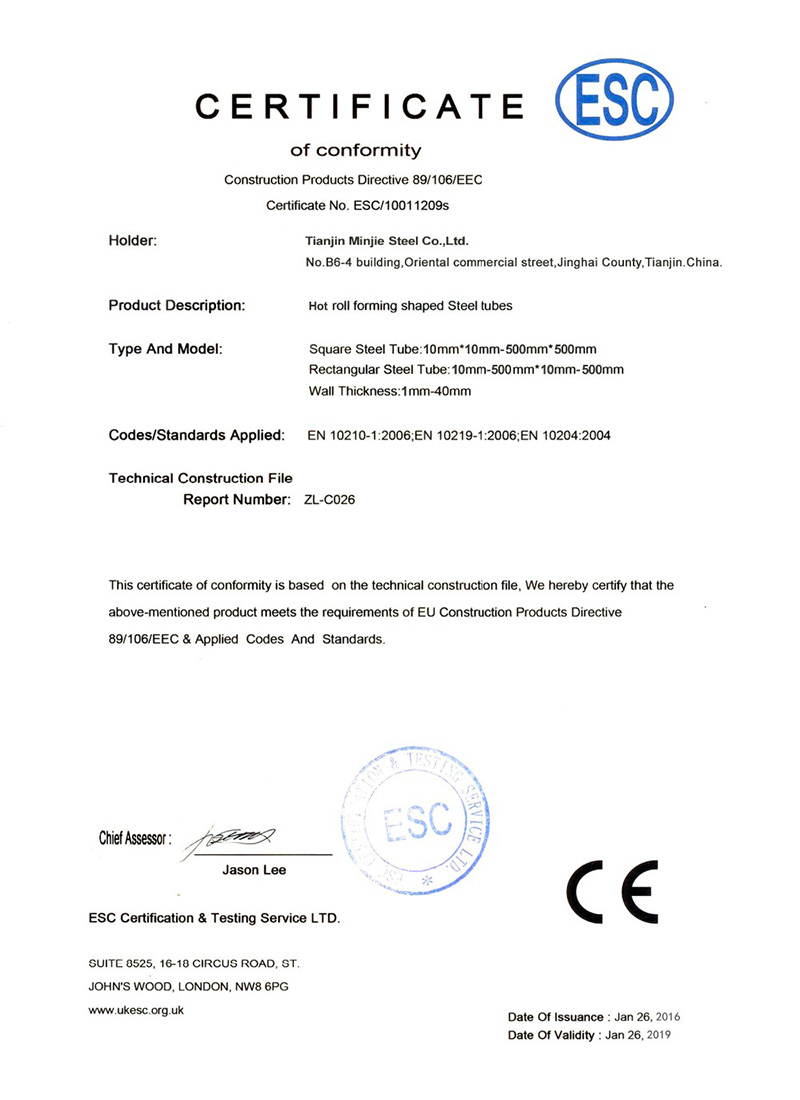
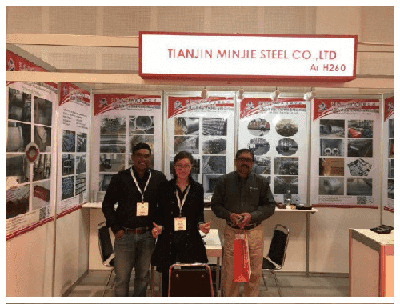
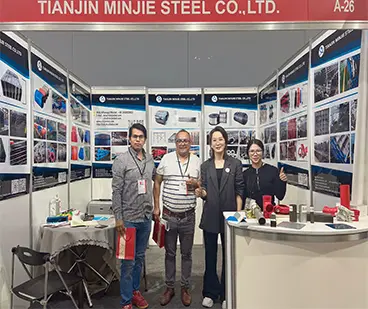
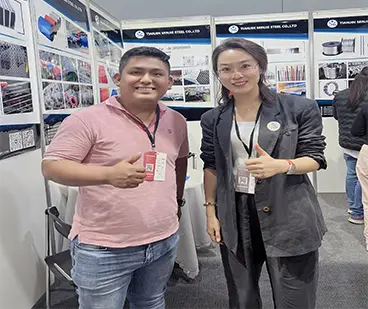
Tianjin Minjie Steel participates in the Canton Fair and international metallurgical exhibitions annually. These events allow us to interface directly with industrial buyers, review construction drawings, and establish custom project specifications.
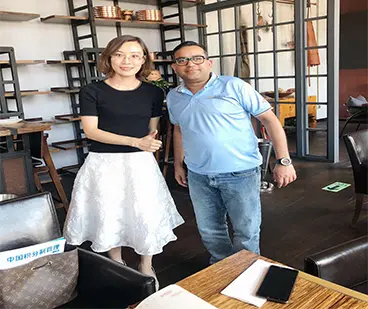
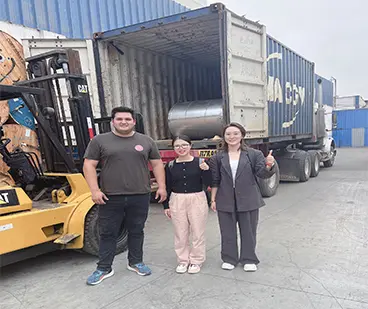
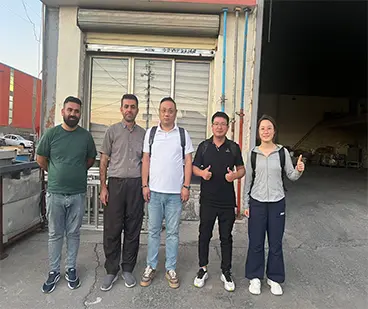
Over 80% of our new inquiries turn into physical factory visits, allowing procurement directors to inspect our hot-dip galvanizing lines and metallurgical testing facilities in Tianjin.
The steel manufacturing landscape is shifting toward low-carbon manufacturing, high-durability alloy configurations, and automated surface treatment pipelines.
Traditional galvanizing is increasingly being replaced by Zinc-Aluminum-Magnesium (ZAM) coatings. This technology offers up to ten times the corrosion resistance of standard hot-dip galvanizing, providing self-healing cut-edge protection for marine and coastal checker plates.
We are incorporating optical sensing and AI closed-loop feedback systems into our heavy rolling mills. This technology measures pattern height in real-time, reducing plate-to-plate variance and ensuring consistent anti-slip performance across large batches.
To support weight reduction in automotive body building and electric vehicle transportation docks, we are expanding our production of high-strength low-alloy (HSLA) checker plates. These alloys reduce plate thickness by up to 30% while retaining structural load capacities.
Tianjin Minjie Steel provides structural steel solutions globally. Explore our project case images and product segments from operations worldwide.
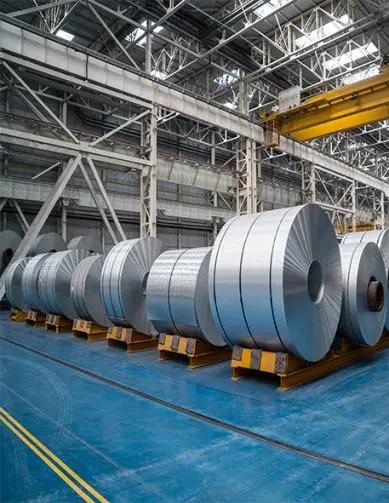
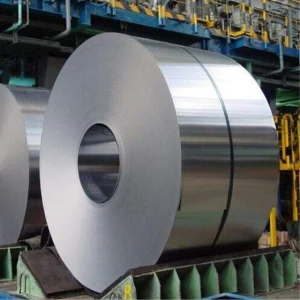
Hot dipped & pre-painted steel coils
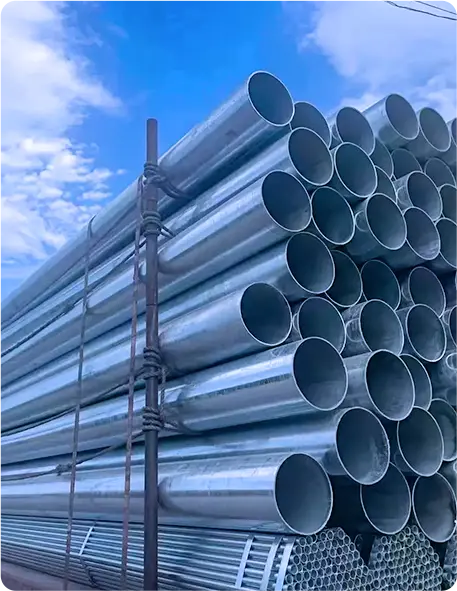
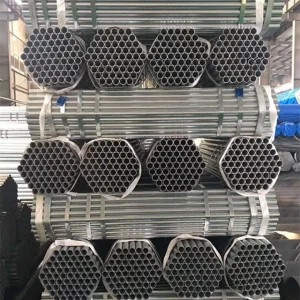
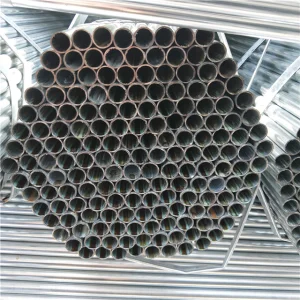
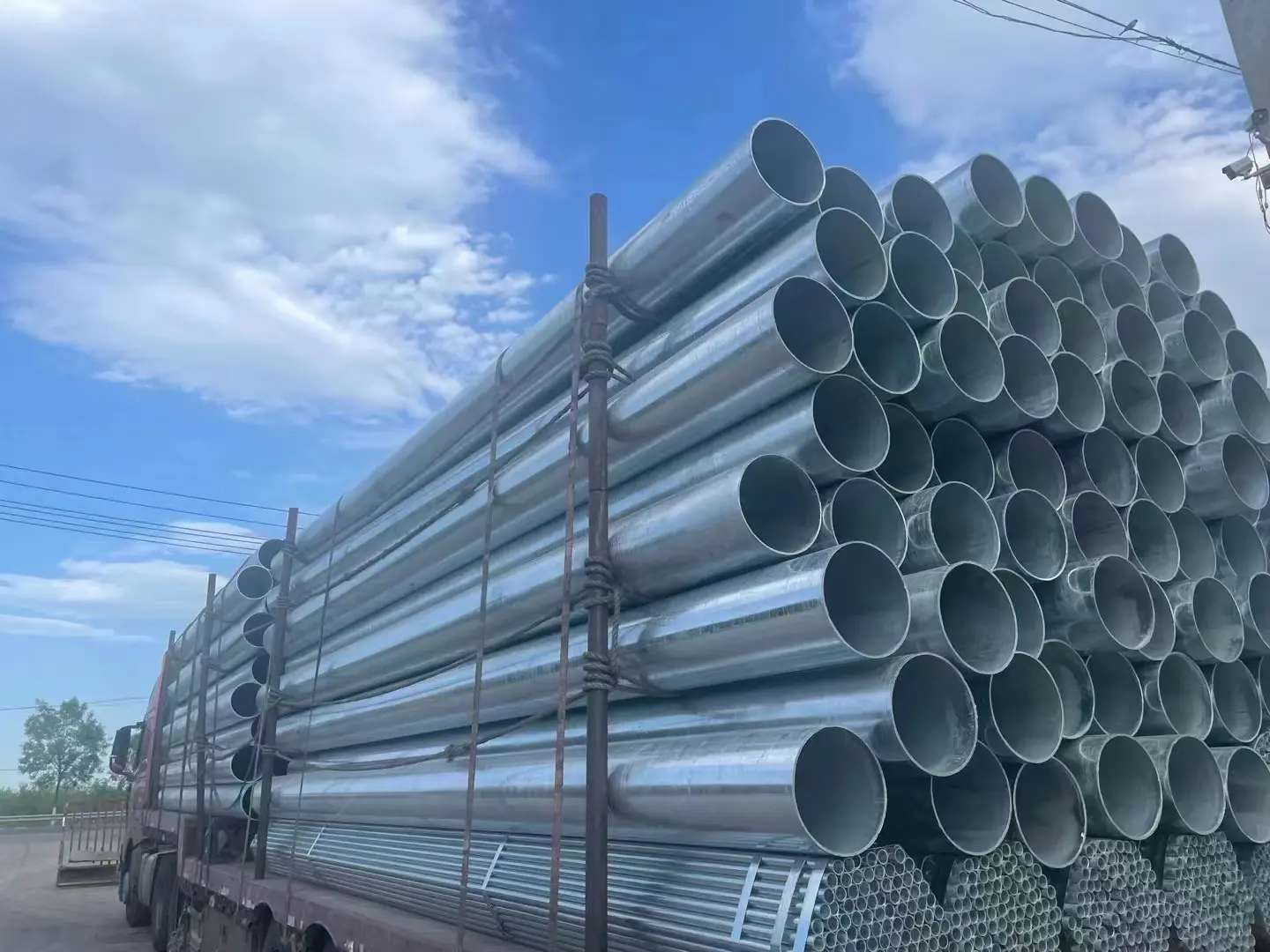
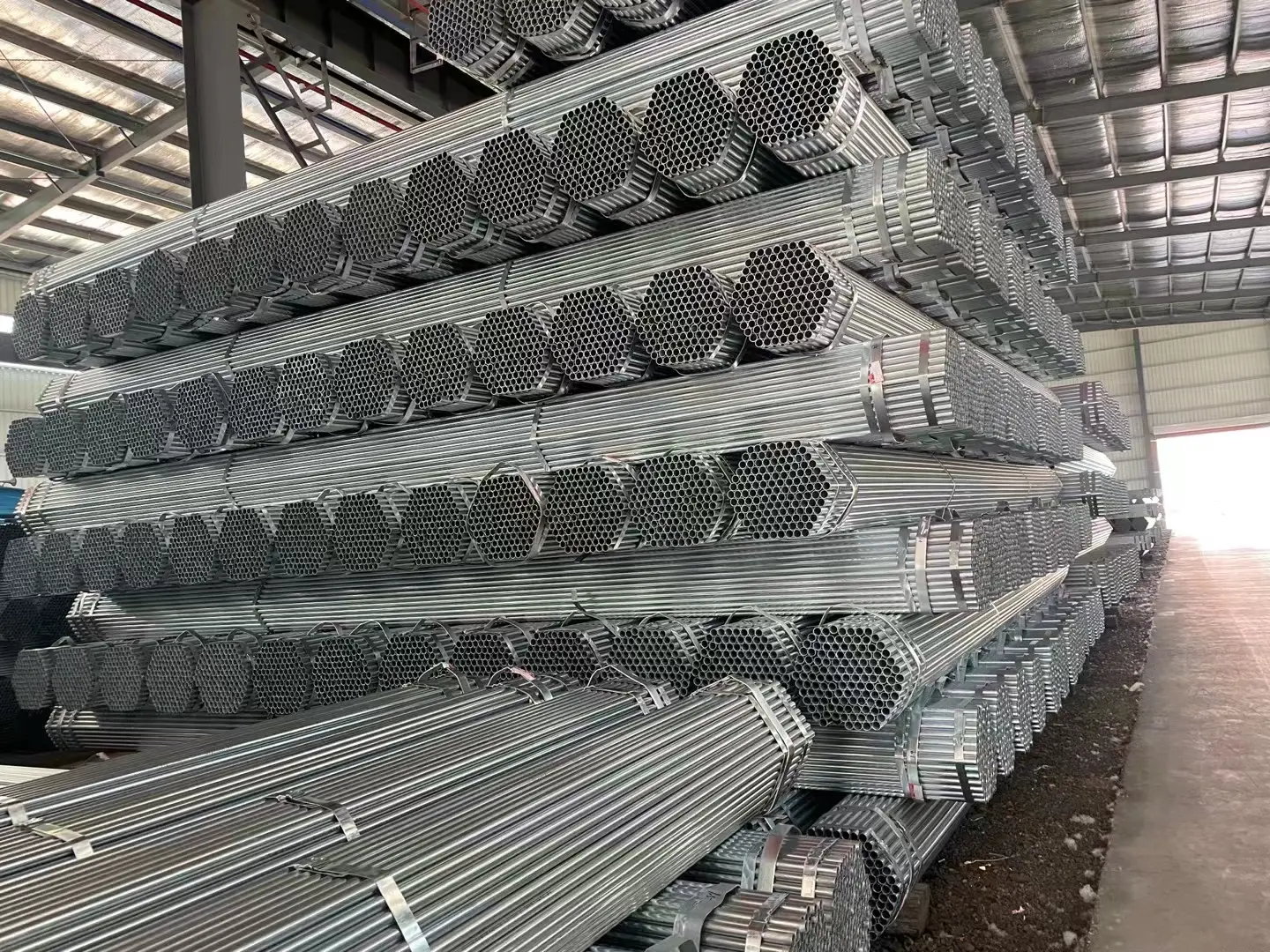
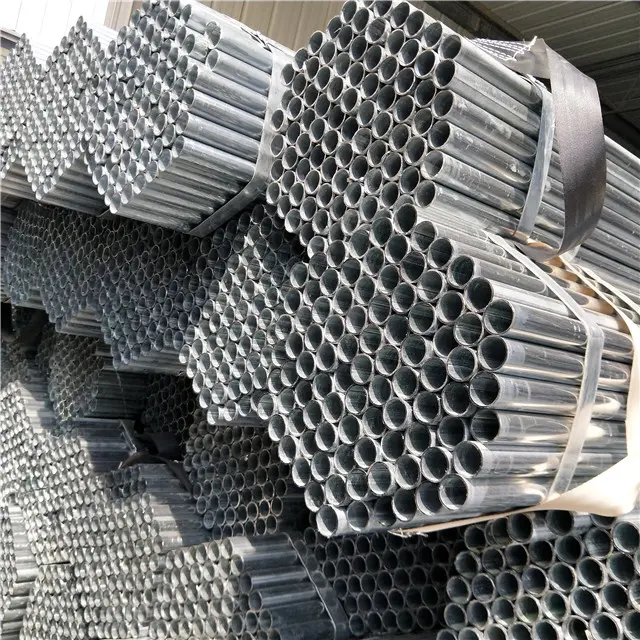
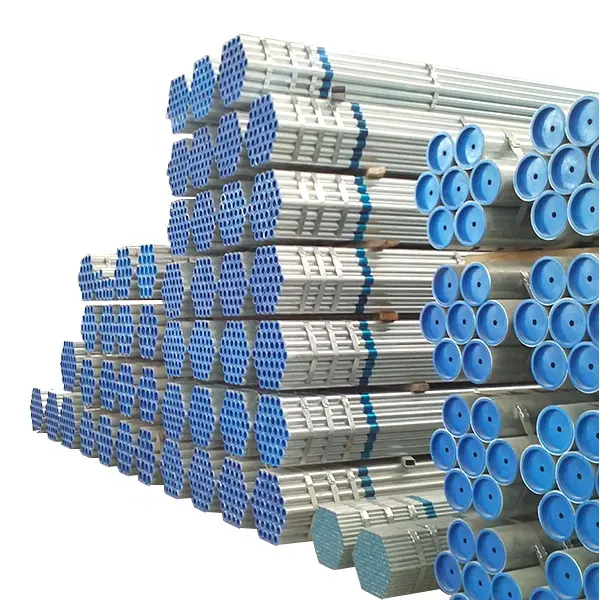
Pre-galvanized & hot-dipped pipes
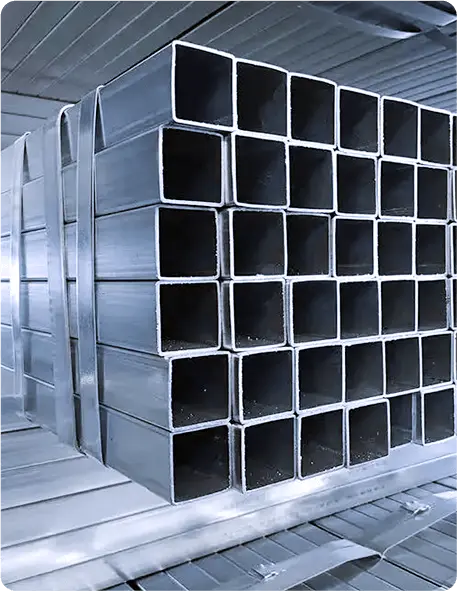
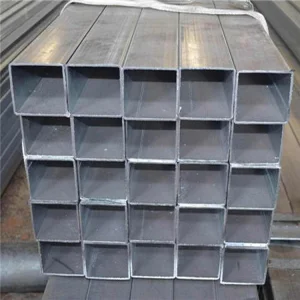
Square & rectangular hollow sections
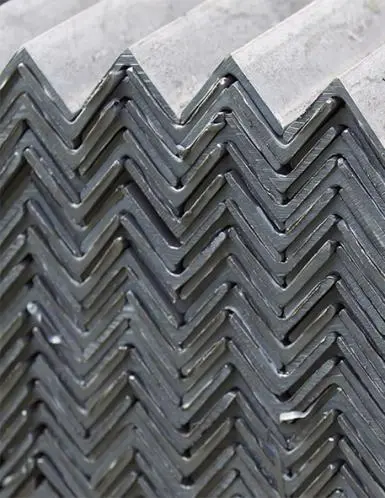
Hot rolled equal angles & channels

In-depth technical answers addressing B2B procurement queries, material performance, and industrial processing requirements.
Weldability is primarily determined by the carbon equivalent value (CEV). **Q235B** carbon steel typically has a lower CEV, making it highly weldable without preheating processes under standard environmental conditions. **Q345B** includes micro-alloying elements like vanadium, niobium, and titanium, which increase mechanical strength. While still highly weldable, thicker Q345B plates (exceeding 16mm) may require controlled cooling rates and preheating in low-temperature welding environments to prevent micro-cracking at the heat-affected zone (HAZ).
Slip resistance is evaluated via the Coefficient of Friction (CoF). The **five-bar pattern** provides high multi-directional slip resistance, making it suitable for industrial plants with grease or moisture presence. The **teardrop pattern** (highly prevalent in Chinese exports) balance traction with ease of cleaning, which is why it is preferred in transport vehicles and passenger gangways. The standard **diamond pattern** is suited for general structural walkways where high point friction is needed but cleaning demands are less stringent.
Red-oxide primer acts solely as a physical barrier coating. If scratched, moisture penetrates and corrodes the steel substrate underneath. **Hot-dip galvanizing (HDG)**, conforming to ISO 1461, creates a metallurgical bond between the zinc and steel. This provides barrier protection and cathodic protection: the zinc acts as a sacrificial anode, corroding to protect the steel. This keeps maintenance costs low and extends the lifecycle to 30-50 years in industrial environments.
Tianjin Minjie Steel employs high-precision automated leveling systems. During hot rolling and patterns printing, mechanical thermal sensors monitor rolling pressure across the plate width. This controls the flatness tolerances (typically within GB/T 709 standards) and ensures that the base plate thickness remains uniform. This uniformity prevents assembly alignment issues when welding or bolting plates to structural sub-frames.
Yes. Standard carbon steel checker plates can be processed using industrial shear cutters, plasma torches, or laser cutting setups without degrading the integrity of the surrounding embossed patterns. During bending or press brake forming, the die profile should accommodate the raised pattern height to prevent local cracking on the outer bend radius.
Explore our engineering pipeline assemblies, low-galvanized ERW tubes, and structural steel profiles manufactured under certified quality control systems.
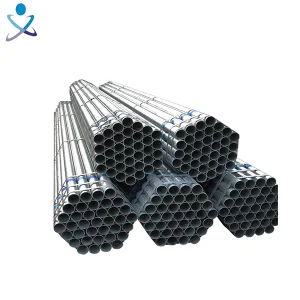
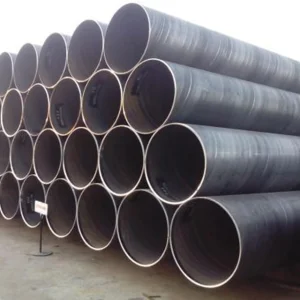
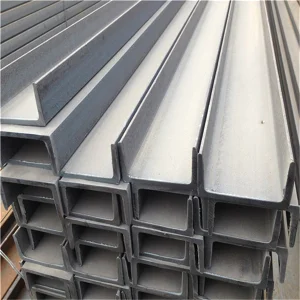
Browse our verified metal tubing product list for specialized construction engineering, architectural railings, and precision industrial machinery fabrications.
 Minjie Steel