 Minjie Steel


1. Surface Galvanization Mechanisms
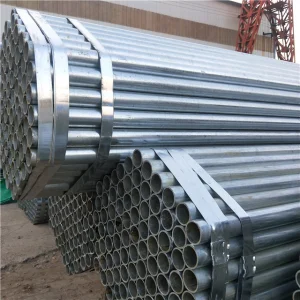
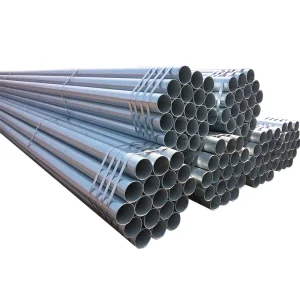
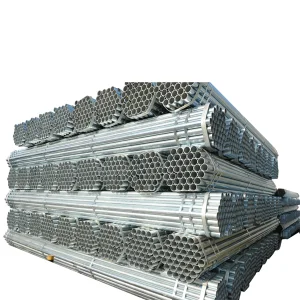
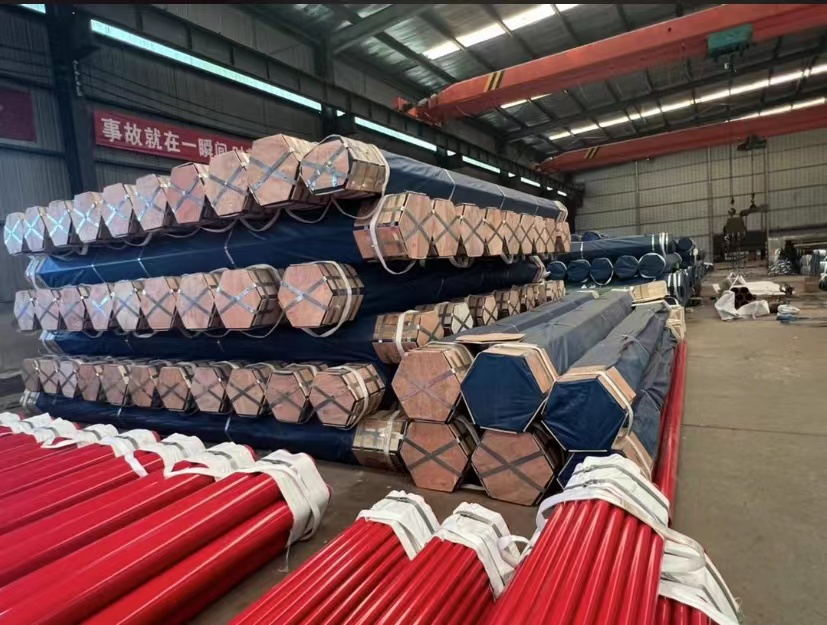
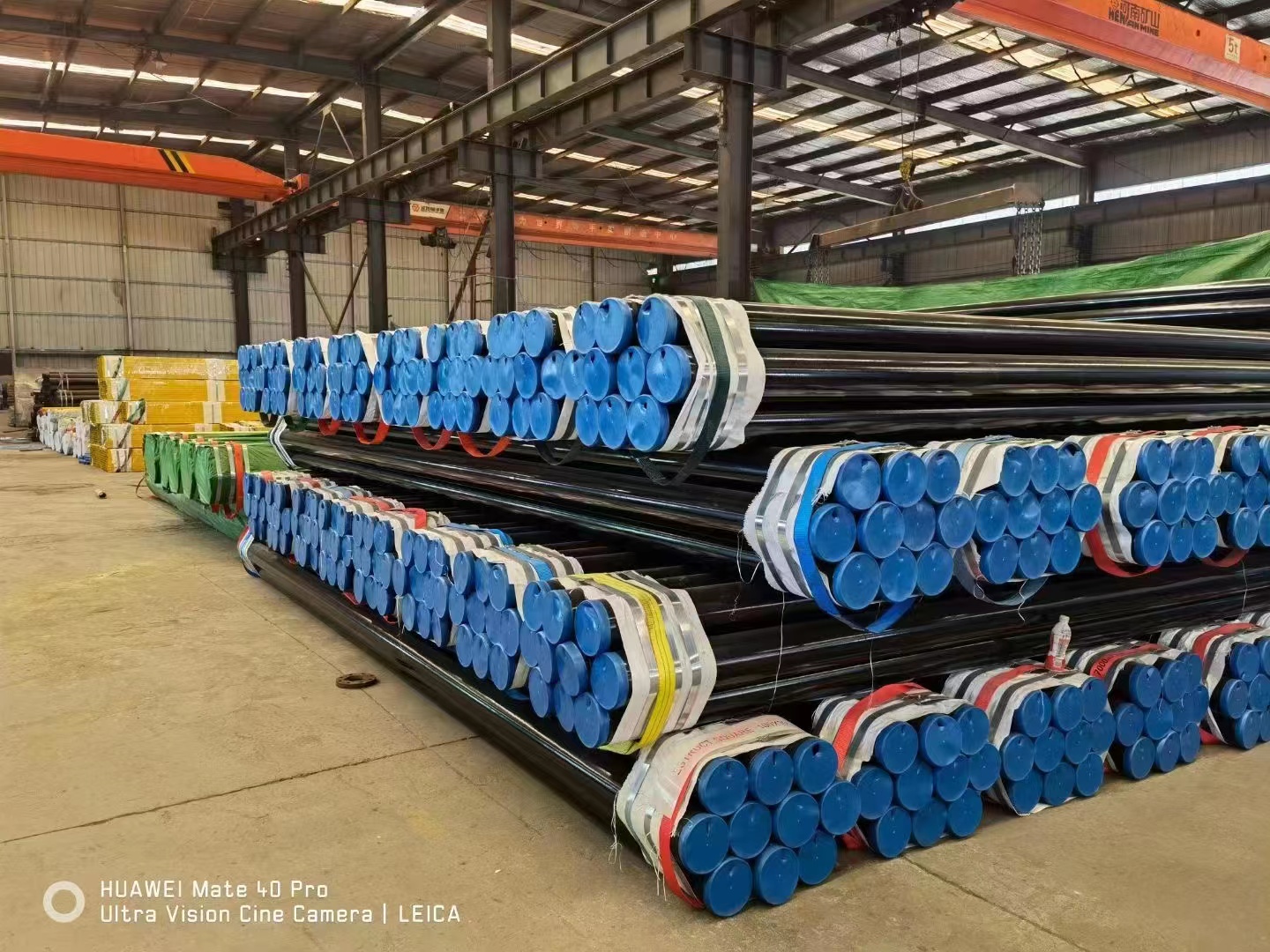
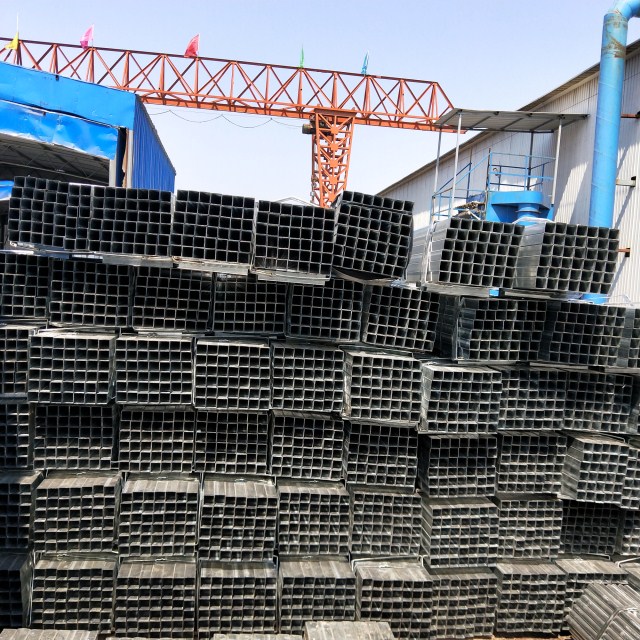
Specifying the correct surface finish for carbon steel pipes is critical for long-term project viability. The two primary industrial methods are Pre-Galvanizing and Hot-Dip Galvanizing (HDG).
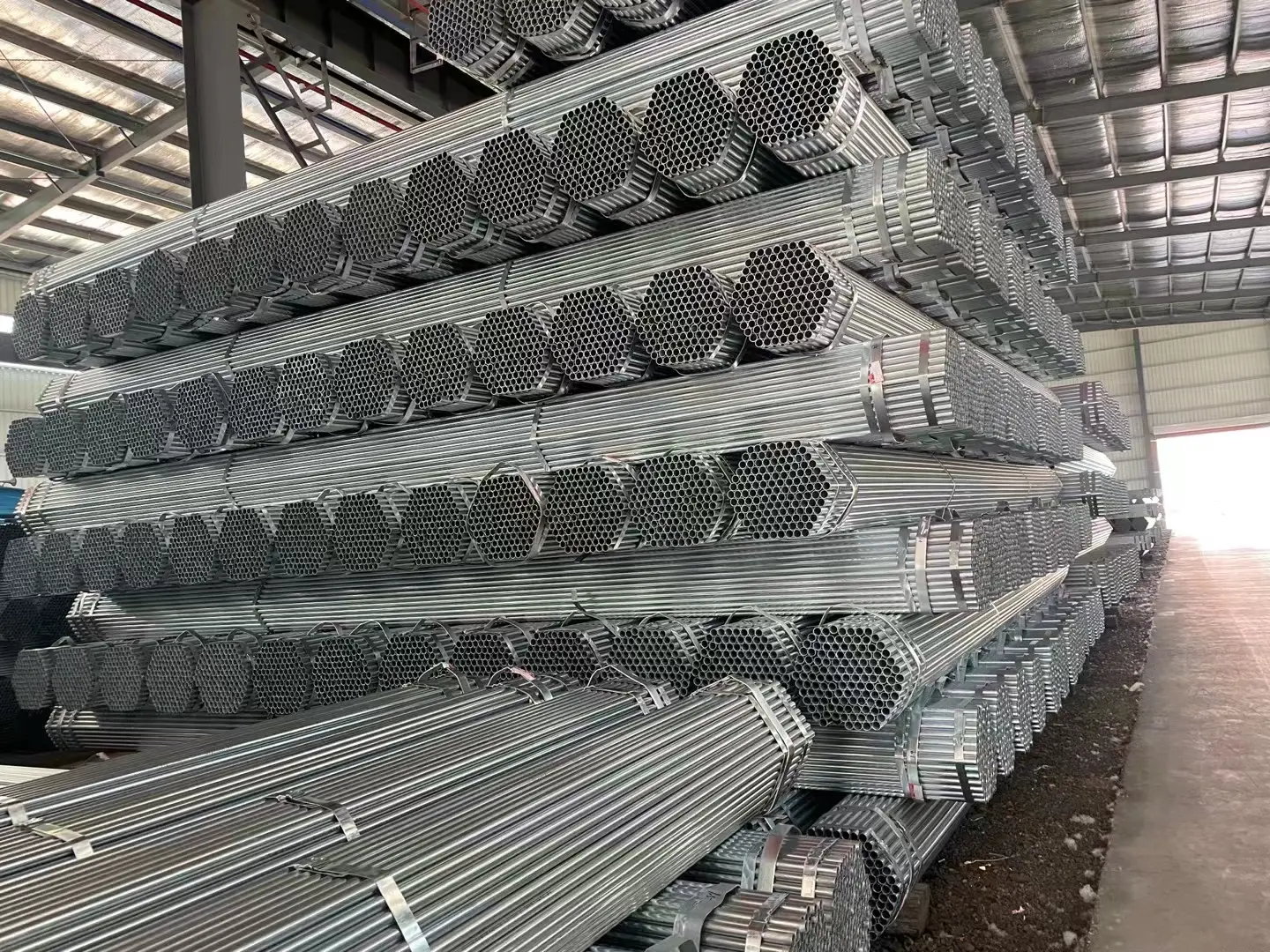
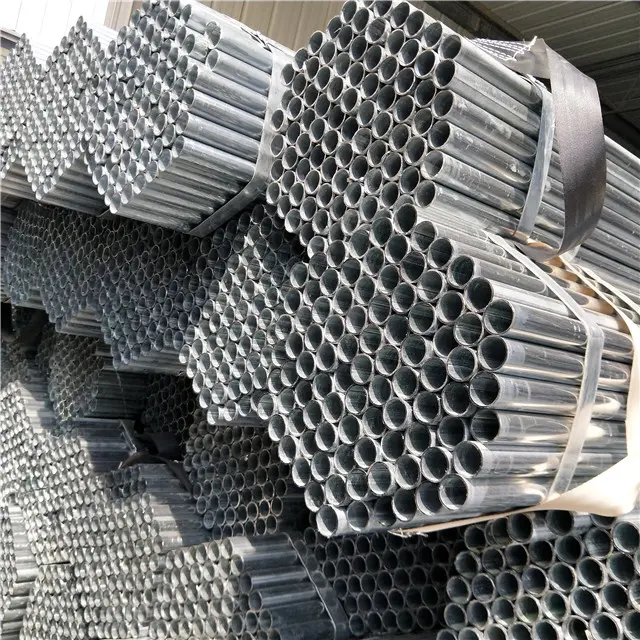
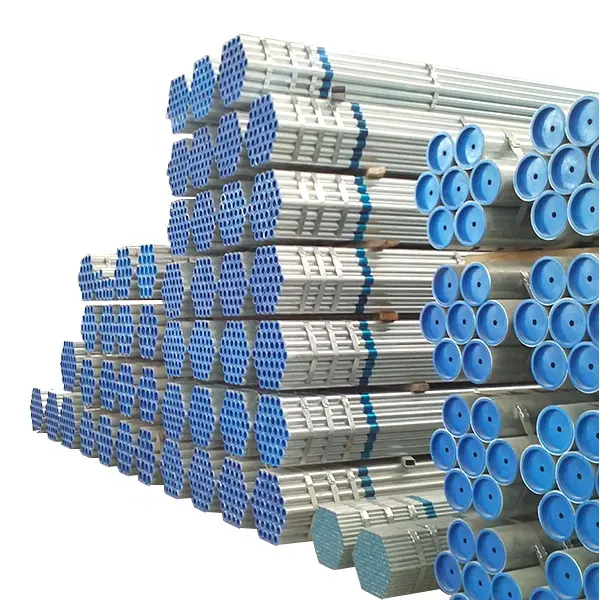
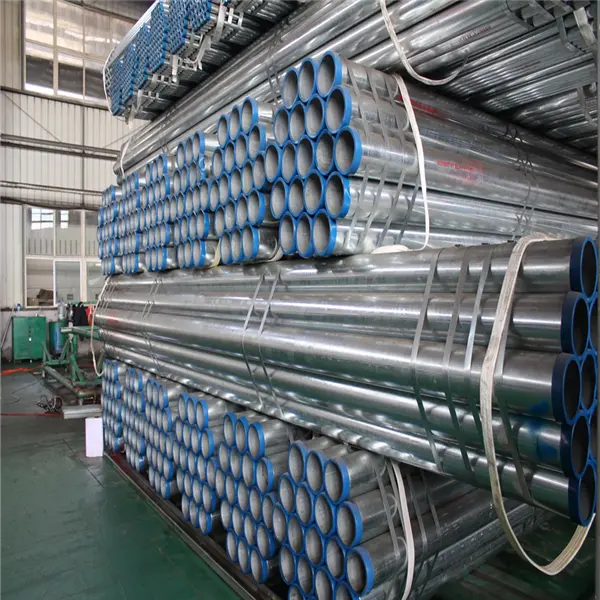
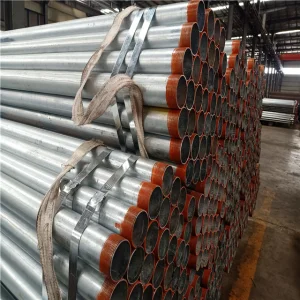
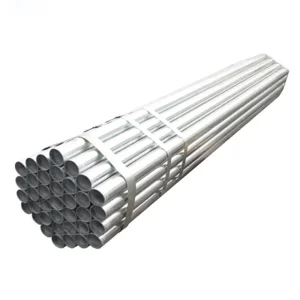
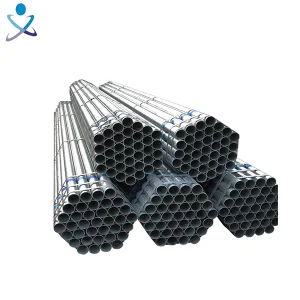
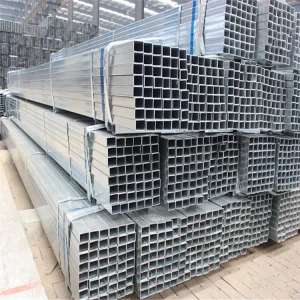
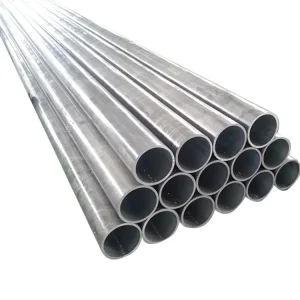
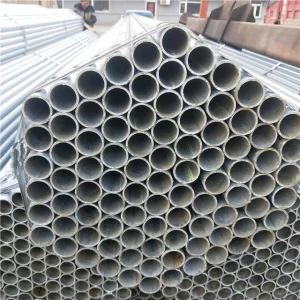
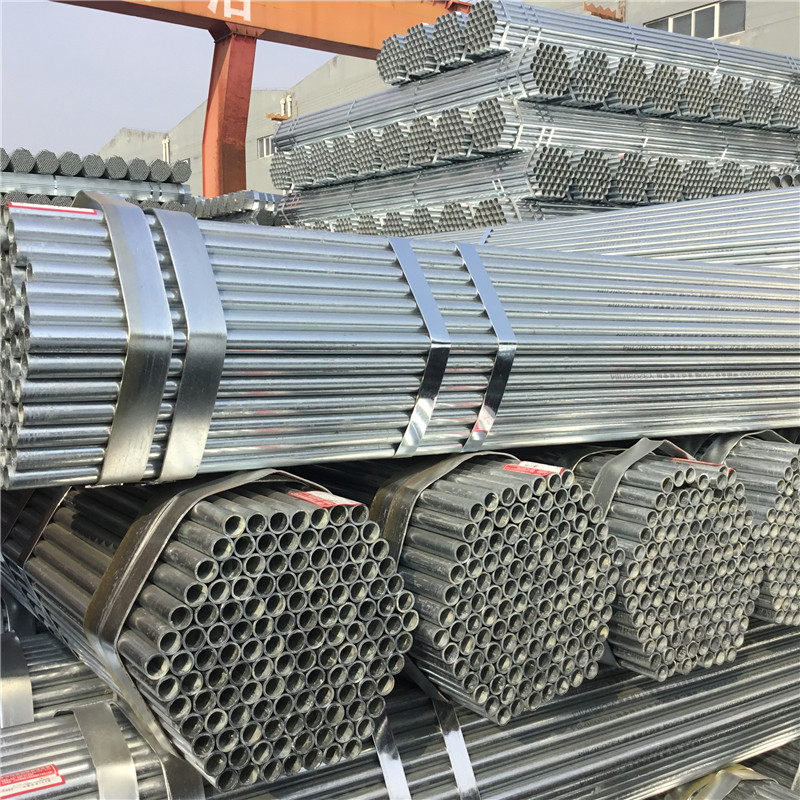
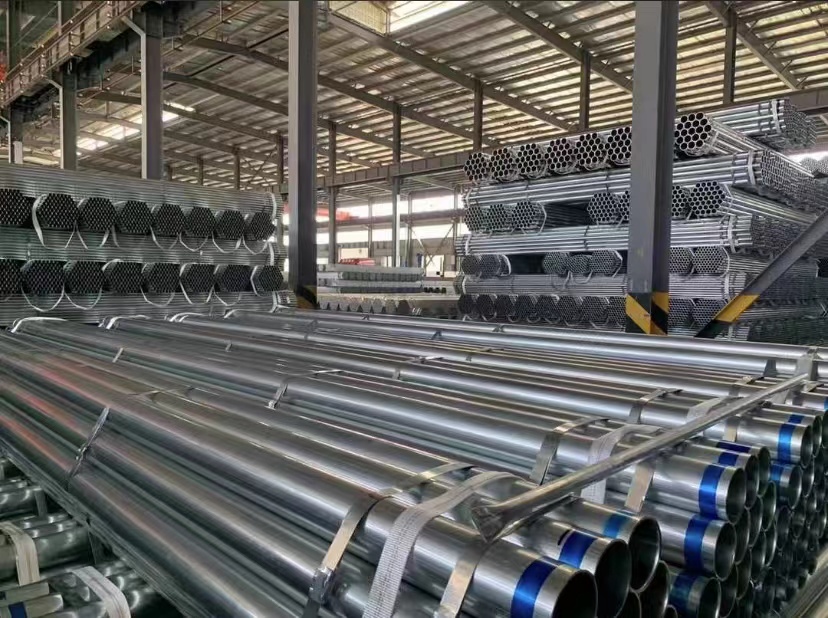
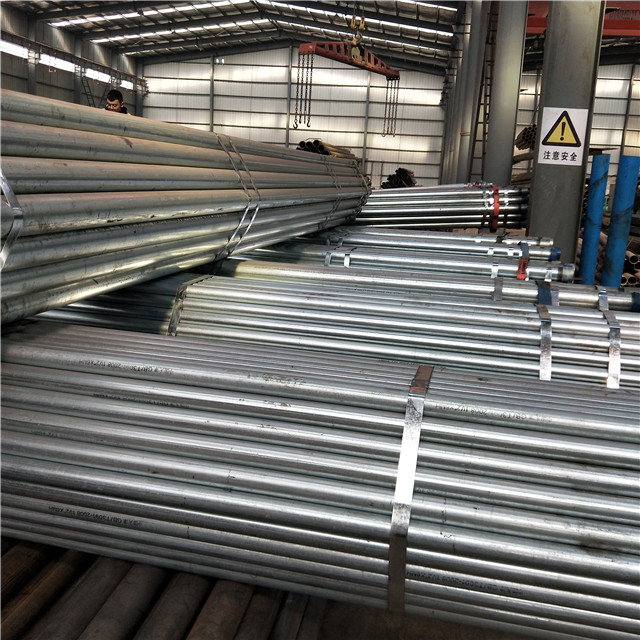
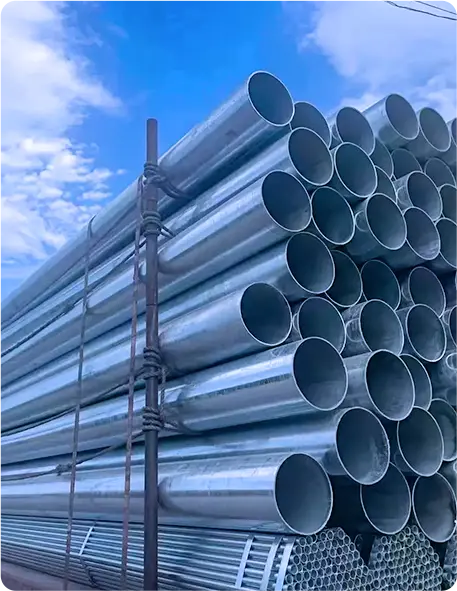
Pre-galvanized tubes are manufactured from steel sheets that have already been zinc-coated in a continuous processing line. This provides a highly uniform, smooth finish, typically ranging from 100 to 220 g/m². It is ideal for indoor structural frames, agricultural greenhouses, and light engineering applications.
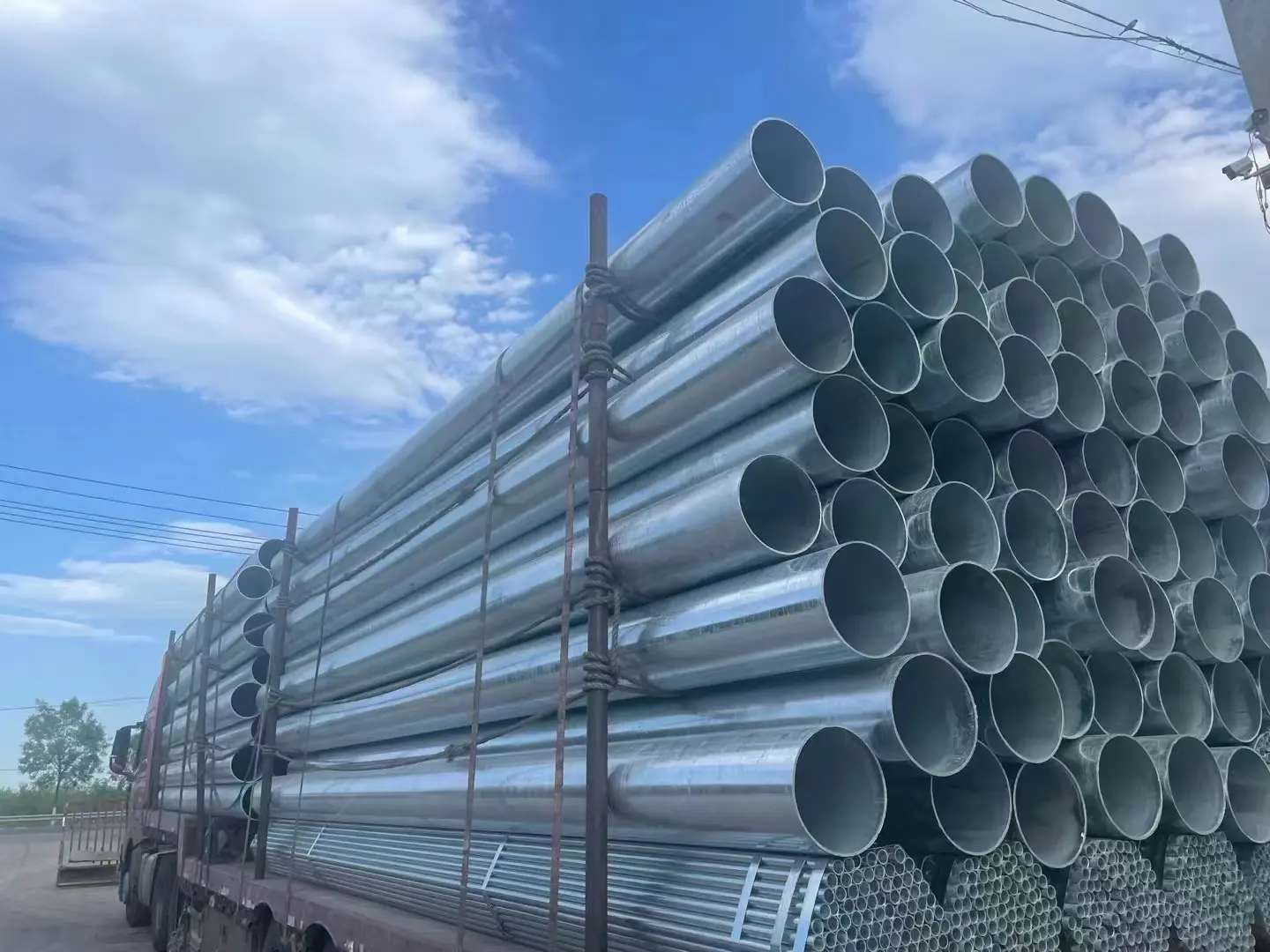
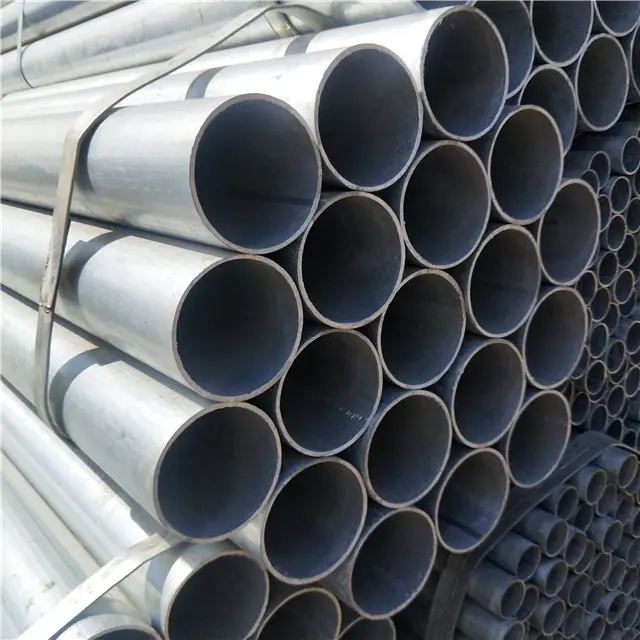
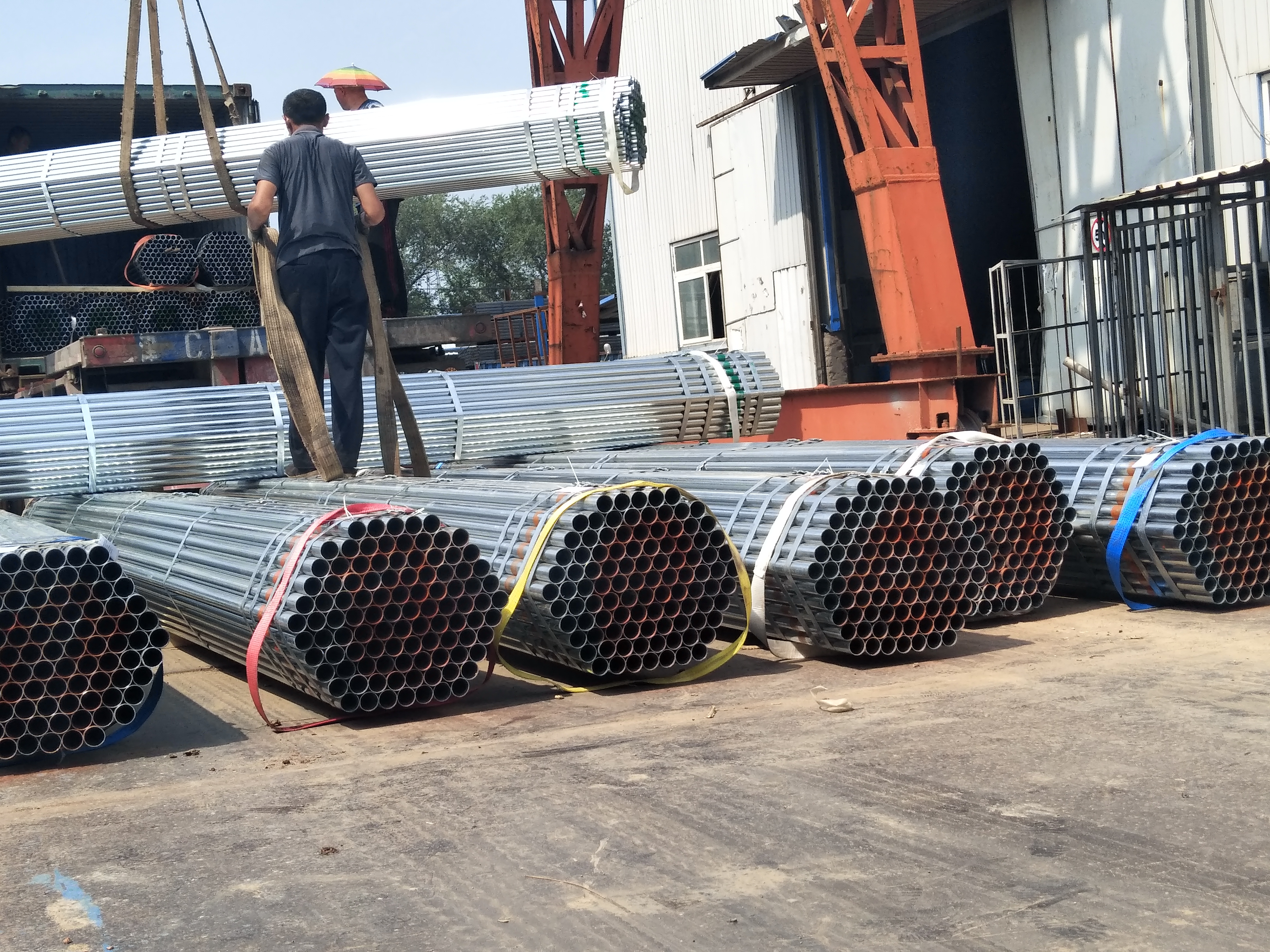
In contrast, Hot-Dip Galvanized (HDG) pipes undergo fabrication before being immersed in a molten zinc bath at approximately 450°C. This forms a series of iron-zinc alloy layers topped by a pure zinc outer layer. With coating weights regularly exceeding 300 to 600 g/m², HDG pipes are engineered for harsh outdoor environments, water distribution lines, and industrial facilities exposed to high humidity and corrosive agents.
2. Yield Strength and Material Selection (Q235B vs. Q355B)
Selecting the appropriate steel grade directly impacts the structural integrity and weight optimization of an engineering project:
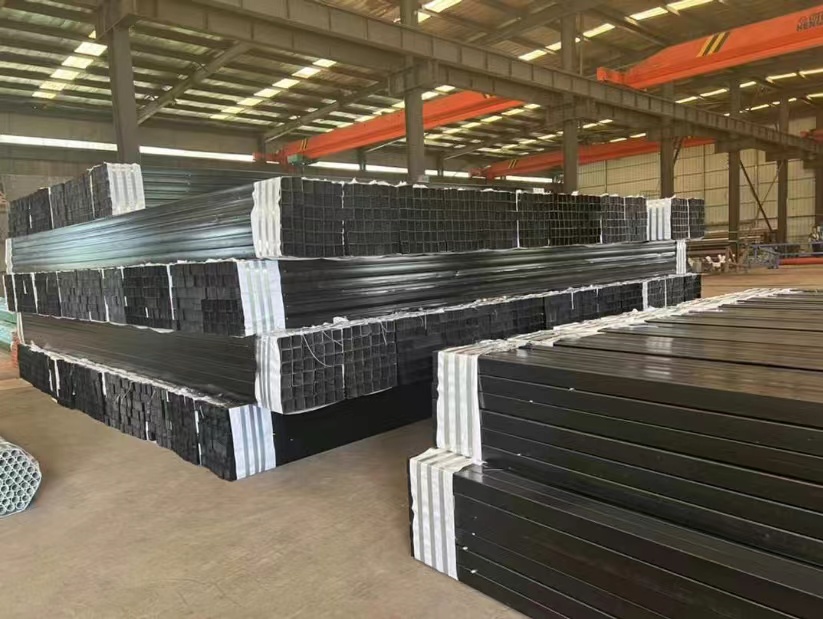
- Q235B / S235JR: An excellent general-purpose carbon steel offering balanced ductility and weldability. With a minimum yield strength of 235 MPa, it is the standard choice for scaffolding tubes, low-pressure fluids, and structural supports where excessive loading is not anticipated.
- Q355B / S355JR: A high-strength, low-alloy (HSLA) steel with a minimum yield strength of 355 MPa. It allows engineers to reduce wall thickness and total structural weight without compromising safety margins. It is widely used in solar tracker frames, transmission towers, and high-load building trusses.
3. Weld Seam Quality in ERW Steel Pipes
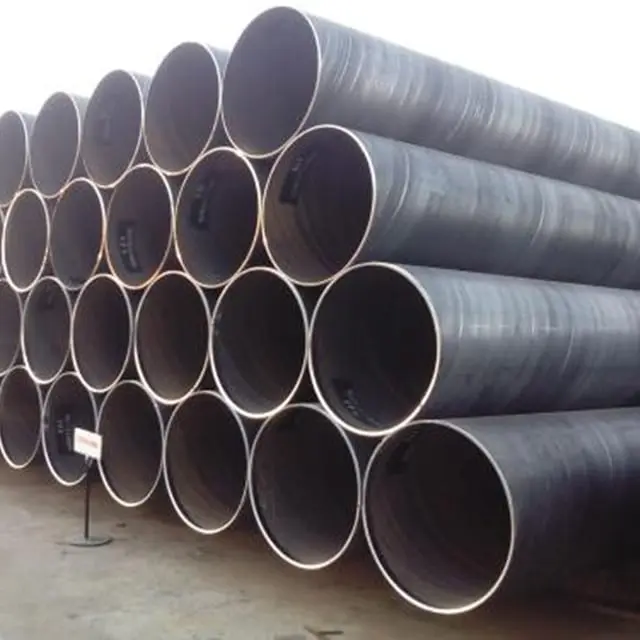
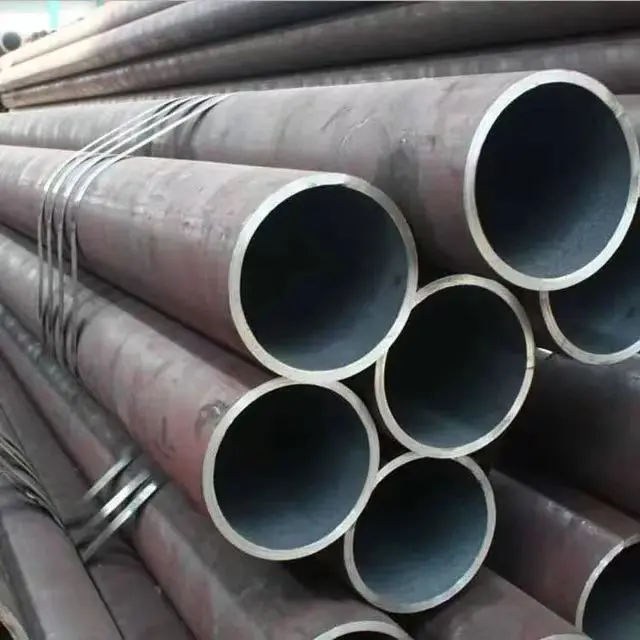
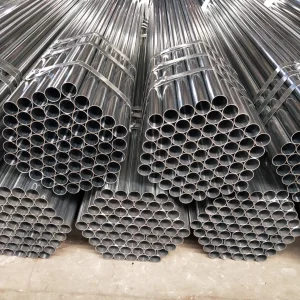
Electric Resistance Welded (ERW) pipes are produced by cold-forming steel coils into a cylindrical shape. High-frequency electrical current is then passed through the edges to forge them together under pressure.
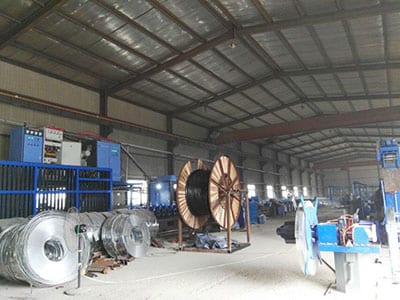
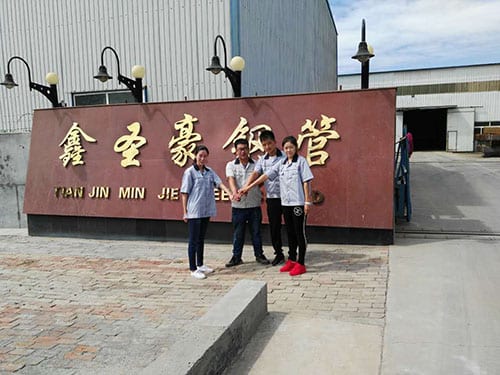
To prevent premature joint failure, Tianjin Minjie Steel employs online ultrasonic weld seam inspections and post-weld heat treatment (PWHT) induction coils. This normalizes the grain structure at the weld line, matching it to the parent metal and ensuring uniform strength throughout the pipe's diameter.
4. Crucial Transport and Port Proximity Factors
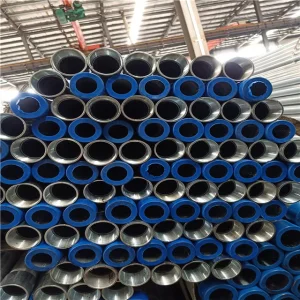
The physical distance from the manufacturing facility to the shipping port is a critical factor in global supply chain planning. Logistical handling over long distances increases the risk of mechanical damage, coating wear, and oxidation from environmental humidity.
Located only 40 kilometers from XinGang Port in Tianjin, Minjie minimizes handling times and inland transportation costs. Pipes are transferred directly from our climate-controlled warehouses to container ships, protecting the zinc coating from sea-air exposure during initial transit phases.