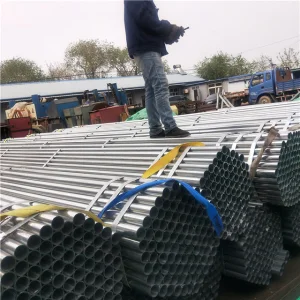
Engineered to satisfy safety, durability, and load requirements on European job sites.
Established in 1998, Tianjin Minjie Steel Co., Ltd. has expanded into an industry-leading manufacturer and exporter of scaffolding components, adjustable shoring props, and structural steel tubing. Our manufacturing base covers more than 70,000 square meters, strategically situated 40 kilometers from XinGang Port (Tianjin)—the primary shipping hub in Northern China. This prime location guarantees rapid container load-outs and seamless logistics to major international hubs, including the Port of Hamburg, serving Berlin and broader European markets.
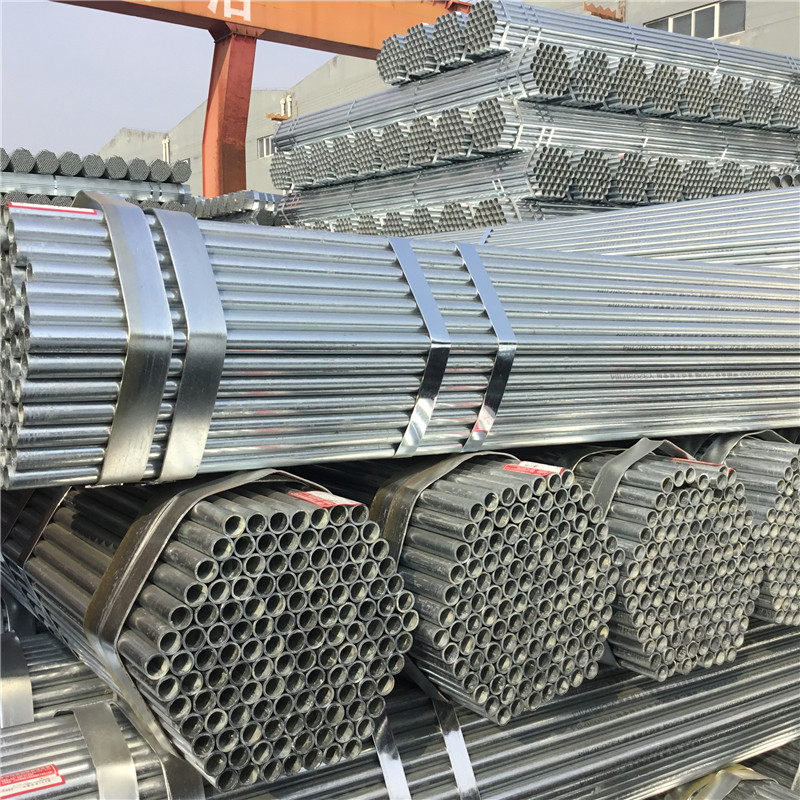
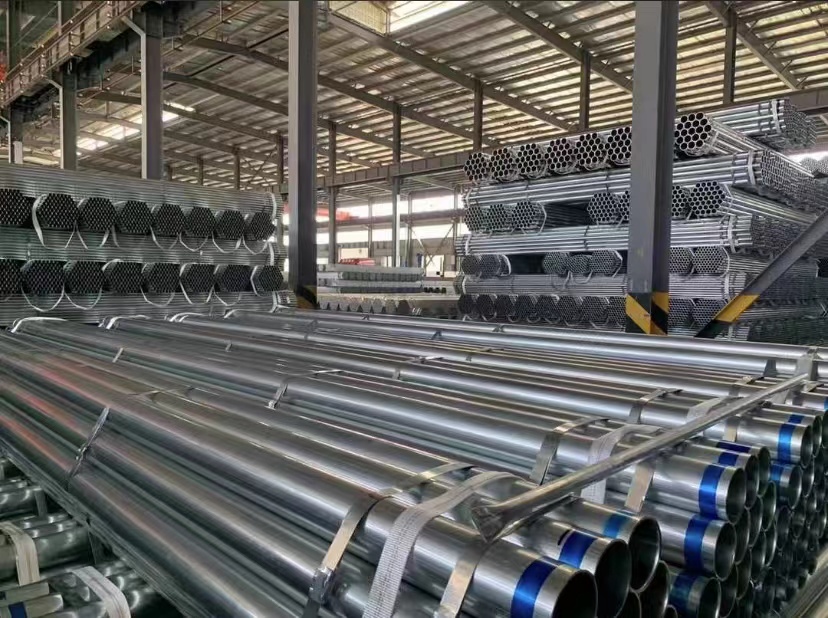
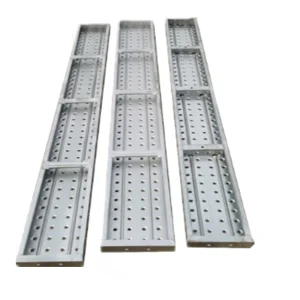
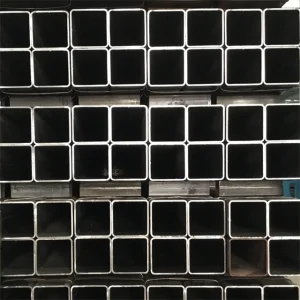
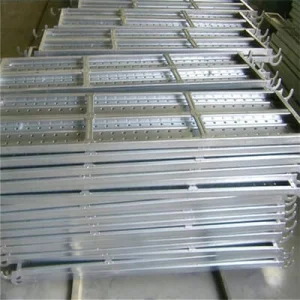
Our manufacturing ecosystem includes 4 pre-galvanized product lines, 8 ERW steel pipe lines, and 3 hot-dip galvanized process lines. We engineer products to meet international quality frameworks, operating in strict compliance with DIN, GB, ASTM, and JIS standards. Driven by an ISO 9001:2015 quality management system, our facility is recognized by municipal authorities for excellence, sustaining an annual export output exceeding 300,000 metric tons of structural steel and scaffolding assemblies.
Berlin's structural landscape demands a balanced blend of heritage preservation and modern engineering. From structural reinforcements in historic structures to complex concrete formwork systems in new corporate zones, construction projects in Berlin require certified, versatile load-bearing systems. Local developers are prioritizing sustainable building methods, requiring scaffolding and shoring components that deliver extended service lives and reliable performance.
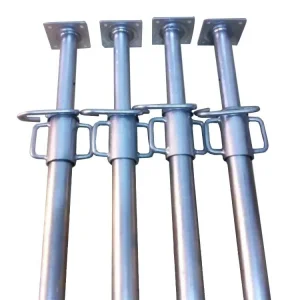
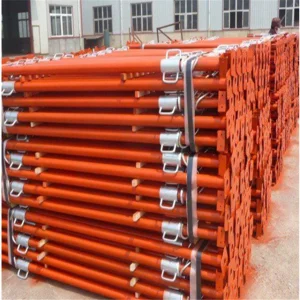
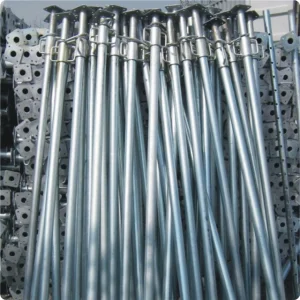
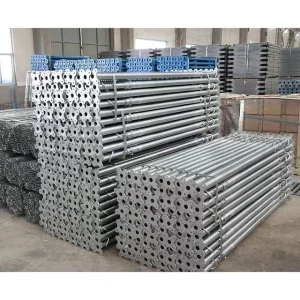
Safety remains paramount under German structural guidelines. Heavy-duty adjustable steel props are essential for modern concrete construction, acting as critical temporary support members during slab pours, beam placements, and structural remodels. In Berlin's densely built areas, scaffolding systems must handle offset loads and support varying floor-to-ceiling heights while keeping a minimal physical footprint on-site.
Adjustable steel props bound for Berlin and the wider German market must satisfy the design and testing criteria of DIN EN 1065 (Adjustable telescopic steel props - Product specifications, design and assessment by calculation and tests). This standard divides props into distinct classes based on nominal load capacities:
The temporary support industry is shifting toward high-strength, lightweight materials and smart monitoring systems. Future developments focus on integrating load sensors into structural shoring props. These sensors transmit real-time stress, deflection, and load-distribution data directly to on-site engineers via IoT hubs, preventing structural failures before they happen.
We are upgrading our manufacturing systems by adopting high-strength micro-alloyed steel. This allows us to reduce wall thicknesses while maintaining rated load limits, making assembly and handling on-site more efficient. Automated robotic welding systems ensure consistent weld profiles, eliminating micro-voids and improving weld root penetration to deliver predictable performance under cyclic loading.
Procuring directly from our China Factory 4.0 facilities gives Berlin-based contractors, distributors, and rental networks a clear cost advantage. By utilizing computerized raw material feeding, automated tube cutting, and high-precision threading lines, we minimize material waste and sustain competitive pricing.
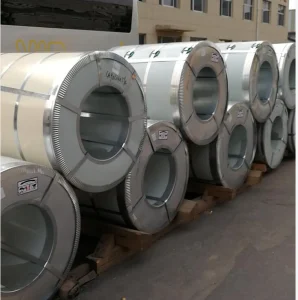
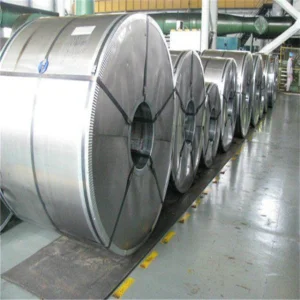
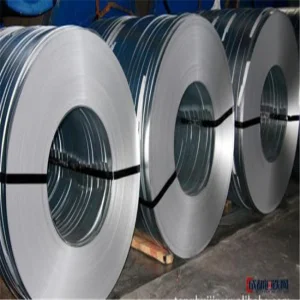
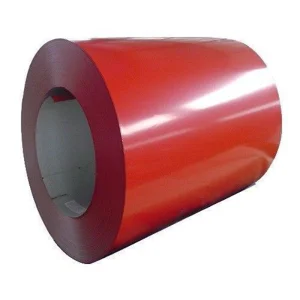
Our quality assurance process is integrated at every stage. Raw steel coils undergo metallurgical verification, while finished props are load-tested using hydraulic test fixtures. Partnering with major shipping lines out of Xingang Port allows us to offer transparent logistics, clear container customs clearance processes, and predictable transit times to German inland hubs.
When importing adjustable steel props into Germany, purchasing teams must coordinate several operational and technical factors to ensure compliance:
Building long-term partnerships through transparent manufacturing and certified quality.
Collaborated closely on complex high-rise formwork specifications. Handled rigorous on-site load testing to confirm performance under humid tropical conditions.
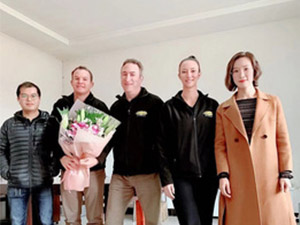
Long-term client audited our facility in 2018, confirming AS/NZS compliance across our automated welding lines and verifying steel chemical properties.
Partnered in 2019 to manufacture custom scaffold configurations. Achieved strict dimensional accuracy for clean integration into pre-built frame systems.
Expert answers addressing the design, safety, and supply of telescopic shoring systems.
Full-spectrum metal components, structural tubes, and hot-dip galvanized materials.
 Minjie Steel