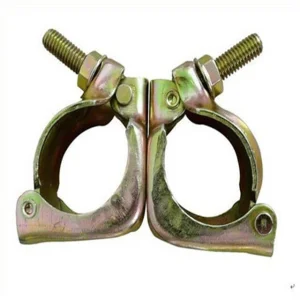
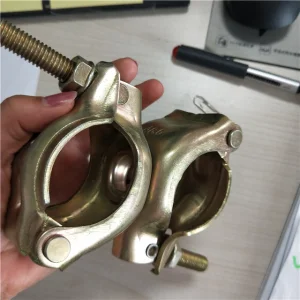
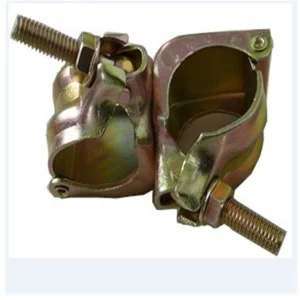
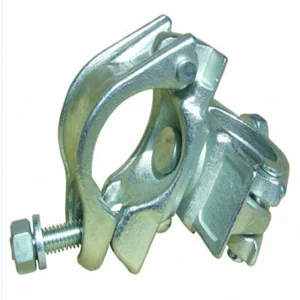
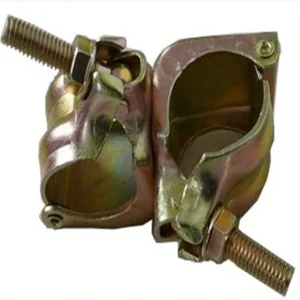
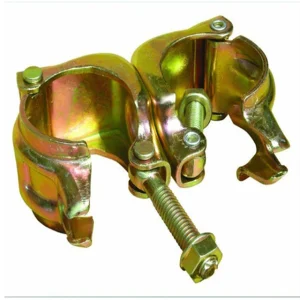
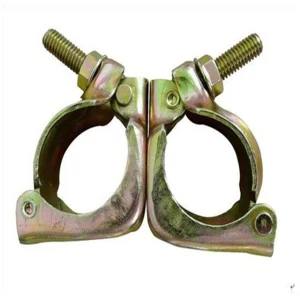
Premium grade heavy-duty couplers engineered for extreme load parameters and maritime environment resistance.
The construction industry in New Zealand represents a critical driver of the national economy. With high seismic activity zones across both the North and South Islands (such as the Wellington Fault and Alpine Fault systems), safety regulations govern scaffolding with rigorous structural frameworks. Access structures must comply strictly with the AS/NZS 1576 series (Parts 1-6) and the joint standard AS/NZS 1577 for scaffold planks.
Scaffolding couplers serve as the vital connection nodes within tube-and-fitting configurations. In New Zealand's commercial developments, civil infrastructure works, and industrial marine environments, the durability and load capacity of these couplers are non-negotiable. Substandard couplers pose significant structural risks under dynamic load shifts, high wind speeds, and seismic occurrences.
Tianjin Minjie Steel Co., Ltd. supplies high-performance drop-forged and pressed couplers specifically adapted to these environmental demands. Every shipment features traceable steel chemistry, strict quality certification, and robust hot-dip galvanization designed to counter coastal salt spray and high atmospheric humidity.
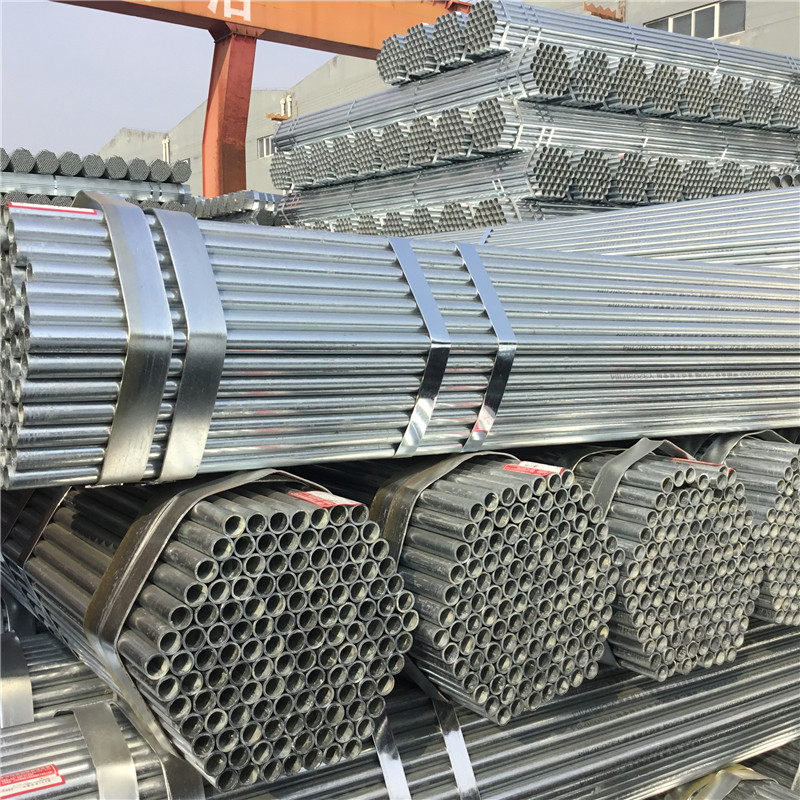
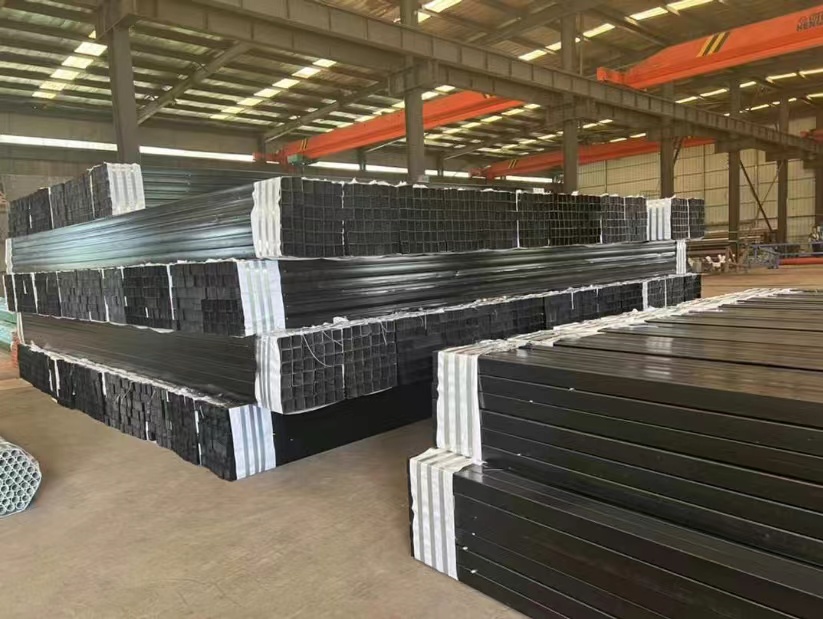
Established in 1998, Tianjin Minjie Steel Co., Ltd. operates a state-of-the-art manufacturing plant covering more than 70,000 square meters. Our factory is located 40 kilometers from XinGang Port (Tianjin), the largest seaport in Northern China, which enables highly efficient maritime shipping direct to ports in New Zealand, including Auckland, Lyttelton, and Tauranga.
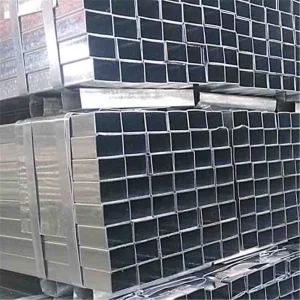
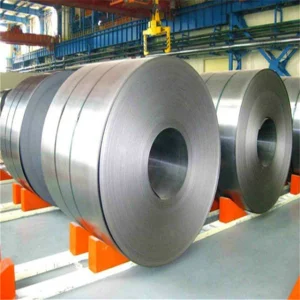
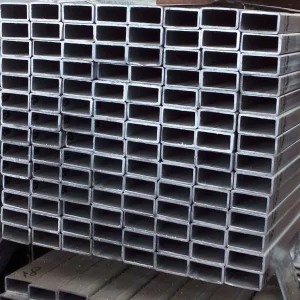
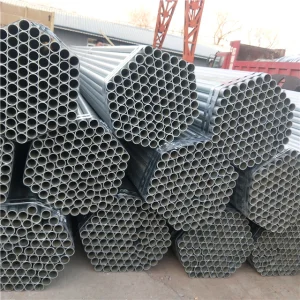
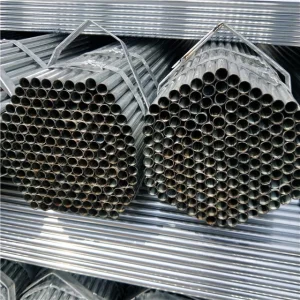
We are a dedicated manufacturer and exporter of structural steel products. Our core product portfolio features pre-galvanized steel pipe, hot-dip galvanized pipe, welded steel pipe, square and rectangular hollow sections, and structural scaffolding systems. Over decades of targeted research and development, we have secured 3 proprietary patents: groove pipe, shoulder pipe, and victaulic pipe connection systems.
Our facility houses 4 pre-galvanized product lines, 8 high-frequency Electric Resistance Welded (ERW) steel pipe production lines, and 3 specialized hot-dip galvanizing lines. All manufacturing outputs comply with international standards, including GB, ASTM, DIN, and JIS, backed by ISO 9001 certification.
With an annual production capacity exceeding 300,000 metric tons, we provide commercial-scale supply security to international distributors and infrastructure developers.
Year Established
Factory Footprint
Annual Production Capacity
AS/NZS Compliant Batches
Strategic logistics, advanced metallurgy, and strict compliance structures create a reliable supply chain model.
We source high-quality structural steel raw material (typically Q235B or Q355B grades) from leading state-owned steel mills in northern China. This raw material consistency ensures that couplers maintain their mechanical properties under extreme shear, slip, and torque forces.
Our specialized hot-dip galvanizing lines apply a uniform zinc coating exceeding 40 microns in thickness, complying with AS/NZS 4680 standards. This provides critical barrier protection against New Zealand’s high salt spray environments.
We subject each production run to rigorous mechanical testing. This includes slip load and ultimate load tests, distortion analysis, and chemical composition tracking, all documented via Mill Test Certificates (MTCs) for standard verification.
Our products are utilized in major civil, industrial, and residential works across Australia, Singapore, and South Korea.
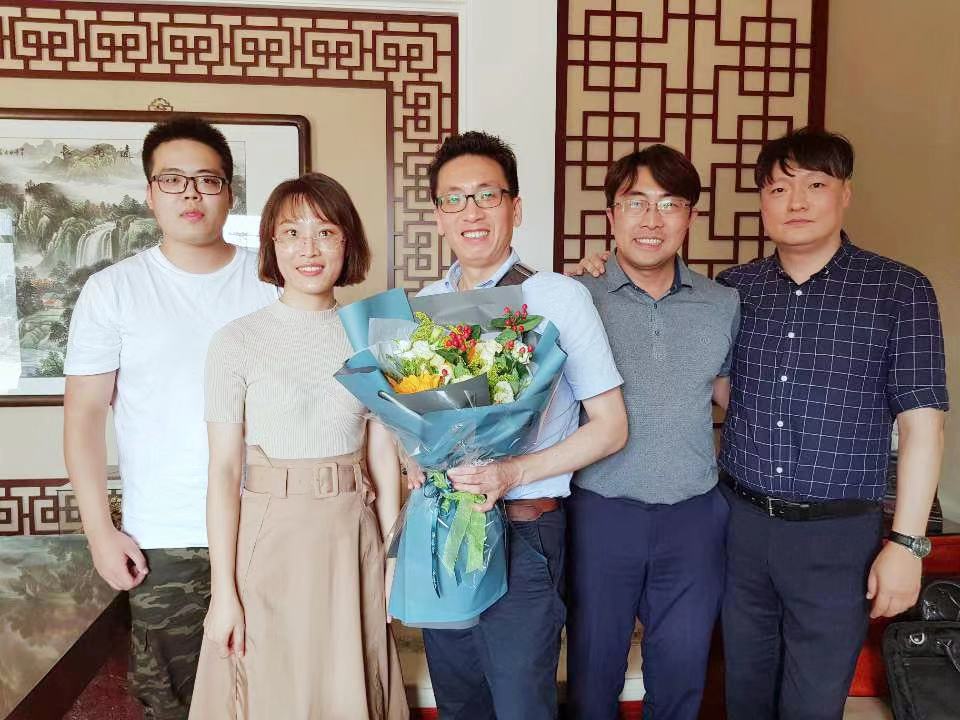
In 2019, our team visited structural engineering clients in Singapore to secure supply lines for heavy-duty structural steel and scaffolding tubes.

Long-term Australian clients visited our production plant in late 2018 to audit our hot-dip galvanizing lines and verify conformity with AS/NZS standards.
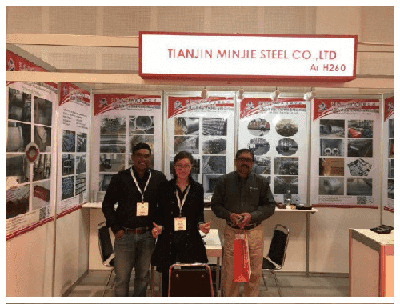
We participate in the Canton Fair annually, connecting directly with overseas scaffolding hire firms, engineering contractors, and procurement offices.
Our scaffolding systems and high-capacity couplers are engineered for major commercial developments and industrial settings throughout New Zealand, including:
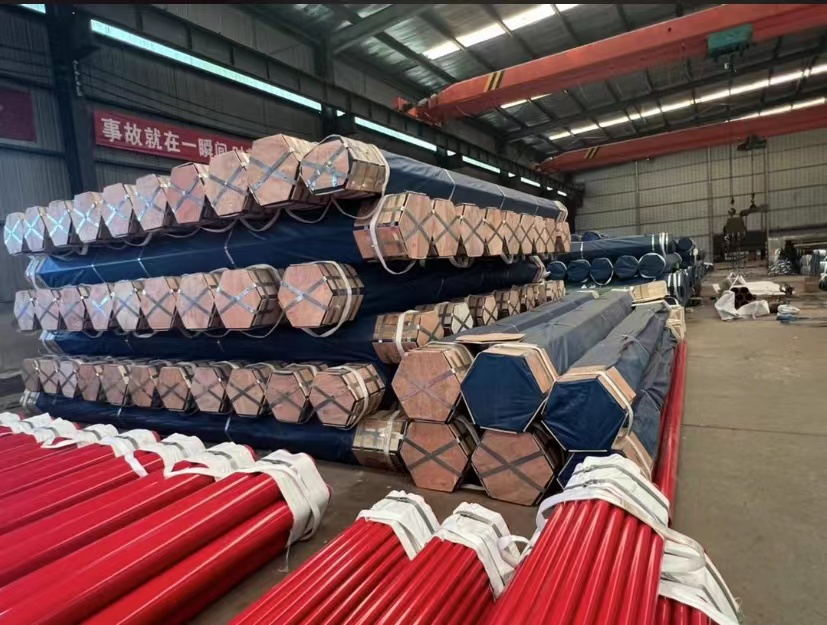
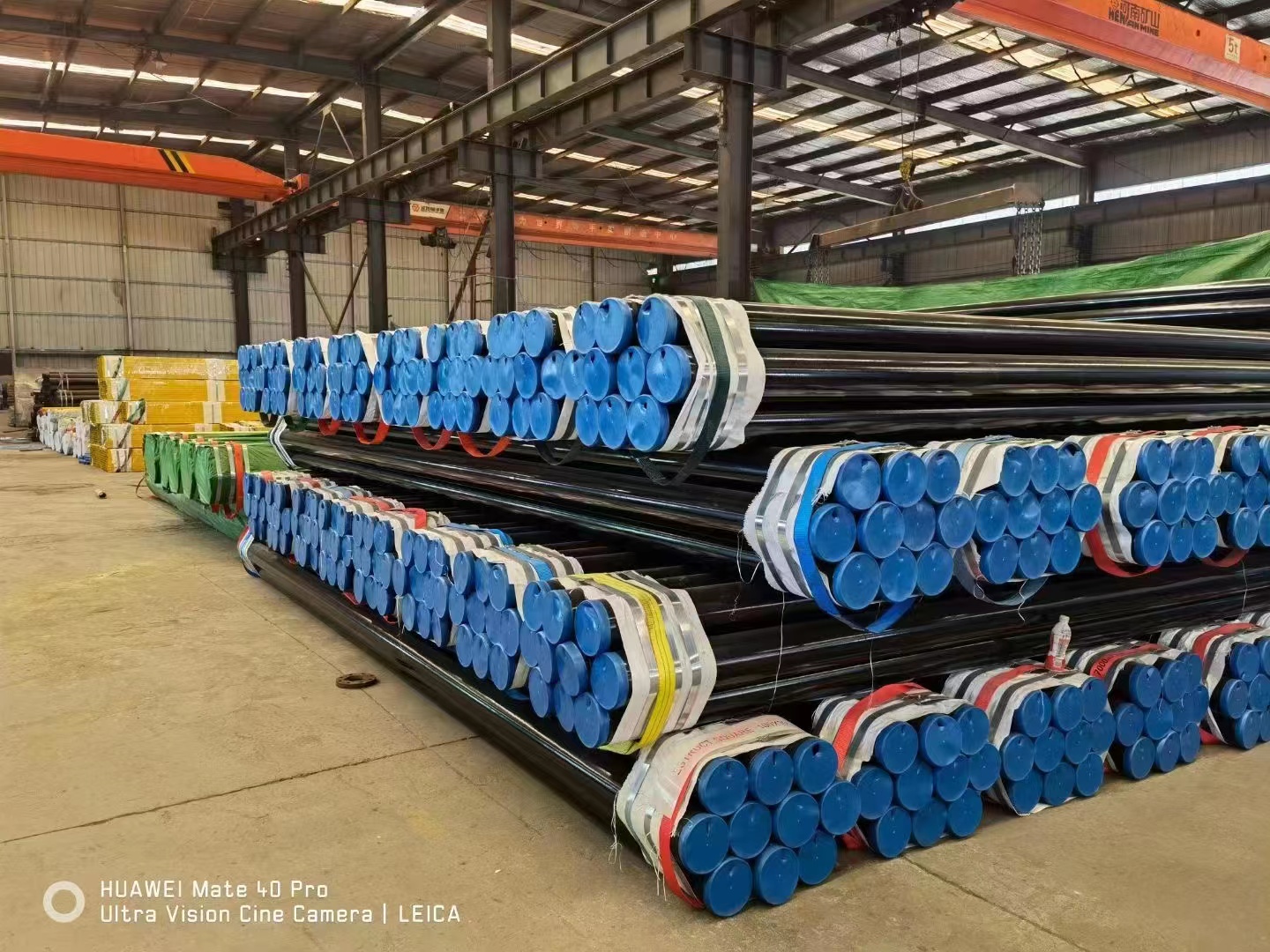
Explore our comprehensive selection of scaffolding accessories, structural hollow sections, and raw steel products.
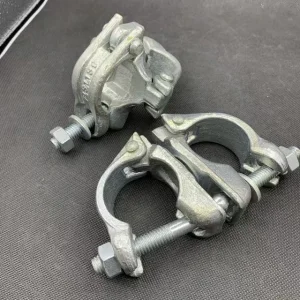
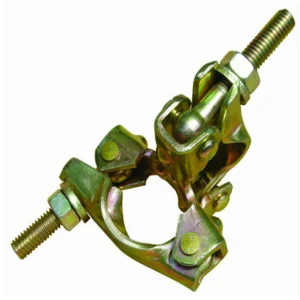
Understanding structural differences is essential for safety compliance on commercial projects. Scaffolding couplers fall into two major classifications based on their manufacturing process: Drop Forged and Pressed Steel.
| Technical Parameters | Drop Forged Couplers | Pressed Steel Couplers |
|---|---|---|
| Manufacturing Method | Forged from heated solid structural carbon steel dies. | Cold-pressed from high-yield structural steel sheets. |
| Compliance Standard | AS/NZS 1576.1 / EN 74-1 Class B (Heavy Duty) | AS/NZS 1576.1 / EN 74-1 Class A (Light-Medium Duty) |
| Typical Application | Heavy-load bearing junctions, perimeter structures, and dynamic wind loading zones. | Internal guard rails, standard handrails, and low-height residential framing. |
| Slip Resistance (Kn) | Typically ≥ 15 kN slip load resistance. | Typically ≥ 10 kN slip load resistance. |
| Corrosion Protection | Thick Hot Dip Galvanization (HDG). | Electro-galvanized or Zinc Plated. |
A primary failure point in scaffolding setups is coupler slippage. To address this risk, our testing laboratory performs batch testing on both standard double couplers (90-degree) and swivel couplers. This testing process measures deformation under load limits and tracks slippage levels when tightened to the recommended torque of 54 Nm.
Additionally, because high-tensile scaffolding pipes in New Zealand are standardized at 48.3mm outside diameter with wall thicknesses of 3.2mm or 4.0mm, our coupler dimensions are calibrated to fit these configurations securely. This precise engineering prevents tube deformation and maintains stable clamping force throughout the project lifecycle.
Direct technical answers regarding compliance, material testing, shipping, and customization for the New Zealand market.
Yes. All of our structural scaffold couplers are manufactured to meet the structural and mechanical testing requirements of AS/NZS 1576.1. We provide complete mill test certificates, steel grade verification, and load testing records with every shipment to support your compliance audits.
We primarily utilize high-tensile Q235B and Q355B carbon steel for our drop-forged structural clamps, ensuring high yield strength and ductility. For pressed steel options, we use cold-rolled structural steel coils that maintain their shape during pressing and form a strong grip on standard 48.3mm steel tubes.
We apply high-durability hot-dip galvanizing (HDG) to our products. This coating provides a thick layer of zinc (often exceeding 40-50 microns) that shields the steel core from marine environments, salty air, and coastal moisture. For dry or inland projects, we also supply cost-effective electro-galvanized finishes.
Yes. We offer custom stamping services for bulk import orders. We can stamp your company name, brand logo, batch number, or specific standard labels (such as "AS/NZS 1576") directly onto the coupler bodies during the forging process. This supports identification, tracking, and asset management in rental yards.
Our factory is located 40 kilometers from XinGang Port (Tianjin), one of the region's major deepwater container ports. Production lead times typically range from 20 to 30 days, depending on order volume and customization requirements. Direct sea shipping to major ports like Auckland, Tauranga, or Lyttelton usually takes 18 to 28 days.
Absolutely. We welcome inspections from independent testing agencies, such as SGS, TÜV, or Intertek, at our Tianjin facility. Inspectors can verify dimensional tolerances, perform loading tests, check coating thickness, and witness batch packing prior to sealing and container loading.
 Minjie Steel