High-durability structural fittings engineered to withstand severe environments in Johannesburg, Cape Town, and Durban industrial sectors.
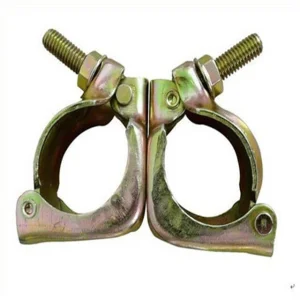
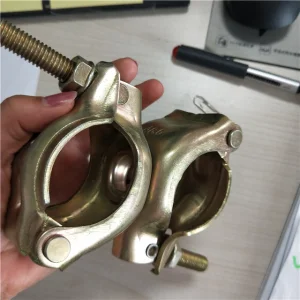
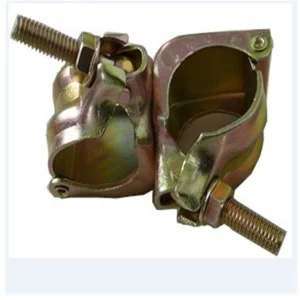
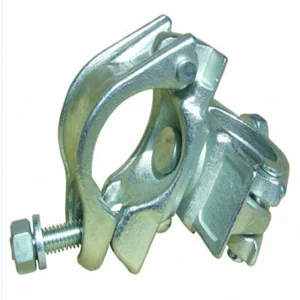
The industrial and infrastructure matrix of South Africa is undergoing significant development. Driven by major public infrastructure programs managed by entities like SANRAL, combined with structural expansions in deep-level gold and platinum mines across the Bushveld Igneous Complex, the demand for ultra-safe, high-strength structural connection components has never been more urgent.
In regions such as Gauteng and KwaZulu-Natal, major logistics corridors are expanding, while coastal sectors in the Western Cape require rigorous maintenance of offshore marine oil rigs and shipyard retrofits. In all these sectors, structural safety is of paramount importance. Temporary structural frameworks must withstand severe weather, marine salt spray, and massive vertical load stresses, demanding that all scaffolding couplers meet stringent local and international structural codes.
Industrial activities in mining and marine zones demand scaffolding structures that are highly resistant to structural failure. The South African construction safety regulations enforce stringent checking protocols on temporary structures.
Understanding South African national standards for temporary access and structural design is vital for legal compliance and personnel protection.
In South Africa, the primary regulatory standard for scaffold system safety is SANS 10085-1:2004 (Design, erection, use, and maintenance of scaffolding). This code requires that every component, including right-angle, swivel, sleeve, and board-retaining couplers, be certified with traceable manufacturing quality reports. Using uncertified or low-grade pressed clamps is a direct violation of the Occupational Health and Safety Act (Act 85 of 1993).
Additionally, because a large portion of South Africa's structural steel products are imported, the SABS accepts international benchmarks such as BS 1139 (Metal scaffolding) and EN 74-1 (Class A & B). Standard Class A couplers are suitable for standard light-to-medium structures, whereas Class B couplers, featuring higher slip limits and twist-tightening threshold profiles, are required for high-load shoring and heavy-duty structural engineering.
| Coupler Category | Standard Reference | Minimum Slip Resistance | Tightening Torque | Typical Applications in South Africa |
|---|---|---|---|---|
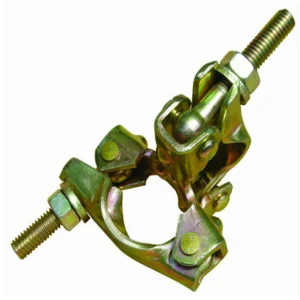
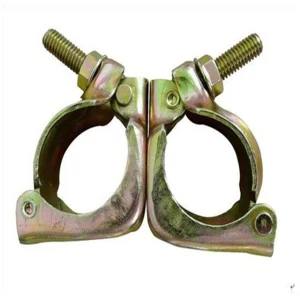
| Right-Angle (Double) Drop Forged | EN 74-1 Class B / BS 1139 | 15.0 kN | 50 Nm | Main ledger-to-standard load bearing joints, heavy-duty mining shoring. |
| Swivel Coupler (Forged) | EN 74-1 Class A / BS 1139 | 9.0 kN | 50 Nm | Bracing connections for dynamic wind-loads in coastal industrial structures. |
| Sleeve Coupler (Pressed) | EN 74-1 Class B / BS 1139 | 9.0 kN (Tension) | 50 Nm | End-to-end alignment of structural tubes in high-rise scaffolding grids. |
| JIS Type Clamps | JIS A8902 | 6.25 kN | 35 Nm | Light-duty framework, perimeter protection, agricultural greenhouse layouts. |
Durban and Cape Town feature high-salinity maritime microclimates classified as C4 or C5 corrosion zones. Standard zinc electroplating (which yields a layer of only 8-12 microns) will begin showing red rust within 3 to 6 months of exposure to maritime air.
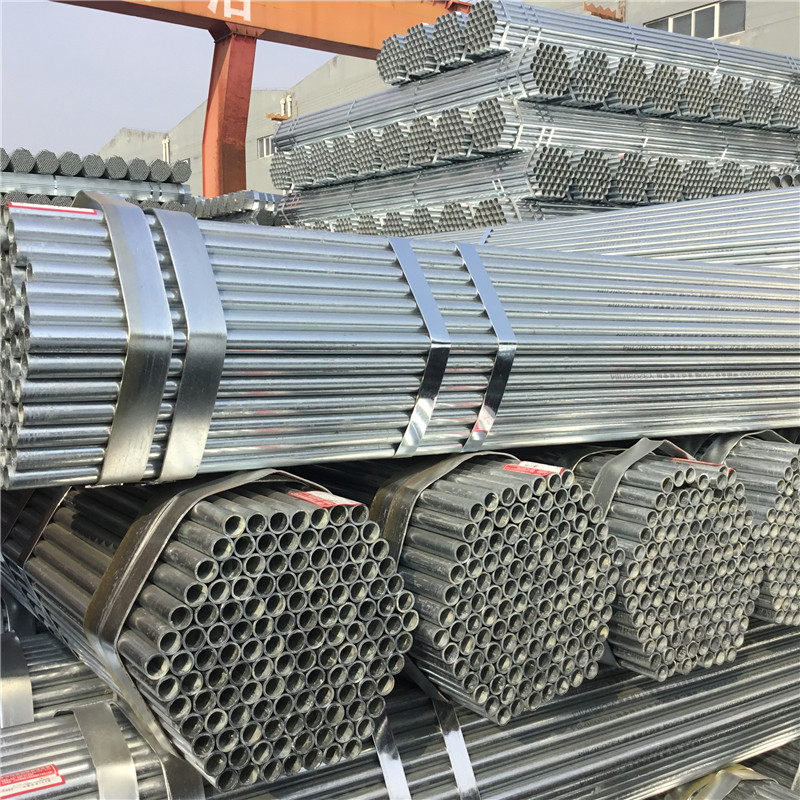
Tianjin Minjie’s hot-dip galvanized (HDG) scaffold couplers receive a minimum zinc coating thickness of 40 microns (conforming to EN ISO 1461). This thick zinc-iron alloy barrier extends service life in highly corrosive coastal marine and mineral-rich mining environments.
Request HDG SamplesFor procurement officers in mining and civil engineering, choosing between drop forged and pressed steel couplers is critical to balance safety, durability, and cost.
Drop Forged Couplers: These are manufactured by hammering heated structural steel (typically Q235B carbon steel) into matching dies. This process aligns the internal grain flow of the steel, resulting in high tensile strength, resistance to impact, and resistance to shear forces. They are the preferred option for load-bearing nodes on heavy-duty projects.
Pressed Steel Couplers: Formed cold from structural steel plate, pressed clamps are lighter, offering an economical choice for general construction scaffold towers, perimeter safety rails, and projects where the load capacity requirements are lower.
How global procurement teams leverage Chinese manufacturing capacity, raw material advantages, and direct logistics to lower structural scaffolding costs.
Direct integration with northern China’s top steel mills allows us to secure certified raw material grades like Q235B and Q355B. This ensures consistent yield and tensile strength compared to scrap-re-rolled steel.
Our main factory is situated just 40 kilometers from XinGang Port (Tianjin), the largest port in northern China. This location reduces inland cartage fees and supports fast ocean freight routing to South African port cities.
We supply complete quality assurance documentation (MTCs), loading certifications, and compliance paperwork. This supports smooth customs clearance at Durban, Cape Town, and Port Elizabeth.
Different regions and industries in South Africa require distinct design considerations for scaffolding accessories.
Underground shafts and stopes are subject to intense seismic vibration and high humidity. Scaffold connectors must use drop-forged steel with Class B slippage ratings to prevent joints from loosening under dynamic ground tremors.
Marine loading docks and chemical refineries present highly corrosive environments. Hot-dip galvanization is essential here to prevent salt-air rust and chemical degradation of structural couplers.
Highway bridge flyovers demand heavy shoring scaffolds. Scaffold couplers used in these structures require precise torque performance to maintain stability under concrete pouring and heavy vehicle loads.
Tianjin Minjie Steel Co., Ltd. was established in 1998. Our factory covers more than 70,000 square meters and is located just 40 kilometers from XinGang Port, the largest port in northern China. This strategic location enables efficient transport and shipping to global destinations, including direct shipping lanes to South African ports like Durban and Cape Town.
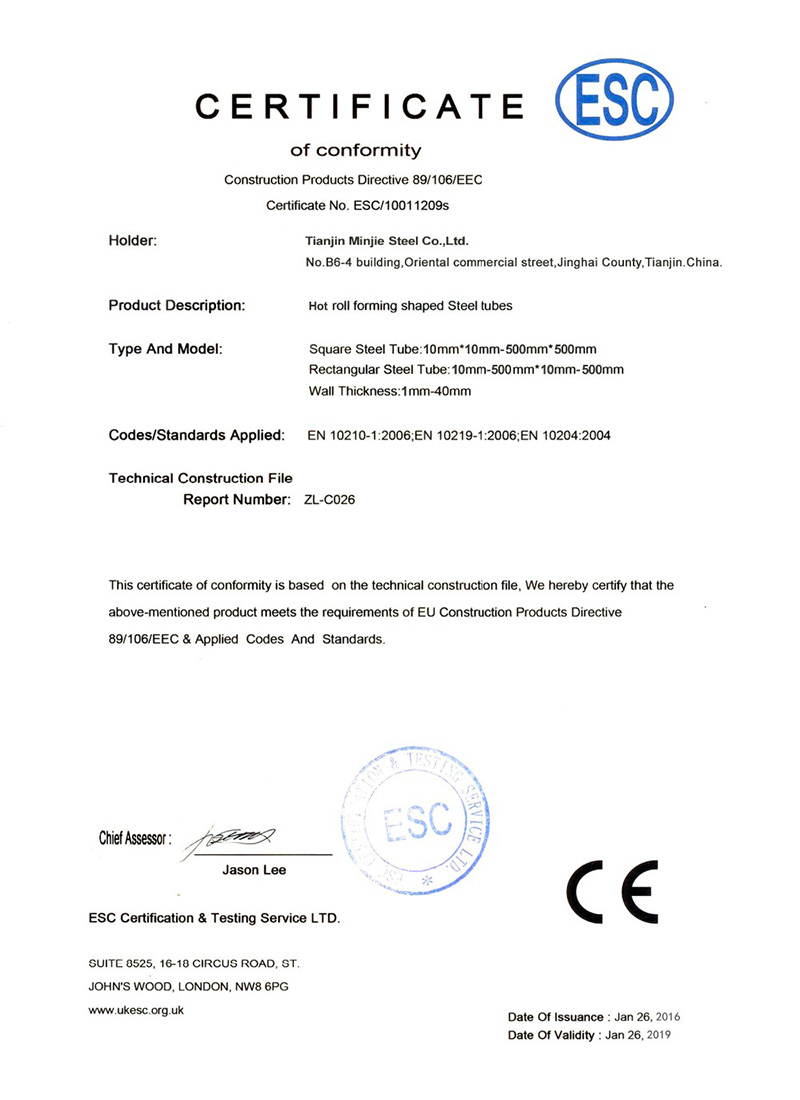
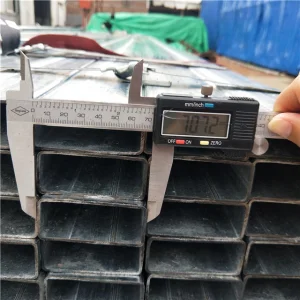
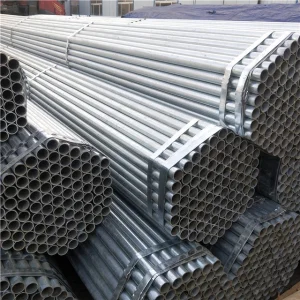
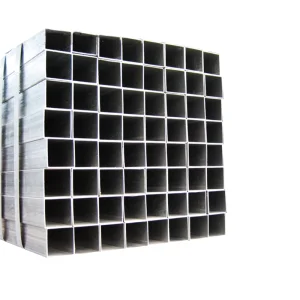
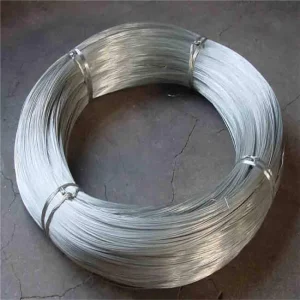
We are a professional manufacturer and exporter of steel and scaffolding products. Our main product line includes pre-galvanized steel pipe, hot-dip galvanized pipe, welded steel pipe, square and rectangular structural tubing, and various scaffolding couplers and accessories. We hold three patents covering groove, shoulder, and victaulic pipe connection systems.
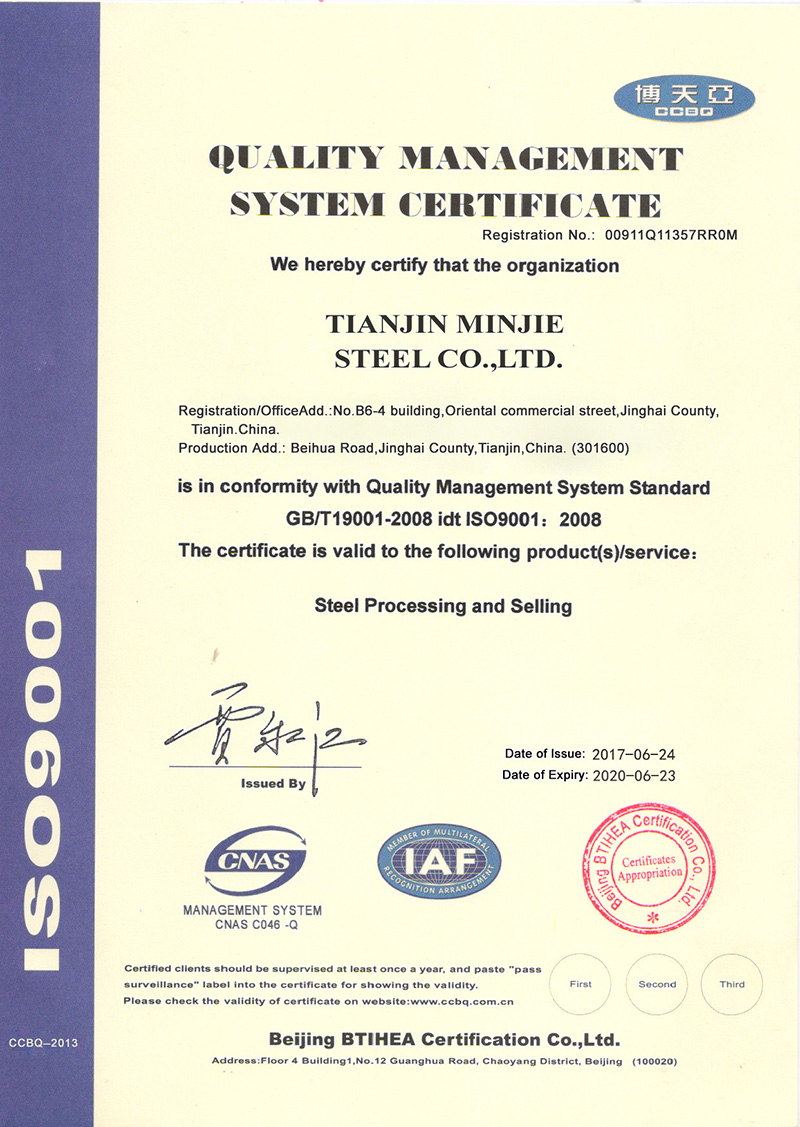
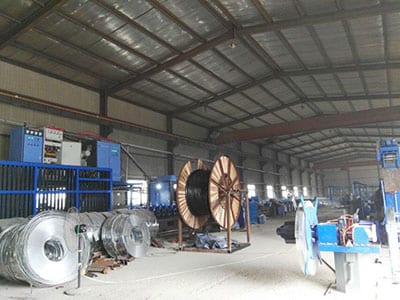
Our modern manufacturing facility features four pre-galvanized production lines, eight ERW steel pipe lines, and three hot-dip galvanized process lines. We manufacture to international standards, including GB, ASTM, DIN, and JIS. All products are certified under the ISO 9001 quality management standard.
A look inside our ISO 9001 certified mills, showing the manufacturing equipment and processes behind our steel and scaffolding products.
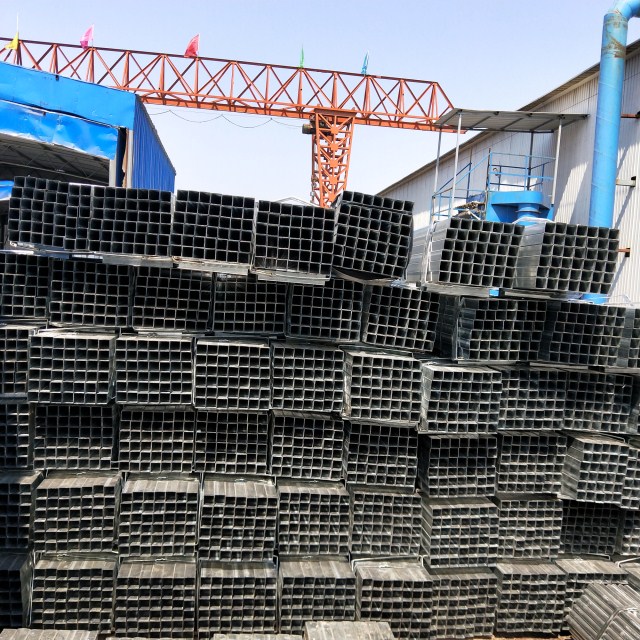
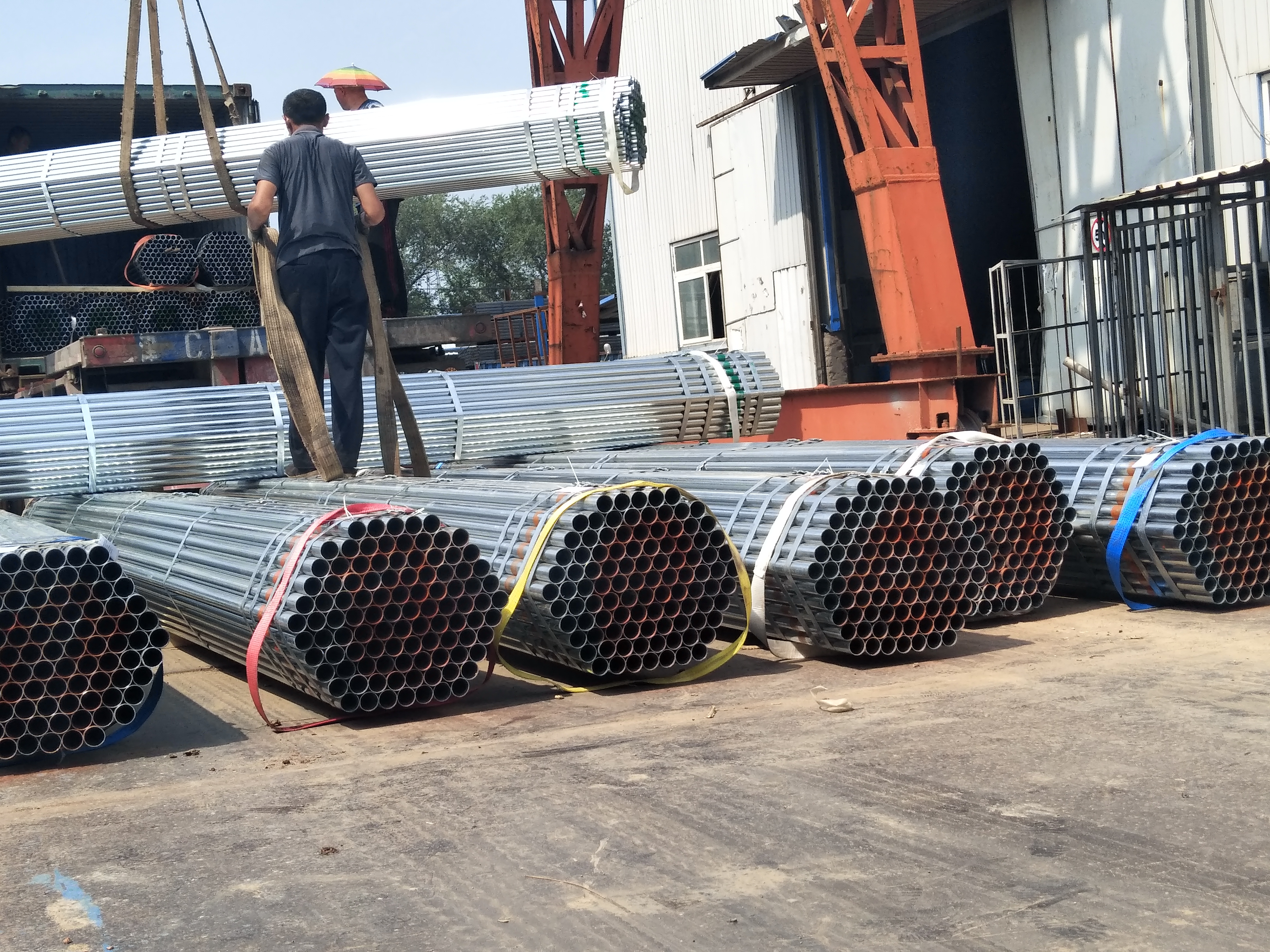
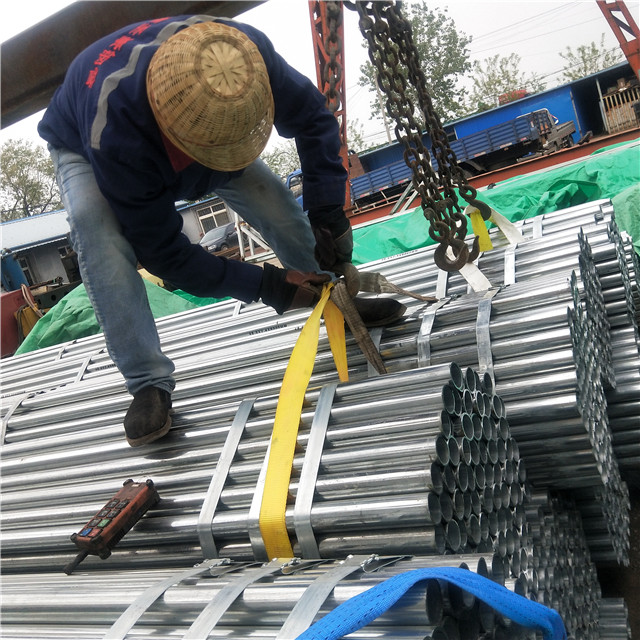
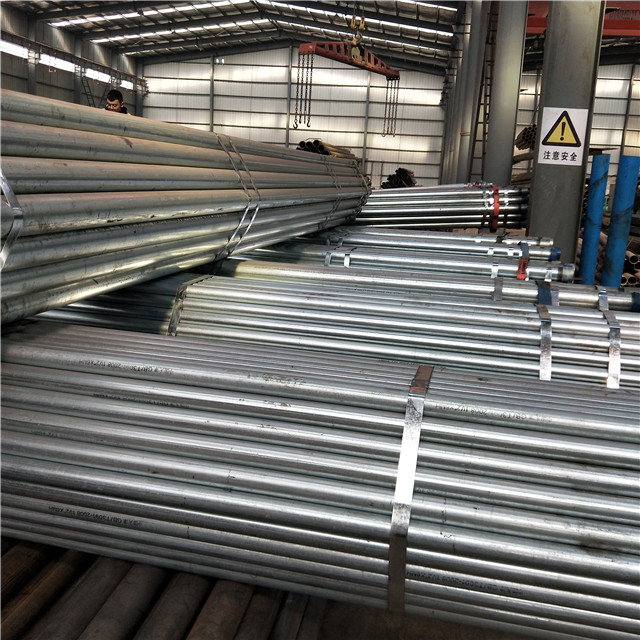
Tianjin Minjie’s products are manufactured under rigorous QA/QC protocols. Our processes are ISO 9001:2015 certified, and we maintain complete traceability for all steel products.
We perform rigorous tests on all components to verify compliance with structural and loading limits, including:
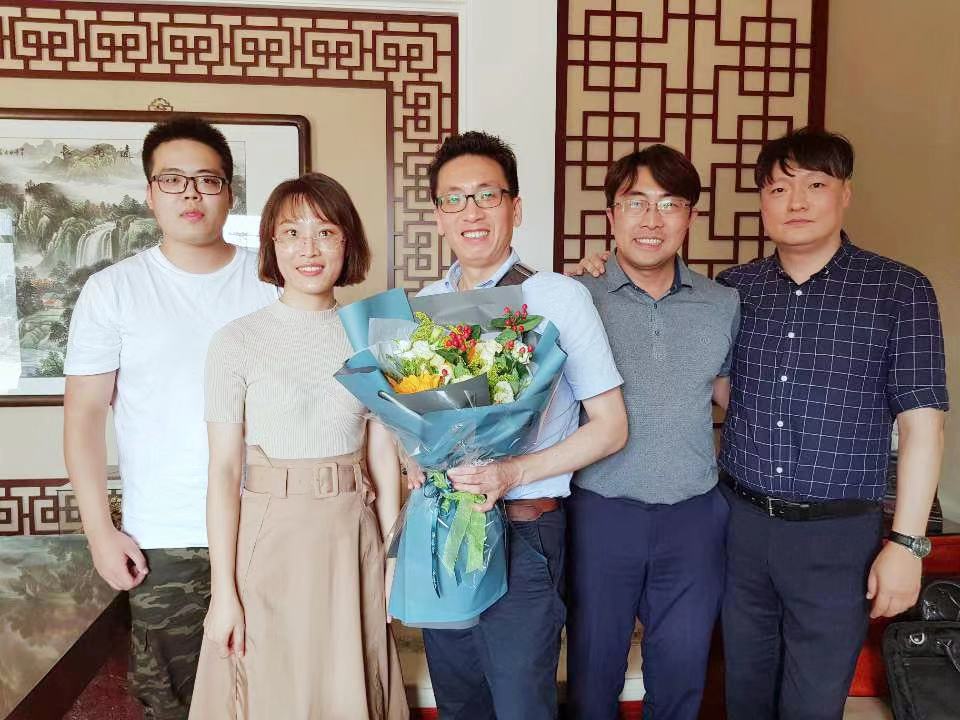
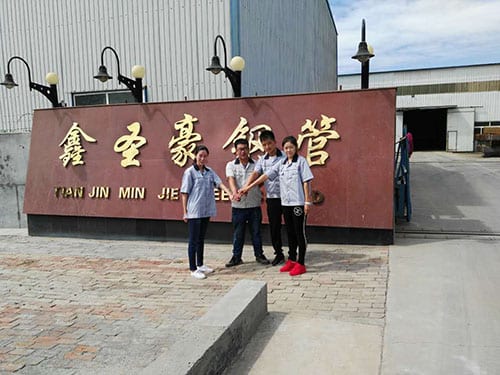
Tianjin Minjie’s products have been exported to construction and mining markets worldwide. Here are examples of visits from international engineering partners.
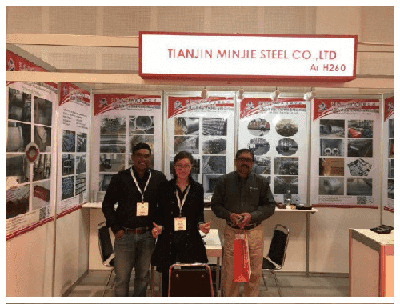
Tianjin Minjie participates in the Canton Fair each year. Our exhibition in 2017 and subsequent shows attracted partners from multiple continents. Roughly 80% of our new clients schedule visits to our Tianjin factory after meeting our engineers at trade events. We continue to serve our international customers with a focus on product reliability and technical support.
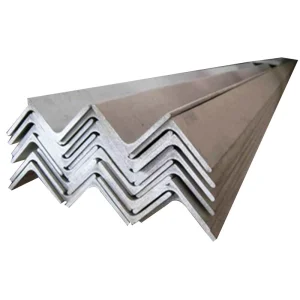
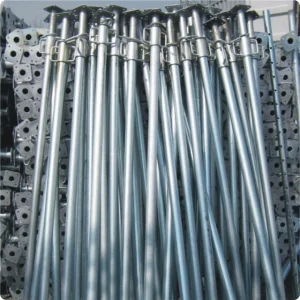
High-strength structural tubing, clamps, and framework accessories designed for engineering applications in South Africa.
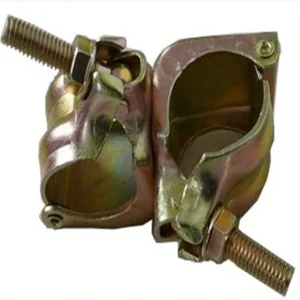
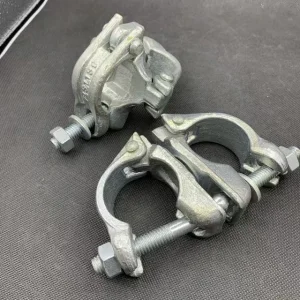
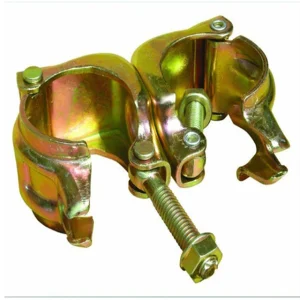
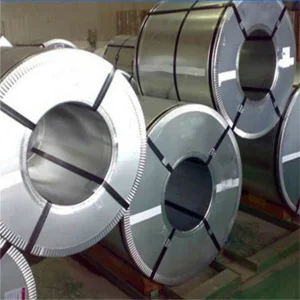
Following safe design and site management procedures is critical to ensure scaffolding reliability in South African construction.
Scaffolding system failures are rarely caused by a single component failure. Instead, they typically result from incorrect installations, poor maintenance, or using uncertified parts. Our engineering department recommends following these practices on site:
Ensure your scaffolding team performs these checks prior to structural sign-off:
Key answers for procurement teams and safety engineers sourcing structural scaffolding accessories for South Africa.
Get direct access to our manufacturing capacity, competitive pricing, and complete technical support. Request a direct factory quote or secure custom-branded product samples today.
 Minjie Steel