Premium structural components manufactured under stringent QA systems, servicing international civil engineering, bridges, and infrastructure networks.
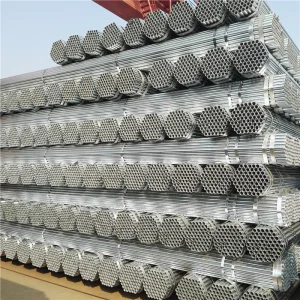
In the domain of modern civil engineering, urban development, and industrial infrastructure, structural steel beams form the skeletal backbone of our built environment. As modern architectures climb to new heights and logistics networks span wider catchments, the demand for highly reliable, cost-effective structural steel has surged globally. China has positioned itself as the preeminent global hub for steel fabrication, supplying over half of the world's structural steel. Choosing a competent China beam supplier is no longer just about searching for cheap steel; it is a strategic decision that touches upon metallurgical engineering compliance, supply-chain resilience, quality assurance (QA), and environmental sustainability.
This whitepaper outlines the technical advancements, commercial frameworks, international structural compliance pathways, and application methodologies that define first-tier Chinese structural steel exports. With a primary focus on H-beams, I-beams, channel steel, and auxiliary structural elements like scaffolding and structural tubes, this document serves as a procurement guide for global buyers requiring structural integrity without compromise.
Key Insight: Strategic procurement in structural steel requires understanding the interplay between raw material grade (e.g., Q355B vs. ASTM A572 Grade 50) and corrosion protection metrics, directly impacting the lifecycle performance of physical structures.
The global consumption of structural steel sections (beams, columns, angles, and channels) is tightly linked to urbanization and infrastructure investments across developing and developed economies alike. In North America and Europe, strict seismic designs and modular construction techniques mandate sections with precise dimensional tolerances and predictable mechanical properties. Meanwhile, high-speed rail networks, deep-sea port terminals, and heavy manufacturing hubs throughout Asia and the Middle East demand millions of tons of customized structural profiles annually.
Chinese steel mills have evolved from producing basic commercial-grade steel to utilizing state-of-the-art rolling facilities capable of manufacturing complex micro-alloyed steel. The ability to supply high-strength low-alloy (HSLA) sections (such as Q355D/E or ASTM A992) ensures that modern designers can optimize weight without sacrificing structural safety. By choosing the right China beam supplier, engineering firms achieve substantial material optimization, resulting in lighter foundations, reduced shipping costs, and faster installation speeds on-site.
The structural steel manufacturing sector is undergoing a profound paradigm shift, driven by digital transformation and decarbonization targets. Key technical trends shaping the output of leading Chinese beam suppliers include:
A primary challenge in global procurement is aligning local steel designations with target-country building codes. Leading suppliers solve this by offering fully certified materials matching multiple global standards. Below is a structural steel material comparison chart highlighting typical grades handled by Chinese beam suppliers:
| Chinese Standard (GB/T) | American Standard (ASTM) | European Standard (EN) | Yield Strength (Min MPa) | Tensile Strength (MPa) | Primary Applications |
|---|---|---|---|---|---|
| Q235B | A36 / A53 Gr. B | S235JR | 235 | 370 - 500 | Light structural framing, scaffolding, standard channels & angles. |
| Q355B (formerly Q345B) | A572 Gr. 50 / A992 | S355JR / S355J2 | 355 | 470 - 630 | Heavy load-bearing H-beams, high-rise buildings, machinery frames. |
| Q420C | A572 Gr. 60 | S420NL | 420 | 520 - 680 | Transmission towers, bridge trusses, heavy dynamic structures. |
| Q460D | A913 Gr. 65 | S460QL | 460 | 550 - 720 | High-strength seismic framing, deep offshore platforms. |
Structural steel beams find application in highly diverse engineering configurations, each posing unique localized stresses. Understanding these application scenarios helps developers select the ideal product configuration:
Bridges require materials with exceptional fatigue resistance and high yield limits. Heavy welded H-beams, combined with high-grade galvanized steel wires (like the Hot Dip Galvanized Steel Wire for Bridge Cables), form the cable-stayed systems and supporting piers that withstand massive dead loads and dynamic traffic stresses.
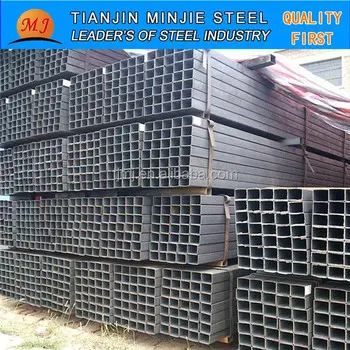
For modern commercial buildings, structural efficiency is key. Using H-beams and rectangular hollow sections (RHS) optimizes the space-to-weight ratio. These frames are designed to tolerate wind deflection and seismic shifts, often relying on high-tensile connection plates and custom-machined structural sections.
Solar energy farms require massive quantities of light structural channels (U-channels and C-channels) that can be installed rapidly in open environments. To withstand 25+ years of exposure to atmospheric moisture, these channels undergo specialized Hot-Dip Galvanization or Z275 plating to eliminate the risk of premature oxidation.
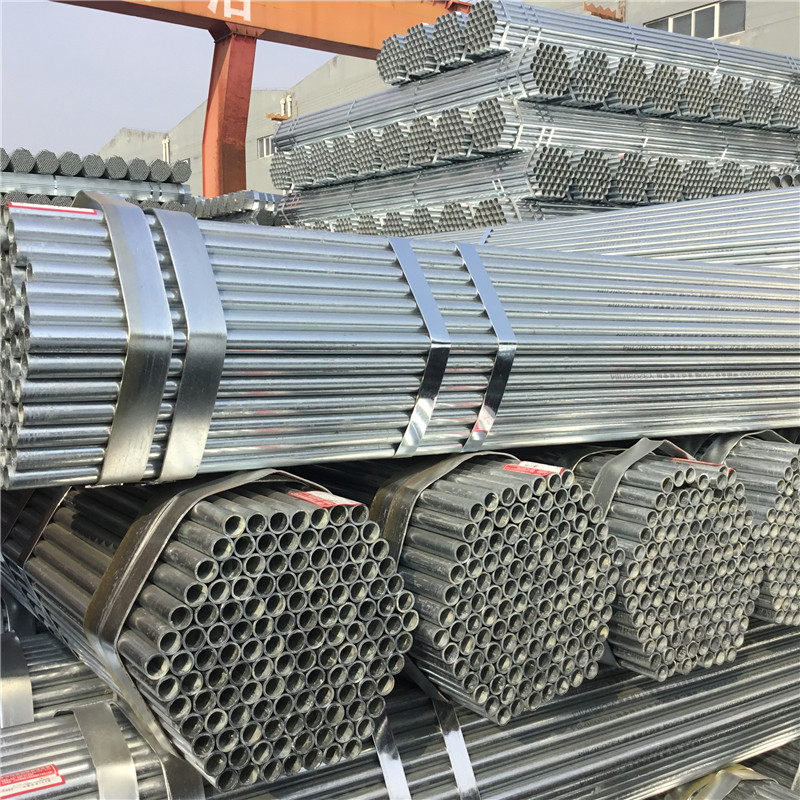
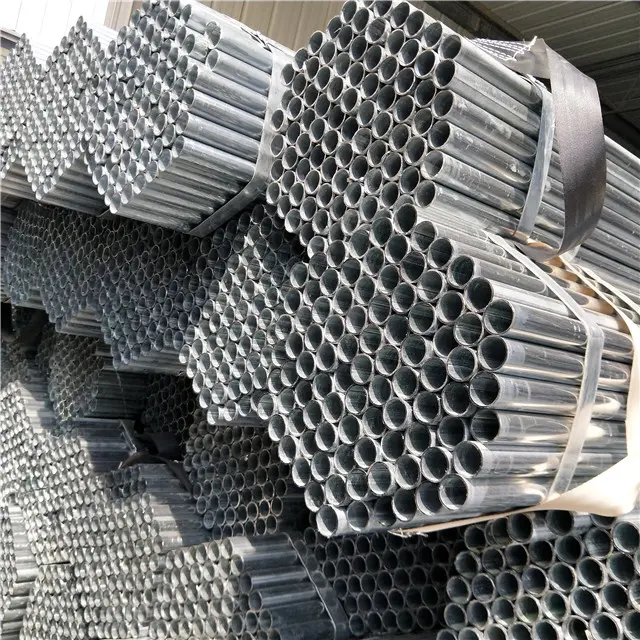
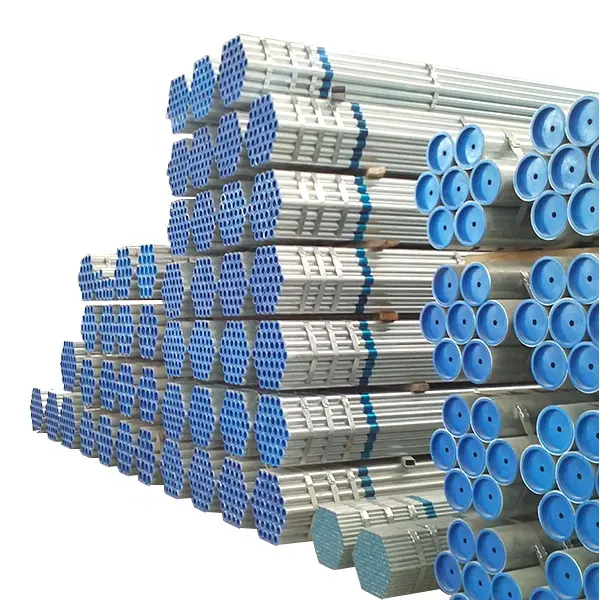
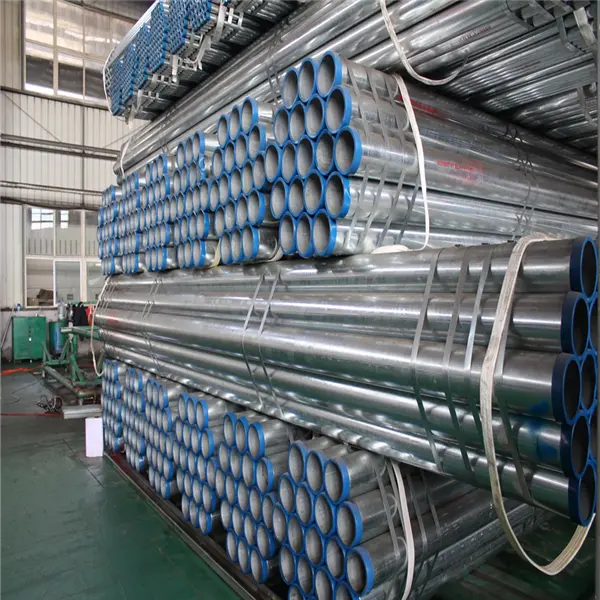
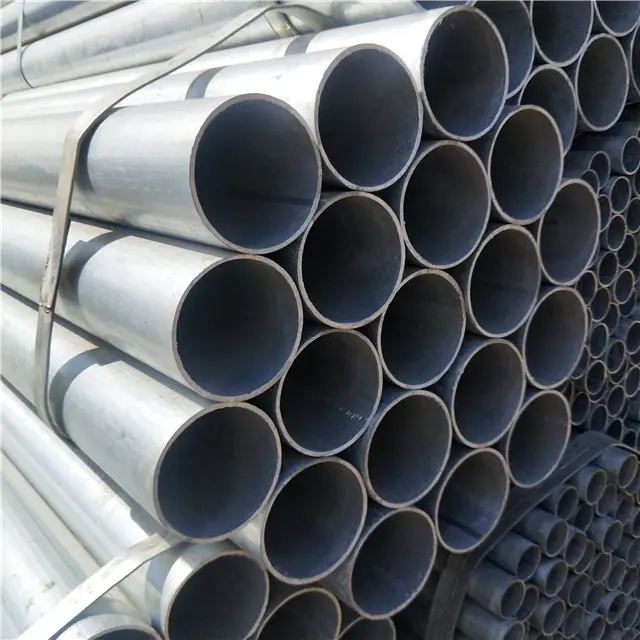
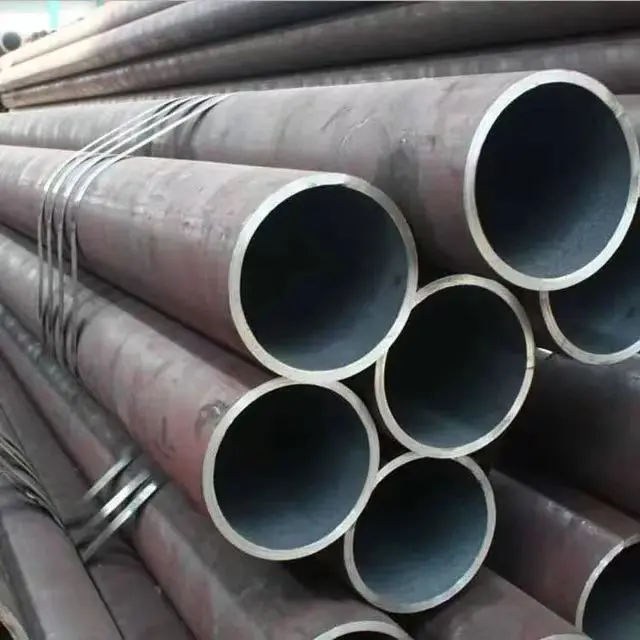
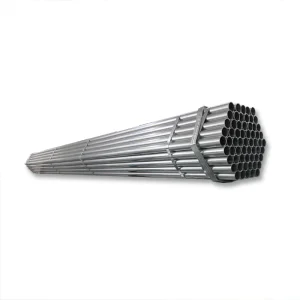
Safe work environments require high-durability modular scaffolding. Scaffolding steel pipes paired with specialized GI pipe clamps provide structural rigidity under heavy work loads, resisting deformation through hundreds of deployment cycles on high-profile construction projects.
Combining over two decades of technical manufacturing with a strategic location, Minjie Steel provides structural steel solutions globally.
Tianjin Minjie Steel Co., Ltd was established in 1998. Our factory covers more than 70,000 square meters. We are situated just 40 kilometers from XinGang port, which is the biggest port in the north of China, giving us an unparalleled logistical advantage for global container shipping and bulk vessel loading.
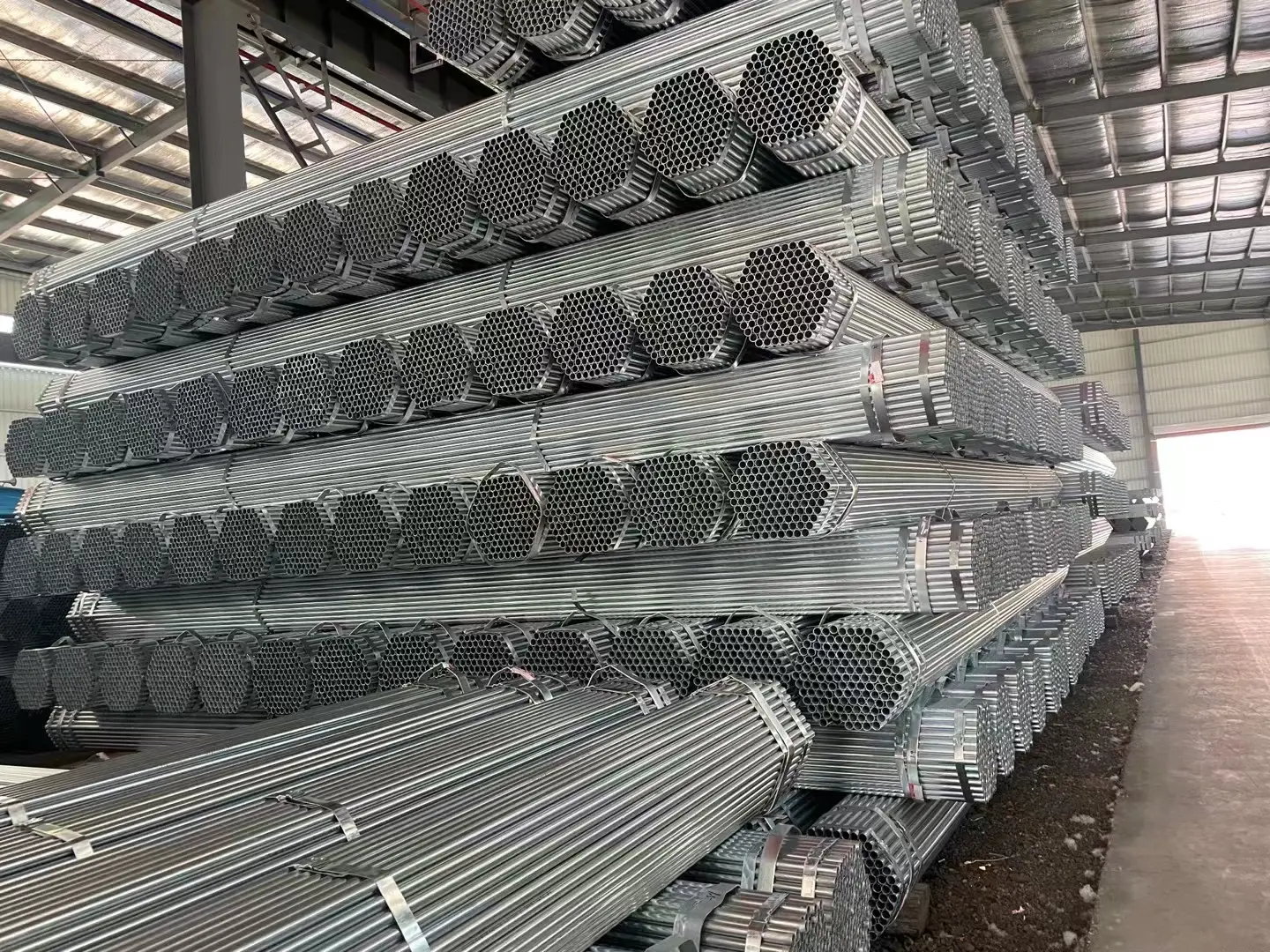
Our manufacturing equipment includes 4 pre-galvanized product lines, 8 ERW steel pipe product lines, and 3 hot-dipped galvanized process lines. All facilities operate under the ISO9001 quality certification, conforming strictly to international standards such as GB, ASTM, DIN, and JIS.
Through years of engineering R&D, we have successfully applied for and received 3 domestic patents. They are the groove pipe, shoulder pipe, and victaulic pipe connection systems, which optimize the pipeline assembly speed on industrial sites.
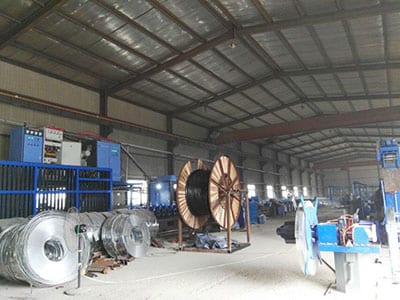
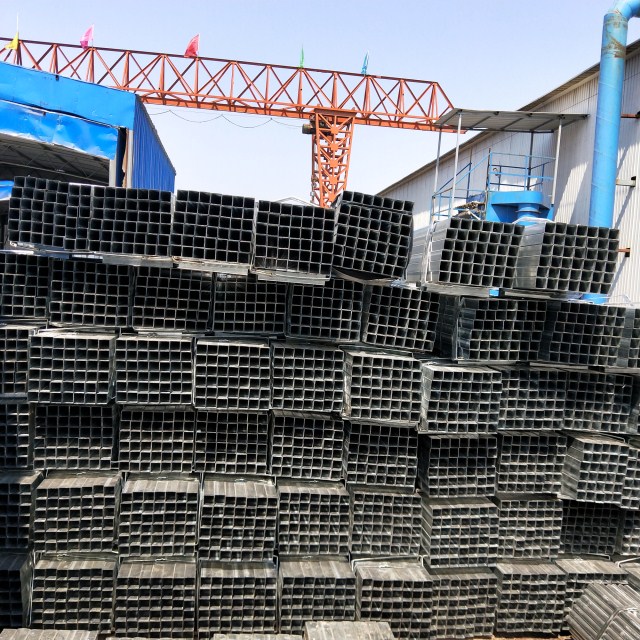
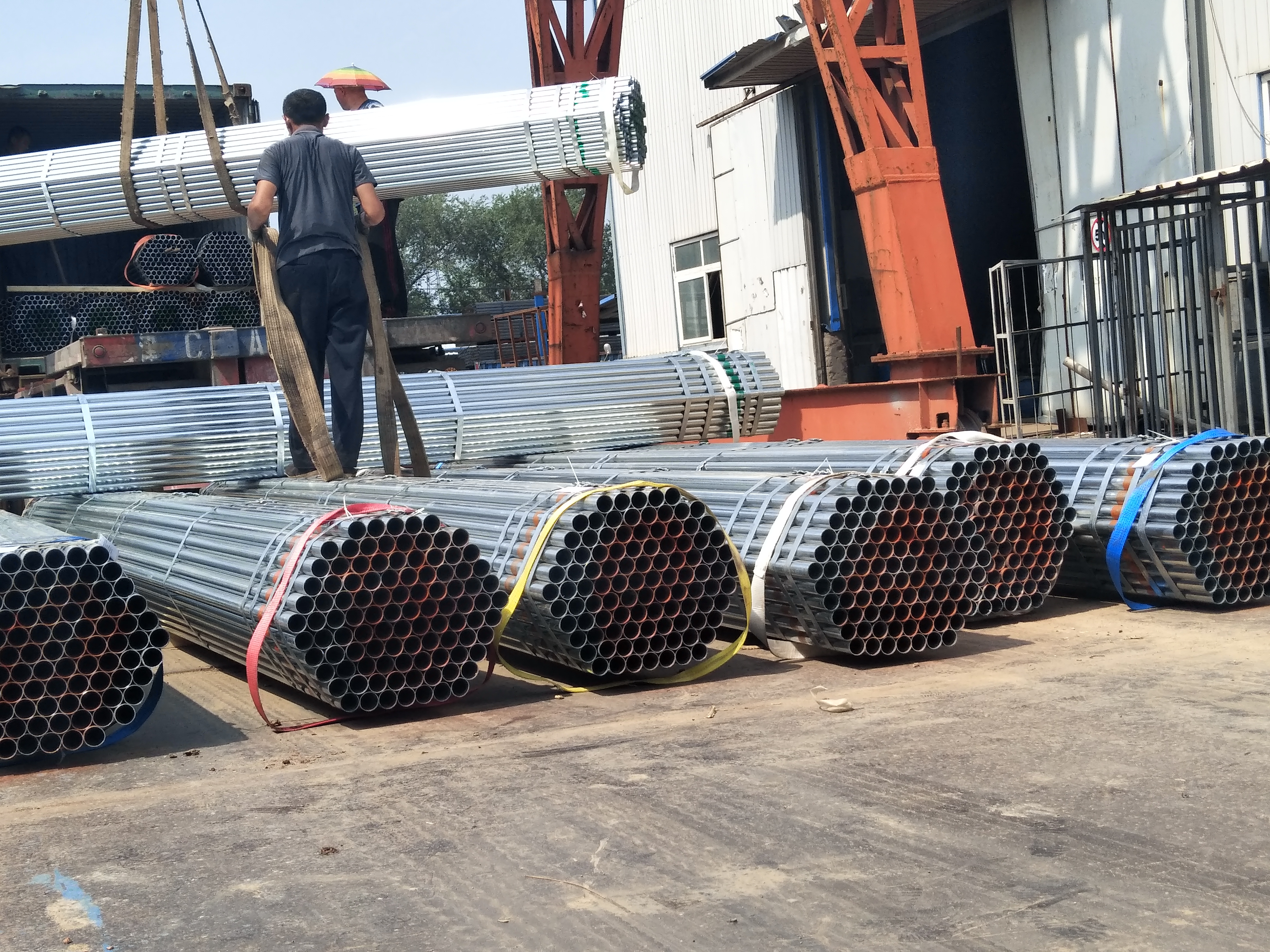
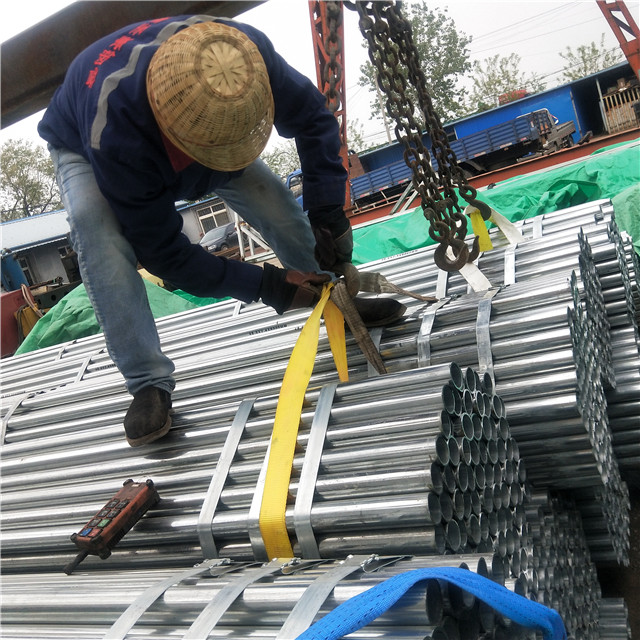
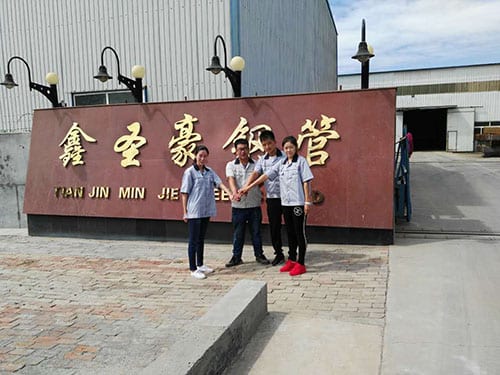
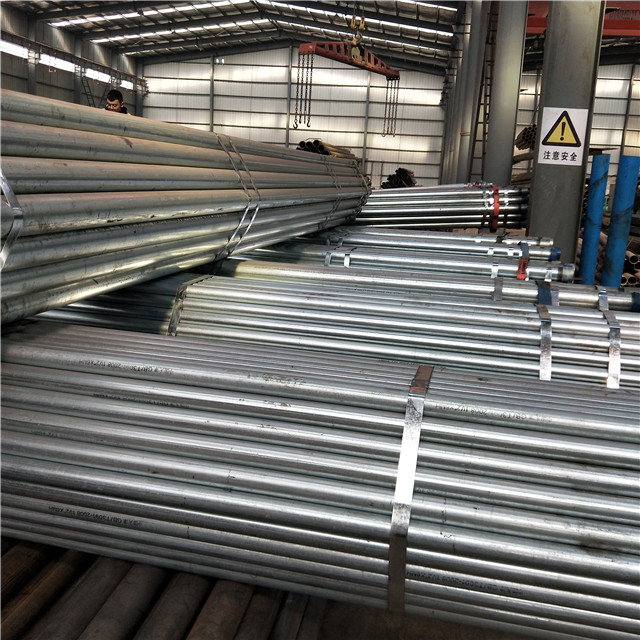
Our structural steel profiles, tubes, and channels are exported globally, built on technical advisory, high quality, and mutual trust.
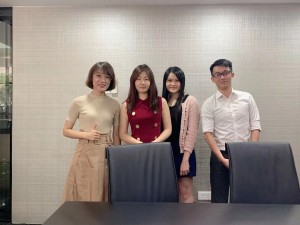
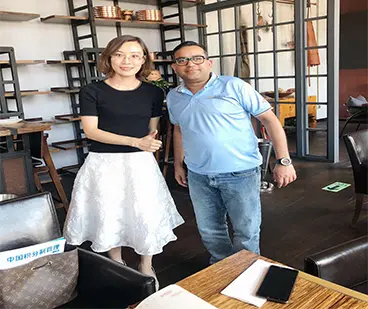
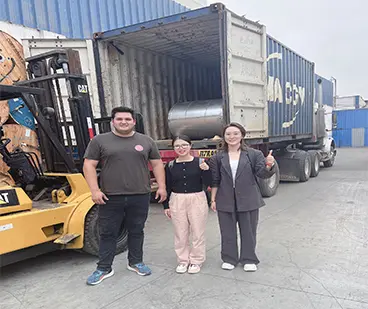
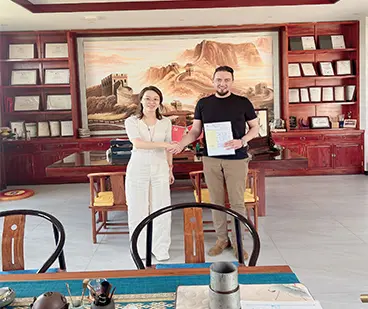
In September 2019, our technical team visited clients in Singapore. Through close cooperation and site visits, we aligned our custom steel tube configurations to meet local civil construction standards, earning high praise from municipal contractors.
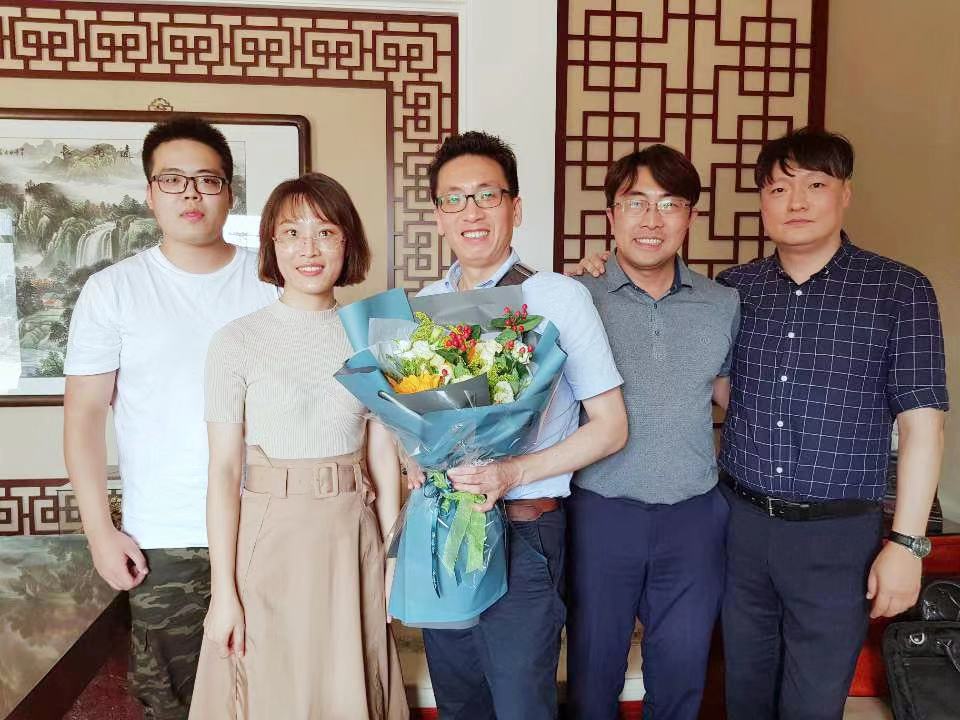
In 2019, a specialized engineering buyer from South Korea visited our factory to align structural tolerances for their new product design. The resulting customization resulted in a successful long-term procurement project.
Our long-term Australian partners visited our facility in November 2018. They audited our quality control framework and verified our mill test reports, solidifying their confidence in our load-bearing steel components.
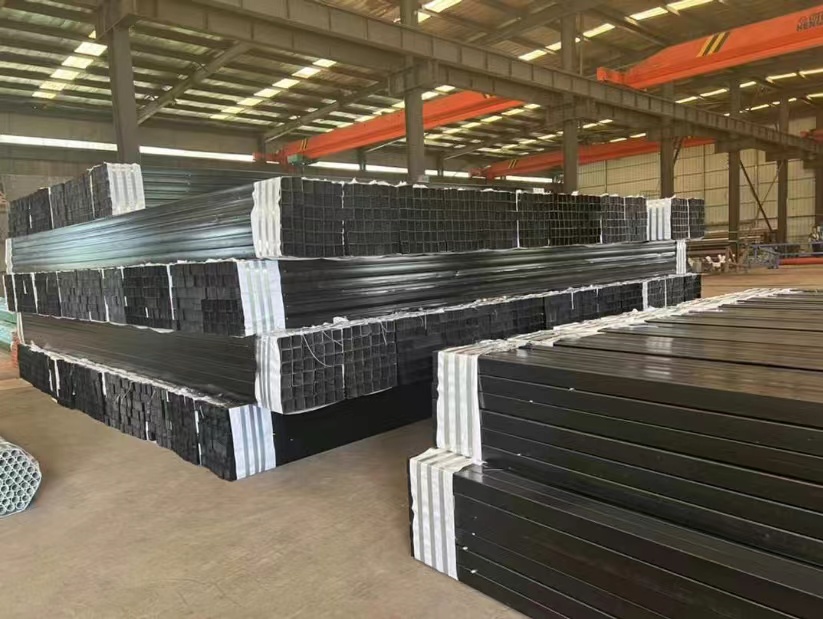
In 2019, after visiting several structural steel mills, an Indian engineering delegation chose Minjie Steel due to our advanced ERW lines, immediately securing a contract for 10 structural container units per month.

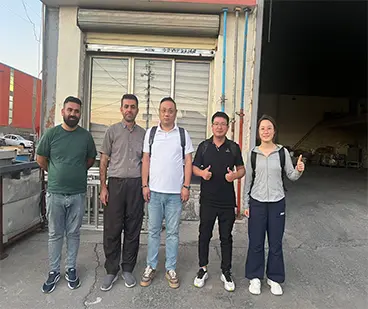
In June 2017, structural buyers from Lebanon visited our factory. Impressed by our production output and automated galvanization processes, they immediately ordered 1,000 tons of structural steel pipes.
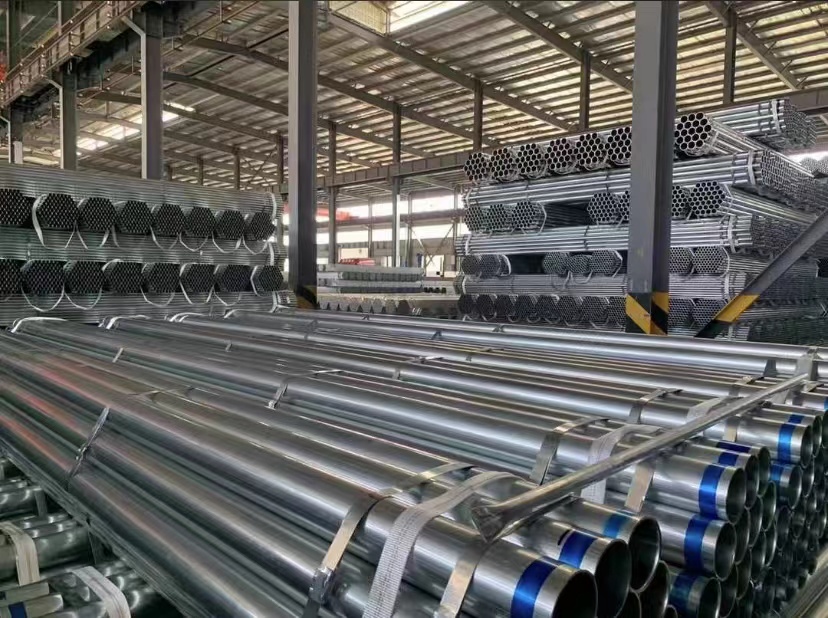
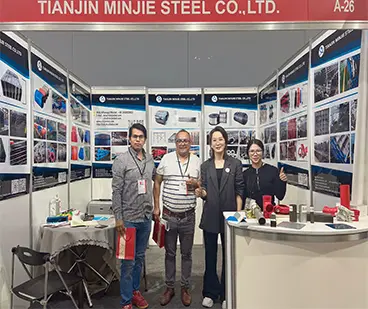
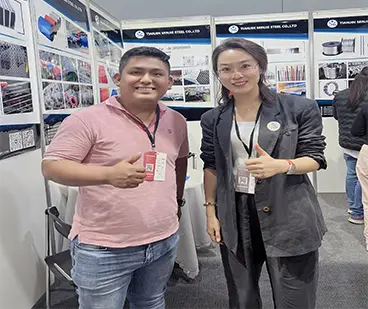
Met initially at the Canton Fair in 2018, this buyer visited our Tianjin plant shortly after. They initiated a long-term supply agreement for galvanized structural components destined for residential and commercial infrastructure developments in the Middle East.
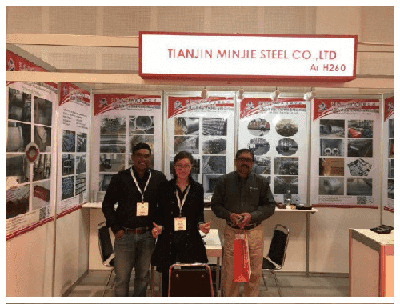
Tianjin Minjie Steel actively participates in the annual Canton Fair. Our exhibition presence attracts global engineering firms and buyers looking for high-quality structural steel products. Over 80% of our booth visitors subsequently visit our manufacturing base in Tianjin to inspect our automated ERW weld lines, pre-galvanization systems, and advanced packing configurations.
This direct engagement model allows us to address custom length demands, physical tolerances, and paint specifications in real time, streamlining the procurement cycle for our global clients.
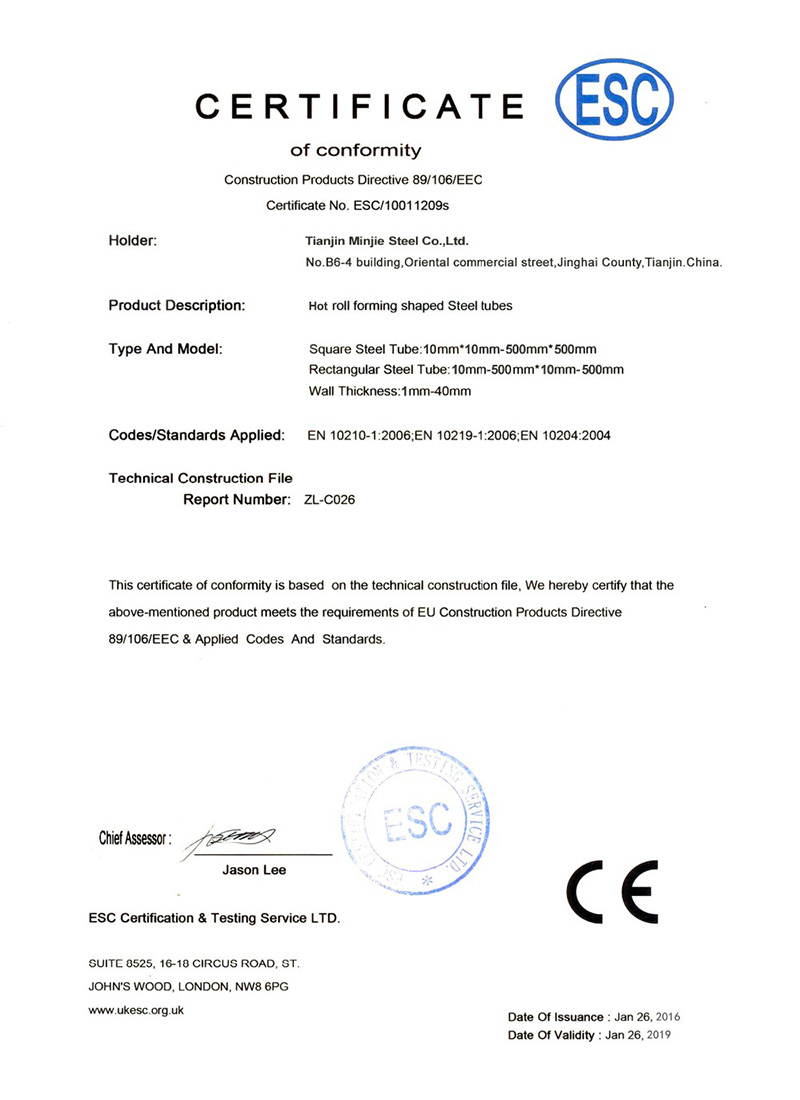
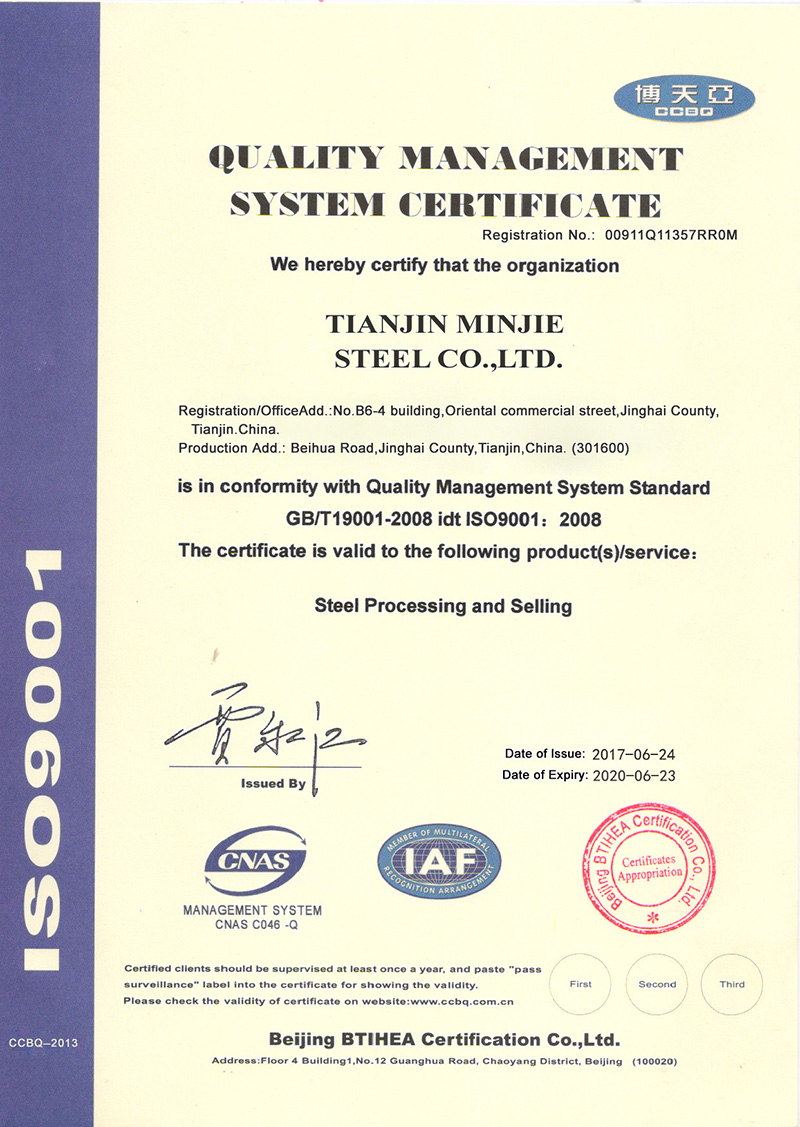
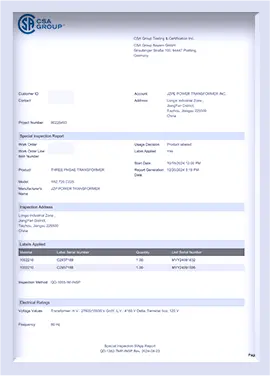
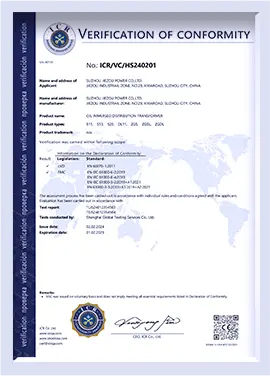
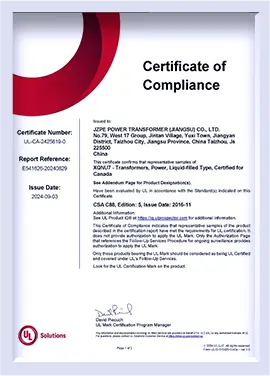
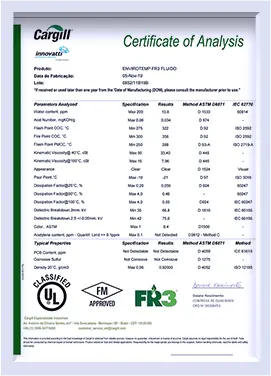
A structure is only as strong as its weakest weld or structural section. At Tianjin Minjie Steel, quality assurance is integrated into every phase of the manufacturing process, from raw hot-rolled coil selection to the final packaging stage.
We perform optical emission spectrometry on all incoming steel billets and coils. This ensures carbon equivalents (CEV) remain well within limits, maximizing weldability and fracture toughness. Proper chemical balancing prevents hydrogen-induced cracking during onsite welding.
Our ERW pipelines run inline electromagnetic inspection (eddy current testing) to monitor weld seams continuously. Any dimensional deviations or internal anomalies are detected in real-time and flagged for rejection, preventing sub-standard sections from reaching the warehouse.
We conduct physical tensile tests to measure yield strength, ultimate tensile strength, and elongation percentage. Our structural components undergo flattening and bending tests to guarantee that they can be fabricated, cut, and welded without localized failure.
Compliance Note: All shipments are issued with Mill Test Certificates (MTC) conforming to EN 10204 Type 3.1. This documentation details chemical composition, mechanical characteristics, and heat numbers, ensuring full traceability back to the raw material melt.
Deep technical insights, material selection answers, and procurement details for professional structural engineers and purchasing officers.
Q235B steel has a minimum yield strength of 235 MPa, making it suitable for light framing and secondary structures. Q355B has a minimum yield strength of 355 MPa, providing higher load-bearing capacity and allowing engineers to design thinner, lighter sections for high-rise or heavily loaded structures.
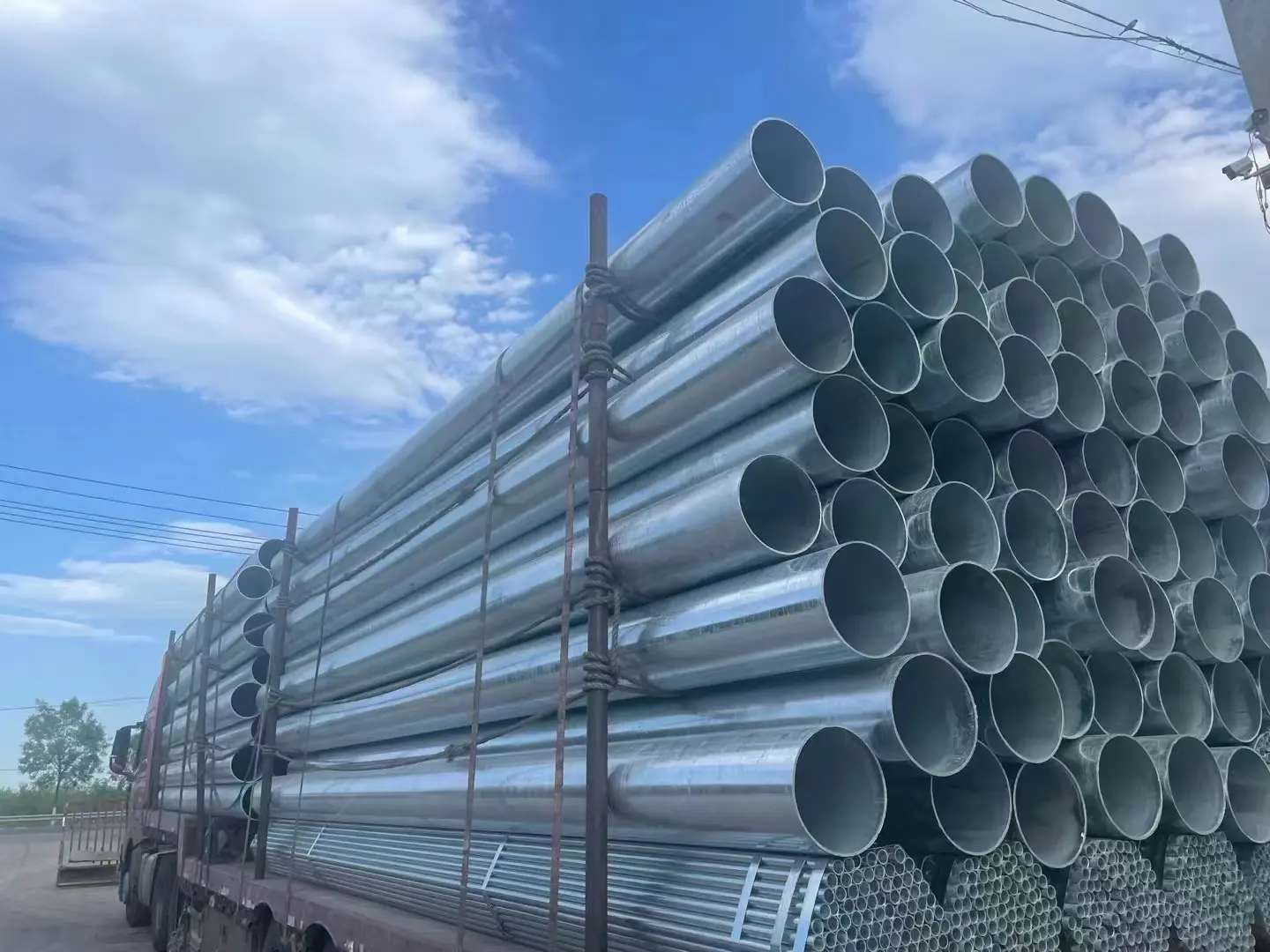
Pre-galvanization is applied to flat steel sheets before they are rolled into pipes or sections, resulting in a thin, uniform zinc layer (typically 60 to 120 g/m²). Hot-dip galvanization is performed after fabrication, coating the entire finished product with a much thicker zinc layer (often exceeding 500 g/m²), which provides superior corrosion resistance in aggressive environments.
We hold patents for three main connection profiles: groove pipe, shoulder pipe, and victaulic pipe. These connections are designed to simplify pipeline and structural assembly, eliminating the need for extensive field welding or threading, which reduces overall project installation times.
With our factory situated just 40km from XinGang Port (Tianjin), we can complete domestic land transit within a single day. Depending on order customization, bulk cargo shipping or container loading is organized within 15 to 30 days of contract finalization.
We manufacture to standard criteria (GB, ASTM, DIN, JIS) and perform chemical analysis, mechanical property testing, and dimensional inspection. Every shipment includes a Mill Test Certificate (MTC) to verify compliance with international standard specs.
Explore our complete range of high-performance structural profiles, steel coils, and hollow sections developed for global distributors and industrial builders.
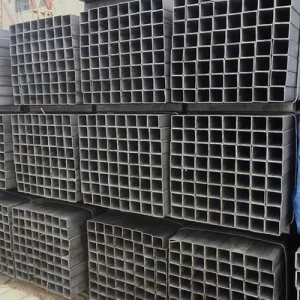
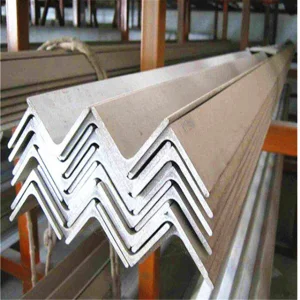
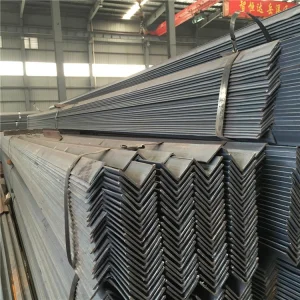
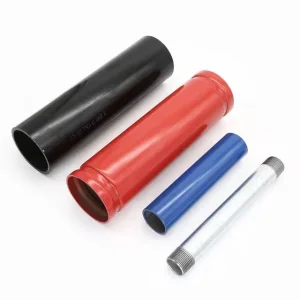
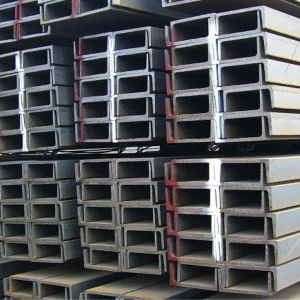
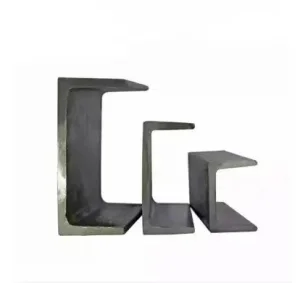
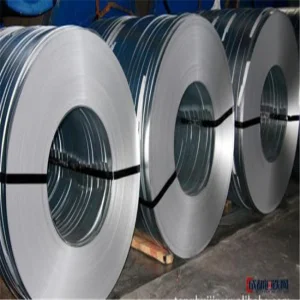
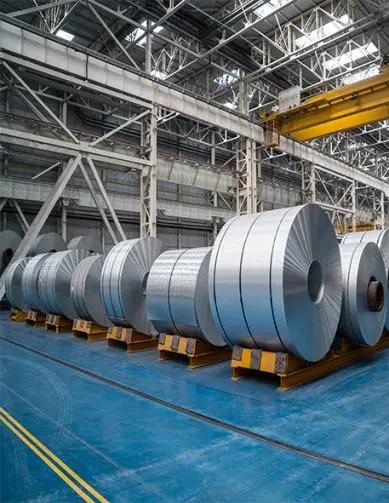
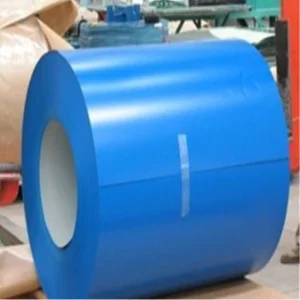
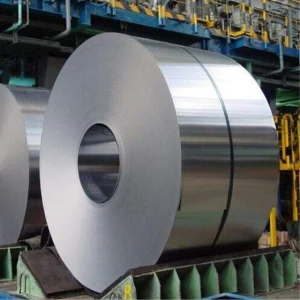
Hot dipped galvanized steel coil pre-painted galvanized steel coil Color-coated strip.
View More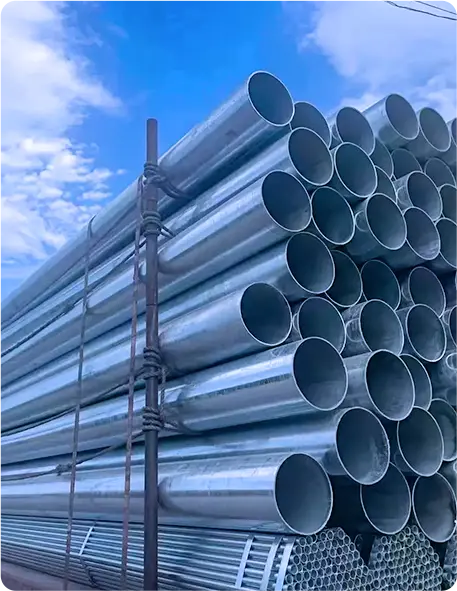
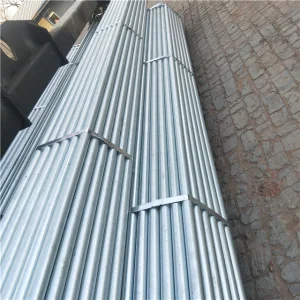
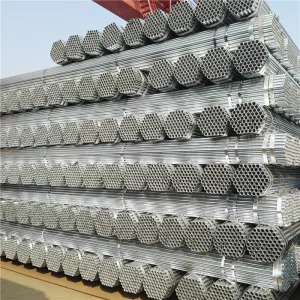
Hot Dipped Galvanized Steel Pipe Pre-Galvanized Steel Pipe Zinc-Aluminum Steel Pipe.
View More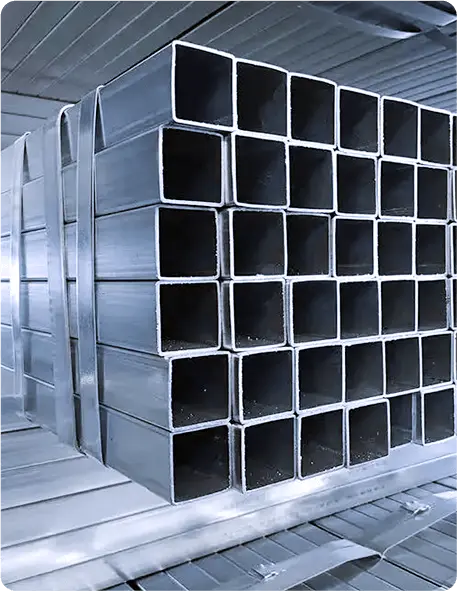

 Minjie Steel