Sourcing structural and commercial grade black steel sheets requires an in-depth understanding of the global supply chain, technical properties, and processing differences. Known formally as hot-rolled steel plate or unprocessed carbon steel sheet, black steel sheet is widely recognized by its signature dark, oxidized scale covering its surface. This scale is a natural byproduct of the high-temperature hot-rolling manufacturing stage.
Global procurement teams favor sourcing from Chinese manufacturers due to integrated supply chains that offer significant raw material cost advantages, precise dimensional tolerances, and high consistency. Chinese steel producers, particularly in industrial clusters like Tianjin and Tangshan, utilize state-of-the-art continuous casting and rolling facilities. These mills manage micro-alloying processes to deliver robust yield strength, superior ductility, and optimal weldability. By aligning steel mill deliveries directly with international logistics networks, factories can lower total cost of ownership (TCO) for global heavy industries.
To maximize information gain and establish a reliable procurement protocol, engineering departments must distinguish between standard commercial structural steel grades (such as ASTM A36, Q235B, SS400, and EN 10025 S235JR) and high-strength low-alloy (HSLA) alternatives (such as Q355B or ASTM A572). The correct application of these grades ensures that structural designs comply with local building regulations while reducing unnecessary safety factor overheads.
Black steel sheets are not uniform products. The chemical makeup, heat treatment processes, and final thicknesses determine their performance in demanding engineering projects. Below is a comprehensive cross-reference guide of global standards that engineers and logistics directors use when sourcing black steel products from premium Chinese factories.
| Steel Classification | Chinese Standard (GB) | American Standard (ASTM) | European Standard (EN) | Japanese Standard (JIS) | Typical Applications |
|---|---|---|---|---|---|
| Mild Carbon Structural Steel | Q235B / Q235A | ASTM A36 | EN 10025 S235JR | JIS G3101 SS400 | Structural framing, general metal fabrication, pipe manufacturing |
| High-Strength Low-Alloy Steel | Q355B / Q345B | ASTM A572 Gr. 50 | EN 10025 S355JR | JIS G3106 SM490 | Heavy industrial equipment, crane booms, structural steel bridges |
| Cold-Rolled Carbon Sheet | SPCC | ASTM A1008 | EN 10130 DC01 | JIS G3141 SPCC | Automotive panels, precision stampings, home appliance casings |
| Boiler & Pressure Vessel Steel | Q345R | ASTM A516 Gr. 70 | EN 10028 P355GH | JIS G3118 SGV480 | Storage tanks, boilers, petrochemical pressure vessel structures |
For architectural structures and machinery assemblies, managing carbon equivalency is essential for crack-free welding. Utilizing carbon control limits helps manufacturers guarantee consistent weldability. This reduces pre-heating times during structural fabrication and simplifies installation processes on-site.
Global climate policies require manufacturers to lower their carbon emissions. High-quality suppliers are shifting from traditional coal-fired blast furnaces to Electric Arc Furnaces (EAF). This move to cleaner energy processes cuts carbon footprints and supports environmental goals, keeping companies competitive as carbon border tax adjustments roll out internationally.
Modern buyers expect ready-to-use materials rather than plain steel coils. Top factories offer pre-processing operations such as leveling, slitting, plasma cutting, punching, and oiling. These integrated services reduce local machining times, minimize metal scrap, and lower regional logistics costs for structural builders.
By blending trace elements like niobium, vanadium, and titanium, steel manufacturers produce thinner black steel sheets that retain high yield strengths. This trend, known as lightweighting, is widely adopted in transport, heavy truck body production, and shipping container manufacturing to cut fuel consumption and lower operational weight.
Established in 1998, Tianjin Minjie Steel Co., Ltd. has developed into a leading manufacturer and exporter of structural steel products in North China.
Our facility covers over 70,000 square meters and is located just 40 kilometers from Xingang Port (Tianjin), the largest port in Northern China. This close proximity ensures efficient, low-cost domestic transport and quick boarding for international cargo vessels.
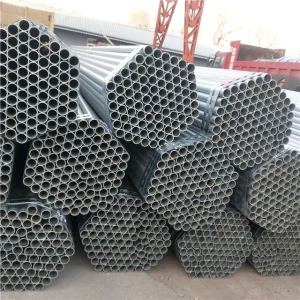
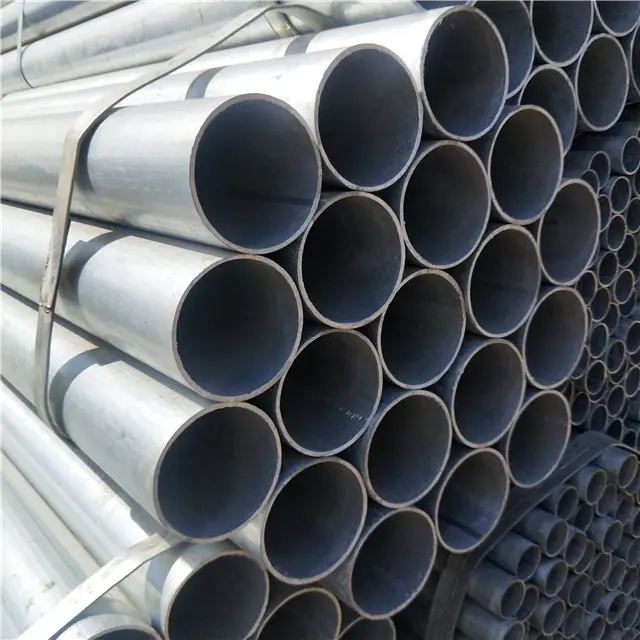
Equipped with 4 pre-galvanized lines, 8 ERW steel pipe lines, and 3 hot-dipped galvanized process lines, our facilities process more than 300,000 tons of high-grade steel products annually. We maintain strict control over chemical properties and sizing parameters, aligning our operations with ISO 9001, GB, ASTM, DIN, and JIS standards.
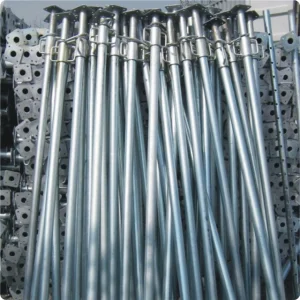
We are committed to structural innovation, holding three functional utility patents for groove pipe, shoulder pipe, and Victaulic pipe connection systems. These engineering improvements save labor and ensure reliable performance in industrial fluid transport and scaffolding networks.
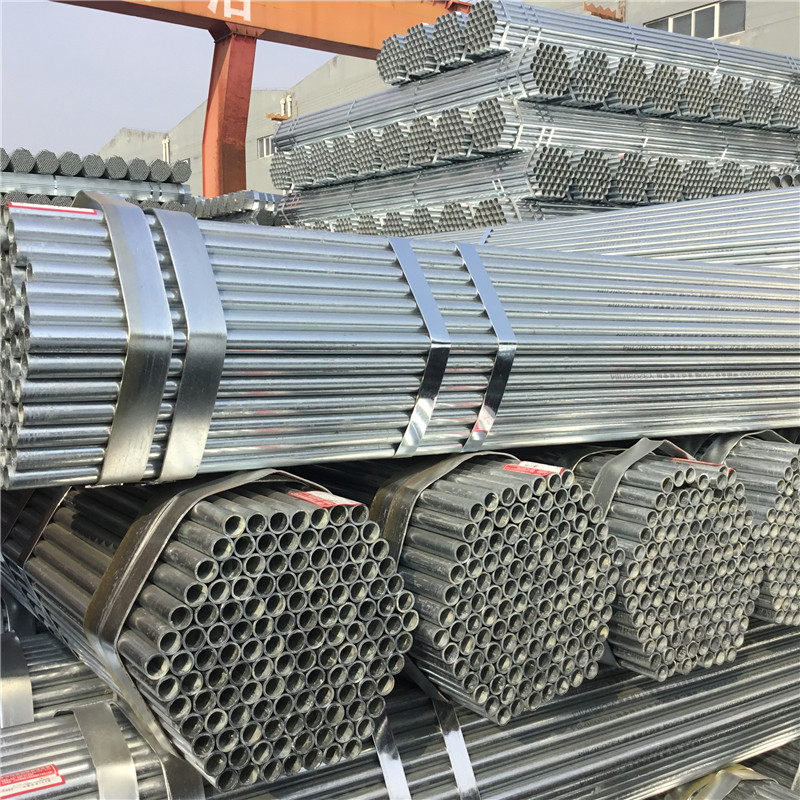
A look inside our production facilities highlights how modern machinery, structured safety processes, and rigorous testing guarantee clean, consistent steel products.
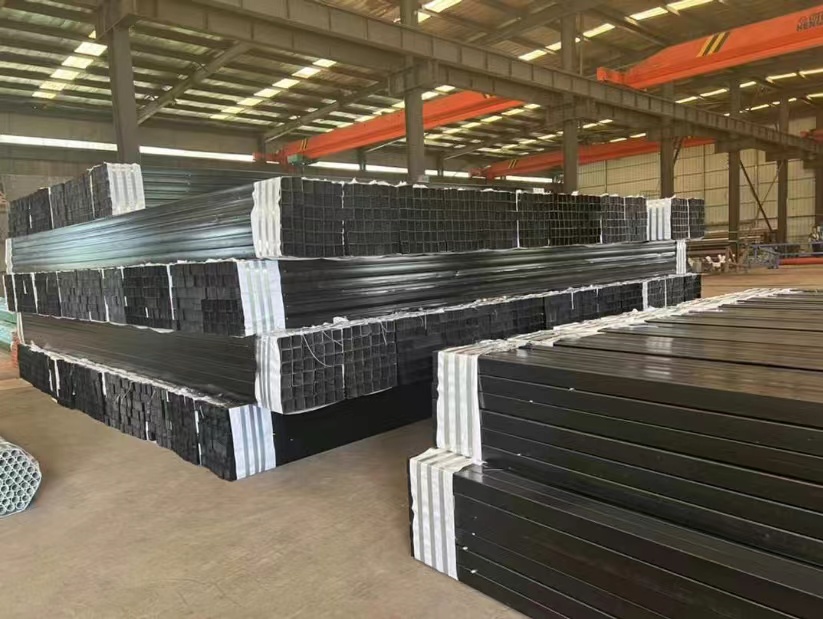
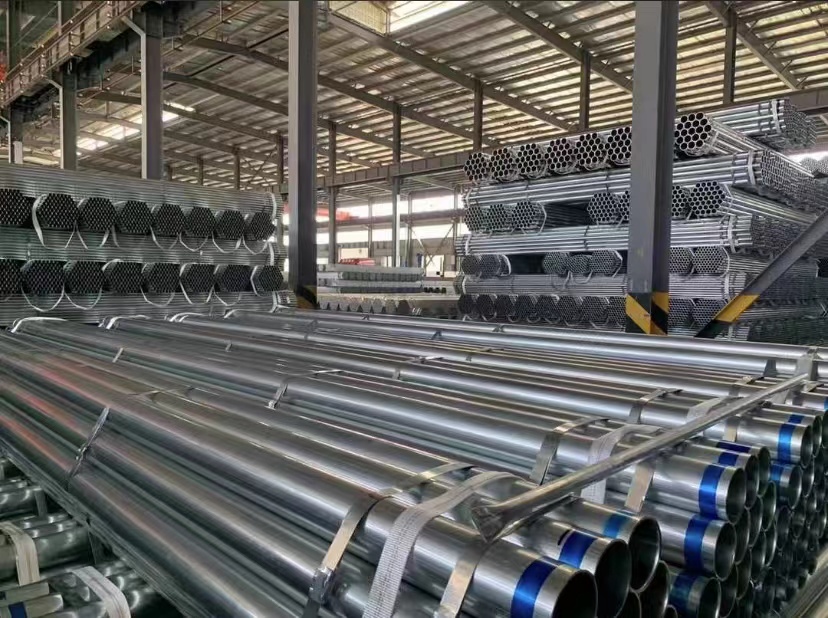
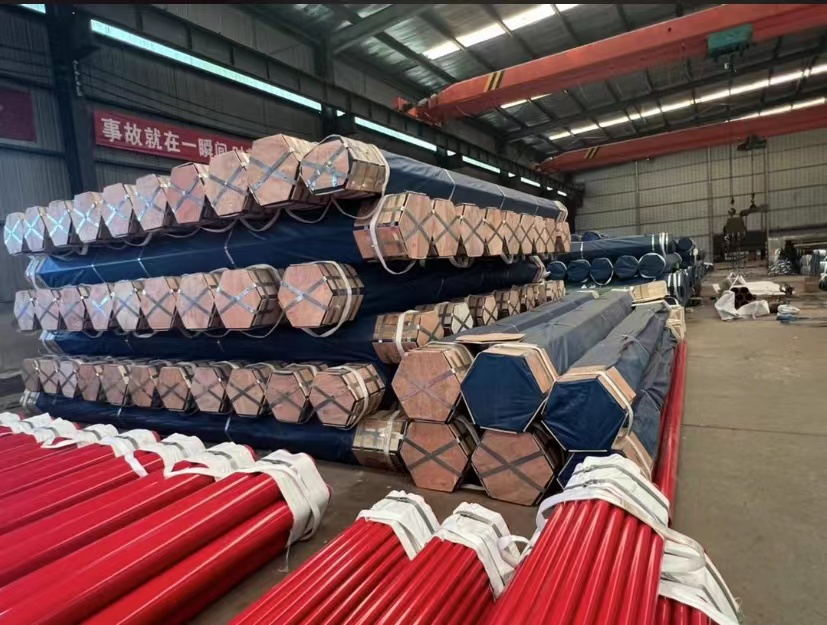
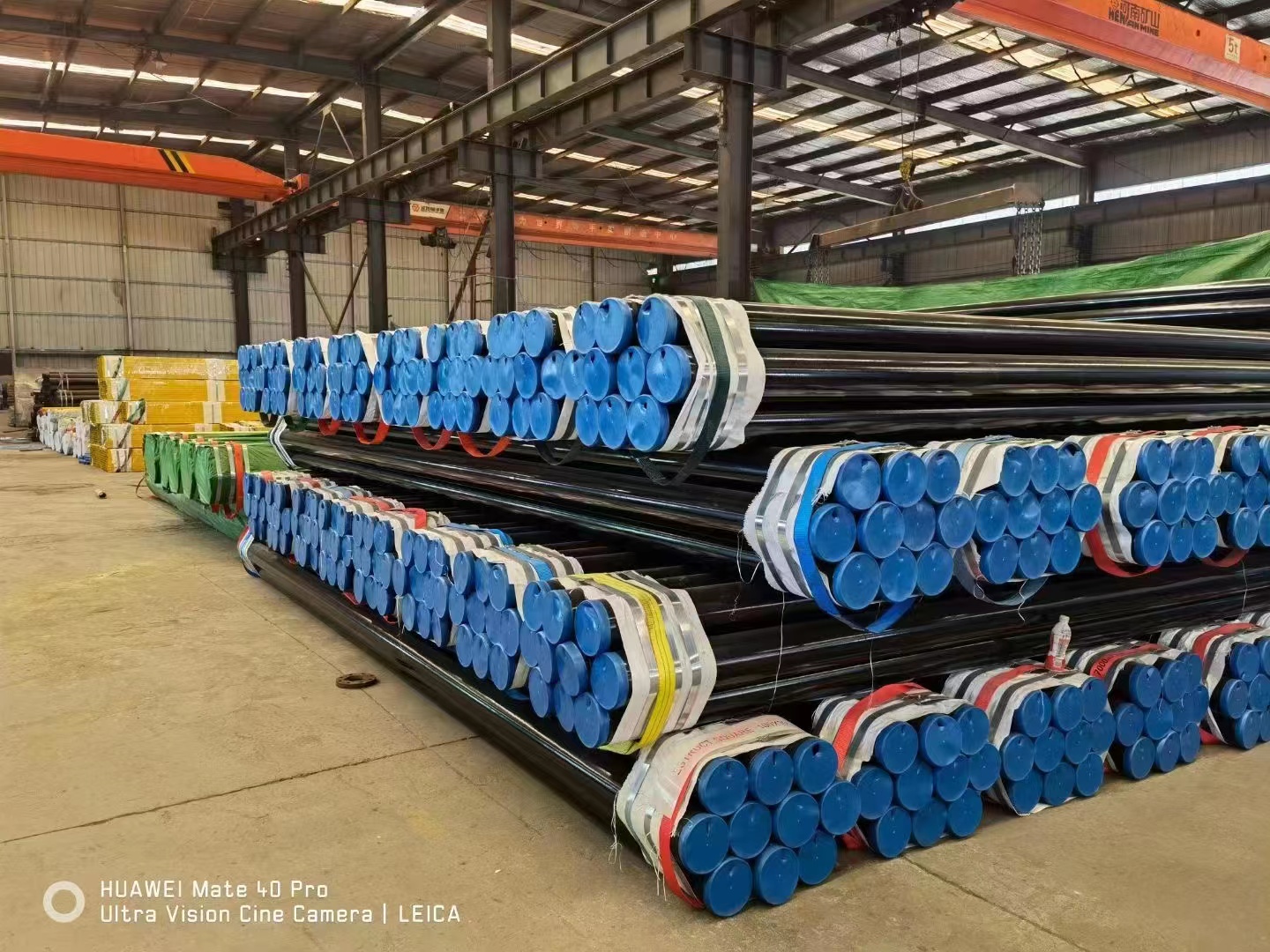
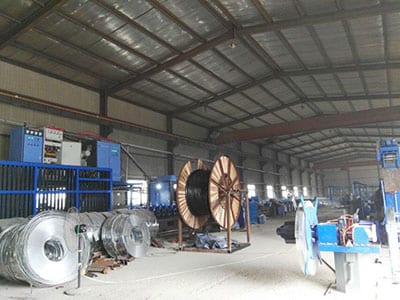
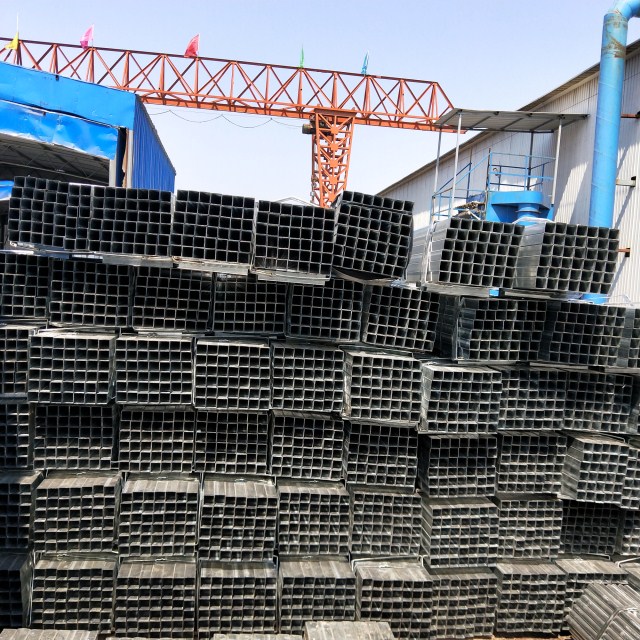
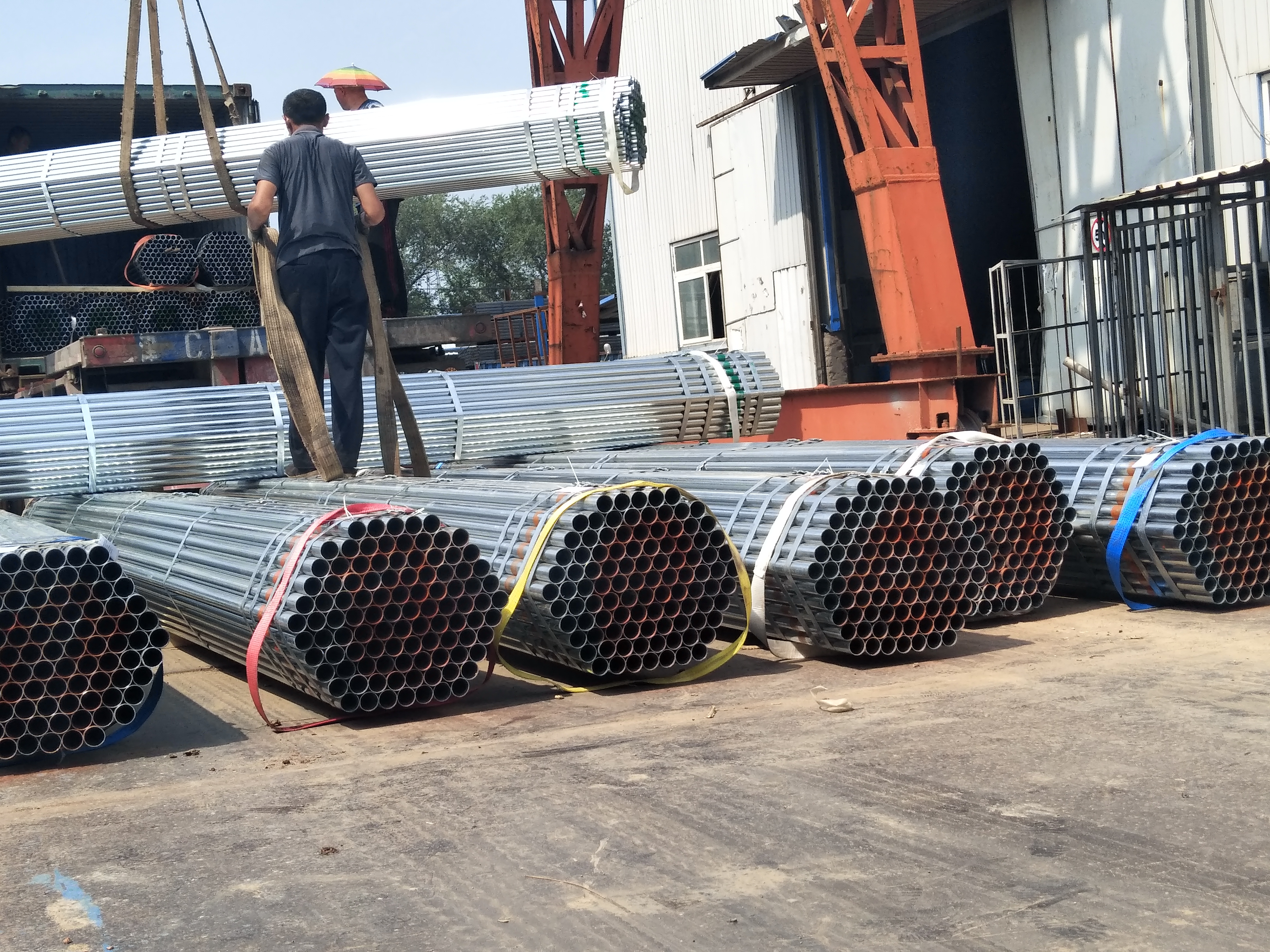
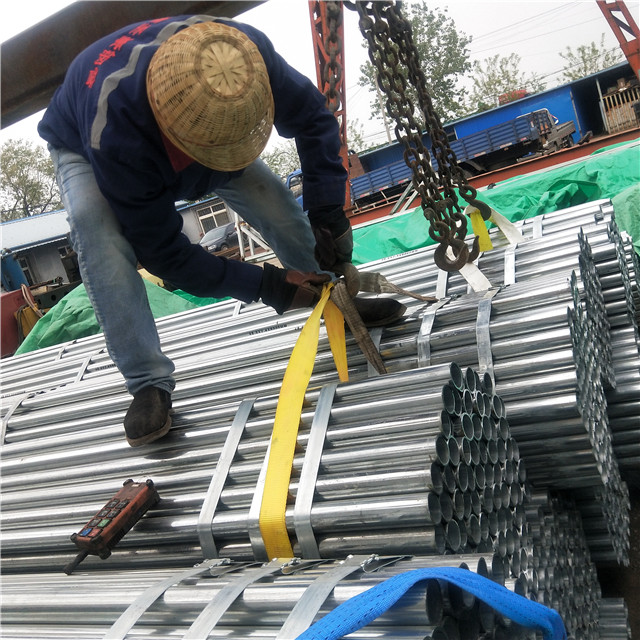
Building high-quality steel structures requires dependable raw materials. Our ISO 9001:2015 quality management system governs every step of production. Material Test Certificates (MTC) matching EN 10204 3.1 standards are supplied with every order, confirming trace elements and structural capacities.
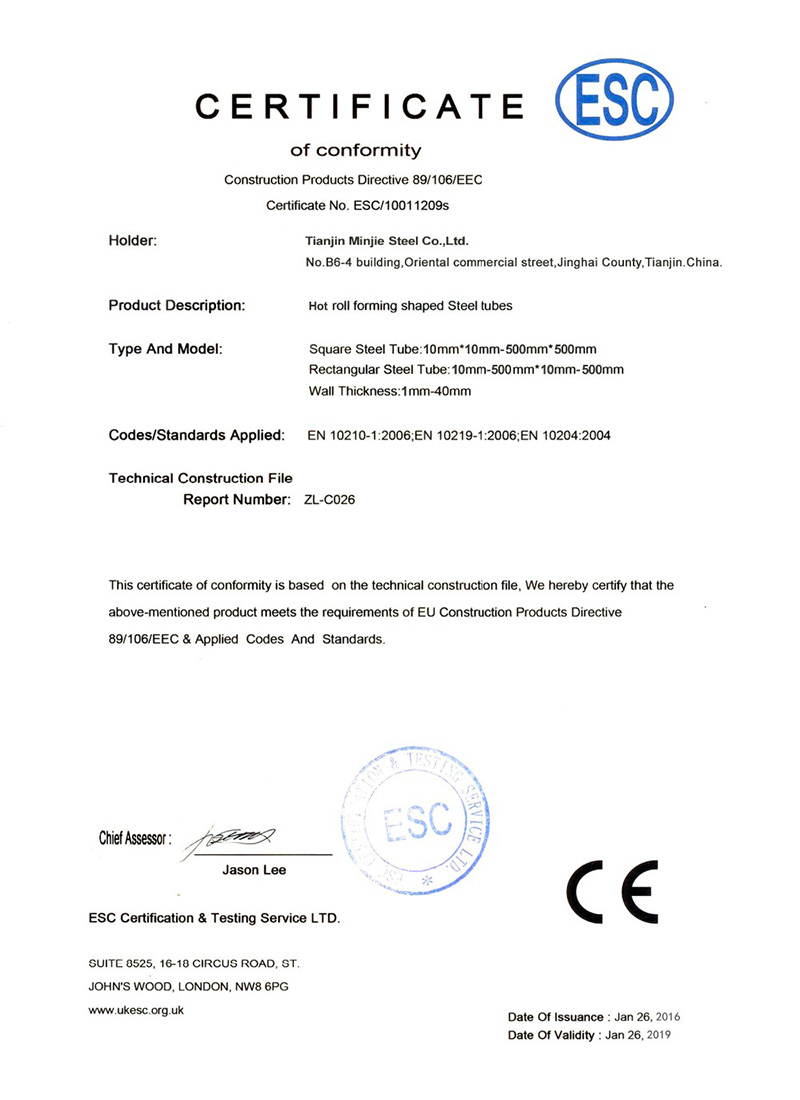
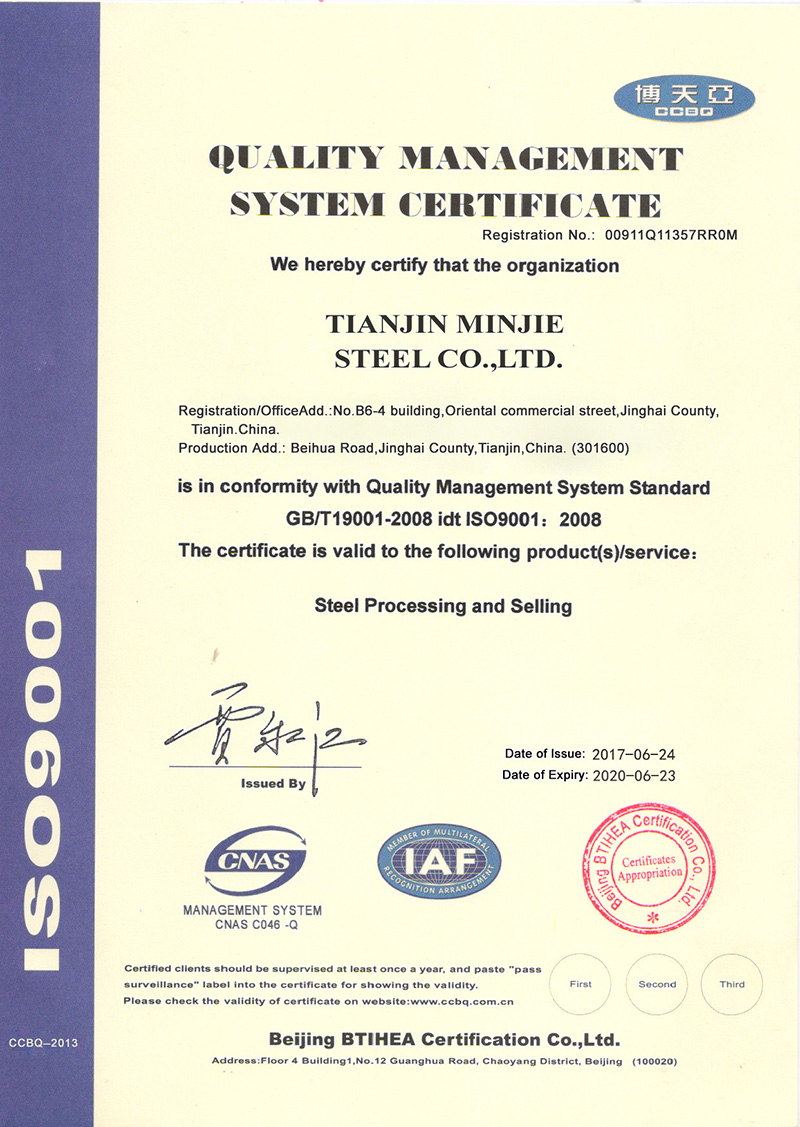
Our sales team works with construction partners, agricultural developers, and industrial sourcing groups around the globe. To ensure smooth international operations, our representatives regularly make customer site visits and host buyers at our Tianjin factory to confirm our production capacities.
In September 2019, our delegation traveled to Singapore to inspect infrastructure projects and secure supply agreements for custom-formed carbon structural tubes.
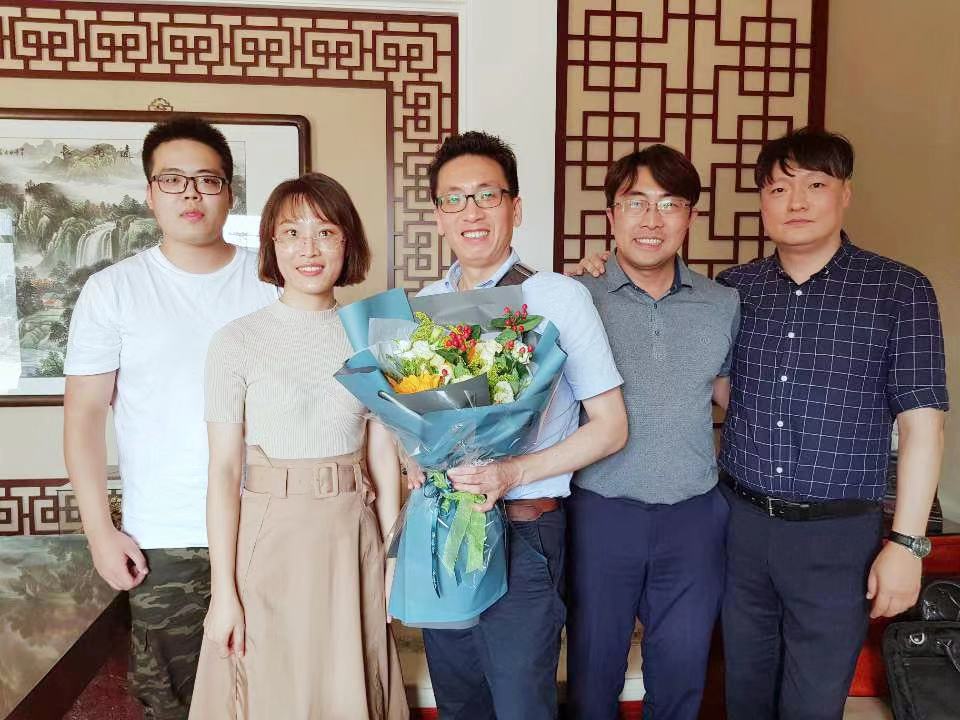
In 2019, a South Korean engineering client visited our factory to finalize designs for specialized steel profiles, establishing a reliable supply channel.
An Australian mining customer visited in November 2018 to audit our hot-dipped galvanizing operations, strengthening our supply relationship.

In 2019, an Indian procurement group chose our team for their project needs, signing a rolling contract for 10 structural container frames per month.
In June 2017, a Lebanese distributor audited our facilities and placed an immediate order for 1,000 tons of ERW structural steel pipe.
Following meetings at the Canton Fair, a Saudi construction contractor audited our factory in 2018 to establish a structural support supply line.
We participate in the annual Canton Fair (China Import and Export Fair) and various international steel exhibitions. These events allow us to meet face-to-face with global supply chain managers to discuss product updates, tariff mitigation strategies, and custom logistics solutions.
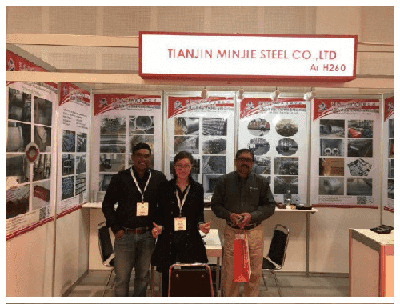
At the Canton Fair, we showcase our updated structural shapes, hollow sections, carbon plates, and patented pipe connectors. Over 80% of our new clients visit our Tianjin factory after these events to verify our production capacities firsthand.
These interactions help us align our scheduling and shipping procedures with our clients' local distribution networks, ensuring reliable delivery times.
We supply a wide range of steel products to meet the needs of diverse industrial applications. Our key product lines include:
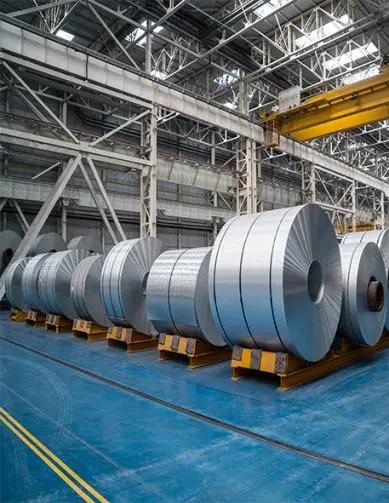
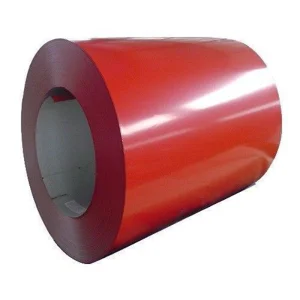
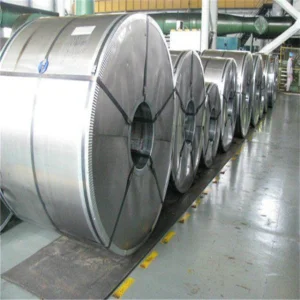
Hot-rolled carbon coils, pre-painted galvanized steel coils, and color-coated steel strip options.
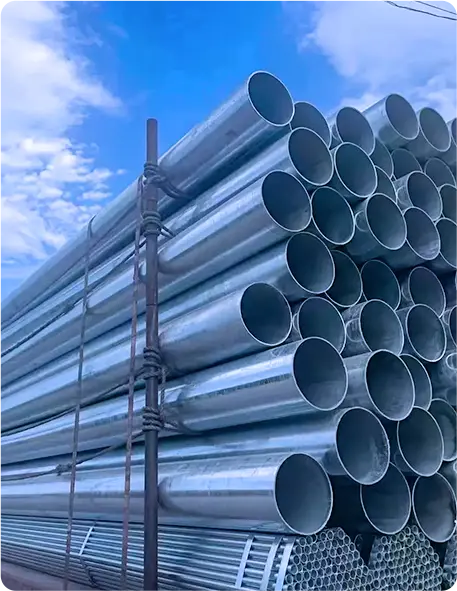
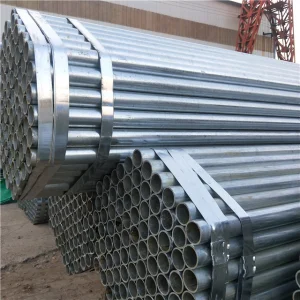
Hot-dipped galvanized, pre-galvanized, and zinc-aluminum-magnesium alloy coated options.
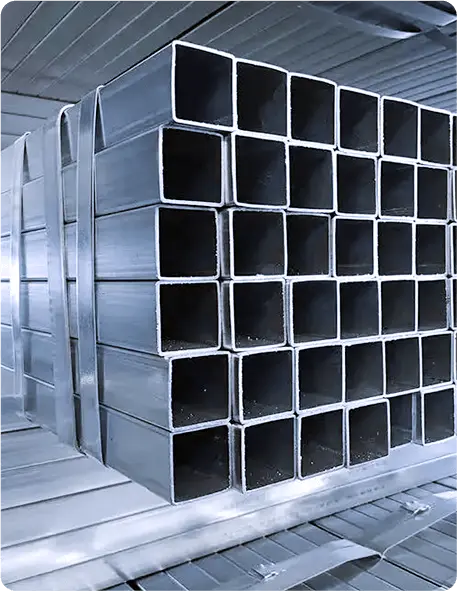
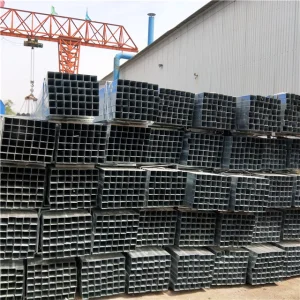
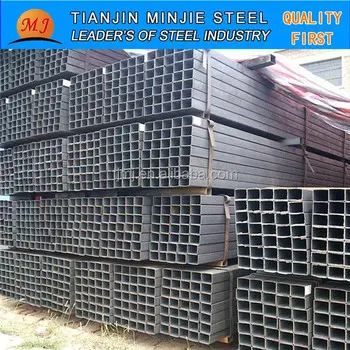
Structural square hollow sections (SHS) and rectangular hollow sections (RHS) for framing.
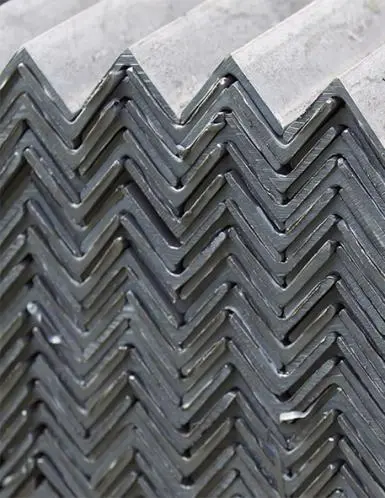
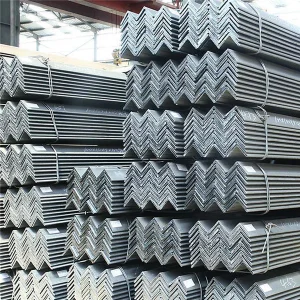
Hot-rolled structural steel angles, available in black and hot-dip galvanized finishes.
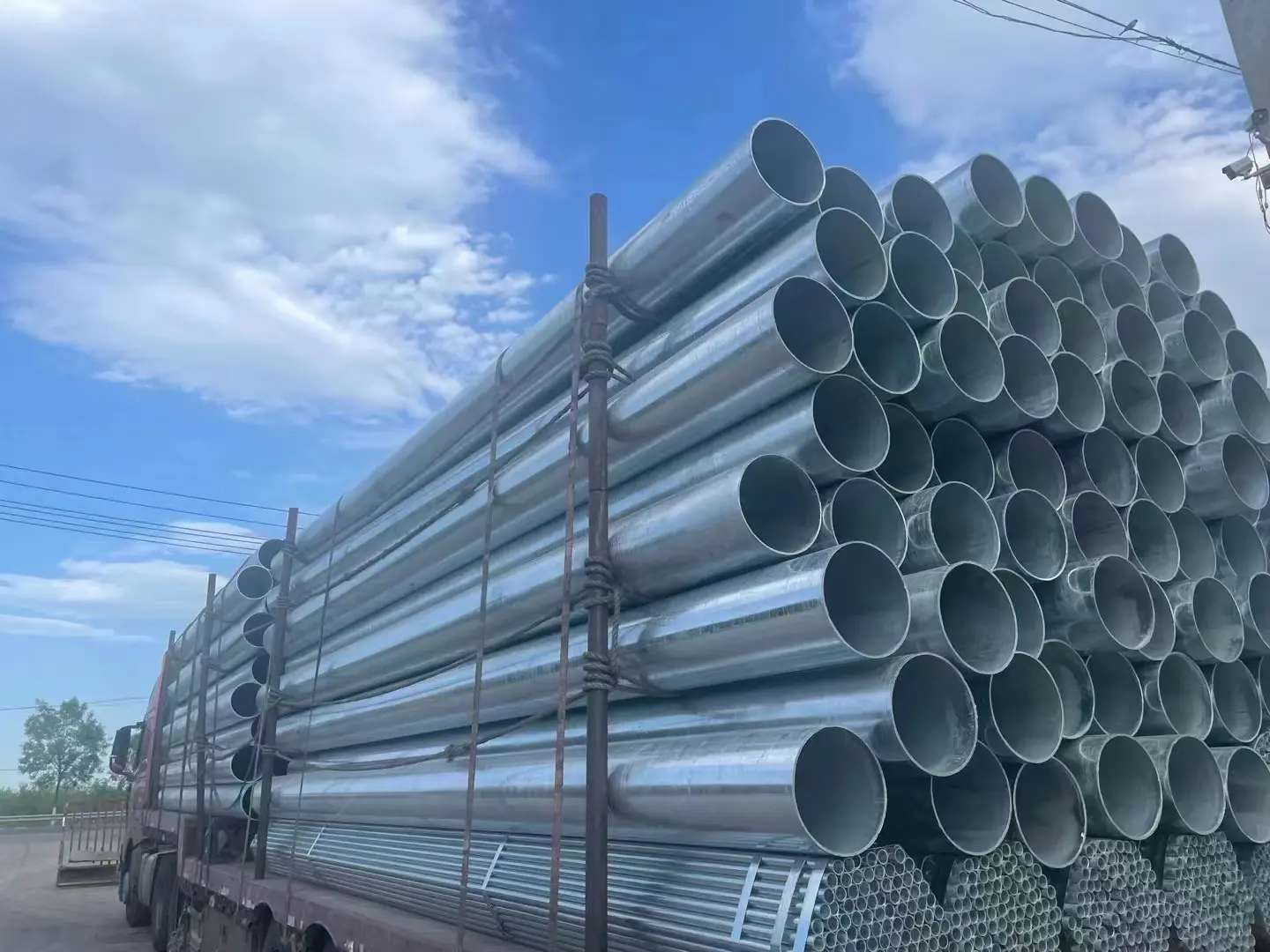
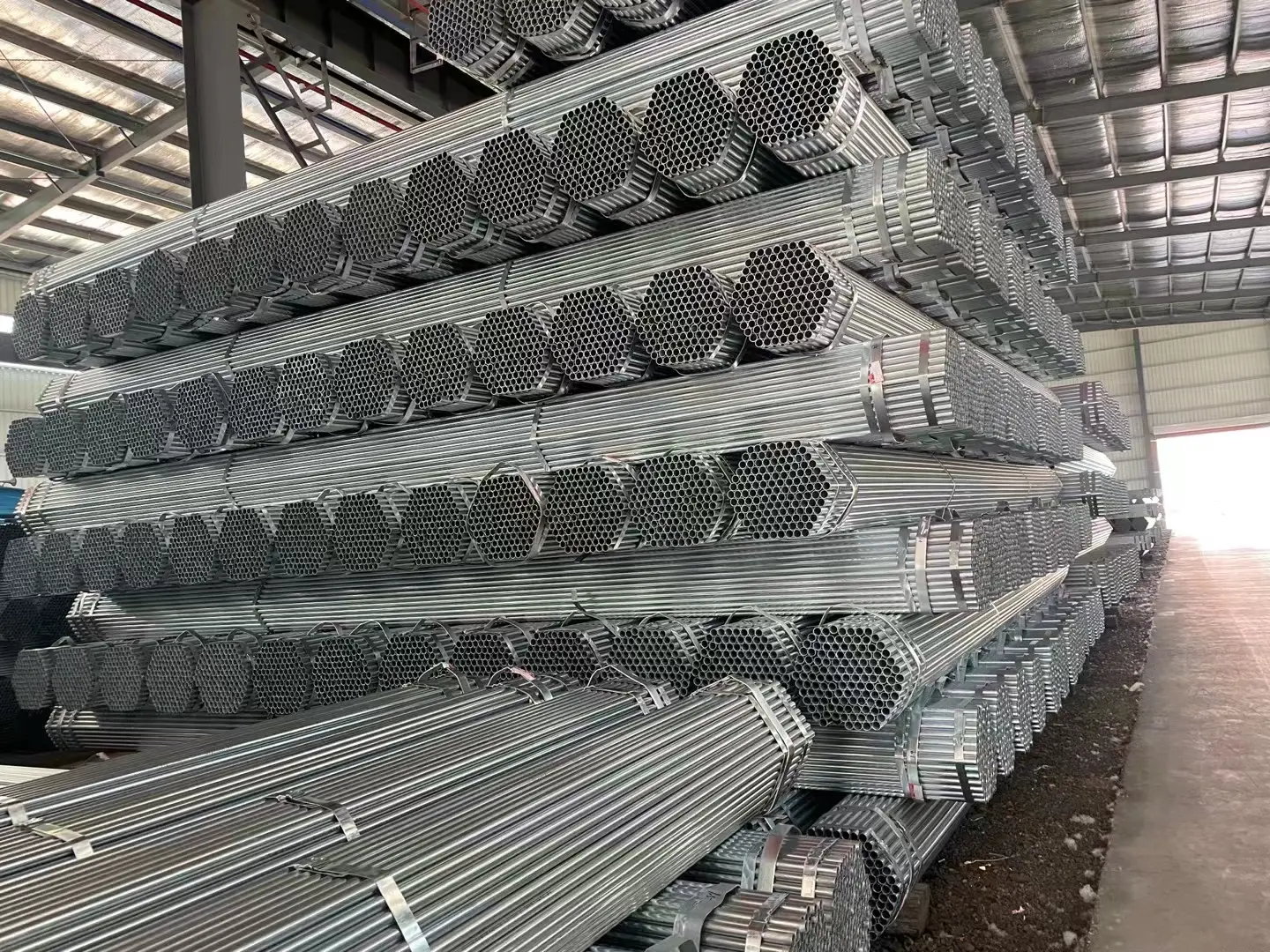
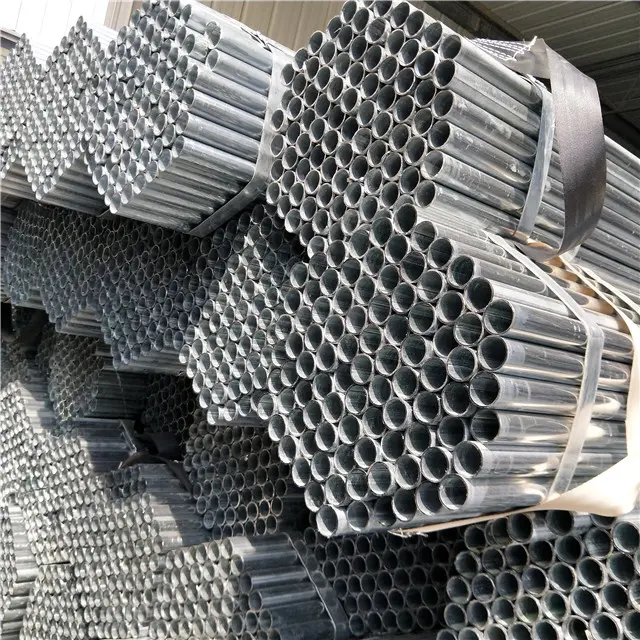
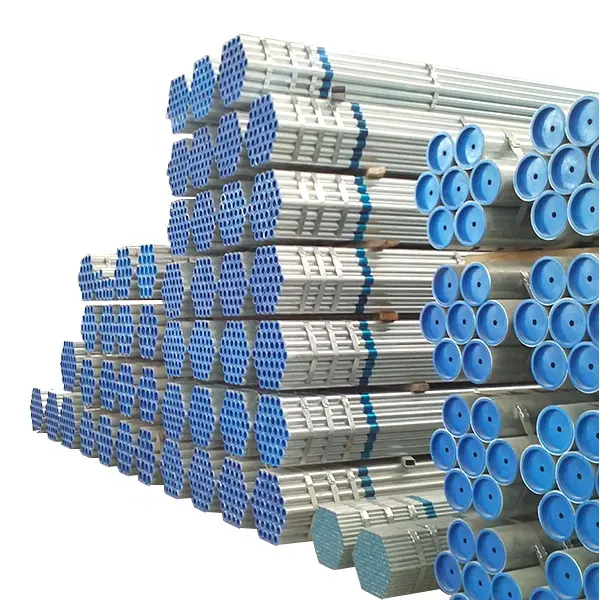
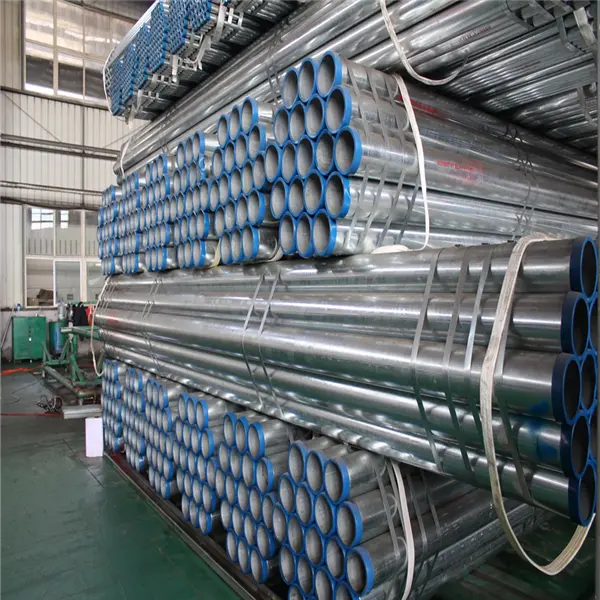
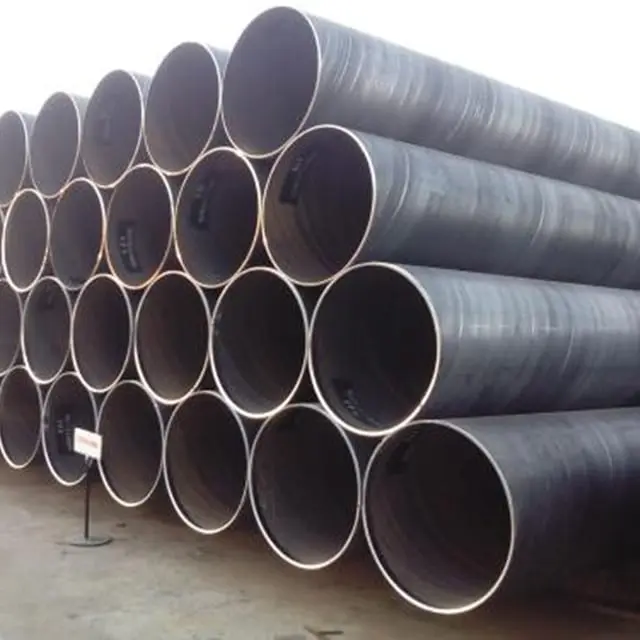
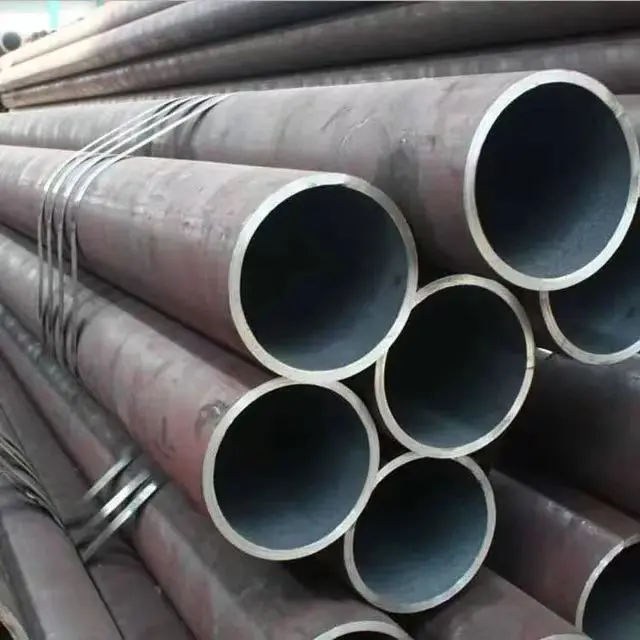
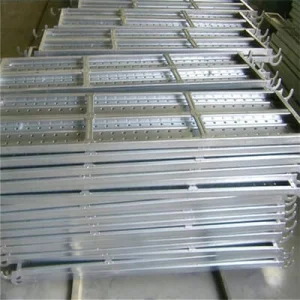
Our structural pipes, scaffolding systems, and carbon plates are used in diverse applications, including municipal infrastructure projects and large-scale agricultural greenhouses. Below is a selection of recent global projects utilizing our steel products.
As global industries demand higher mechanical performance, Tianjin Minjie Steel continues to update its production technologies and process controls. Our future roadmap focuses on three main developments:
We are integrating real-time laser monitoring systems into our continuous rolling lines. These automated systems check thickness tolerances in real time, helping us achieve deviations of less than ±0.05mm across entire production batches.
To support green building initiatives, we are expanding our research into thin, water-based anti-rust coatings. These alternatives protect steel plates during transit while eliminating the emissions associated with traditional oil coatings.
To meet the needs of heavy machinery and modular container framing, we are scaling up production of our high-strength S355 and Q355B structural sections. These profiles allow engineers to design lighter weight structures without sacrificing structural safety.
Find answers to common questions about sourcing black steel sheets, structural standards, shipping logistics, and processing options.
 Minjie Steel