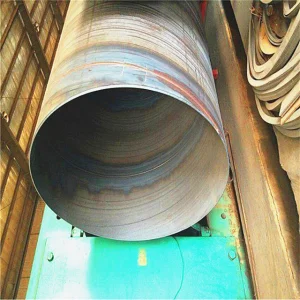
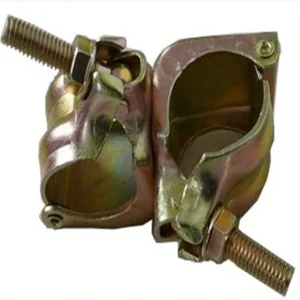
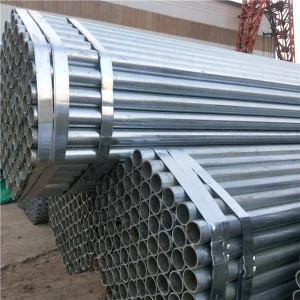
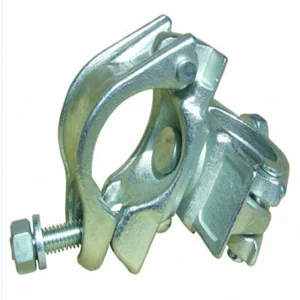
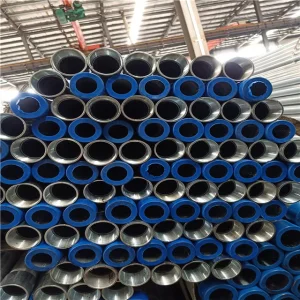
Explore our comprehensive industrial lineup of structural supports, cold-formed steel sections, and premium structural components engineered to global standards.
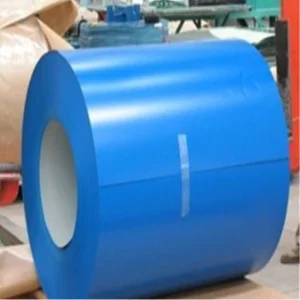
Carbon steel coils and sheets represent the backbone of global industrialization and modernization frameworks. Classified primarily by carbon content—ranging from low-carbon (mild) to high-carbon alloys—these materials provide the fundamental physical characteristics required for heavy construction, infrastructure networks, transport vehicle manufacturing, energy pipelines, and complex mechanical equipment. The global demand for high-strength, dimensionally precise, and chemically stable carbon steel continues to expand as countries upgrade critical public networks and transit sectors.
As modern engineering standards shift towards material efficiency and reduced operational weight, steel mills have adapted through advanced thermomechanical processing. This allows carbon steel coils to achieve elevated yield strengths without compromising weldability or cold-forming capacities. From simple mild structural plates to specialized corrosion-resistant alloy variants, carbon steel remains the most widely processed industrial metal by volume across every continent.
Understanding carbon steel grade capabilities is critical for engineering compliance. The table below represents essential properties of carbon steel components typically utilized across industrial application modules:
| Steel Grade | Yield Strength | Tensile Strength | Standard Use Case |
|---|---|---|---|
| Q195 / S195T | ≥ 195 MPa | 315-430 MPa | Light structural components, fence tubes |
| Q235B / SS400 | ≥ 235 MPa | 370-500 MPa | Infrastructure, structural props, hollow sections |
| Q345B / S355JR | ≥ 345 MPa | 470-630 MPa | Heavy load-bearing columns, bridge structures |
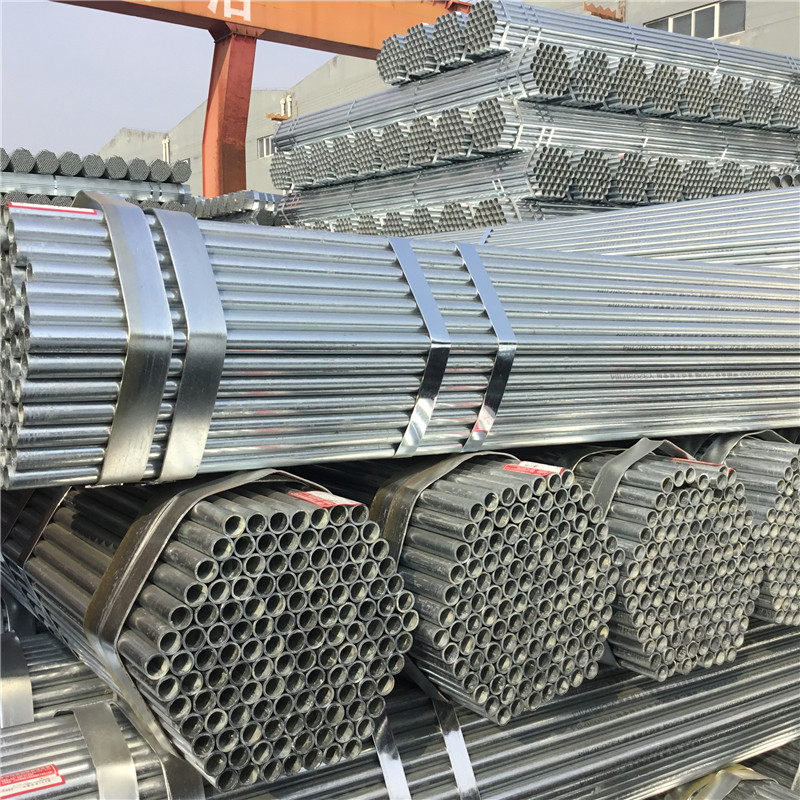
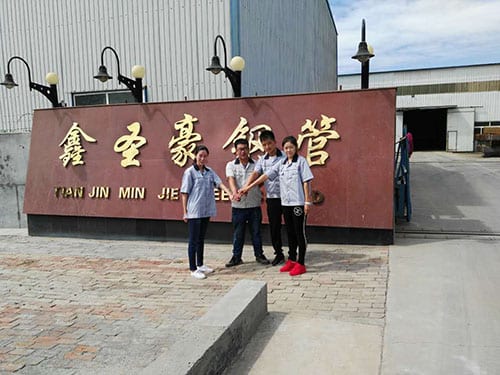
Established in 1998, Tianjin Minjie Steel Co., Ltd has evolved into a preeminent manufacturer, developer, and global exporter of high-grade steel piping systems, structural supports, and raw steel processing products. Our modern manufacturing compound spans an impressive area exceeding 70,000 square meters. Tactically situated just 40 kilometers from the Xingang Port (Tianjin)—the primary maritime trading gateway in North China—we secure distinct logistical and shipping efficiencies for clients across the globe.
Equipped with advanced processing lines, our facilities integrate 4 pre-galvanized product lines, 8 ERW (Electric Resistance Welded) steel pipe fabrication lines, and 3 hot-dipped galvanized processing mills. These advanced production layouts guarantee that our manufactured components strictly adhere to international engineering standards, including GB, ASTM, DIN, and JIS protocols, all monitored under a verified ISO9001 quality management framework.
The manufacturing supremacy of China’s steel sector relies heavily on raw material access, integrated supply structures, and localized logistical hubs. Located in the Jing-Jin-Ji (Beijing-Tianjin-Hebei) heavy industrial zone, Tianjin Minjie Steel operates at the epicenter of global metallurgical processing. By centering raw steel coils, chemical processing, hot-rolling mills, and downstream tube-forming setups within a limited geographical area, we eliminate the high transport and intermediate handling costs that impact other global suppliers.
Minjie Steel holds three core design patents, specifically for our high-precision groove pipe, shoulder pipe, and Victaulic piping connections, optimizing structural system longevity.
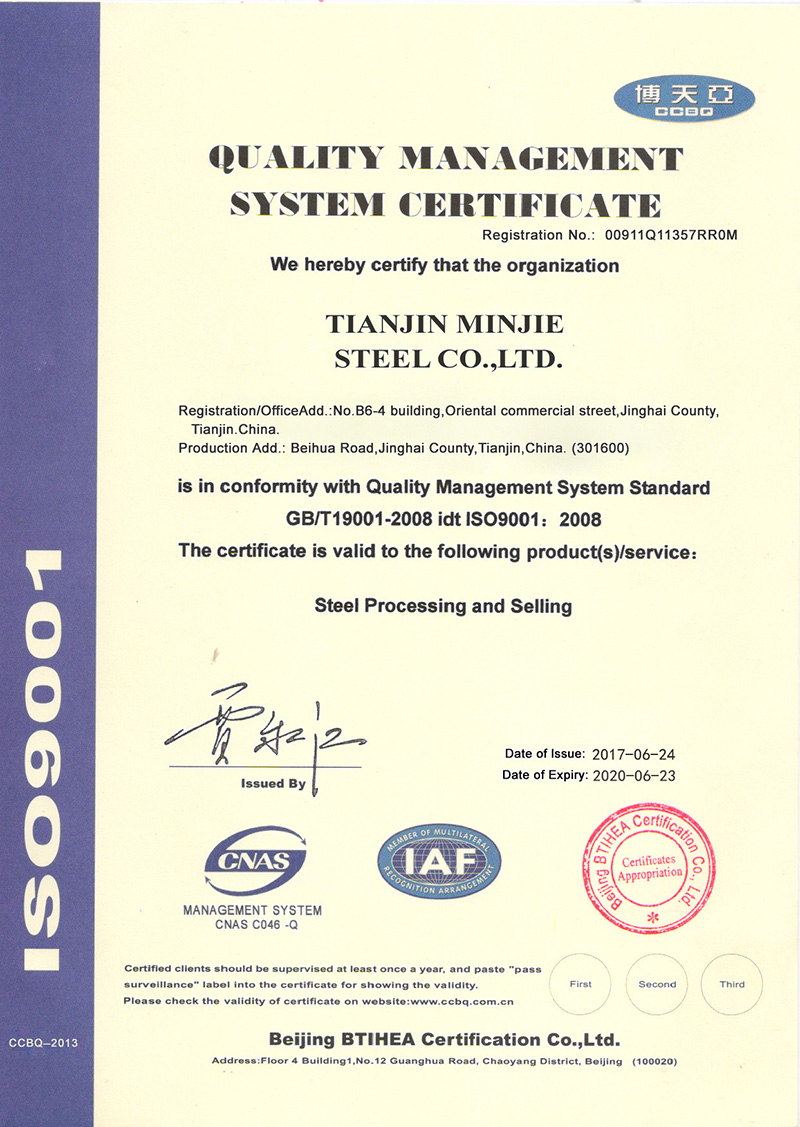
Operating under strict ISO9001 guidelines, we implement multi-phase inspection protocols covering raw metal sourcing, strip processing, welding, galvanized layering, and pressure testing.
Located just 40km from Xingang Port (Tianjin), our team manages quick export dispatches and large-scale bulk cargo deliveries, lowering shipping transit delays.
Furthermore, our annual pipe production capacity exceeds 300,000 tons. This massive capacity allows us to absorb market volatility and guarantee constant material delivery to major projects, including oil and gas transport lines, large greenhouse structures, highway security barriers, machine manufacturing, structural framing, and offshore scaffold frameworks.
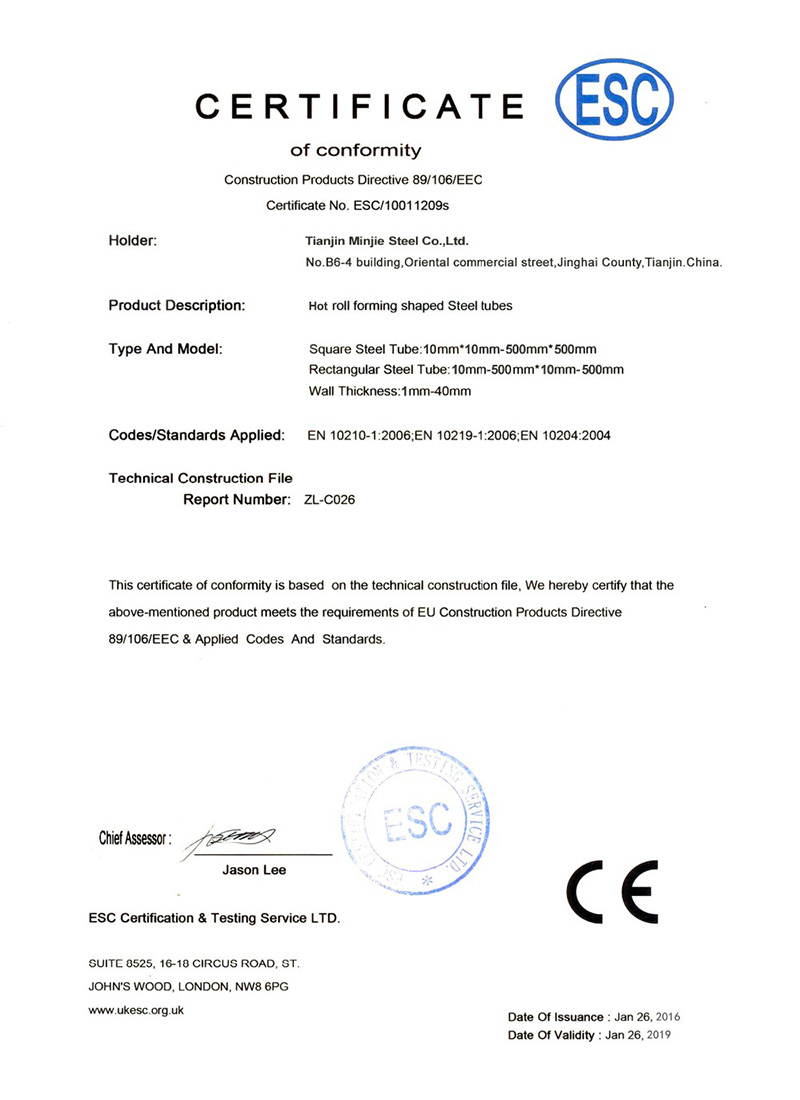
Our products conform to major international engineering standards, securing seamless integration in regulatory systems globally.
From offshore scaffolding setups in Southeast Asia to heavy agricultural frameworks in North America, we adapt manufacturing parameters to match localized environments.
Our hot-rolled carbon steel angles, channels, and hollow sections provide structural load resistance in high-rise steel buildings and transport terminals. The low-carbon profile ensures easy, reliable field welding.
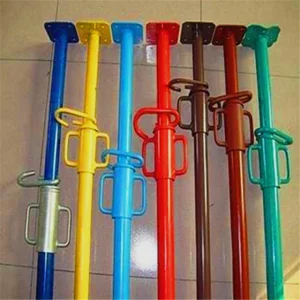
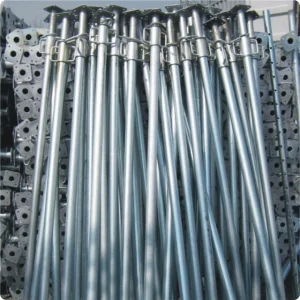
Leveraging adjustable steel shoring props and BS1139-compliant couplers, our systems deliver safe load-bearing limits for multi-story slab pours and temporary maintenance structures.
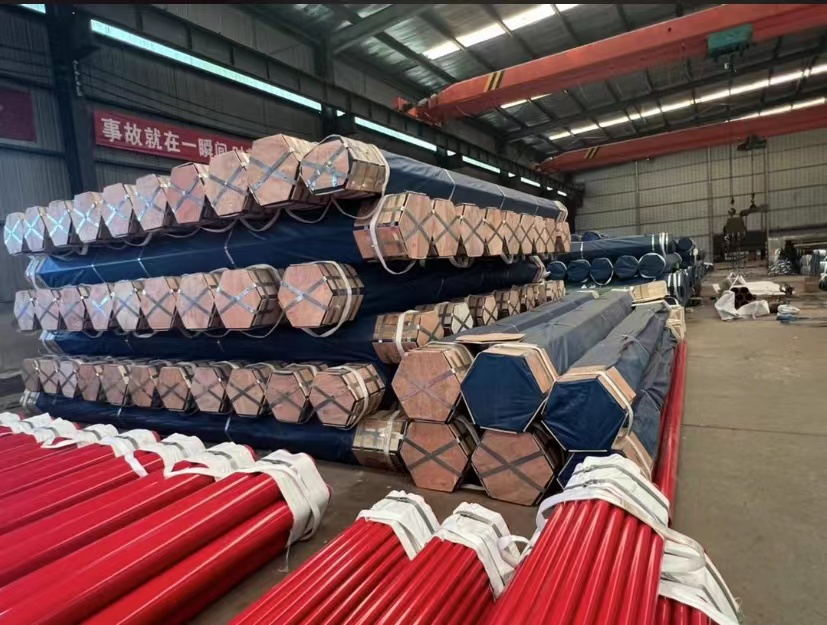
Integrating pre-galvanized and hot-dipped zinc coats provides active protection against high humidity, chemical fertilizers, and soil dampness in modern farming applications.
Our team maintains active communication and transparent business dealings with procurement agents, engineering firms, and industrial distributors globally.
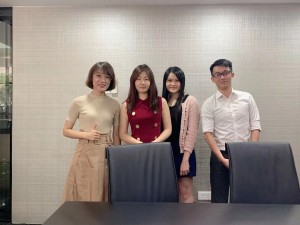
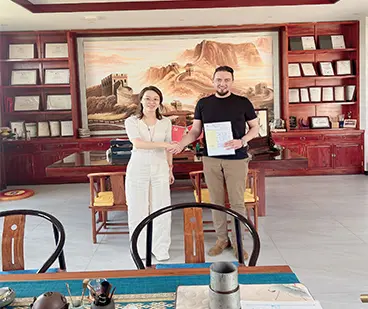
In September 2019, our delegation traveled to Singapore to inspect onsite project implementations. Our ongoing, reliable structural supply continues to earn high client recommendations.
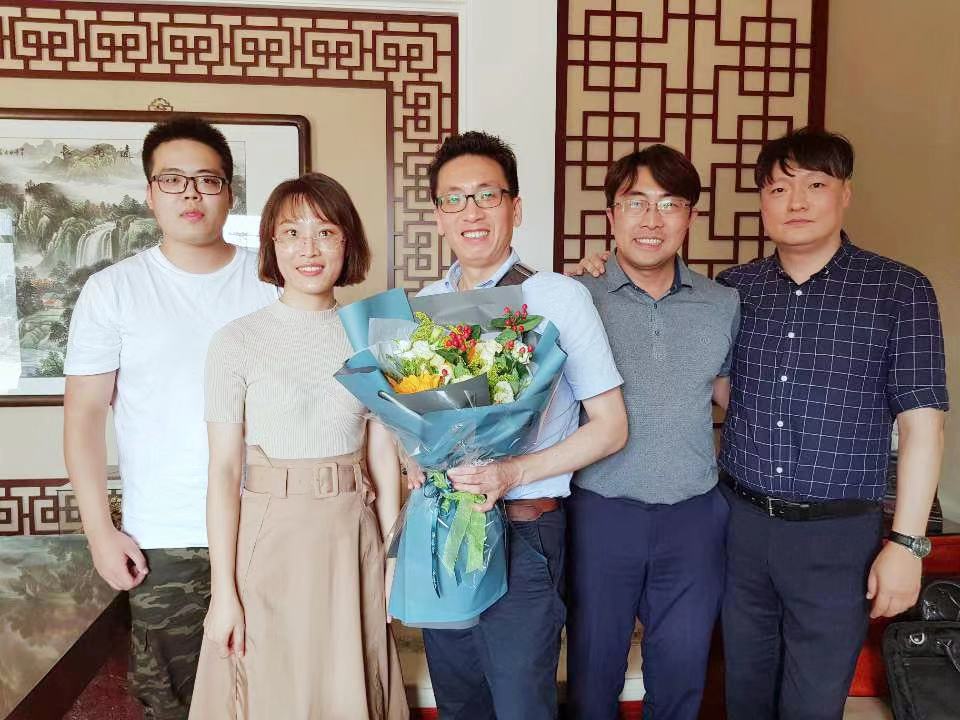
In 2019, Korean technical designers visited our facility to align specialized specifications for custom structural systems, establishing a long-term supply agreement.
A leading Australian infrastructure distributor visited our facility in November 2018 to evaluate our welding quality, leading to bulk shipments of carbon structural materials.
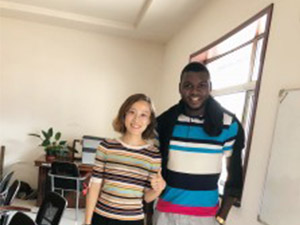
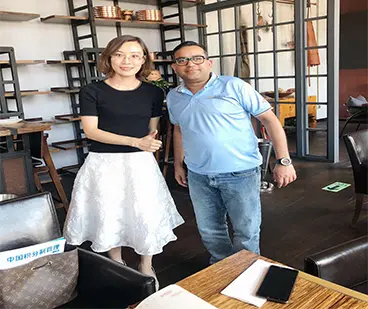
After evaluating several alternative Asian suppliers in 2019, Indian procurement officers selected Minjie Steel, executing a contract for 10 structural container loads monthly.
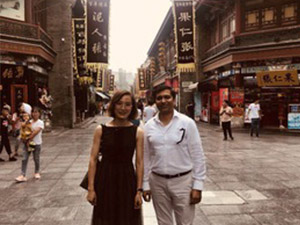
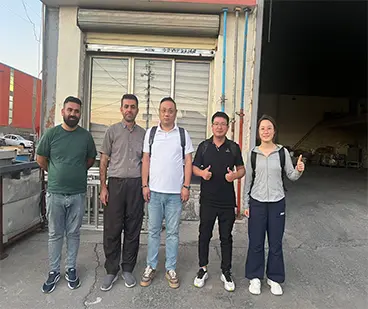
In June 2017, a Lebanese engineering partner finalized an initial order of 1,000 tons of high-grade carbon steel pipes following a comprehensive facility tour.
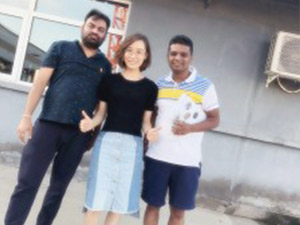
First established at the Canton Fair, our relationship with Saudi Arabian developers led to a site inspection in 2018 and ongoing structural material deliveries.
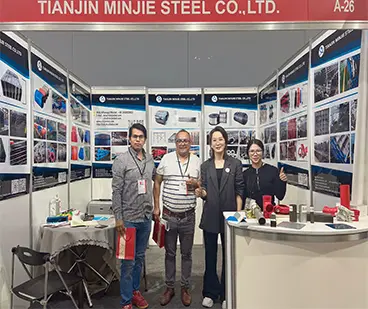
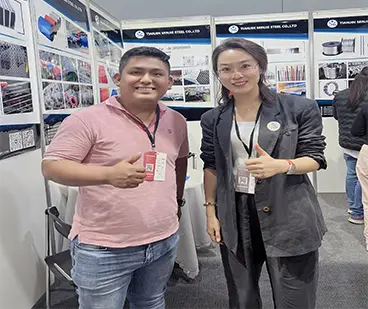
Tianjin Minjie Steel consistently participates in the annual Canton Fair, engaging with global buyers to present our latest structural materials, customized hollow sections, and scaffolding connectors. Our interactive exhibits showcase product tolerances, coating thicknesses, and structural load metrics. In 2017, our fair showcase attracted major engineering buyers, with over 80% subsequently visiting our Tianjin facilities to audit our production lines and secure supply agreements.
We maintain clear client pathways from early technical consulting, through custom production, to port delivery, ensuring international purchasers receive reliable structural steel shipments.
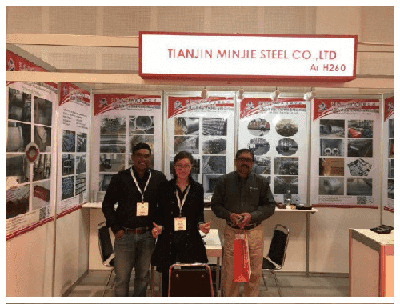
Take a virtual walk through our advanced processing plants, hot-dip galvanizing lines, and organized warehouse areas.
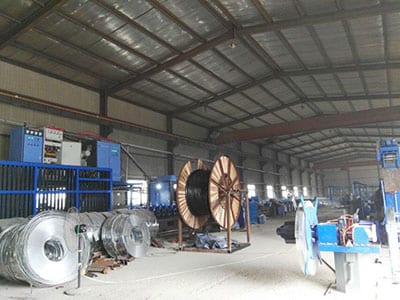
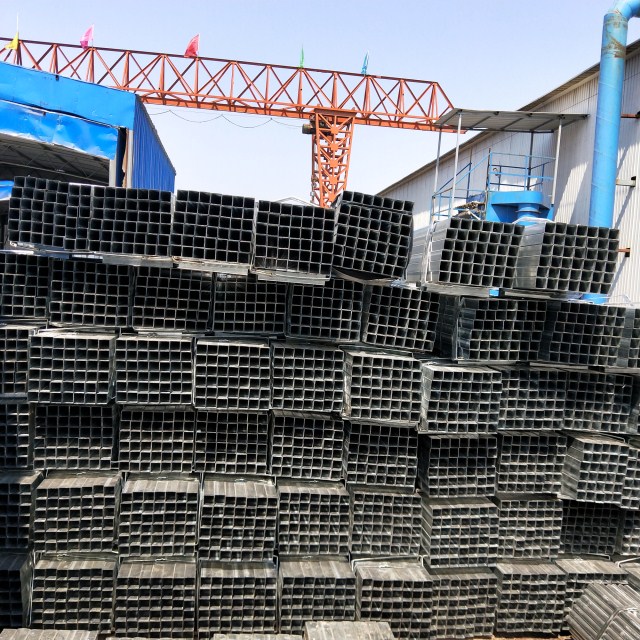
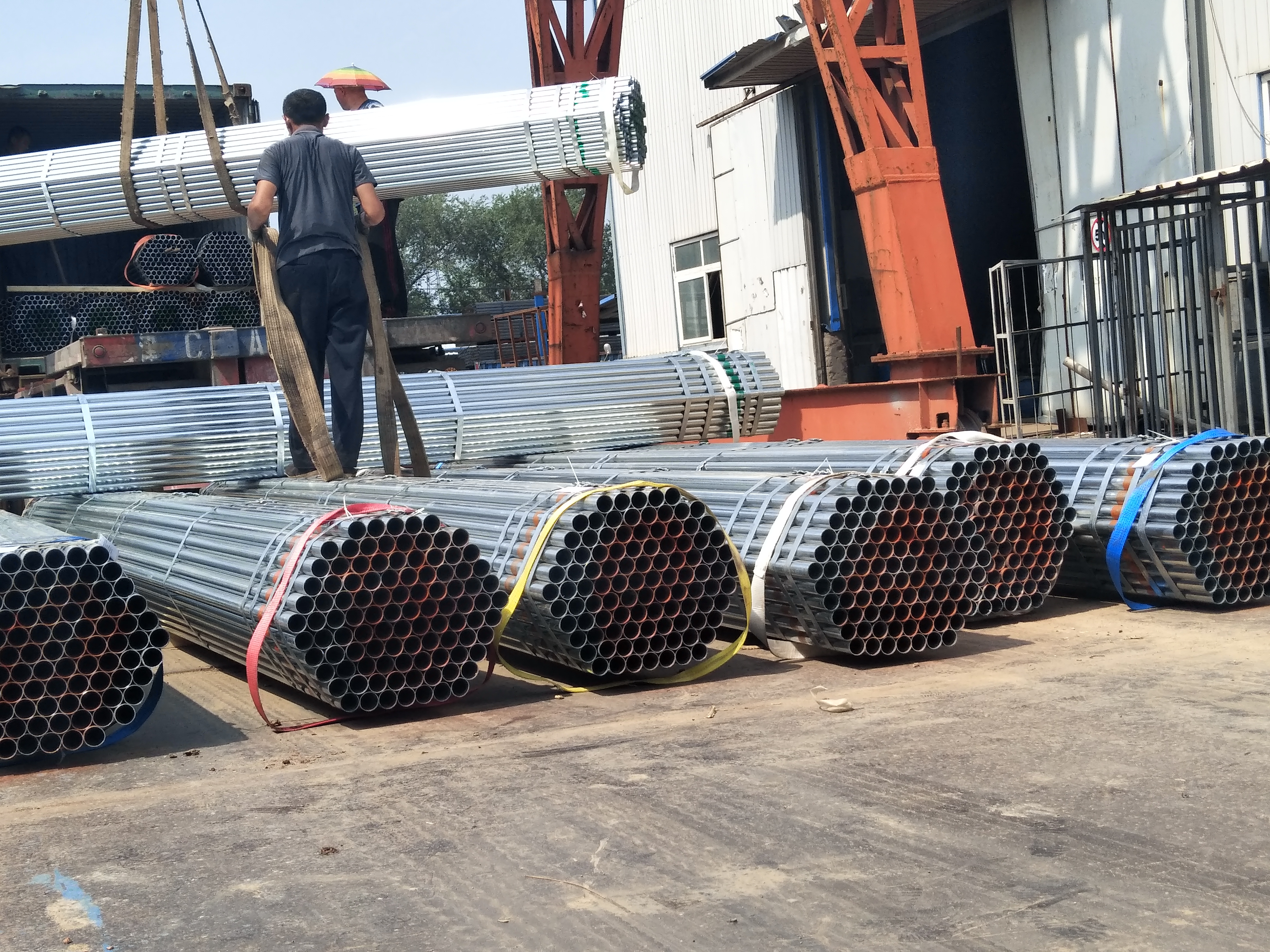
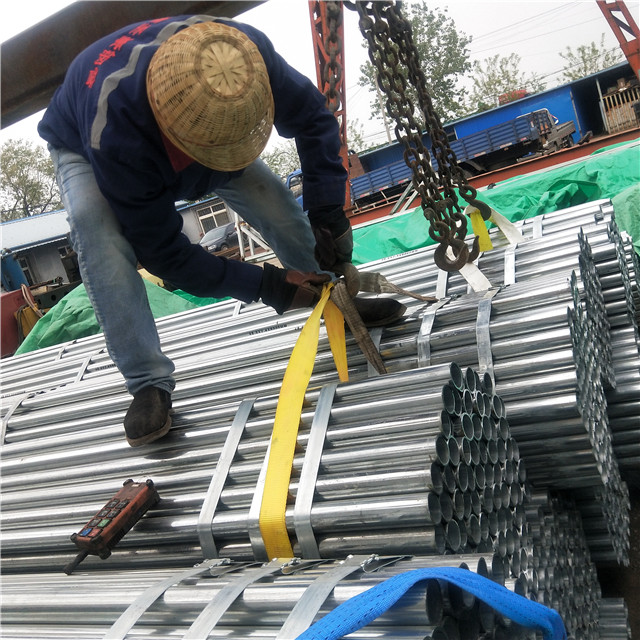
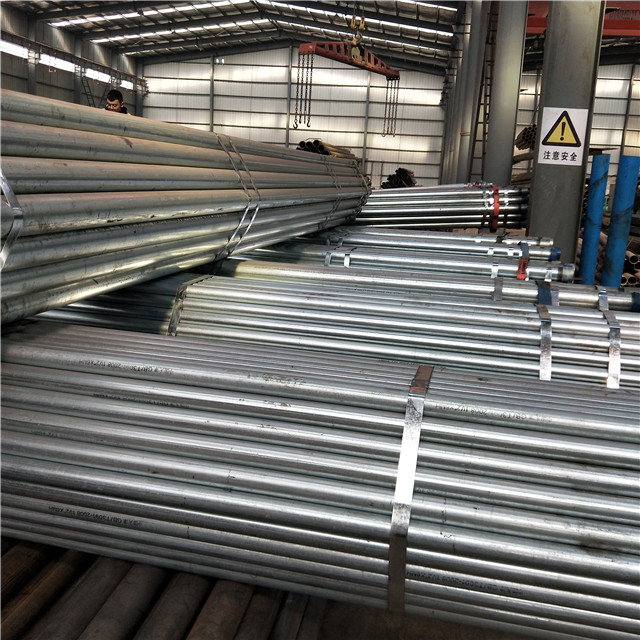
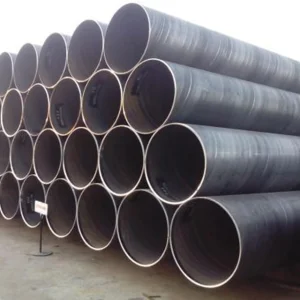
Minjie Steel processes raw carbon steel coils into diverse structural shapes and hollow sections tailored to different load-bearing demands.
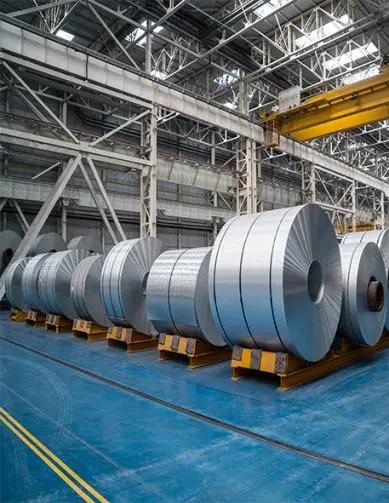
Available in hot-rolled, cold-rolled, pre-painted, and color-coated steel strip formats designed for complex stamping and forming.
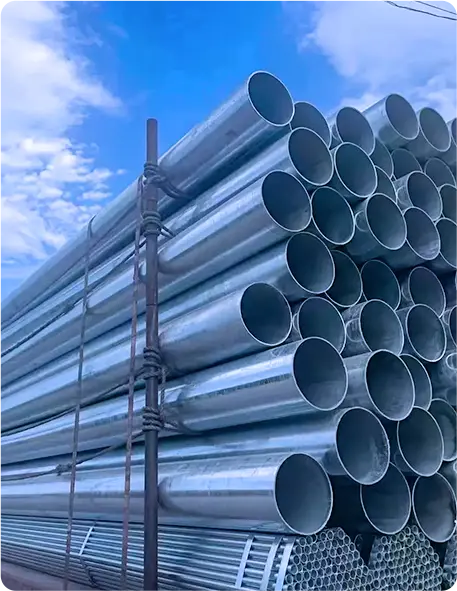
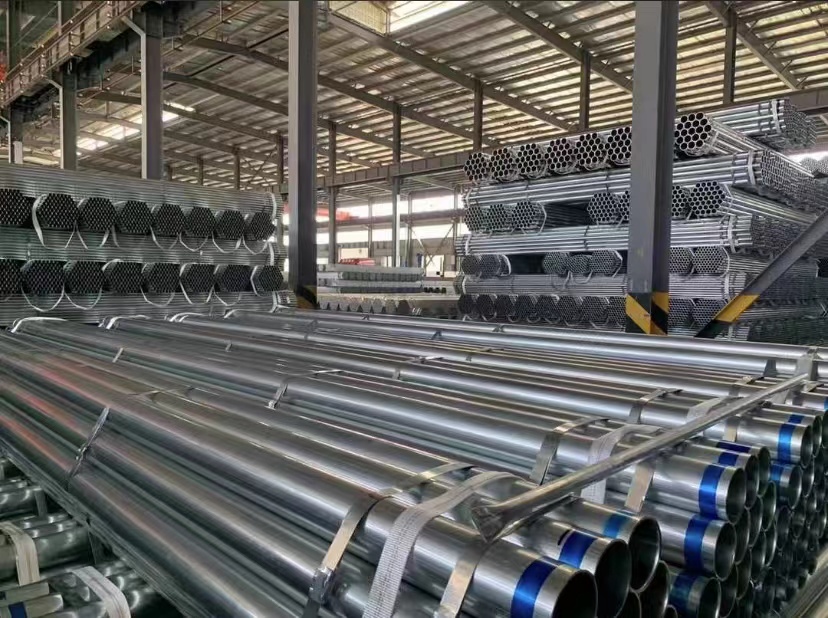
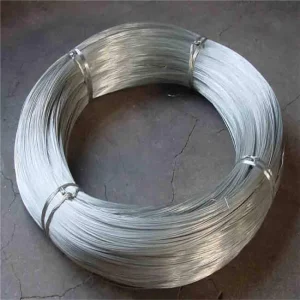
Hot-dipped, pre-galvanized, and zinc-aluminum options providing enhanced protection in corrosive infrastructure environments.
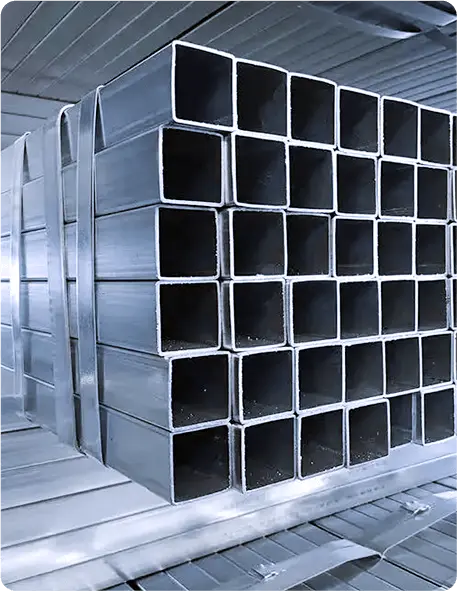
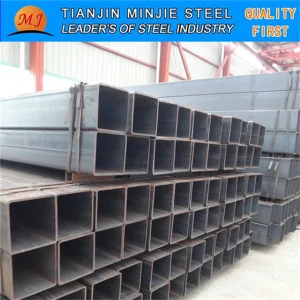
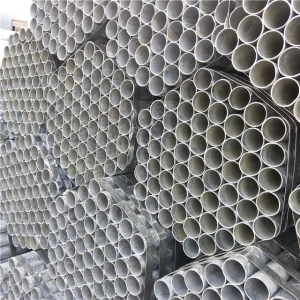
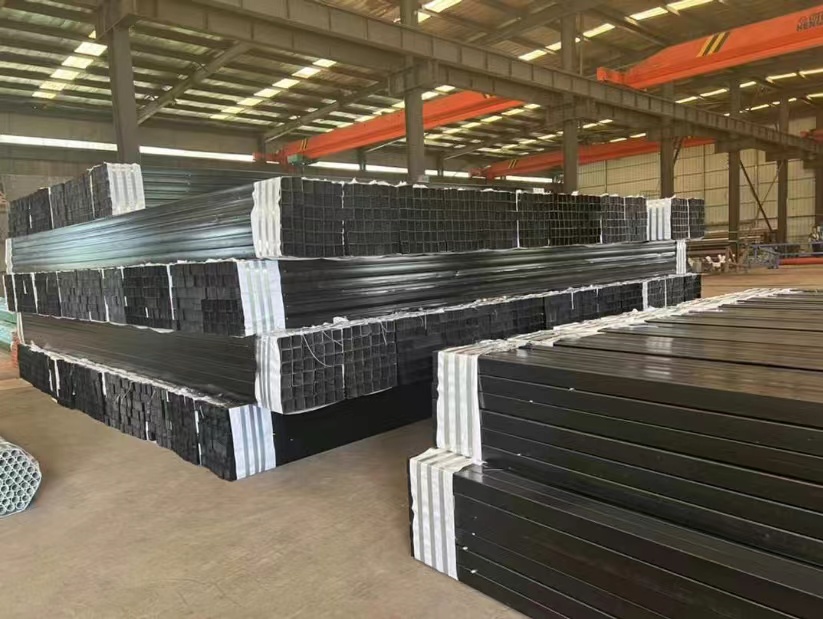
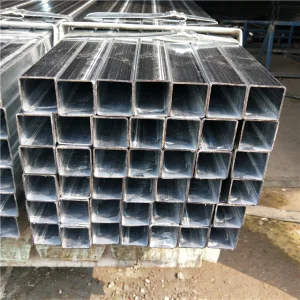
Hollow structural sections (HSS) with square and rectangular geometries, ideal for machinery frames and architectural columns.
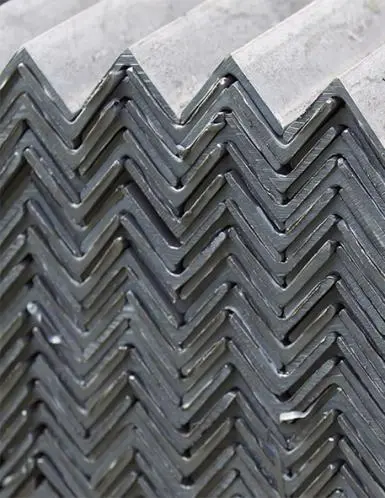
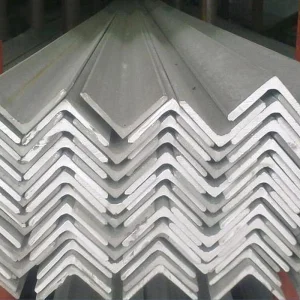
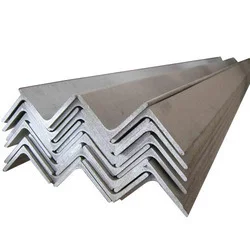
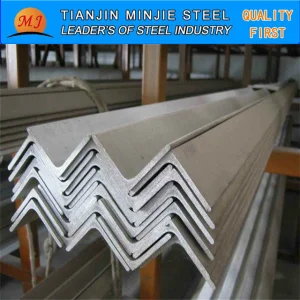
Hot-rolled equal and unequal structural angles, suitable for tower construction, trusses, and bracing structures.
The global steel industry is experiencing its most significant transformation in a century. Driven by environmental targets and global frameworks like Europe's CBAM (Carbon Border Adjustment Mechanism), steel manufacturers are optimizing production footprints. The transition from traditional blast furnaces to energy-efficient electric arc furnaces (EAF) using recycled scrap feedstocks is key to lowering the carbon footprint of structural coils.
Tianjin Minjie Steel addresses these shifts by improving energy efficiency, reducing manufacturing waste, and optimizing process heating systems. This focus on lower resource use ensures our products remain compliant with evolving carbon regulations in import markets across Europe and North America.
Additionally, advanced digital control systems now monitor our tube mills and hot-dip galvanizing lines. Automated control loops track zinc thickness and temperature ranges in real time, reducing chemical waste. By integrating digital tracking, we provide our global partners with certified production data, ensuring reliable traceability for large-scale projects.
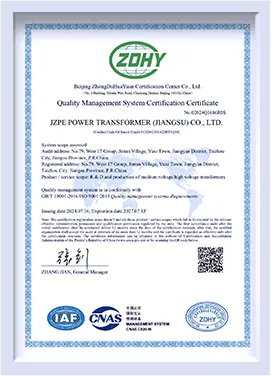
CE EN10219 Compliance
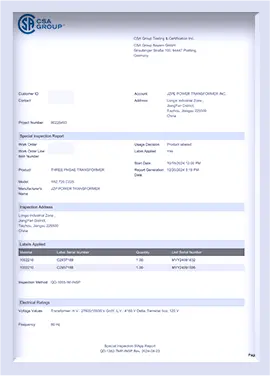
ISO 9001 System Certified
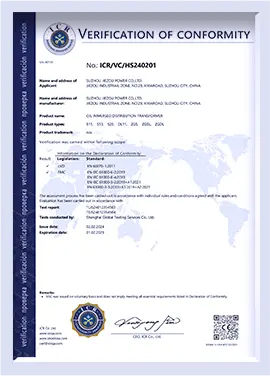
SGS Mill Test Certified
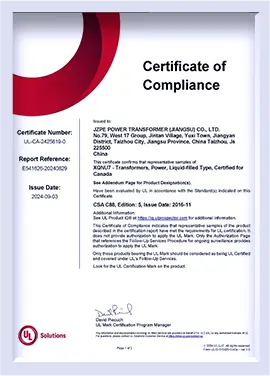
ASTM Standard Conformance
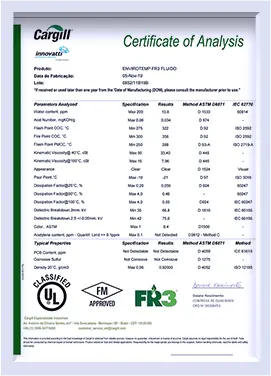
JIS Standard Approval
Our manufactured pipe structural formats and scaffolding assemblies are deployed globally in heavy construction and industrial processing sites.
Get detailed engineering answers about carbon steel properties, processing options, and import regulations.
Review our structural steel pipes, coupling systems, heavy shoring components, and custom-formed hollow sections.
 Minjie Steel