 Minjie Steel
Global Scaffolding (Chafaudage) & Industrial Structure Industry Landscape
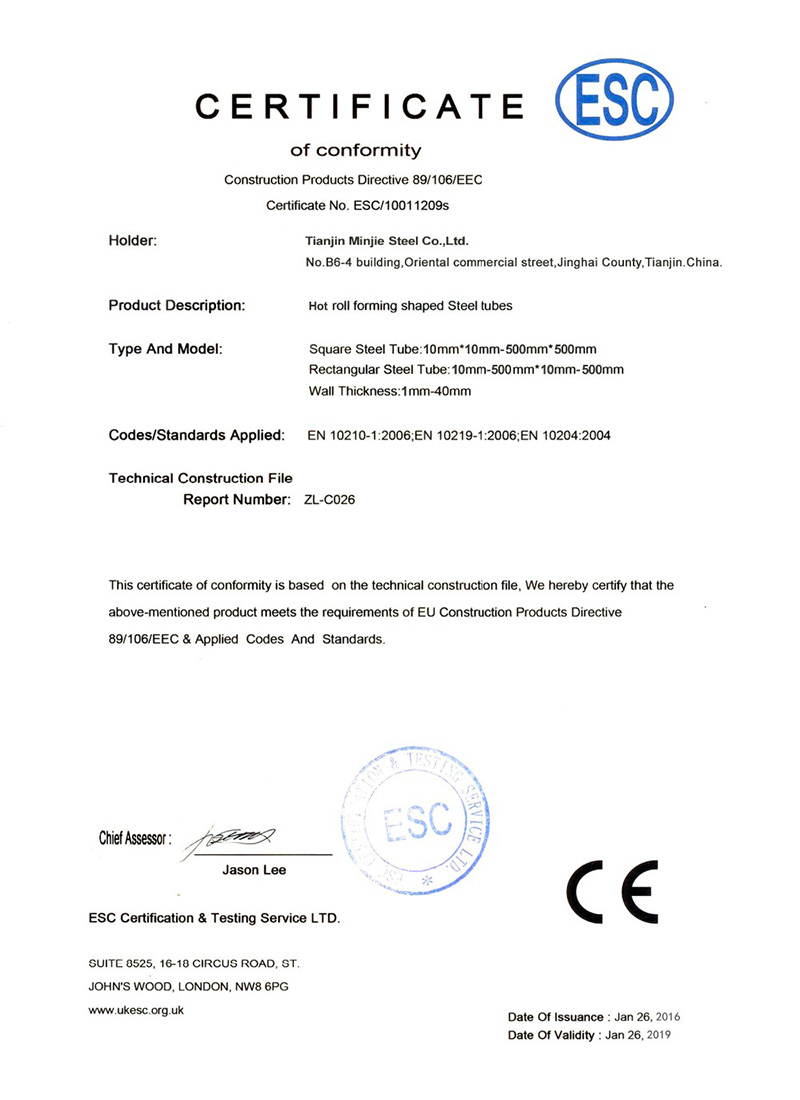
In modern industrial and civil engineering projects, scaffolding system technology—widely known as **chafaudage** in French-speaking territories—remains the baseline element for high-elevation safety and logistics. Globally, safety and structural requirements have evolved past traditional configurations. Industrial developers in Europe, America, and the Middle East demand dynamic, robust modular components that reduce risk margins to zero. Scaffold systems must comply with rigorous standards such as **BS EN 12811-1**, **OSHA 1926.451**, and various domestic quality indicators. As traditional bamboo and timber scaffoldings phase out due to legal compliance mandates, galvanized steel structures have captured the market share because of their strength-to-weight ratio and environmental durability.
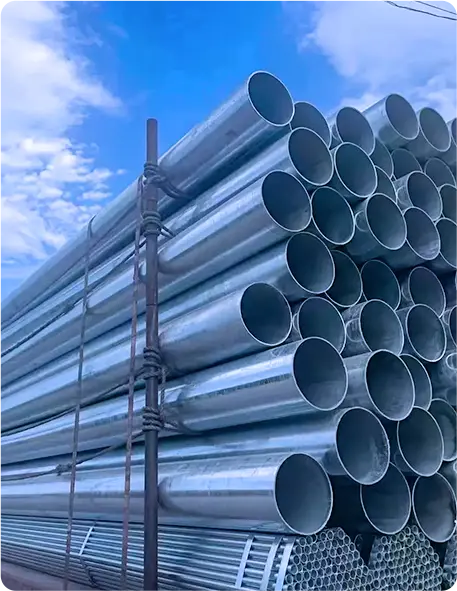
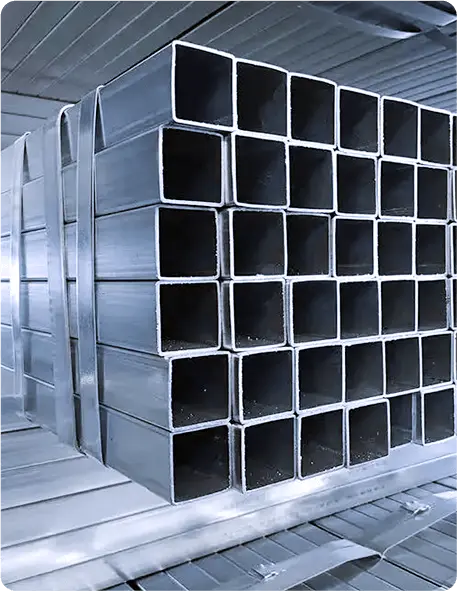
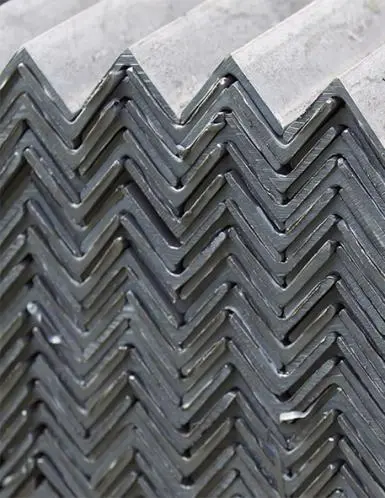
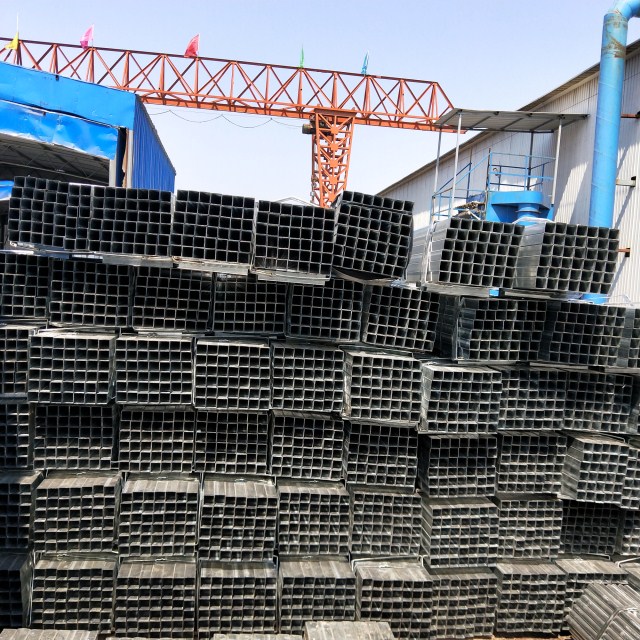
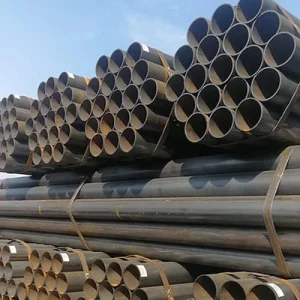
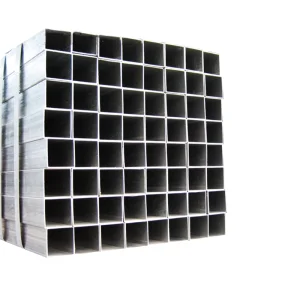
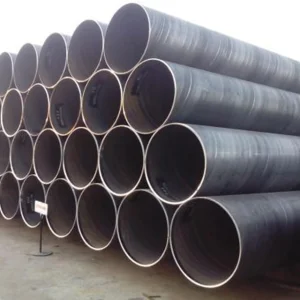
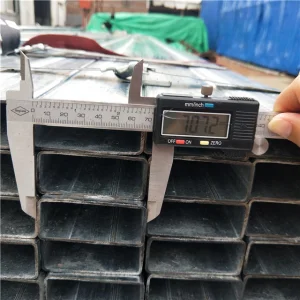
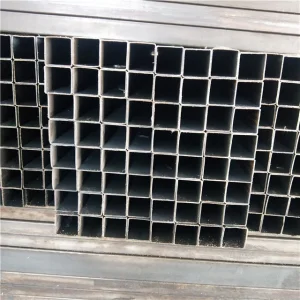
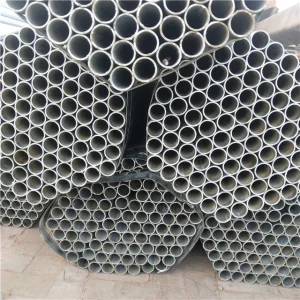
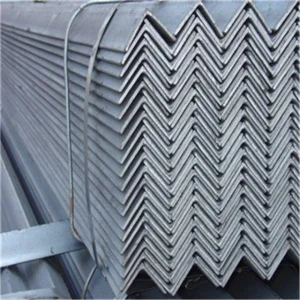
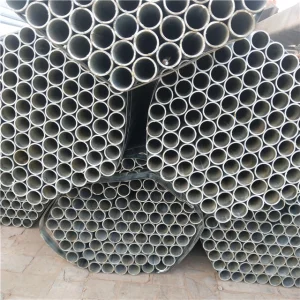
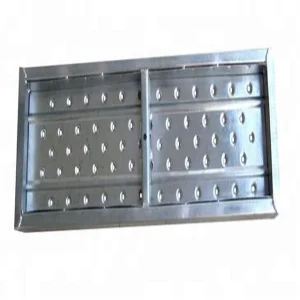
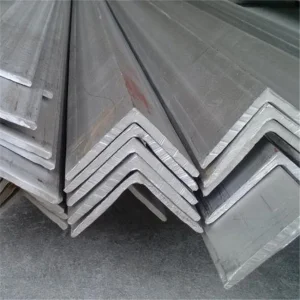
Today, scaffolding components are not merely passive access platforms; they form active structural networks integrated with smart load monitors and corrosion-resistant finishes. Structural dynamics demand precise manufacturing parameters. For instance, metal scaffold planks must deliver high anti-slip index values and stable drainage properties while supporting heavy live loads under aggressive conditions. The growth of marine, civil infrastructure, and energy sector construction continues to drive the demand for structural piping, square hollow sections, and hot-rolled equal angle bars globally.
The Paradigm Shift Toward Hot-Dip Galvanization
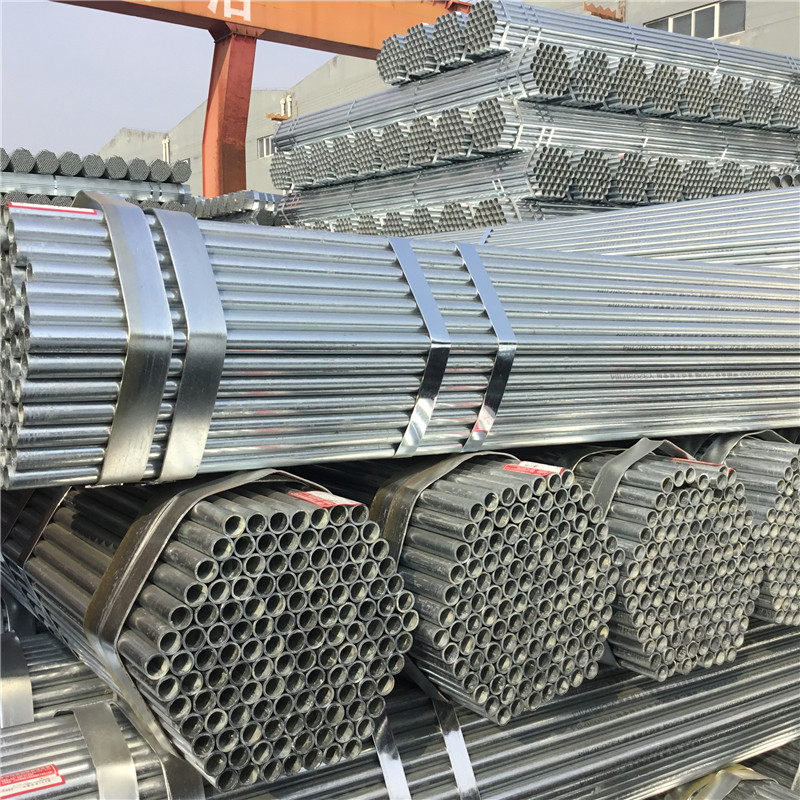
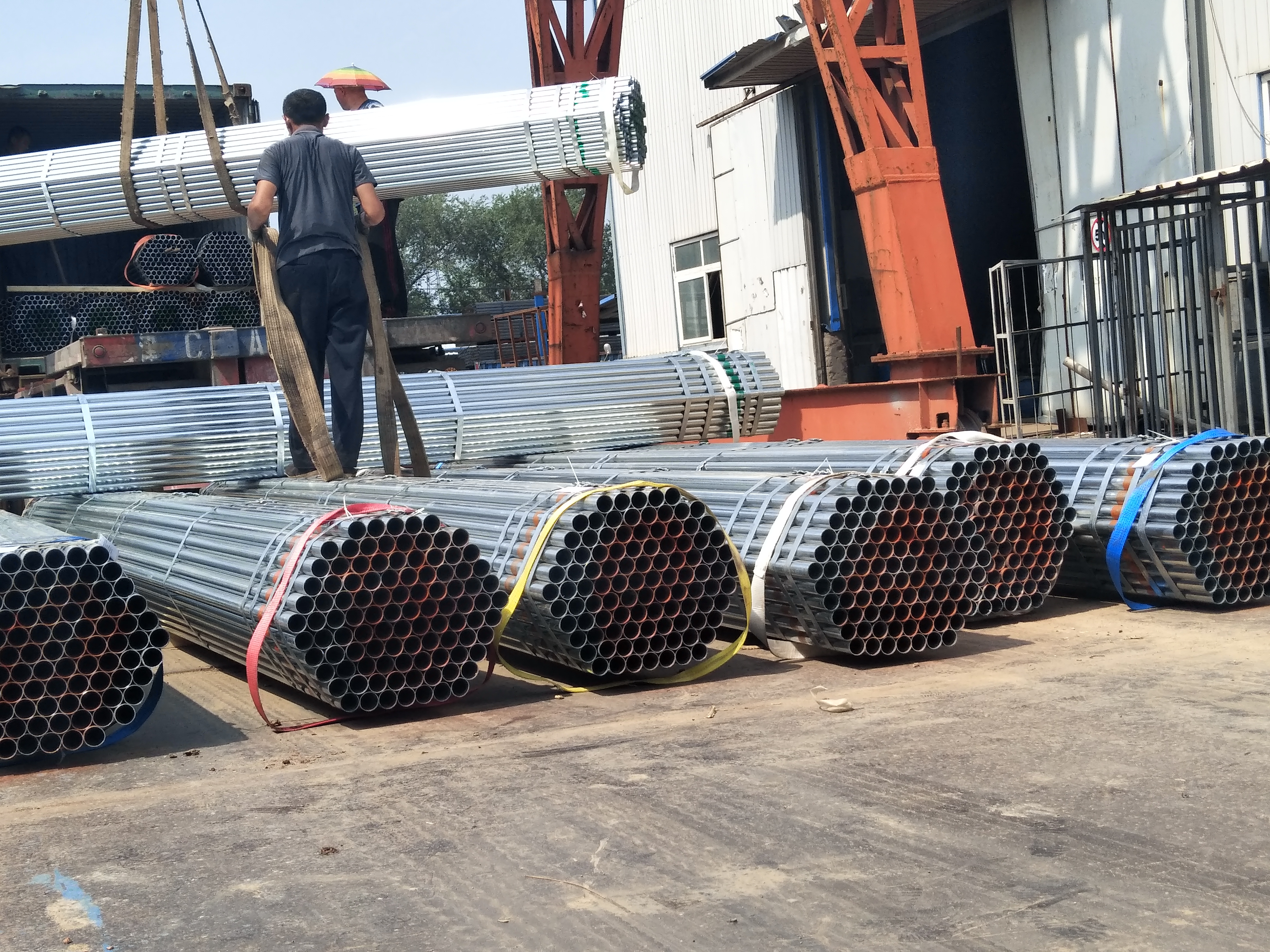
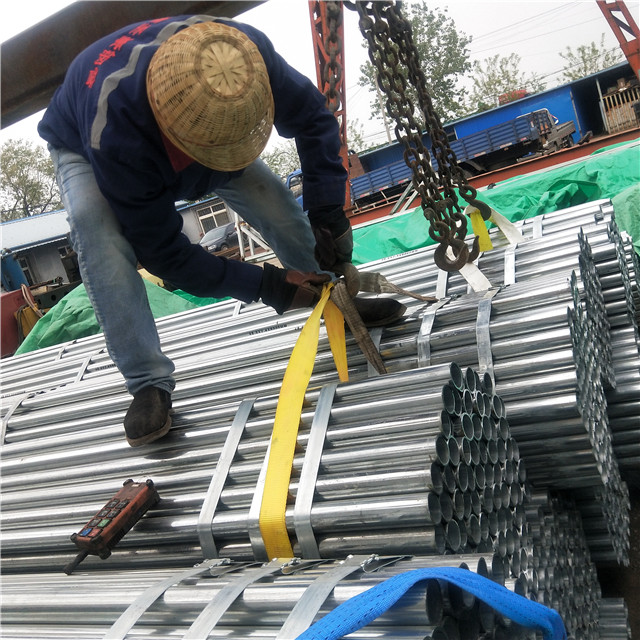
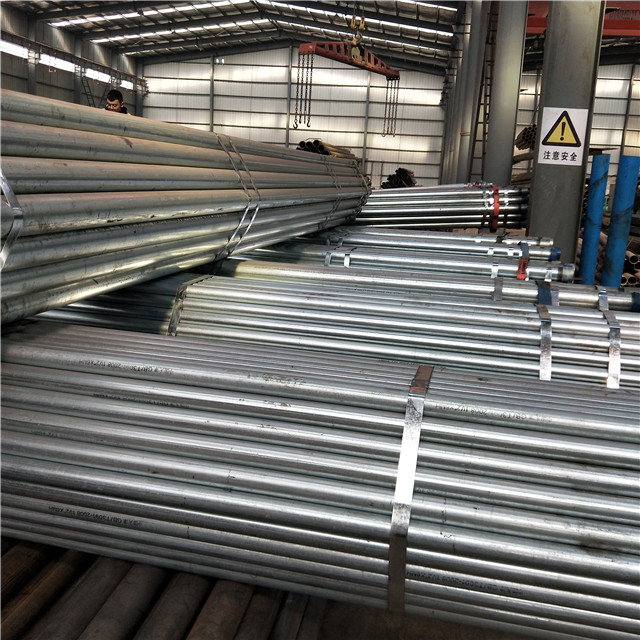
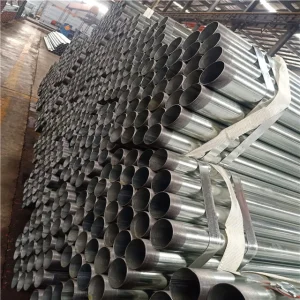
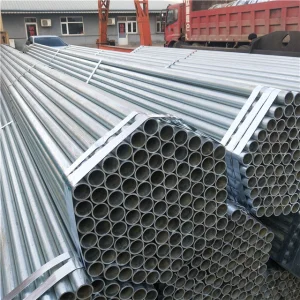
Unprotected carbon steel sections are susceptible to accelerated oxidation, compromising the tensile limits of modular scaffold grids. Hot-dip galvanization provides a chemical diffusion barrier (Zinc-Iron alloy layers) capable of resisting marine atmospheres and heavy moisture environments for up to 30 years without mechanical failure.
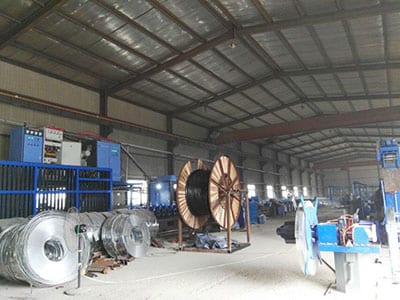
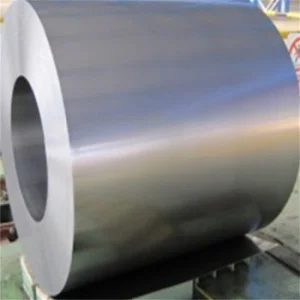
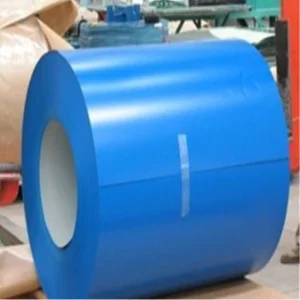
Furthermore, contemporary architects and project managers are increasingly analyzing the lifecycles of their temporary steel components. A scaffolding matrix designed with premium pre-galvanized materials or heavy-duty hot-dip structures lowers replacement costs and reduces project footprints. Consequently, structural sourcing teams now prioritize suppliers that possess vertically integrated manufacturing workflows, direct shipping port logistics, and accredited testing labs to secure reliable materials.