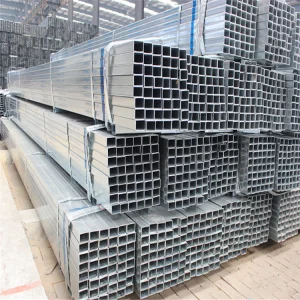
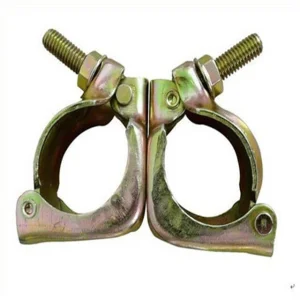
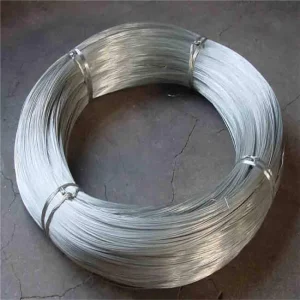
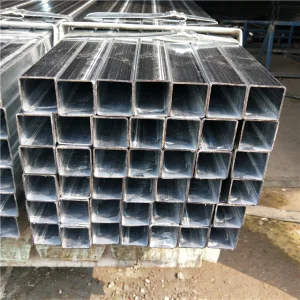
Checkered plates, dynamically referred to within the metallurgical supply chain as tread plates, diamond plates, or durbar floor plates, represent a crucial segment of structural steel. These structural panels are characterized by an embossed pattern—often a raised single-bar diamond, 5-bar teardrop, or complex lenticular pattern—projecting from one side of the plate. This raised design provides high-efficiency multi-directional slip resistance, which is critical in architectural, chemical processing, marine, and logistics environments.
From an engineering perspective, checkered plate manufacturing requires precise metal deformation controls. The plates are typically fabricated via hot rolling, where the metal sheet is subjected to temperatures exceeding its crystallization point, or through modern cold embossing to achieve tighter tolerance levels. The selection of materials varies from low-carbon structural steel (like Q235B or ASTM A36) to specialized high-tensile steels and corrosion-resistant alloys, ensuring the optimal combination of load-bearing properties, durability, and cost efficiency.
For international buyers and procurement engineers seeking reliable China Checkered Plate Factories, selecting the appropriate metallurgy and pattern format is paramount. The decision-making process involves balancing the friction coefficients required for specific industrial layouts against the maintenance requirements of the environment, such as exposure to corrosive salt water or chemical cleaning compounds.
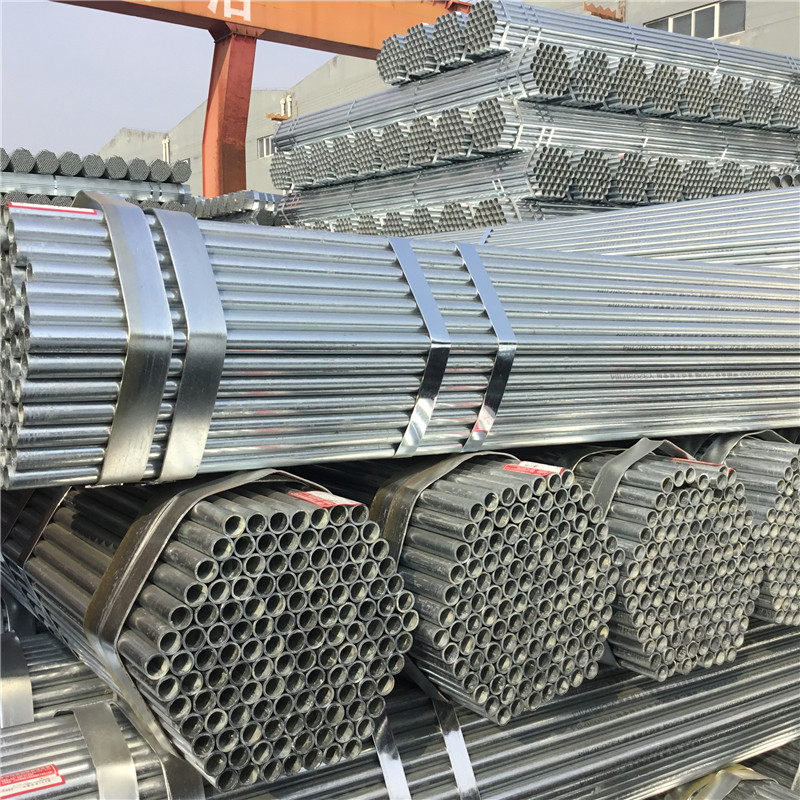
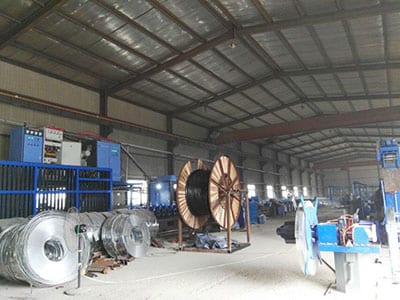
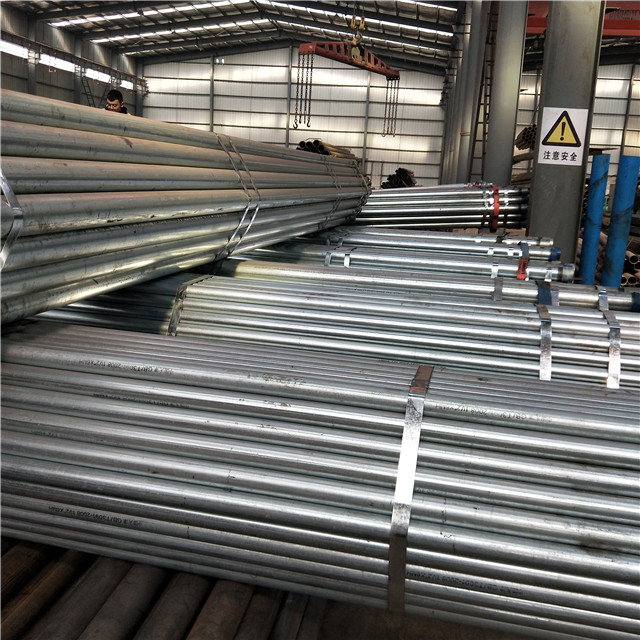
A look at our integrated production footprint, state-of-the-art facilities, and advanced technology lines that ensure consistent quality for global industrial supply chains.
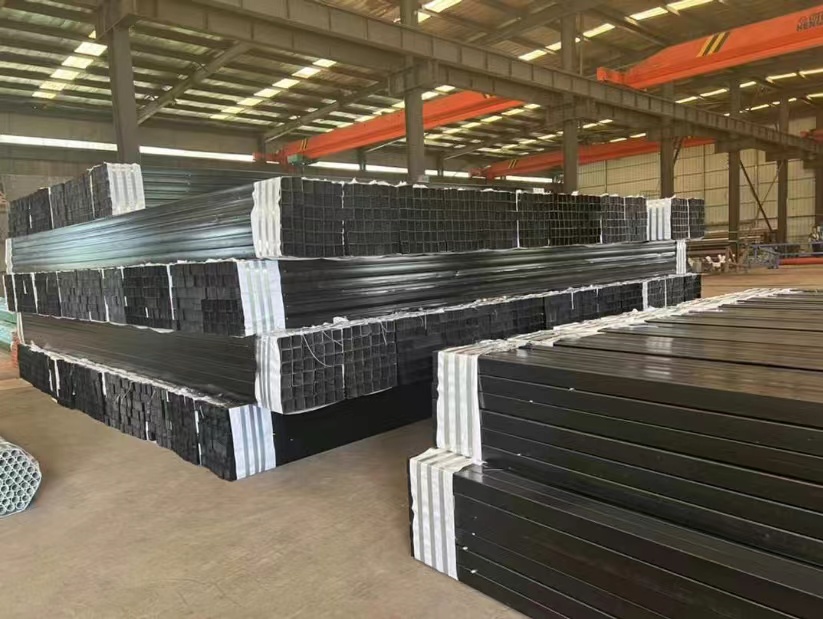
Founded in 1998, Tianjin Minjie Steel Co., Ltd has established a formidable presence in the steel sector. Operating out of a massive facility spanning over 70,000 square meters, our factory is located just 40 kilometers from XinGang Port—the largest deepwater port in Northern China. This strategic location minimizes logistics overheads and ensures streamlined global container shipments.
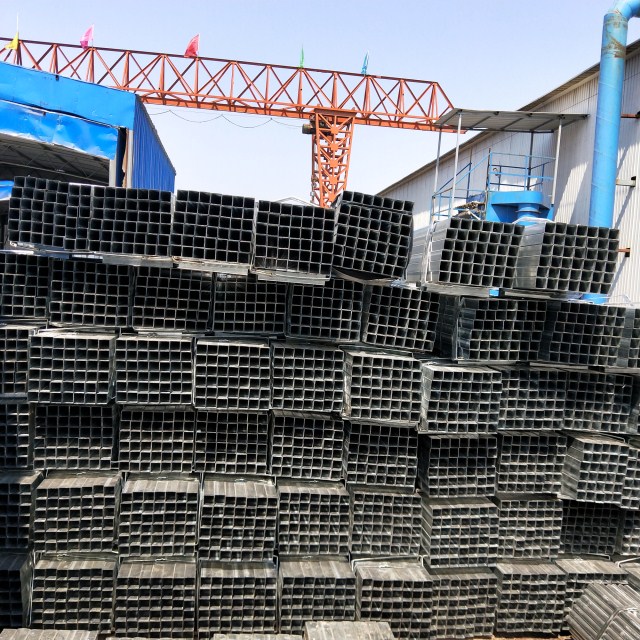
Minjie is a fully integrated manufacturer and exporter. Our diverse product catalog spans pre-galvanized steel pipes, hot-dip galvanized pipes, structural ERW steel pipes, square/rectangular tubes, scaffolding components, and heavy-duty steel profiles. Driven by continuous R&D, we hold three core structural patents: Groove Pipe, Shoulder Pipe, and Victaulic Pipe systems.
To support high-volume global distribution, our factory houses 4 pre-galvanized production lines, 8 high-frequency ERW steel pipe lines, and 3 state-of-the-art hot-dip galvanizing lines. All processes conform to rigorous international quality metrics, including GB, ASTM, DIN, and JIS standards. Minjie is also ISO9001 certified, ensuring strict quality control from raw material input to final product delivery.
Why China's integrated steel clusters remain the primary destination for procurement managers worldwide.
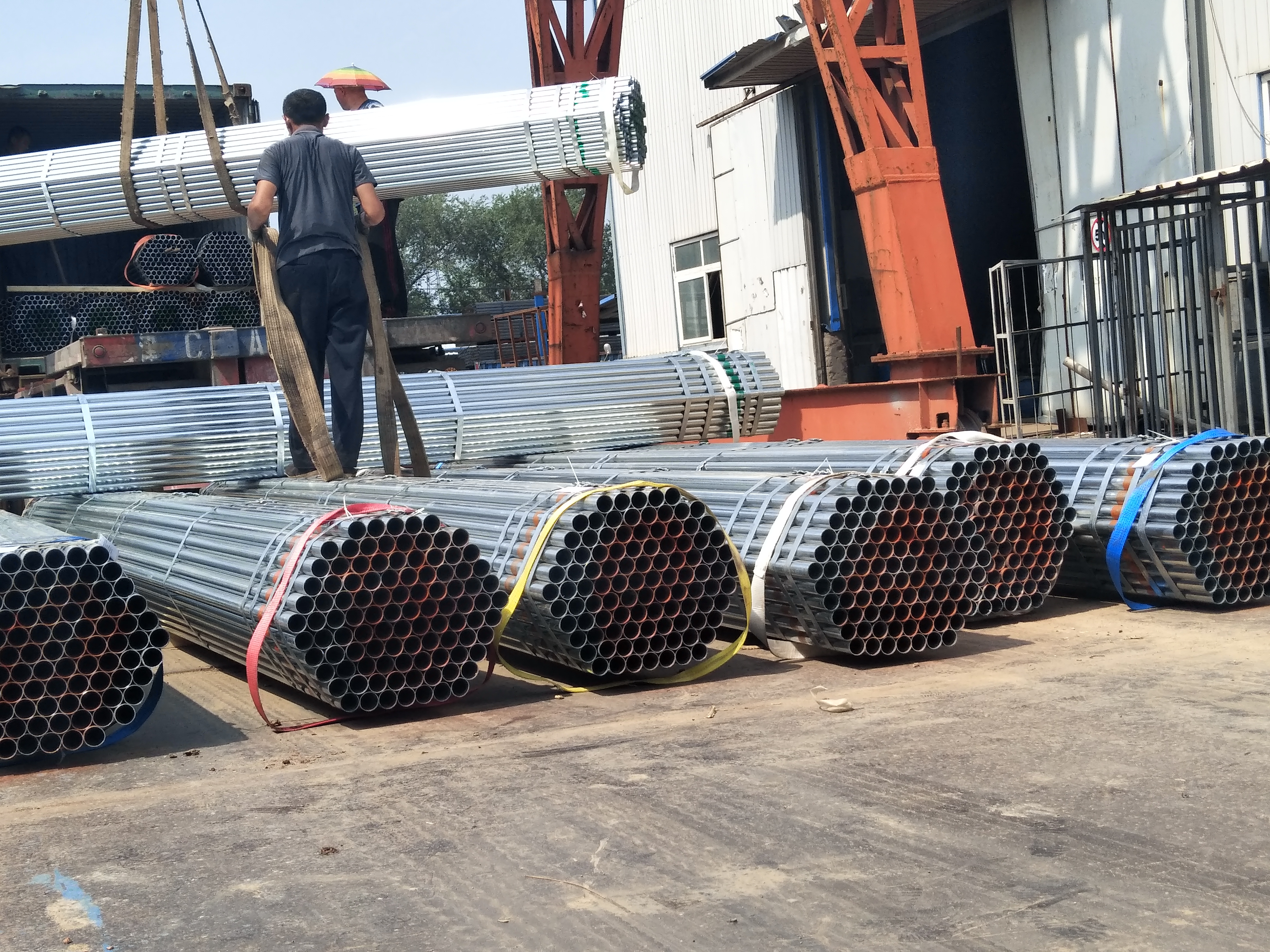
Minjie's location just 40 km from Tianjin XinGang Port significantly reduces inland transport times. This buffer protects global shipments against delays, ensuring cargo can be fast-tracked onto major container routes to the Americas, Europe, and Southeast Asia.
China is home to the world's most complete steel processing ecosystem. Tianjin Minjie secures high-grade hot-rolled coils directly from regional blast furnaces. This integration minimizes raw material price volatility, allowing us to offer highly competitive pricing compared to isolated manufacturers.
With an annual processing capacity of over 300,000 tons across 15 high-volume production lines, we easily accommodate custom sizing, unique protective coatings, and urgent order scaling for large-scale municipal or maritime projects.
A reference table outlining the dimensions, load profiles, steel grades, and standard deviations of our manufactured plates.
| Steel Grade & Code | Thickness Range (mm) | Width / Length Limits | Pattern Options | Anti-Corrosion Finish | Applicable Standards |
|---|---|---|---|---|---|
| Q235B / Q345B (Structural Carbon) | 1.2 mm - 12.0 mm | 1000mm - 1500mm / Cut-to-length | 1-Bar Diamond, 5-Bar Teardrop | Black Steel, Primer Painted | GB/T 3277, GB/T 700 |
| ASTM A36 / A572 (US Grade Equivalent) | 1.5 mm - 16.0 mm | 914mm - 1524mm / Coils available | Diamond pattern, Lenticular pattern | Hot-Dip Galvanized (Zinc > 400g/m²) | ASTM A786, ASTM A36 |
| S235JR / S355JR (European Standard) | 2.0 mm - 10.0 mm | 1000mm - 1250mm / Standard plates | Duobar, Quintet (5-bar) | Pre-Galvanized, Zinc-Alu Alloy | EN 10025, EN 10051 |
| SS304 / SS316 (Stainless Steel) | 1.0 mm - 8.0 mm | 1000mm - 1500mm / Continuous strip | Standard Diamond | Acid Pickled, Polished, Brushed | ASTM A240 / JIS G4304 |
Our hot-rolled checkered plate variations focus on slip resistance and high load capacity. Our patterns feature a clean embossment height ranging from 0.2 to 0.8 times the base metal plate thickness. This ensures excellent grip even in wet, oily, or icy conditions, without presenting a tripping hazard or causing heavy vehicle transport noise.
A summary of our cross-border client operations, engineering site visits, and industrial contracts across continents.
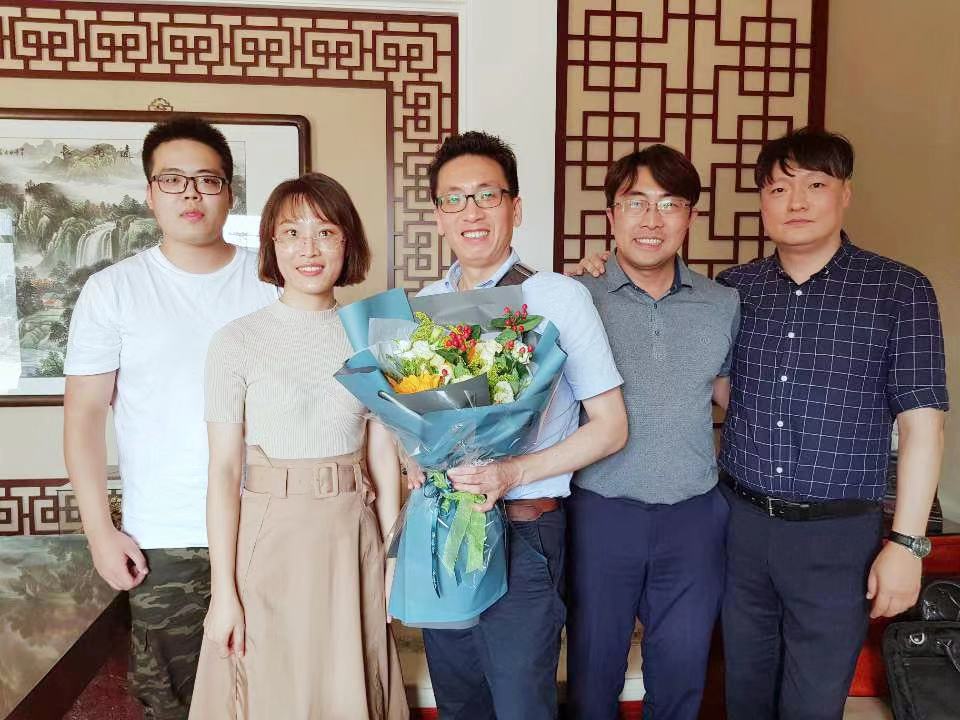
In September 2019, Minjie visited partners in Singapore to finalize customized structural components for marine decking and terminal warehouses. Engineered for Singapore's high-humidity environments, our hot-dip galvanized checkered plates provide exceptional anti-corrosion properties and long-term durability.
Our long-term Australian partners visited our production facility in November 2018. They confirmed our ability to manufacture thick-gauge checkered steel plates that can withstand heavy loads in mineral processing corridors, processing yards, and maintenance gantries.
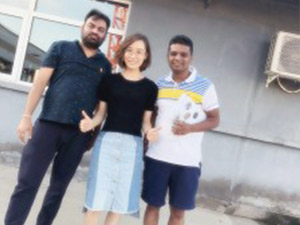
Since meeting at the Canton Fair in 2018, our Saudi Arabian clients have relied on Minjie for heavy structural projects. We supply checkered floor elements engineered to resist thermal expansion and corrosion in desert oil field refineries.
In 2019, Korean engineering teams visited Minjie to develop bespoke structural components. Our collaborative R&D efforts resulted in precision-engineered, slip-resistant baseplates tailored for manufacturing line automation equipment.
Following audit processes in 2019, our Indian customers established a long-term contract for monthly container shipments. We supply structural support steel, pre-galvanized pipes, and heavy checkered plates for urban development projects.
In June 2017, partners from Lebanon ordered 1,000 tons of structural steel components and structural panels immediately after visiting our factory. These materials were utilized in port storage warehouses and commercial mezzanine installations.
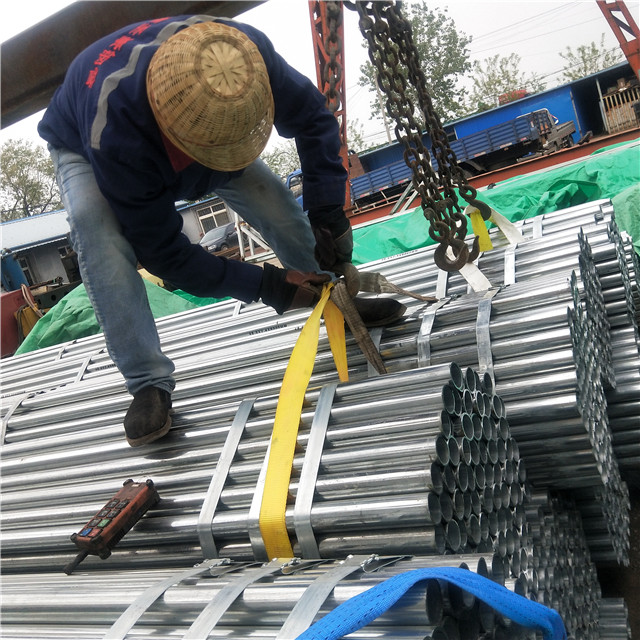
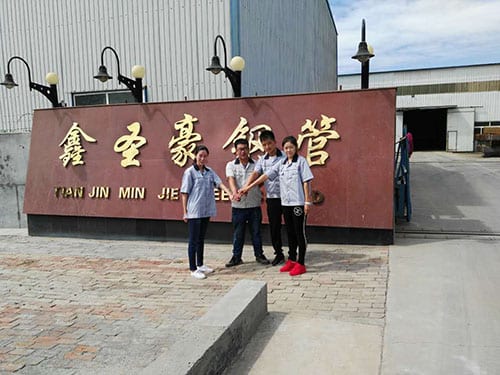
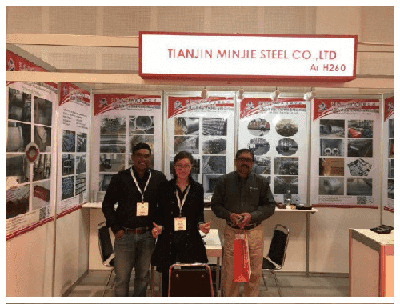
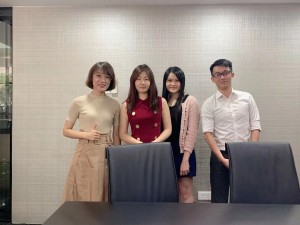
A gallery showcasing our industrial certifications, client visits, and active participation at the Canton Fair.
The industrial steel industry is transitioning to smart manufacturing and green, low-carbon production methods. At Tianjin Minjie, we are continually optimizing our processes to align with global environmental goals and meet the performance demands of tomorrow's infrastructure projects.
Our R&D efforts focus on integrating low-carbon alloy compositions that reduce carbon footprints without compromising structural integrity. By incorporating trace amounts of micro-alloying elements like niobium and vanadium, we enhance grain structure, allowing for thinner, lighter plates that maintain high tensile strength.
Additionally, we are upgrading our anti-corrosion finishes. Our new zinc-aluminum-magnesium coatings provide up to three times the corrosion resistance of standard hot-dip galvanizing, offering superior edge protection in harsh coastal and industrial environments. We are also implementing real-time surface scanning technology to monitor embossing quality, ensuring consistent slip resistance across every production run.
Our manufacturing and processing lines strictly comply with major international testing and performance registries.
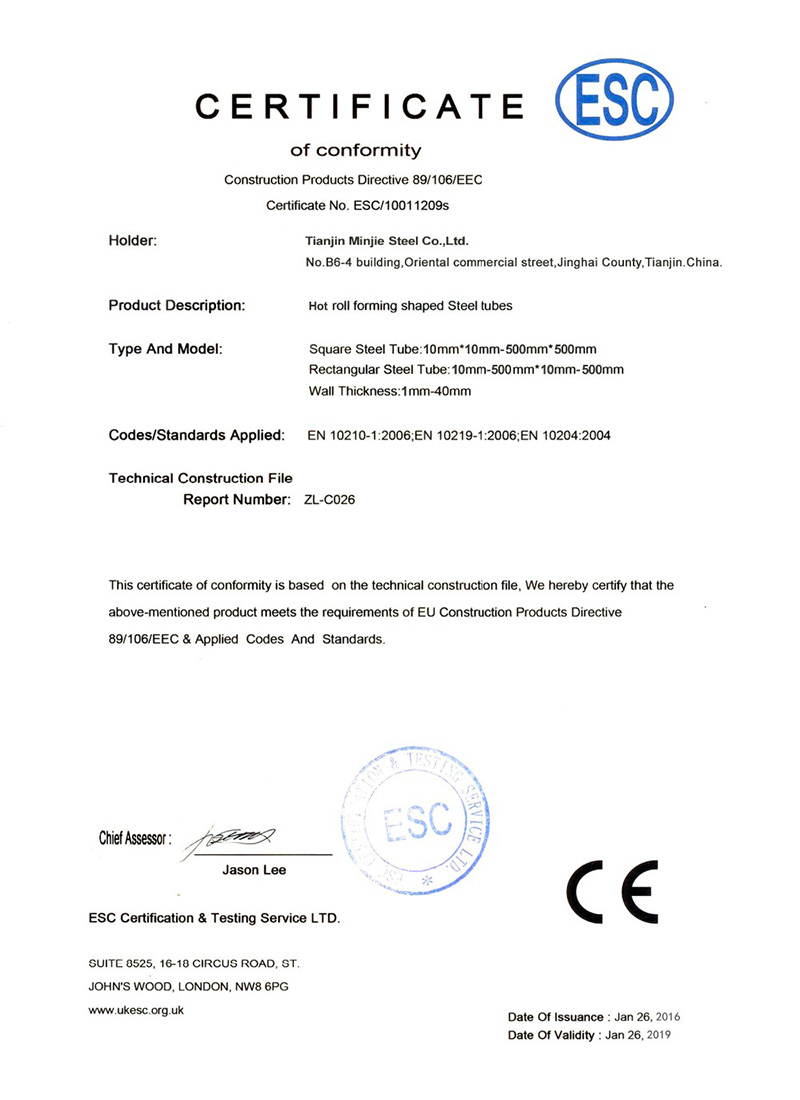
Quality Management System Certification
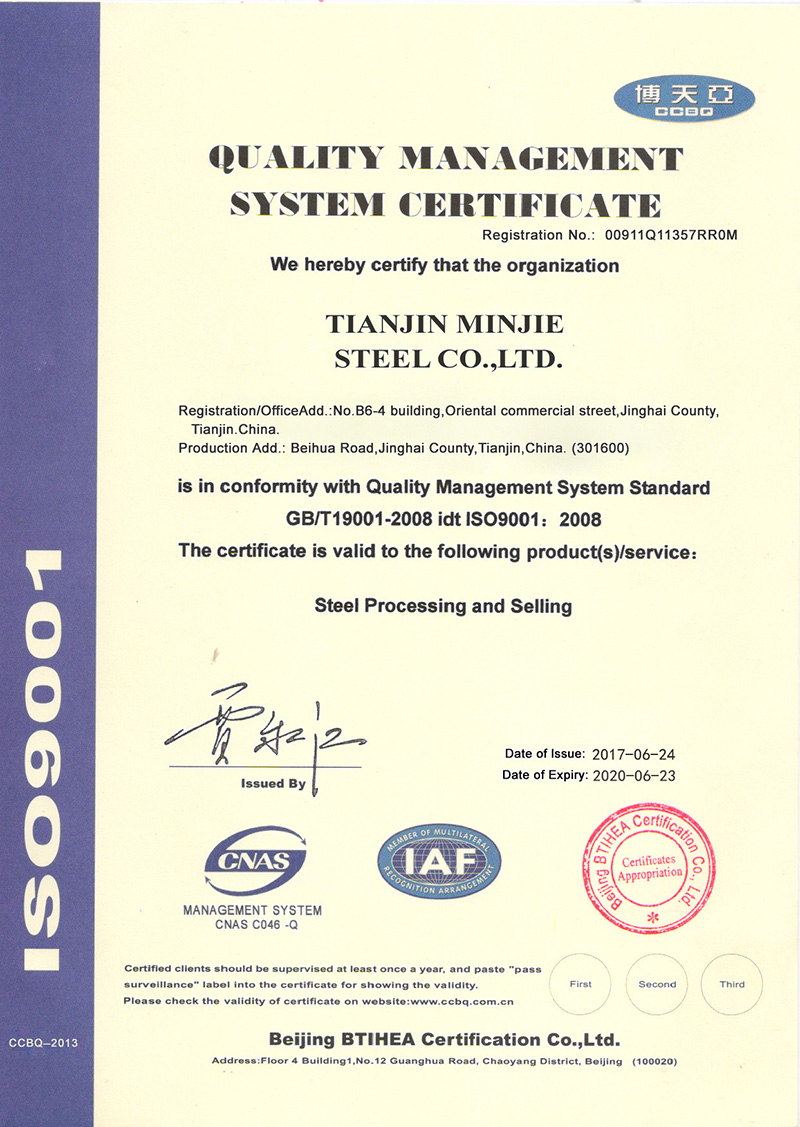
EN 10204 3.1 Certified Material Testing
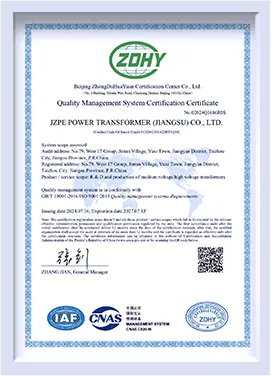
Independent third-party inspection audits
Expert answers to common engineering questions, logistics concerns, and specification queries from purchasing agents worldwide.
 Minjie Steel