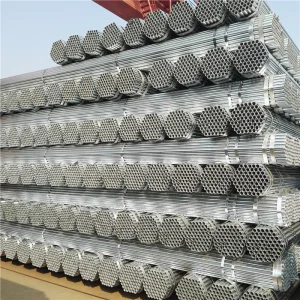
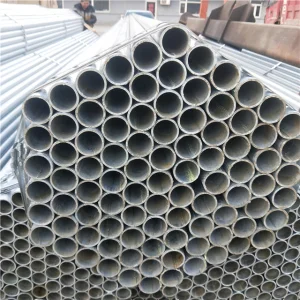
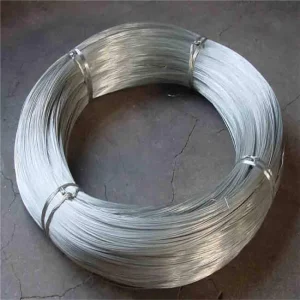
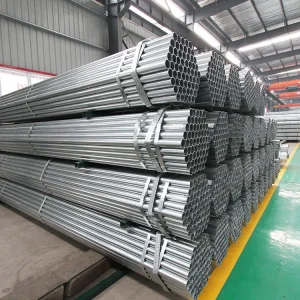
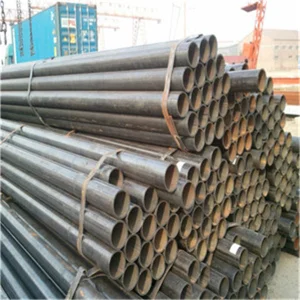
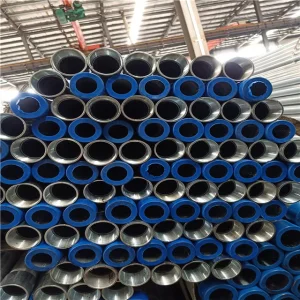
In modern structural engineering, corrosion represents one of the most persistent and costly threats to long-term structural viability. Urban development, infrastructure expansion, agricultural operations, and energy grids require strong, resilient metallic frameworks. Galvanized steel pipes—steel treated with a protective coating of zinc—serve as a key defense against oxidization and structural breakdown.
As the world's leading center for metallurgical processing, China produces high-grade galvanized steel that balances structural performance, cost efficiency, and standard compliance. For international procurement managers, engineering firms, and supply chain partners, selecting a certified China manufacturer involves assessing more than just bulk pricing. It requires evaluating the manufacturer's technological infrastructure, raw material compliance, galvanization processes, and quality assurance framework.
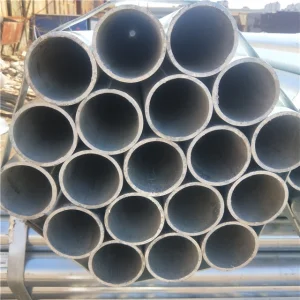
Zinc coatings provide dual protection by acting as a physical barrier and a sacrificial anode, shielding the underlying structural carbon steel from moisture and air.
High-strength grades such as Q235B and Q345 are welded and processed to handle high internal pressure, tensile loads, and external shear forces.
These systems perform reliably in municipal water networks, solar tracking frames, marine ports, agricultural greenhouses, and heavy industrial scaffolding.
Established in 1998, Tianjin Minjie Steel Co., Ltd has grown to become a prominent manufacturer and exporter of structural steel products. Our industrial facility spans more than 70,000 square meters and is strategically located just 40 kilometers from XinGang Port (Tianjin)—the largest maritime logistics gateway in Northern China. This close proximity ensures reliable supply chain routing, fast container loading, and efficient international shipping.
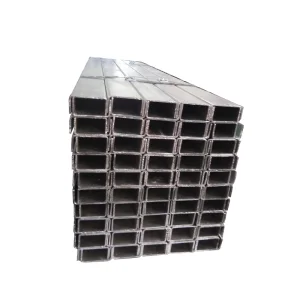
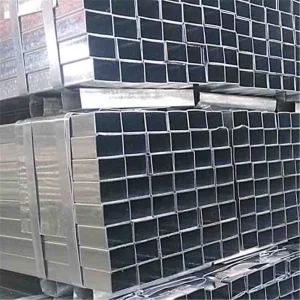
We specialize in manufacturing pre-galvanized steel pipes, hot-dip galvanized pipes, welded steel pipes, square & rectangular hollow sections, and scaffolding products. Guided by principles of innovation and engineering precision, we have developed three proprietary product patents: Groove Pipe, Shoulder Pipe, and Victaulic Pipe. These patented connections simplify assembly, improve joint integrity, and reduce labor requirements on-site.
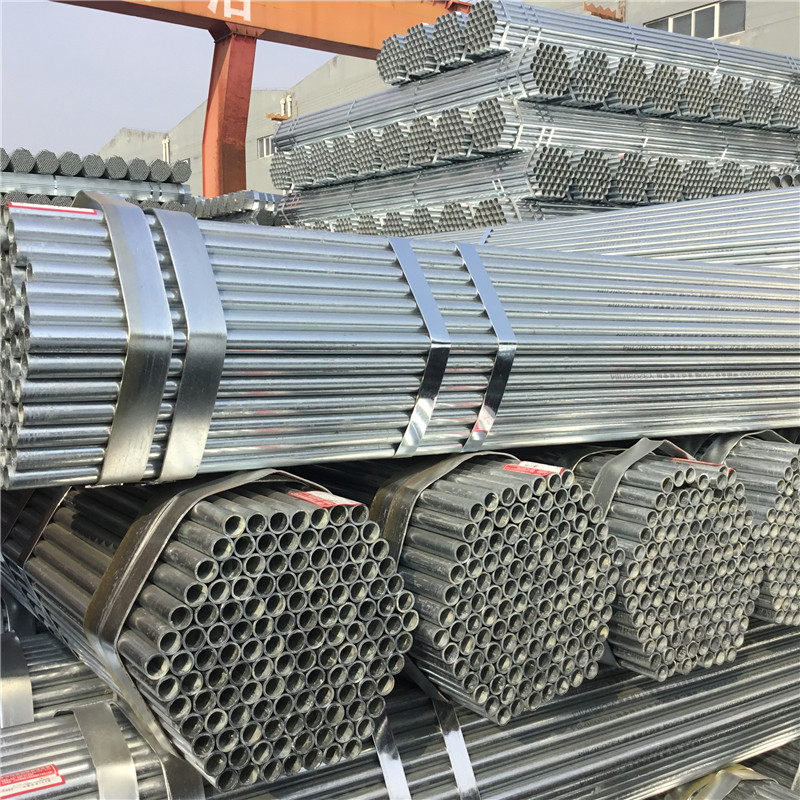
Tianjin Minjie Steel maintains 15 specialized production lines to ensure consistent processing across standard and customized dimensions. Our production setup includes:
| Line Type | Quantity | Technical Characteristics | Core Standard Applications |
|---|---|---|---|
| Pre-Galvanized Production Lines | 4 Lines | Continuous strip processing, consistent zinc layer, smooth finish. | Light structural tubing, furniture frames, electrical conduits, greenhouse posts. |
| ERW Steel Pipe Lines | 8 Lines | High-frequency induction welding, real-time seam checking, thermal weld annealing. | Fluid pipes, general structural columns, structural scaffolding pipes, pressure piping. |
| Hot-Dip Galvanized Processing Lines | 3 Lines | Batch hot dipping, thick zinc-iron alloy layer, enhanced atmospheric durability. | High-humidity zones, infrastructure conduits, water pipelines, solar mounts. |
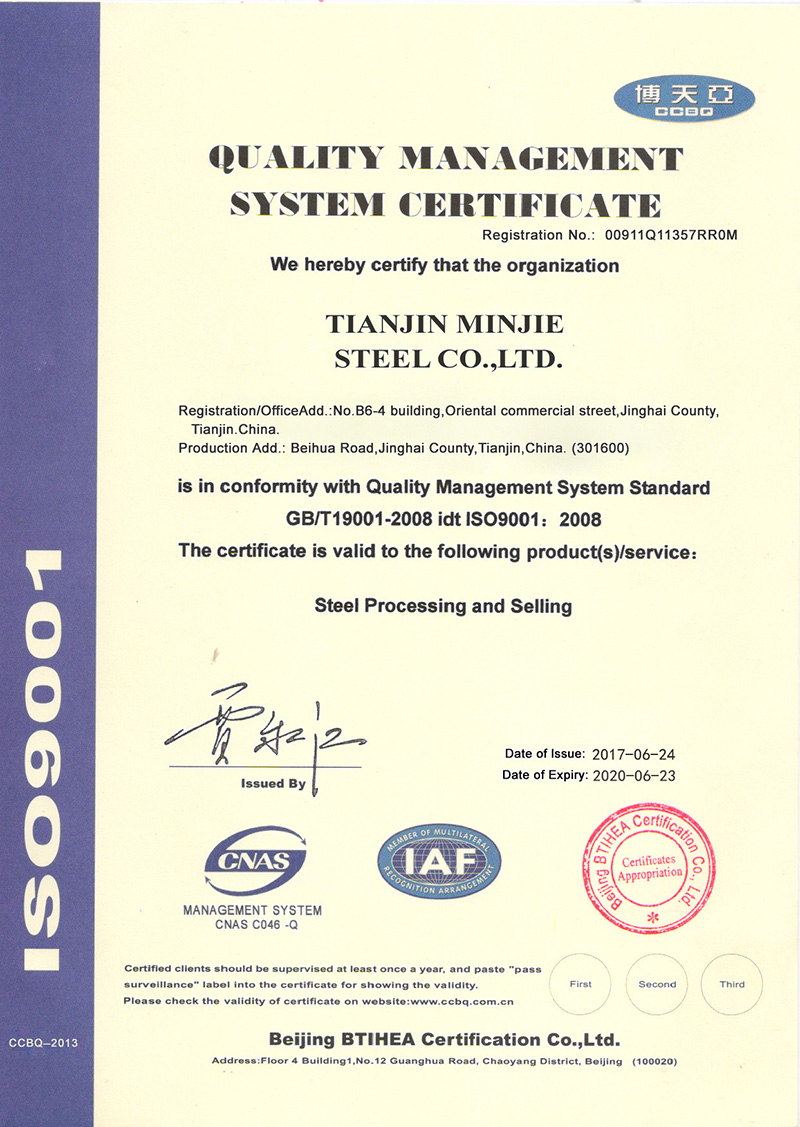
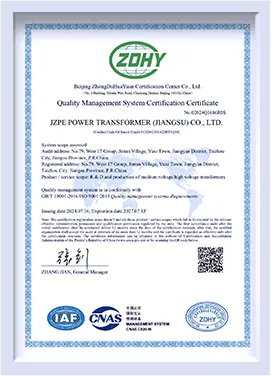
All manufacturing processes adhere to international standards, including GB, ASTM, DIN, and JIS, and are managed under an ISO 9001 certified quality management system. This structure ensures that raw materials—from carbon steel coils to molten zinc—are traceable from arrival to final shipment.
Selecting the right galvanizing process is critical for matching the steel to its operating environment. Understanding the differences between these methods helps ensure long-term durability and cost effectiveness.
In the hot-dip galvanization process, fully fabricated black steel pipes are immersed in a bath of molten zinc heated to approximately 450°C (842°F). During immersion, a metallurgical reaction occurs between the iron in the steel and the molten zinc, forming a series of zinc-iron alloy layers topped by a pure zinc outer layer.
This method is well-suited for high-exposure environments. The thick coating (typically ranging from 45 microns to over 85 microns, or 300 g/m² to 610 g/m²) provides sacrificial protection that shields the steel from harsh weathering, marine salt, and industrial pollutants.
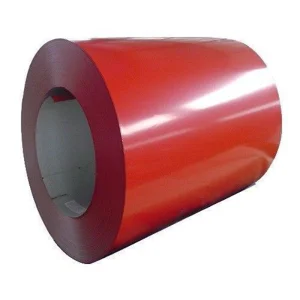
Pre-galvanized pipes are manufactured using flat carbon steel coils that have already been continuously zinc-coated. The galvanized coils are slit, roll-formed into circular or rectangular profiles, and welded using induction heating. The external weld seam is then treated with a zinc-spray metallizing process to restore the protective barrier.
This method offers a highly uniform finish and precise dimensional tolerances. While its zinc layer is thinner (typically 60 g/m² to 120 g/m²), it provides a cost-effective, smooth surface that is ideal for indoor use, light agricultural installations, and applications requiring painting or powder coating.
To support global procurement, industrial components must meet rigorous testing criteria. Our products comply with primary regional standards, helping simplify the import, engineering approval, and field installation processes.
ASTM A53 / A500: Covers seamless and welded black and hot-dipped galvanized steel pipe. Applies to pressure systems, structural framing, and general mechanical components.
BS 1387: Classifies steel tubes as Light, Medium, or Heavy, specifying threading and compatibility with standardized industrial BSP fittings.
EN 10219 / EN 10255: Specifies cold-formed welded structural hollow sections of non-alloy and fine-grain steels, outlining key tolerances and yield strength profiles.
JIS G3444 / G3452: Governs carbon steel tubes for general structural applications and piping systems, popular across East Asian and Oceanic projects.
Quality assurance at Tianjin Minjie extends beyond standard visual checks. Our laboratory conducts regular testing to verify physical and chemical properties:
Tianjin Minjie's products are used worldwide across various international markets. By offering direct technical support, clear logistics coordination, and reliable manufacturing quality, we build lasting partnerships with global buyers.
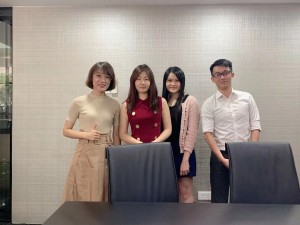
In September 2019, our team visited clients in Singapore to review ongoing project performance and discuss supply agreements, receiving positive feedback on our structural materials.
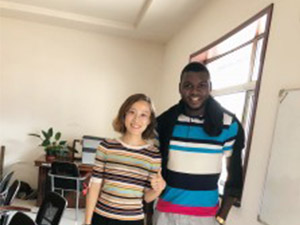
Long-term partners from Australia visited our Tianjin manufacturing facility in November 2018 to inspect our production lines and confirm quality control standards.
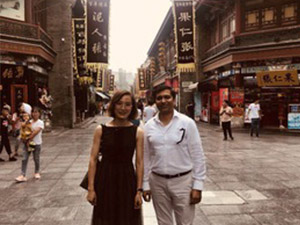
A commercial delegation from Lebanon toured our facility in June 2017. Following the inspection, they placed an order for 1,000 tons of structural steel pipes.
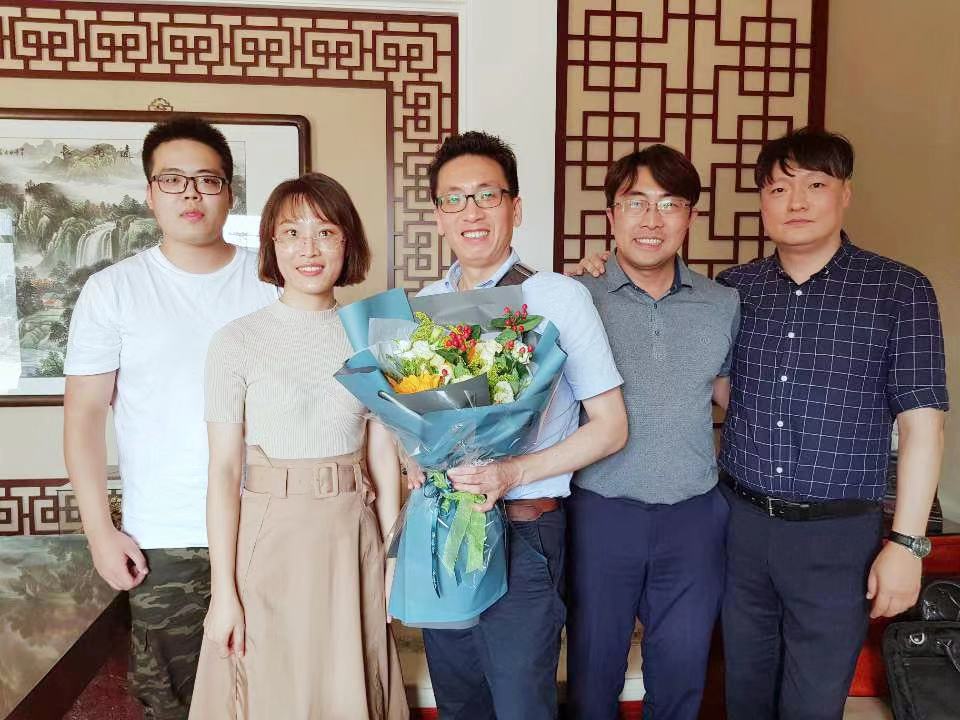
In 2019, Korean engineering partners visited our facility to coordinate custom fabrication designs, leading to a long-term supply agreement.
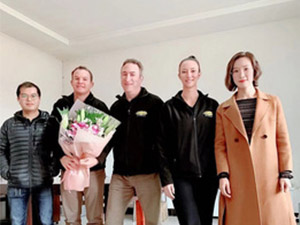
After evaluating several regional suppliers in 2019, an Indian procurement group chose us as their supply partner, signing a contract for 10 containers monthly.
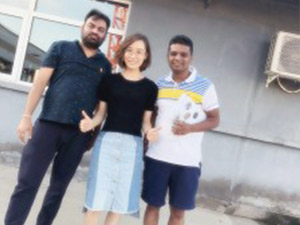
Following our initial meeting at the Canton Fair in 2018, partners from Saudi Arabia visited our plant, establishing a long-term contract for municipal structural piping.
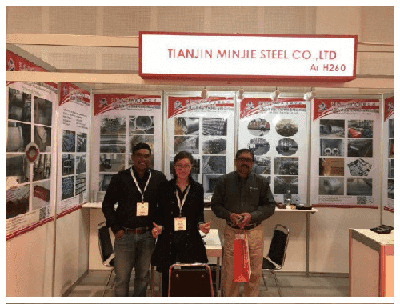
We participate in the annual Canton Fair, showcasing our latest steel products and connection systems. These events allow us to connect directly with global distributors. Over 80% of our new partners visit our Tianjin factory after the fair, helping build trust and clear communication from the start of each project.
Industrial steel demands differ based on the operating environment. Standard components often require customization to perform reliably in different settings.
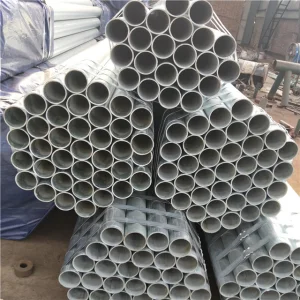
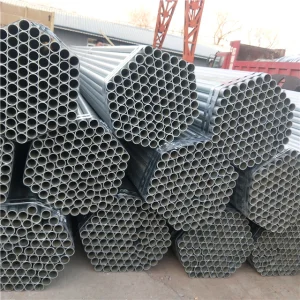
Greenhouse structures require reliable protection against high humidity, chemical fertilizer exposure, and moisture. Our pre-galvanized and hot-dip galvanized round tubes provide the necessary corrosion resistance, structural stability, and longevity to support high-yield farming.
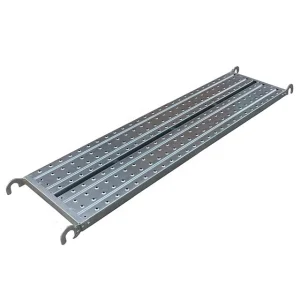
Safety in vertical construction depends on the load-bearing capacity of the scaffolding. We manufacture scaffolding pipes that meet BS 1139 and EN 39 standards, offering consistent wall thicknesses, high tensile strength, and protective coatings to withstand outdoor weather and rough handling.
Utility-scale solar farms are built to last 25 to 30 years in exposed environments. Our galvanized C-channel profiles, square steel tubes, and heavy structural tubes are hot-dip galvanized to survive desert, agricultural, and coastal environments.
For HVAC installations, fire protection piping, and low-pressure fluid transport, our patented groove, shoulder, and victaulic connections speed up assembly. This helps reduce on-site welding costs and project installation times.
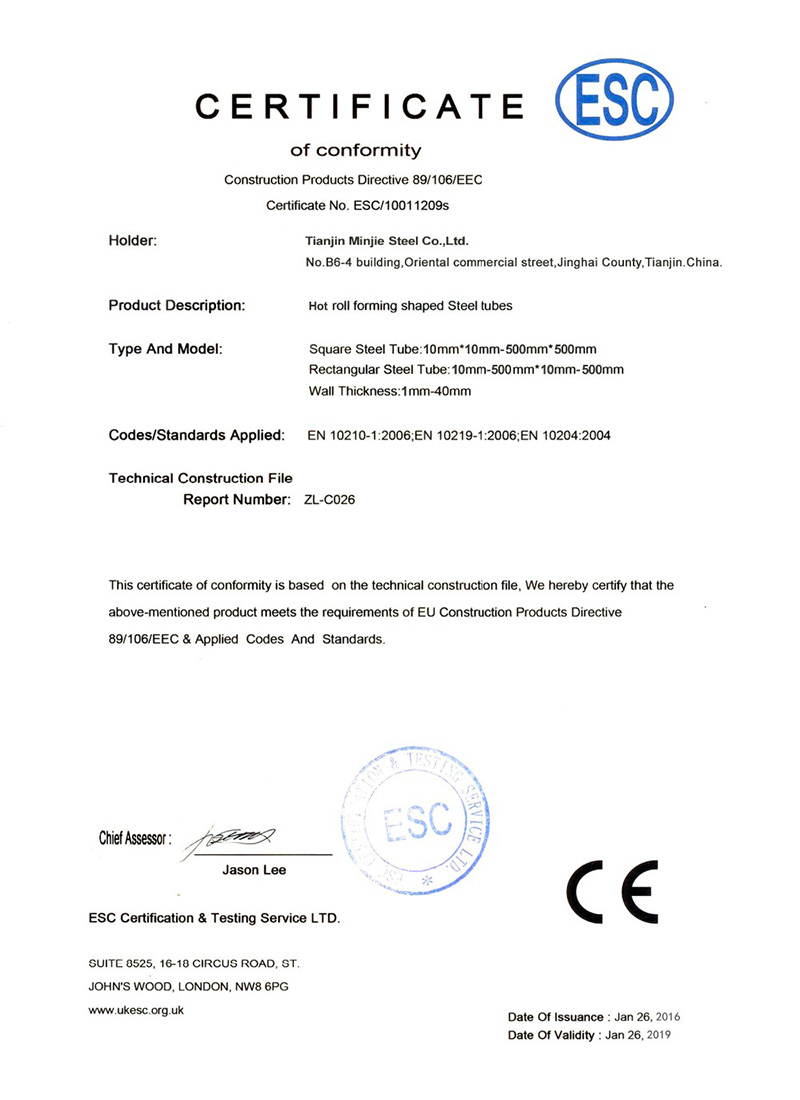
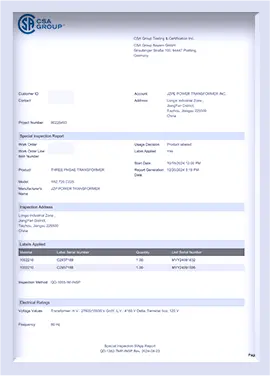
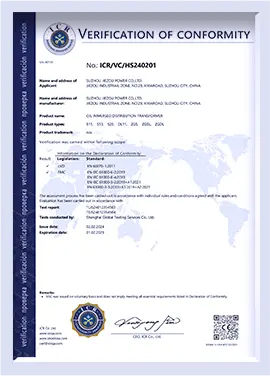
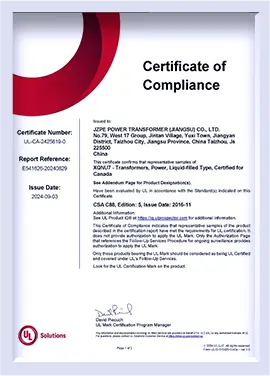
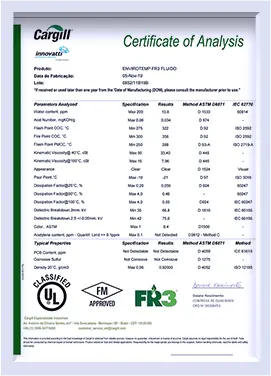
Our products undergo comprehensive certification audits to ensure compliance with global engineering and environmental requirements.
The steel industry is moving toward higher-strength structural materials and cleaner processing methods. Tianjin Minjie's technical roadmap focus on:
Developing zinc-aluminum-magnesium coatings that provide enhanced corrosion protection with thinner layers, helping reduce raw material usage while maintaining durability.
Using automated roll-forming and high-frequency induction welding to ensure consistent dimensional tolerances across all pipe segments.
Investing in heat recovery systems and enclosed galvanizing equipment to reduce energy consumption and environmental impact.
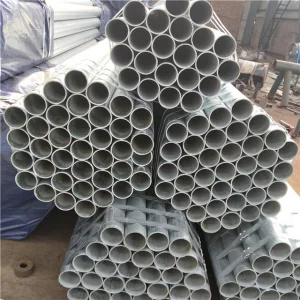
Answers to frequently asked engineering and procurement questions regarding galvanized pipe selection, processing, and application.
The primary difference lies in the processing method and the resulting coating thickness. Pre-galvanization uses continuous steel strips coated with zinc before roll-forming, producing a uniform, thin coating (typically 60-120 g/m²) suitable for indoor or mild outdoor use. Hot-dip galvanization involves dipping the completed pipe into molten zinc, forming thick metallurgical alloy layers (300-600 g/m²) that offer superior protection in harsh, open-air, or marine environments.
These systems replace the need for traditional threading or on-site welding. By using roll-grooved or shoulder-ended pipe joints with specialized coupling gaskets, installation is faster, safety risks on-site are reduced, and the pipeline can accommodate thermal expansion and vibration.
We primarily use low-carbon steel grades like Q235B and Q345B (complying with ASTM A53 Grade A/B, BS 1387, and EN 10219). These grades provide a balanced profile of yield strength and ductility, making them easy to weld and shape while maintaining reliable load-bearing capacity.
We verify the coating using electromagnetic induction thickness gauges to measure values across the pipe body. We also conduct weight-stripping tests (per ASTM standards) to calculate the precise mass of zinc deposited per square meter, ensuring consistency across production batches.
Our factory is located 40 kilometers from XinGang Port (Tianjin), which minimizes inland transport delays. Typical production lead times range from 20 to 30 days depending on the customization required. We offer container loading (20GP/40GP) and bulk vessel shipping to major international ports.
 Minjie Steel