Direct supply options supporting diverse infrastructure projects globally
Deciphering the metallurgy, characteristics, and application parameters of high-hardness abrasion-resistant steel
In modern industrial applications, material wear accounts for billions of dollars in yearly operational expenses and premature machinery failures. Hardox 500 Steel Plate is engineered to tackle severe abrasive environments. Hardox 500 is a bendable, weldable, and highly abrasion-resistant steel featuring a nominal hardness of 500 HBW. Ideal for applications demanding high wear resistance, it significantly extends the service life of wear parts, structural elements, and replacement components across various fields.
By upgrading from standard mild steel to Hardox 500, the payload capacity of structures increases while the structural weight is minimized. This offers up to 3 to 5 times longer service life under sliding abrasive wear conditions.
Despite its high hardness, Hardox 500 possesses remarkable clean steel properties. This permits tight bending radii, straightforward machining, and ease of welding without compromising the surrounding microstructure.
The hardening process is meticulously controlled to ensure that high hardness is not limited to the surface. It penetrates deep into the plate's core, offering superior resistance against impact deformation and crack propagation.
The excellent performance of Hardox 500 plates depends on exact alloy proportions. Below is the typical chemical profile and physical properties of the standard range:
| Alloy Element | Max Content (%) | Mechanical Property | Nominal Value |
|---|---|---|---|
| Carbon (C) | 0.30 | Brinell Hardness (HBW) | 470 - 530 |
| Silicon (Si) | 0.70 | Yield Strength (MPa) | ~1250 - 1300 |
| Manganese (Mn) | 1.60 | Tensile Strength (MPa) | ~1550 - 1700 |
| Chromium (Cr) | 1.50 | Elongation (A5, %) | ~7 - 8 |
| Nickel (Ni) | 1.50 | Impact Toughness (Charpy-V) | 30 J / -40 °C |
| Boron (B) | 0.004 | Carbon Equivalent (CET / CEV) | 0.43 / 0.62 |
Understanding the vital role of wear-resistant plates in global modernization projects
Across the globe, industrial environments are moving toward extreme operational density. Heavily demanding industries such as mining, recycling, cement production, quarrying, and material handling require robust steel solutions to withstand heavy impacts and frictional wear. China’s advanced steel mills and processing factories play a critical role in this supply chain, meeting the needs of global OEMs and engineering firms by providing high-quality equivalent and certified wear plates.
A premier manufacturer, exporter, and trusted industrial steel partner since 1998
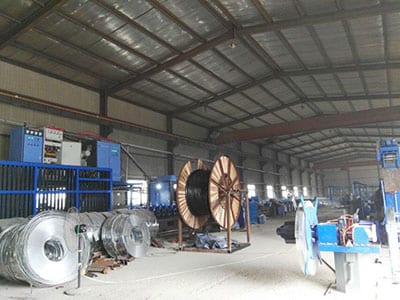
Established in 1998, Tianjin Minjie Steel Co., Ltd. has grown to become a leading manufacturer and exporter of structural steel and pipe products in northern China. Spanning an expansive facility of over 70,000 square meters, our factory is strategically located just 40 kilometers from XinGang Port, the largest port in Northern China, which facilitates efficient global logistics.
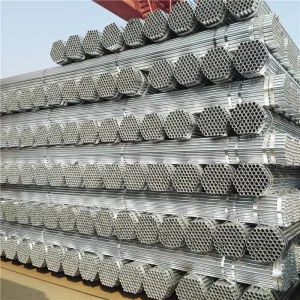
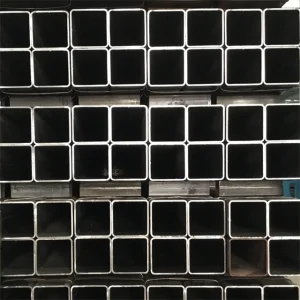
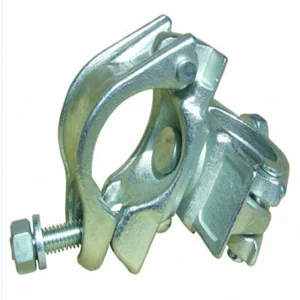
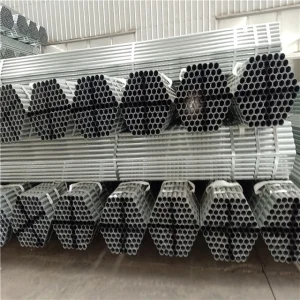
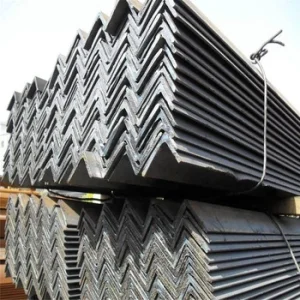
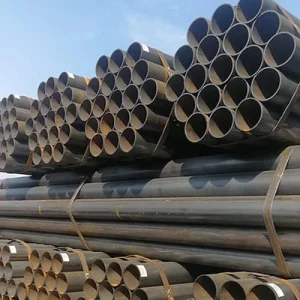
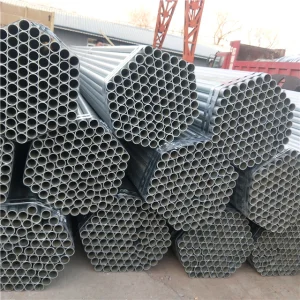
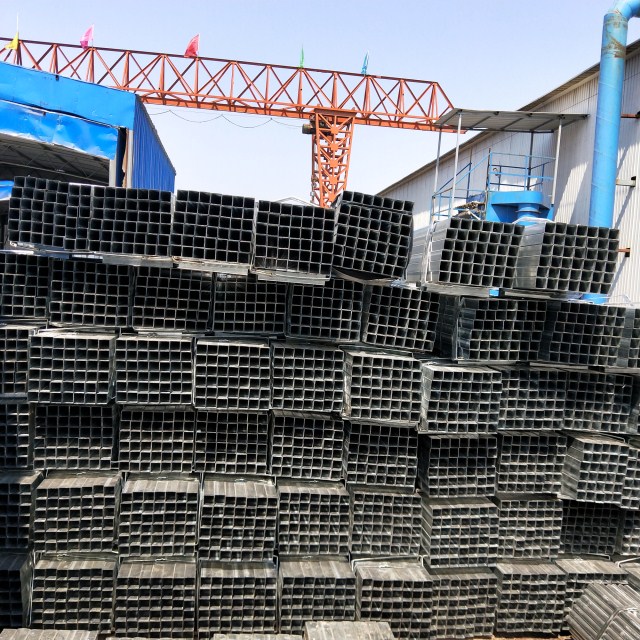
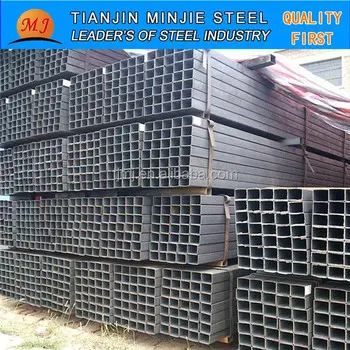
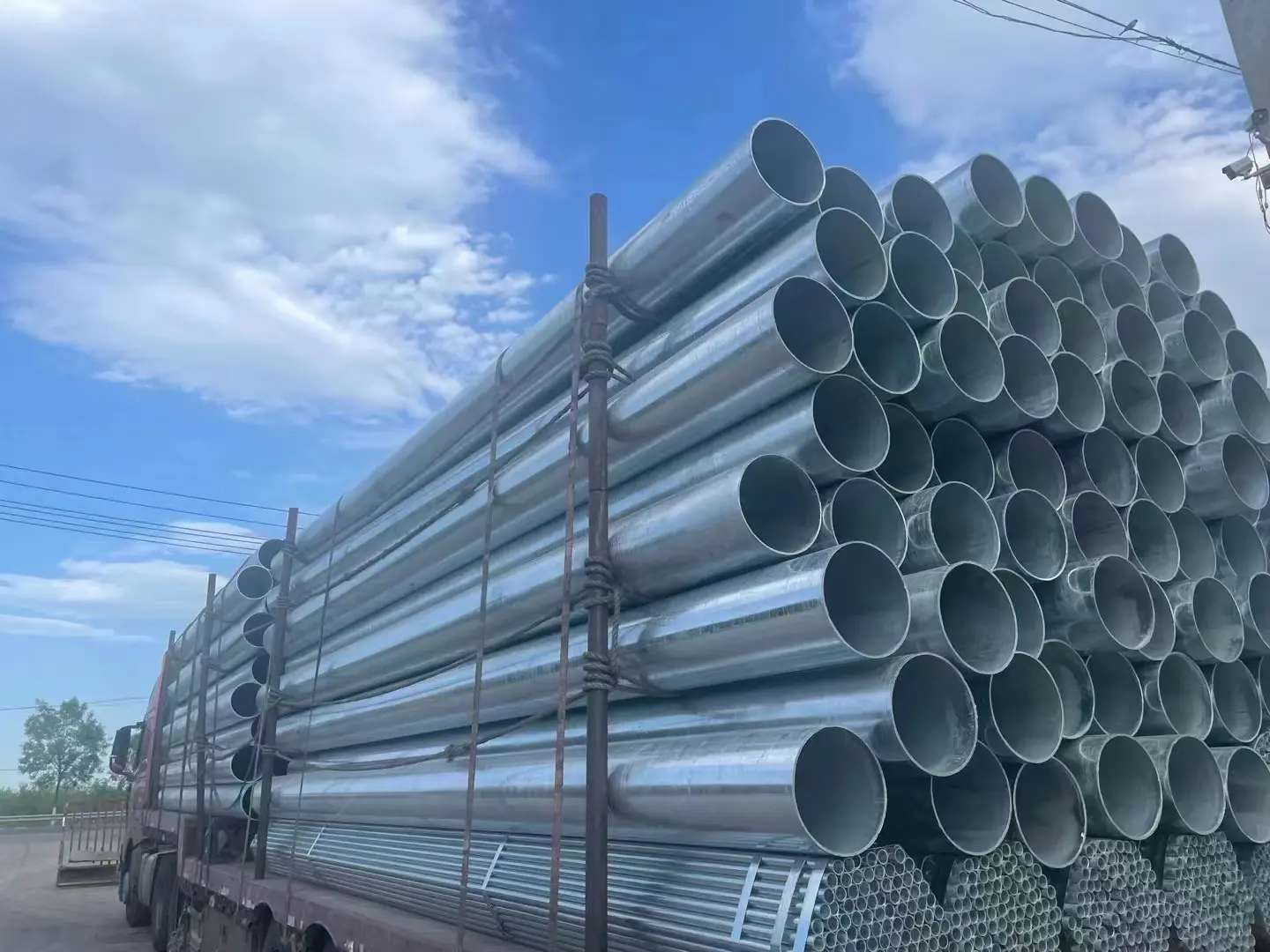
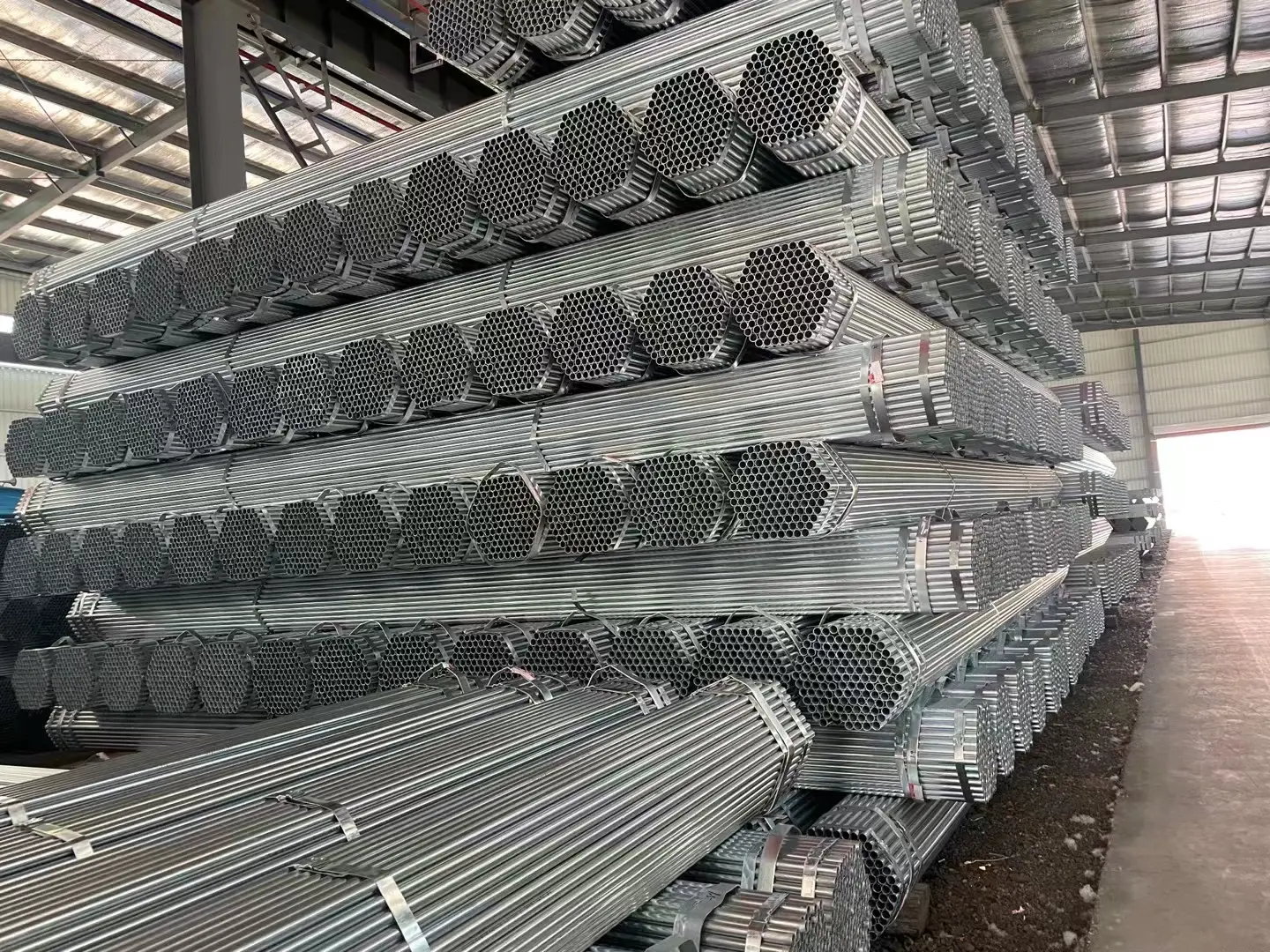
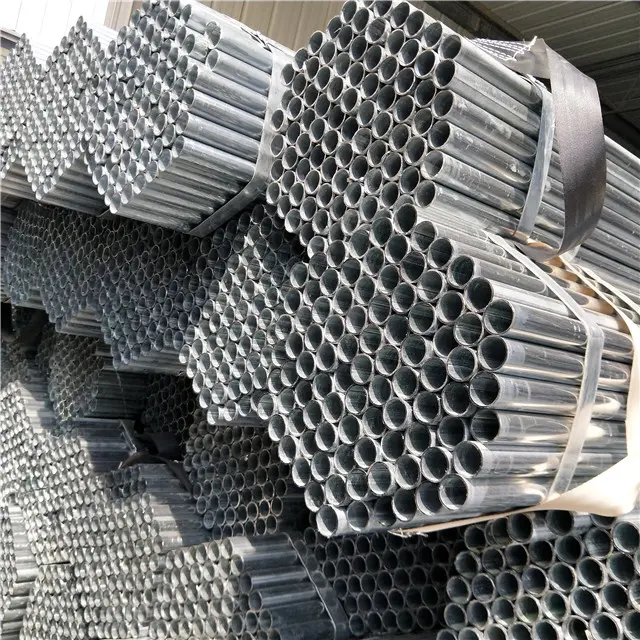
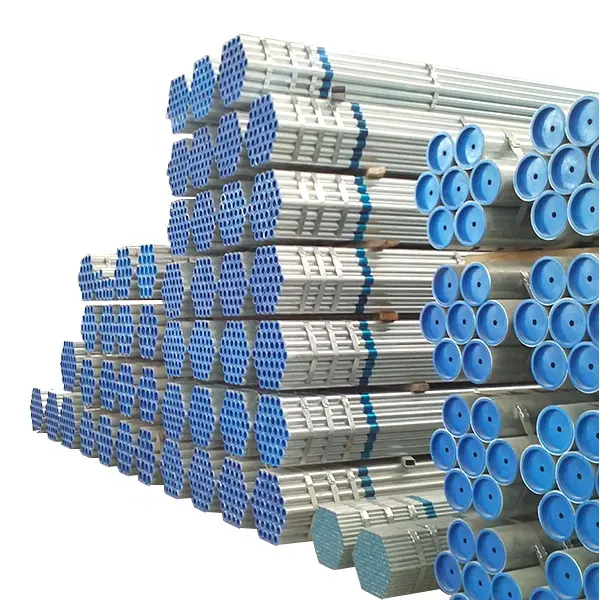
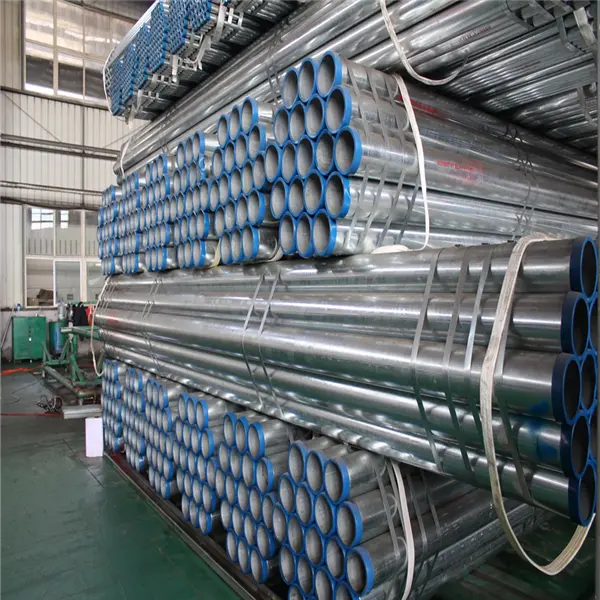
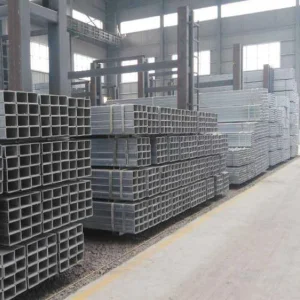
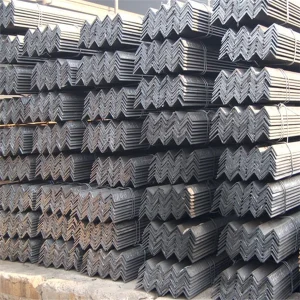
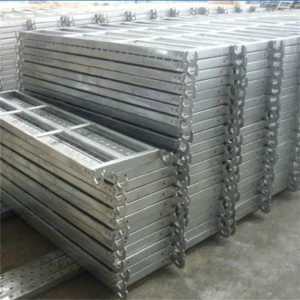
Our production capacity supports pre-galvanized steel pipes, hot-dip galvanized pipes, welded steel pipes, square/rectangular tubes, scaffolding products, and specialized profile steel components. We have developed and holds 3 patents for groove pipes, shoulder pipes, and victaulic pipes.
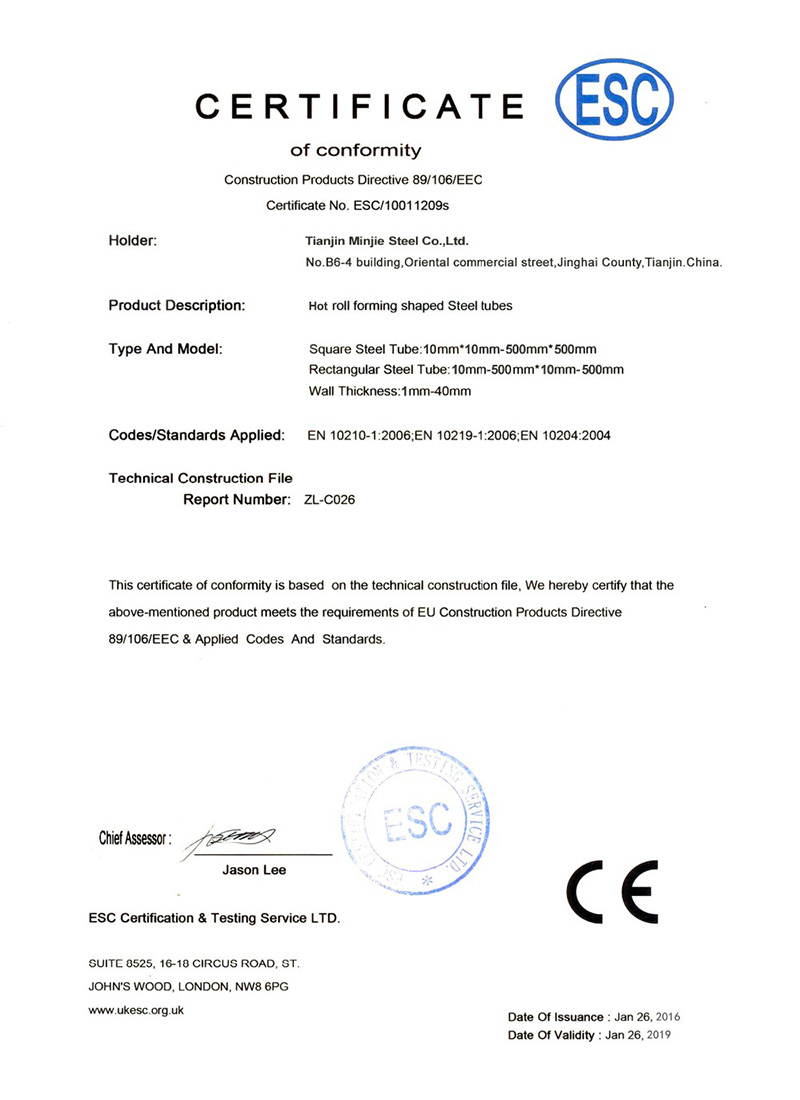
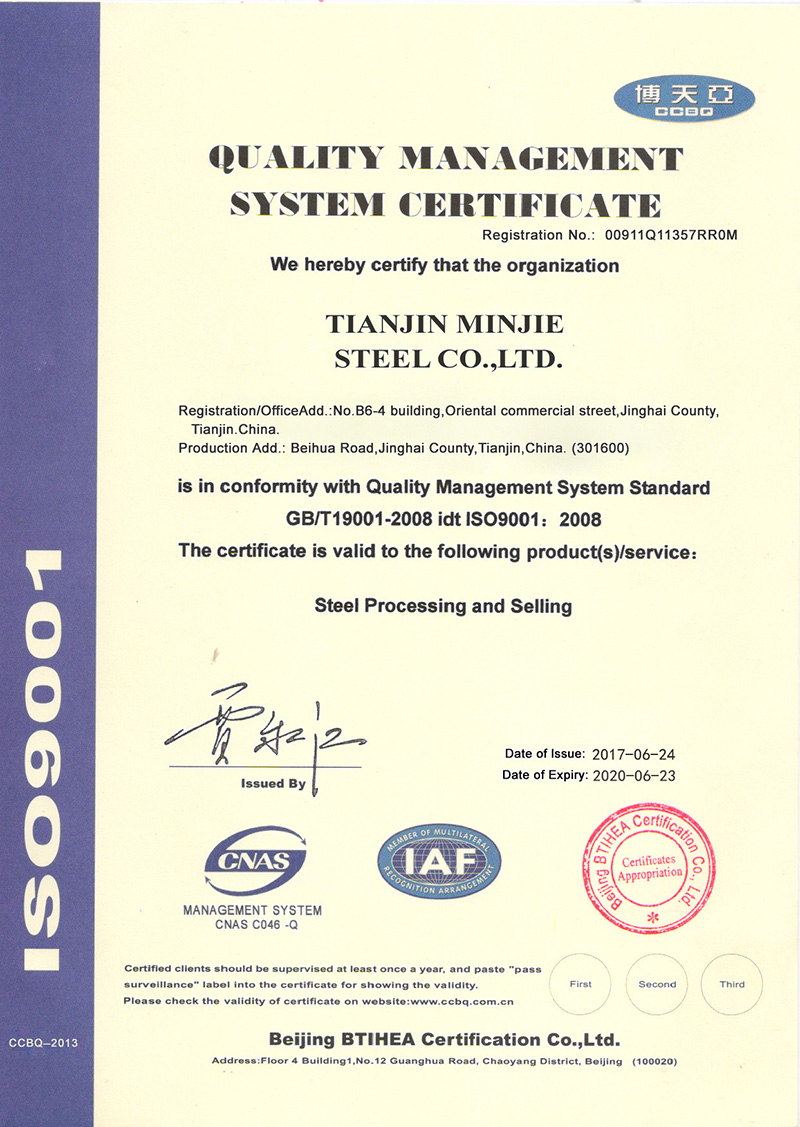
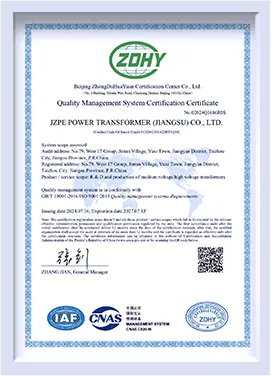
Our manufacturing complex houses 4 pre-galvanized lines, 8 ERW line systems, and 3 hot-dipped galvanized process lines. All procedures adhere strictly to international standards, including GB, ASTM, DIN, and JIS, and are certified under the ISO 9001 quality management framework.
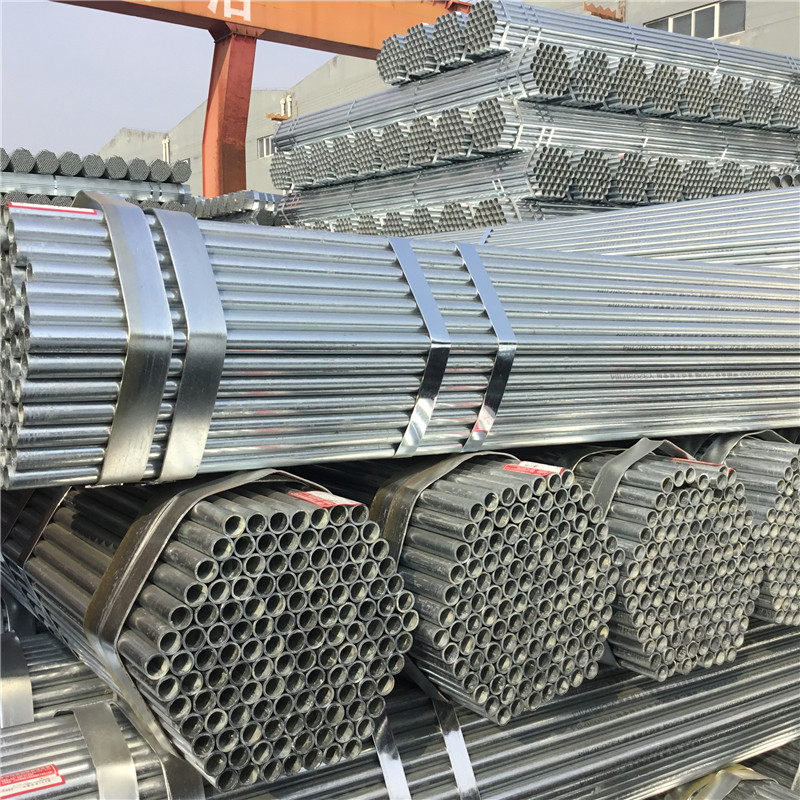
By combining high-end tube production lines with structural plate processing resources, we deliver integrated kits for heavy equipment manufacturing, including scaffolding, frame components, and abrasion-resistant structures.
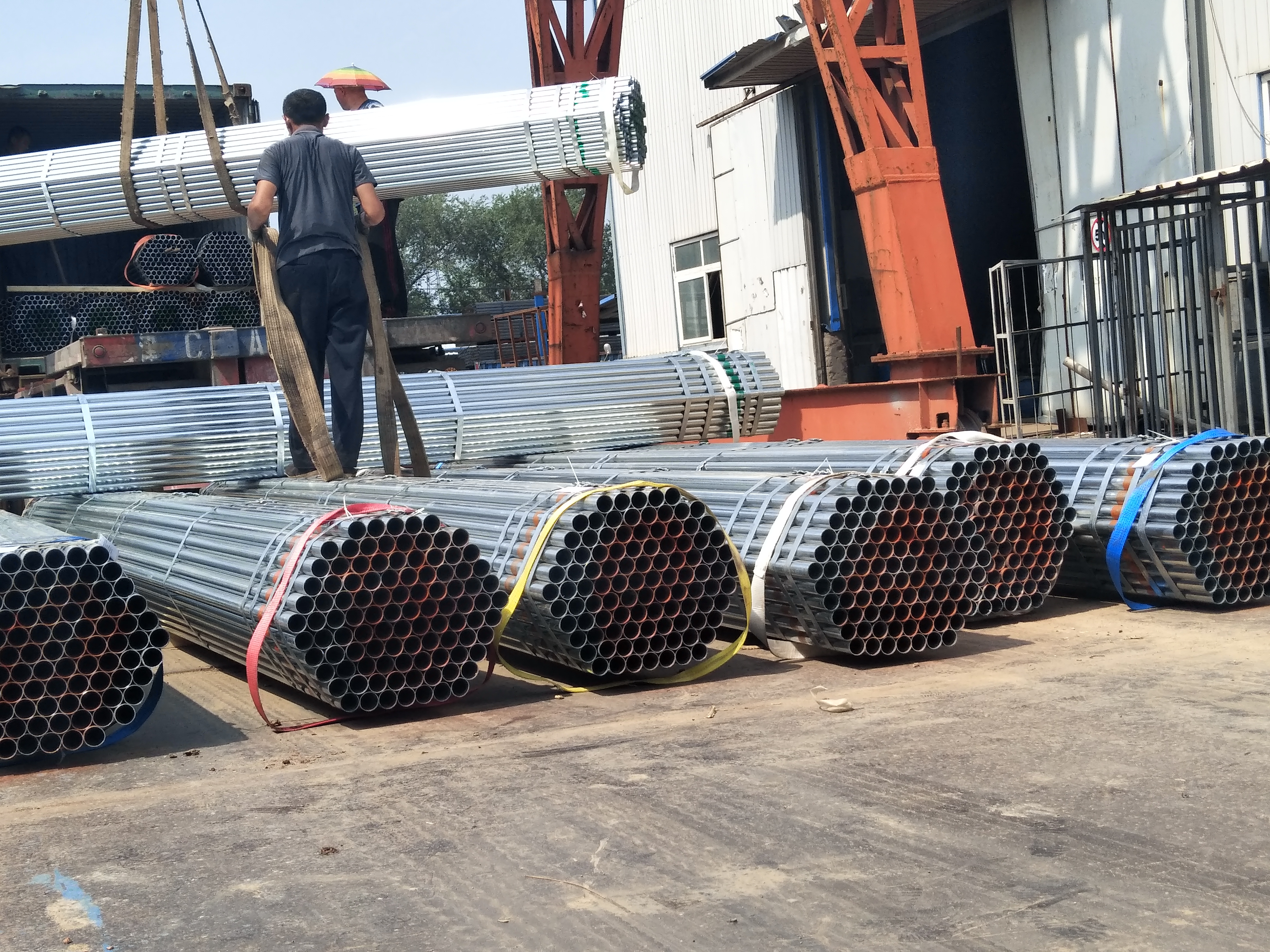
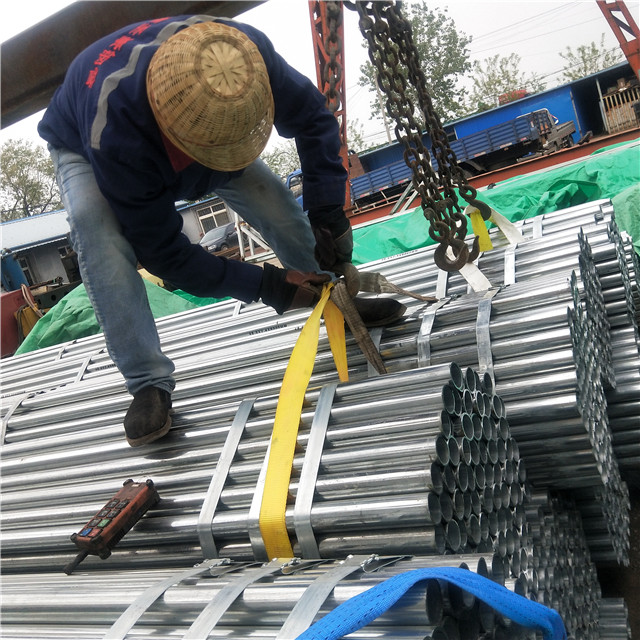
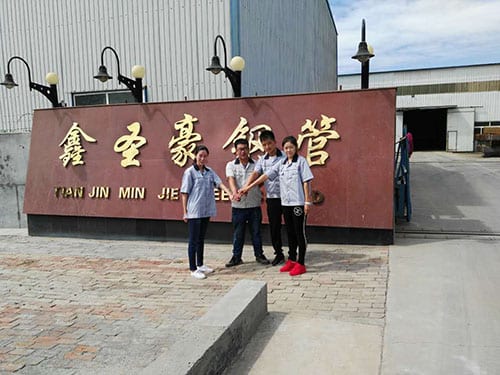
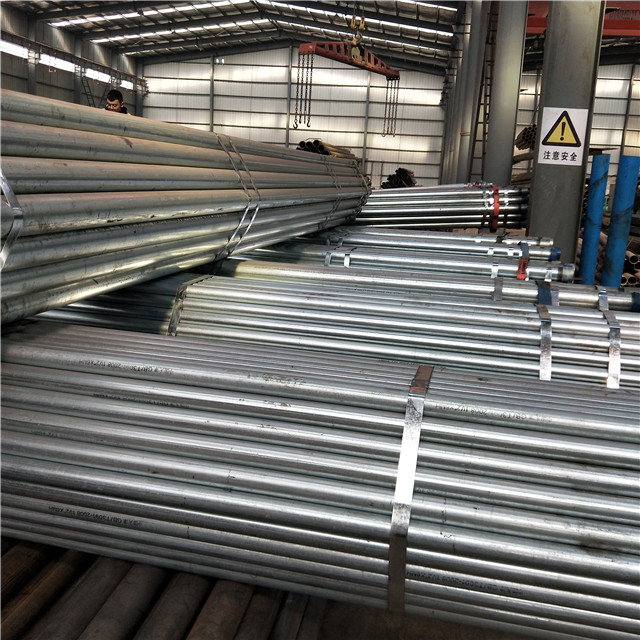
A reliable logistics pathway delivering to client sites across multiple continents
Tianjin Minjie Steel has built a robust global sales network supported by technical advisers and professional staff. Our exports reach global markets, ensuring compliance with local standards and delivery timelines.
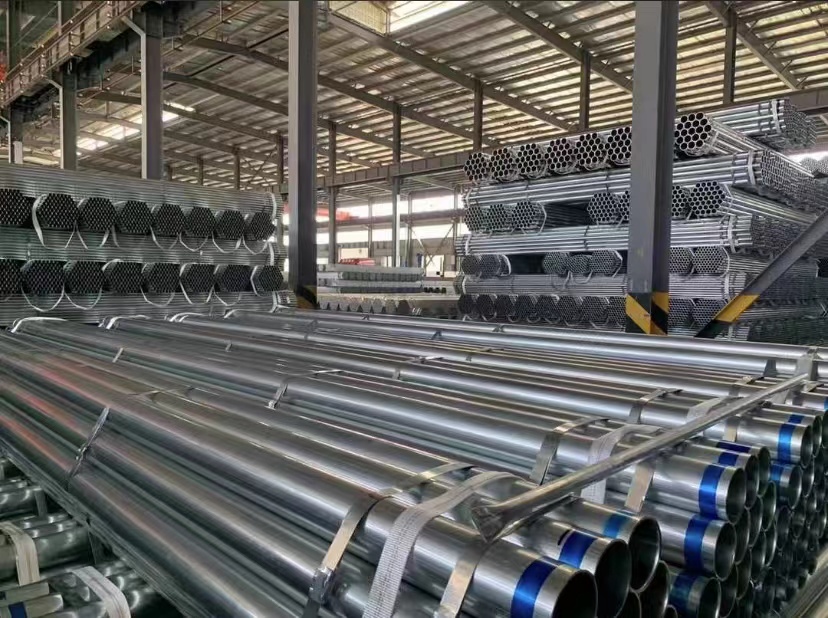
Our raw materials and fabrication solutions conform to major international engineering standards, including ASTM A53, EN 10219, BS 1387, and JIS-G3444, ensuring quality compliance across different regions.
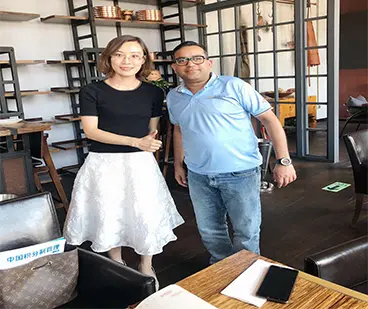
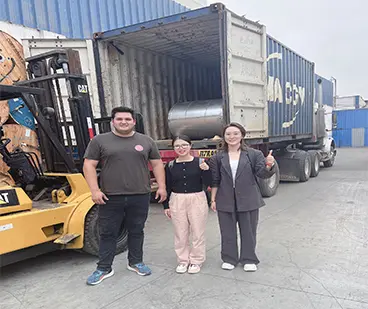
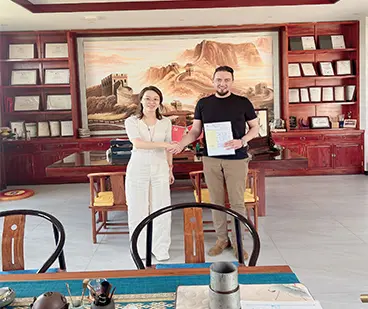
Building long-term relationships based on transparency and verified capabilities. Below are milestones from our customer collaborations:
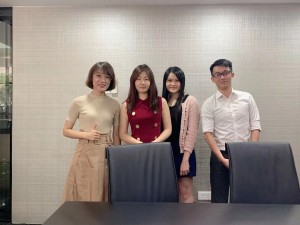
In September 2019, our team visited clients in Singapore to secure supply agreements for structural tube and plate components, establishing regular distribution channels in Southeast Asia.
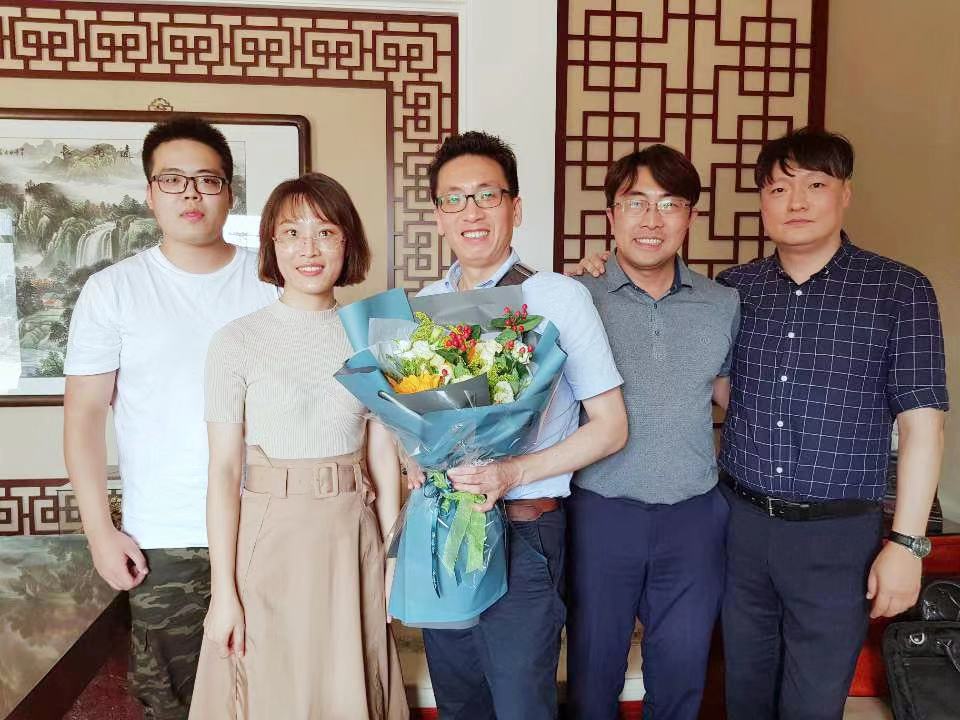
In 2019, a South Korean client visited our facility to review prototype designs for integrated equipment frames and wear plates, establishing a long-term supply agreement.
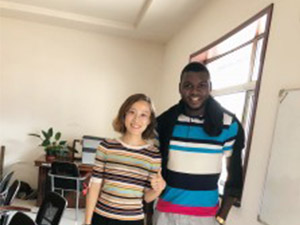
In November 2018, long-term Australian partners visited our facility to inspect our heavy welding lines, ensuring compliance with Australian mining equipment standards.
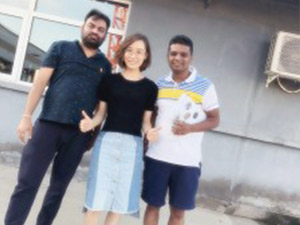
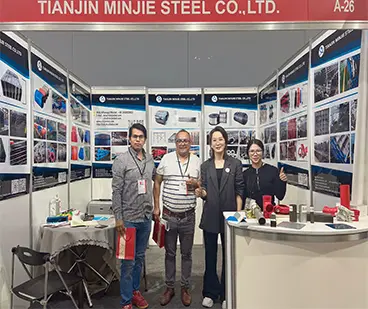
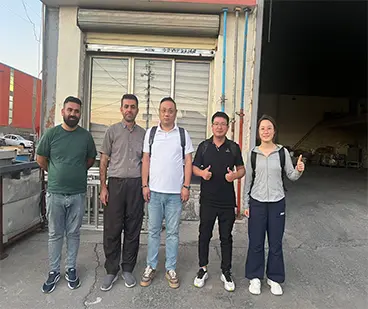
We host delegations from Saudi Arabia and Lebanon, including Canton Fair meet-ups, resulting in regular shipments of structural tubes and wear plates to the region.
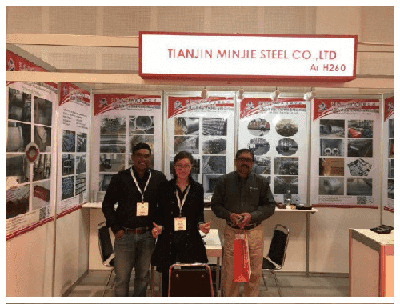
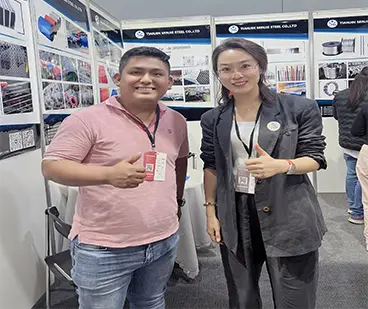
Participating in the Canton Fair annually allows us to meet global buyers, with over 80% of our new partners visiting our Tianjin facility to finalize orders.
Ensuring material integrity through correct welding, cutting, and forming procedures
Processing high-hardness plates like Hardox 500 requires specialized techniques to maintain structural properties. Incorrect welding, thermal cutting, or cold forming can cause microstructural softening or cracking. Our technical advisers recommend the following processing standards:
Hardox 500 can be welded to standard structural steel using any conventional arc welding method. Due to the high carbon equivalent, we recommend using low-hydrogen consumables (such as AWS E7018 or ER70S-6) to minimize hydrogen cracking risks in the Heat-Affected Zone (HAZ). Preheating is recommended for plate thicknesses exceeding 20mm, keeping interpass temperatures below 220°C to prevent tempering and softening of the steel.
Laser and plasma cutting are the preferred methods for profiling Hardox 500 plates. For plates thicker than 30mm, oxy-fuel cutting is suitable, provided the material is preheated to 100°C–150°C. Maintaining appropriate cutting speeds helps prevent micro-cracking along cut edges.
Hardox 500 is suitable for cold forming, though it requires higher bending forces and has greater springback than mild steel. To avoid cracking, use a minimum die width of 10 to 12 times the plate thickness, and round off the edges of the blank before bending.
Real-world projects demonstrating our structural and heavy-duty steel solutions

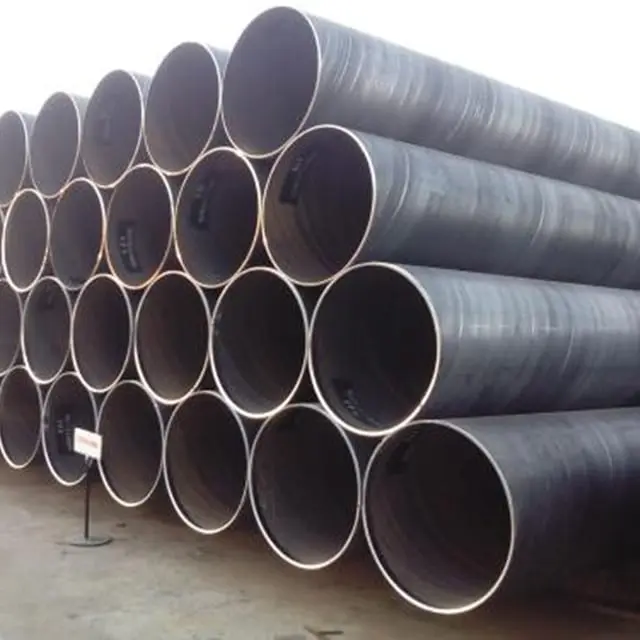
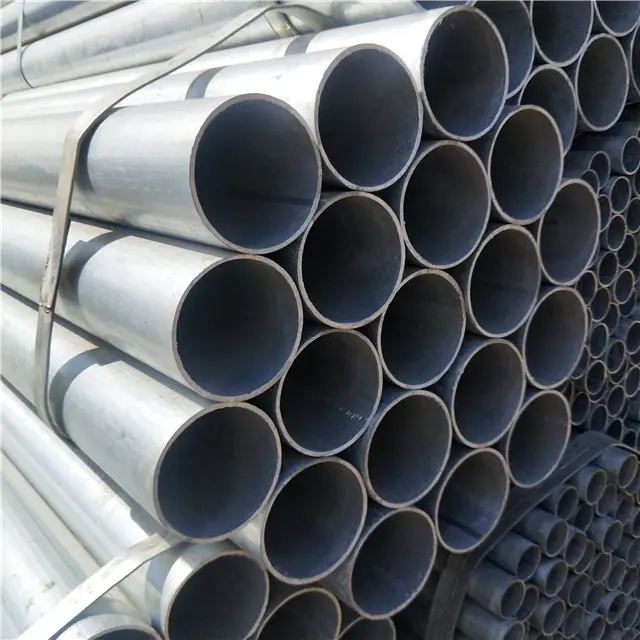
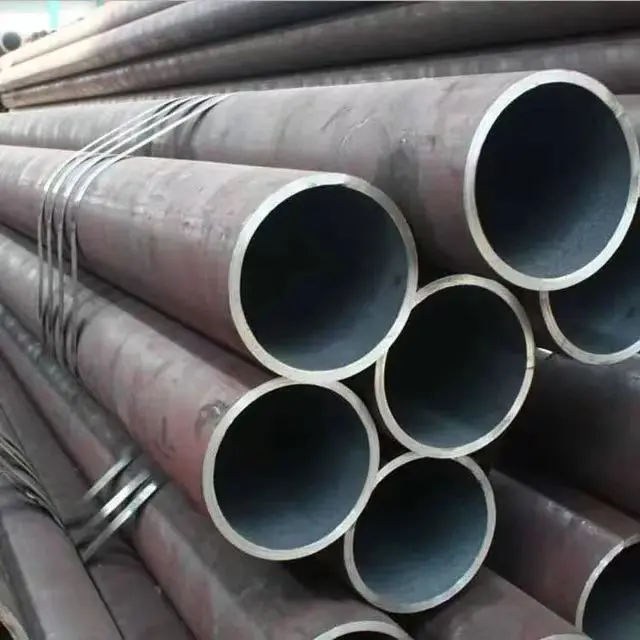
Navigating carbon neutrality, advanced alloying, and smart manufacturing initiatives
The wear-resistant steel industry is evolving toward sustainability, increased structural performance, and smart tracing systems. As global climate goals mandate carbon footprint reduction, heavy machinery manufacturers are focusing on lifecycle extensions and weight reductions. The industry is currently moving along three main development paths:
Addressing common technical and procurement questions from buyers
High-grade structural items manufactured to meet major international standards
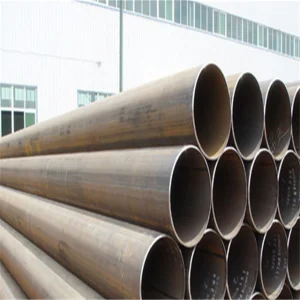
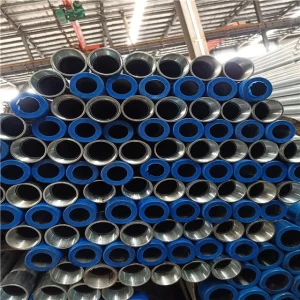
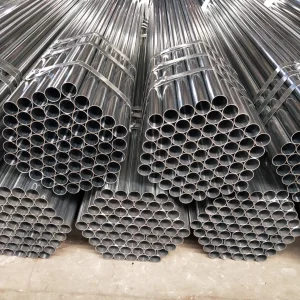
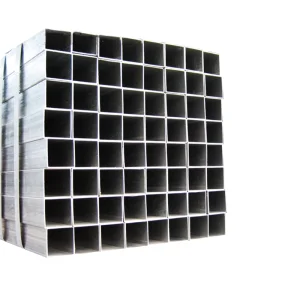
 Minjie Steel