Direct supply from Tianjin Minjie Steel - High-precision manufactured components for global distribution
A Technical Whitepaper on Structural Load Capacities, Metallurgy, and Construction Logistics
Puntales Metálicos (commonly referred to globally as telescopic steel props, Acrow props, or shoring jacks) represent the structural backbone of temporary support systems within global construction projects. Designed as adjustable structural columns, these steel props bear heavy compressive loads during concrete formwork pouring, structural alterations, and overhead slab casting.
By shifting from traditional wooden scaffolding to high-tensile adjustable steel columns, engineering teams achieve significantly higher safety indexes, rapid assembly speeds, and long-term cost benefits due to the infinite reusability of metal systems. When sourcing from premium Chinese factories, understanding the balance of material grade, structural design, and anti-corrosive treatments becomes crucial for international compliance.
The structural capacity of an adjustable metal prop is not static; it is governed by its slenderness ratio. As the telescopic inner tube is extended out of the outer sleeve, the critical buckling limit decreases exponentially according to Euler’s buckling theory. Premium manufacturers ensure wall thicknesses between 1.5mm to 4.0mm to mitigate these structural risks.
A premium-grade steel prop consists of several critical interlocking parts. Each element must be carefully calibrated to avoid structural failures on construction sites:
Constructed using carbon structural steel grades (such as Q235B or Q345B, corresponding to international classifications S235JR and S355JR). The outer pipe typically measures 60.3mm or 56mm in diameter, while the inner sleeve sits at 48.3mm or 40mm, facilitating clean telescoping adjustments.
The adjustment collar houses the threaded portion of the outer tube. Utilizing ductile cast iron or heavy-duty forged steel, the collar handles severe torque and vertical loading pressures during adjustment operations under loaded conditions.
Forged locking pins (minimum 12mm to 16mm diameter) secure the height configuration via laser-cut pin holes. Heavy square plates (typically 120x120mm with thickness upwards of 5mm) distribute loads to the ground or timber runners.
Established in 1998 — China's Premier Heavy-Scale Structural Steel Manufacturer
Founded in 1998, Tianjin Minjie Steel Co., Ltd. has grown to become an international benchmark in steel tube fabrication and construction scaffolding components. Spanning an expansive production footprint of over 70,000 square meters, our facilities are strategically located just 40 kilometers from XinGang Port (Tianjin), the largest maritime trade gateway in northern China. This location translates to optimal transit times and reduced inland logistical overheads for global bulk shipments.
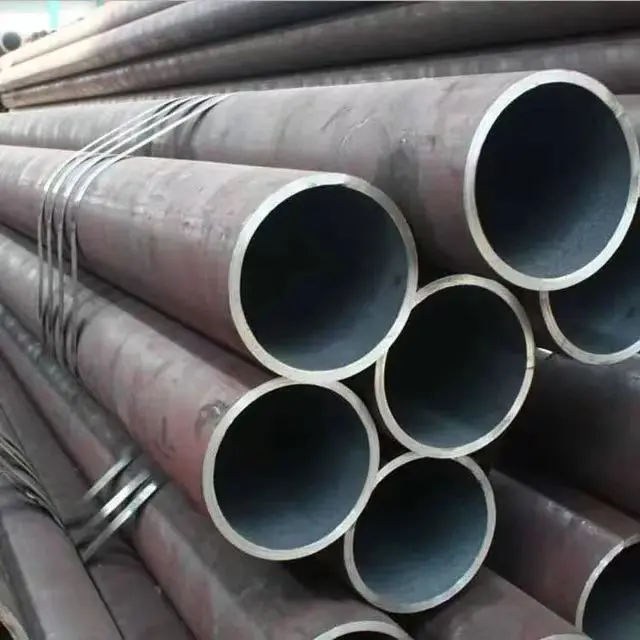
Our core production lines output a wide spectrum of construction-grade materials, with special focus on pre-galvanized steel pipes, hot-dip galvanized pipes, welded steel tubes, hollow structural profiles, and comprehensive scaffolding networks. Over decades of targeted R&D, Tianjin Minjie has secured 3 technological patents, specializing in groove pipe systems, shoulder-joint tubes, and Victaulic coupling systems, establishing clear quality differences in high-pressure construction piping systems.
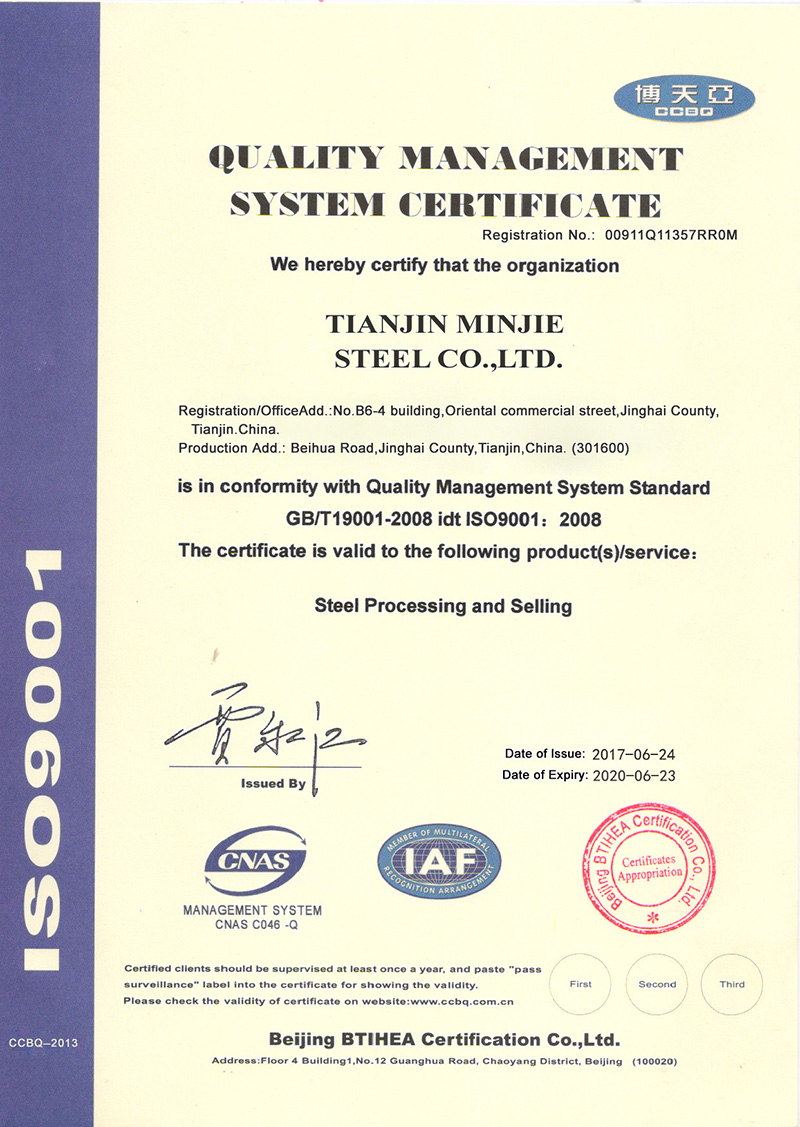
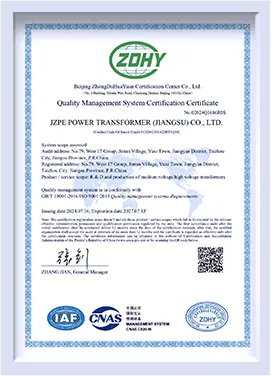
Our machinery setup is highly integrated, containing 4 dedicated pre-galvanized manufacturing lines, 8 ERW high-frequency longitudinal welding lines, and 3 hot-dipped galvanized processing lines. All activities operate in strict alignment with ISO 9001 quality management procedures, assuring chemical integrity and dimension tolerances comply with GB, ASTM, DIN, and JIS standards.
Inside our heavy-duty manufacturing and processing facilities in Tianjin
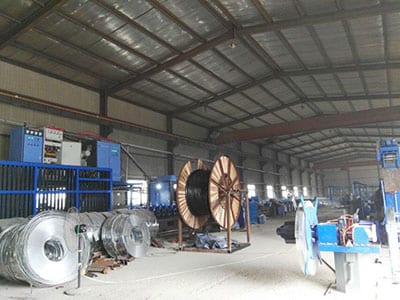
High-grade Q235B & Q345B hot-rolled coil slitting and preparation lines.
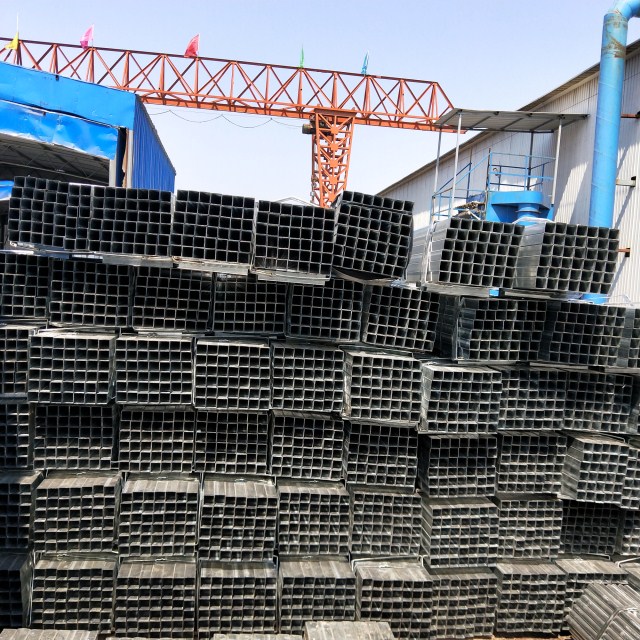
8 high-frequency ERW lines generating precise structural square and round tubes.
Automated threading and CNC cutting for precision telescopic assemblies.
Hot-dip zinc coating lines achieving deep metallurgical bonding for rust resistance.
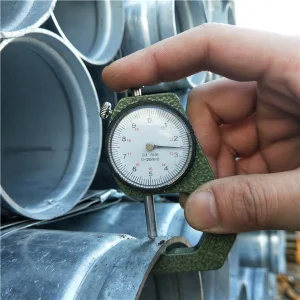
Static load testing, wall thickness verification, and weld-line ultrasonic scans.
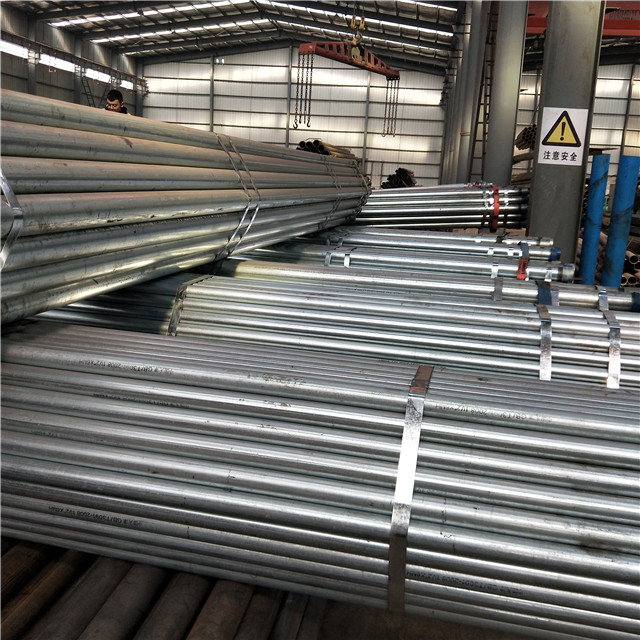
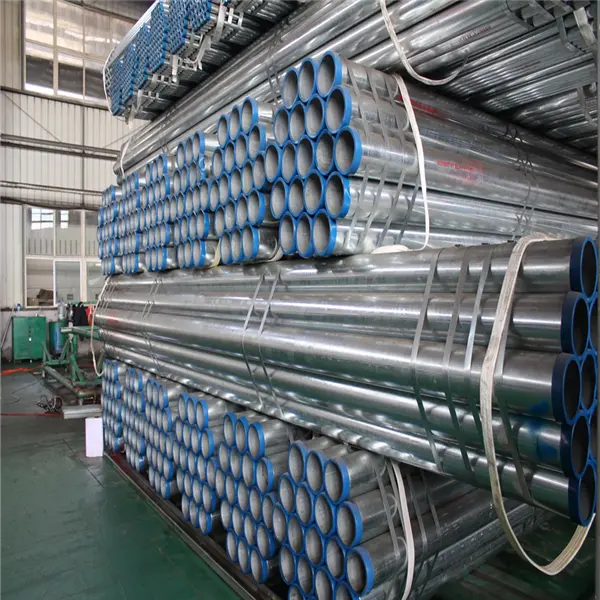
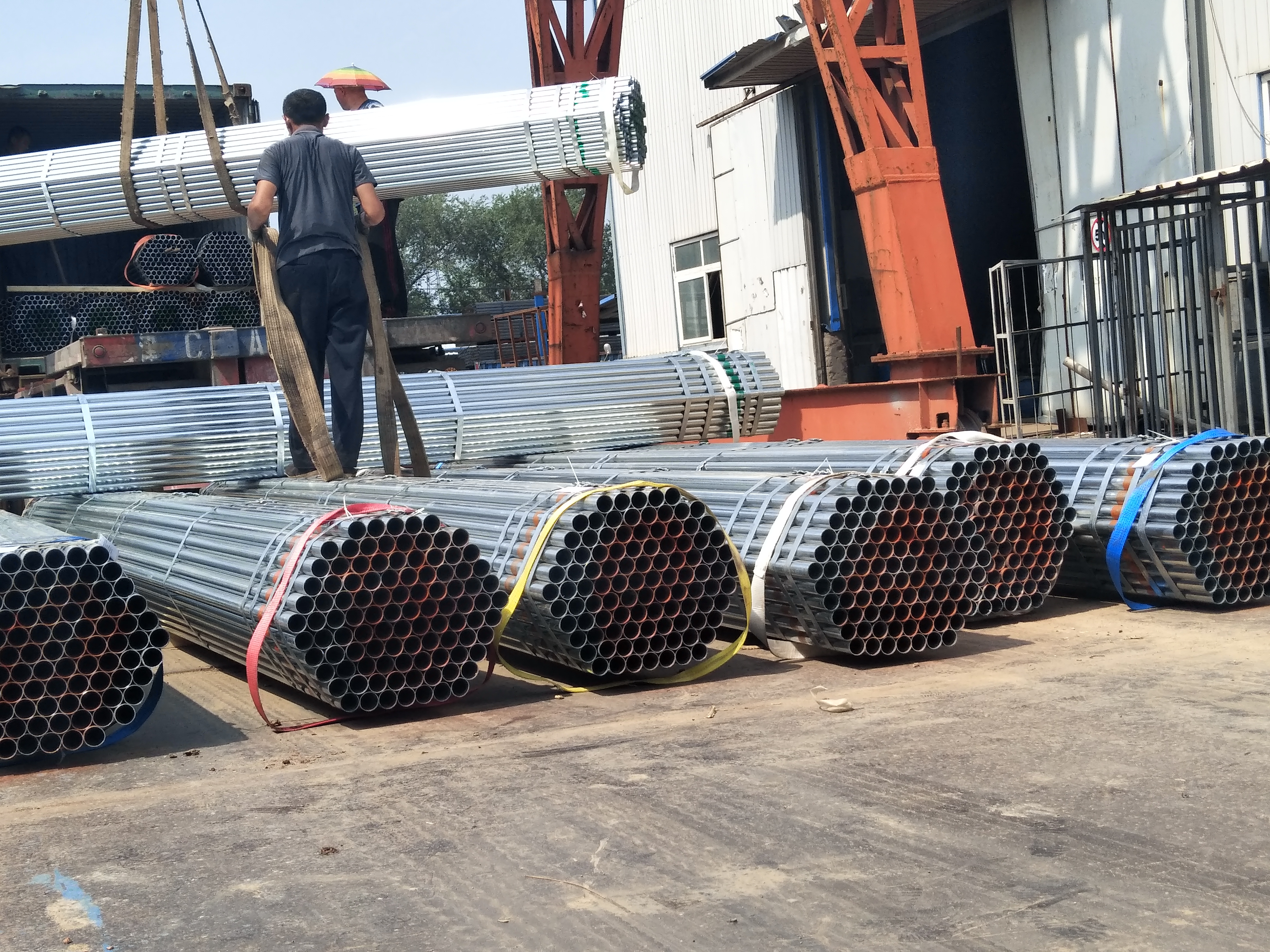
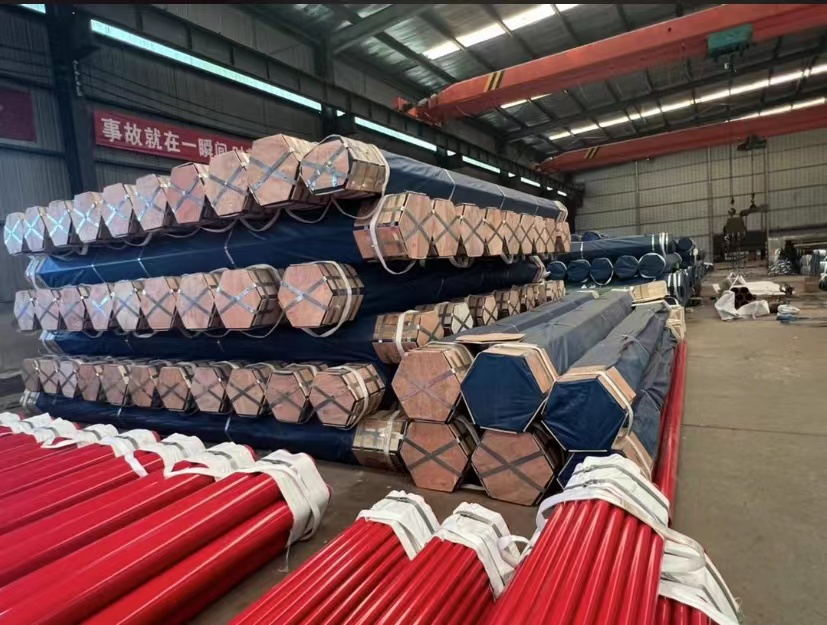
Secure structural bundling to prevent surface abrasion during deep sea transport.
Fully certified and audited to satisfy demanding European, American and Asian construction codes
For international buyers importing Puntales Metálicos, verifying compliance with regulatory load metrics is critical. Tianjin Minjie Steel operates under strict Quality Assurance (QA) parameters. Our product line is regularly audited against key regional certifications, including EN 1065 (the primary European standard outlining load criteria for adjustable steel props), AS 3610 (Formwork for Concrete in Australia), and equivalent building-safety codes across Latin America and North America.
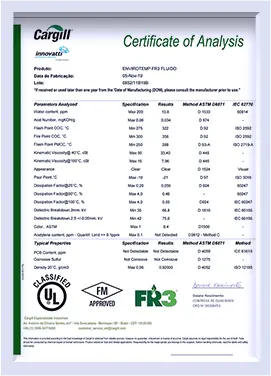
By conducting continuous tensile strength testing, metallurgical compound reports, and yield point assessments, we supply construction companies with reliable certificates of conformance (Mill Test Certificates or MTCs). This transparency eliminates project risk and guarantees structural performance under heavy loads.
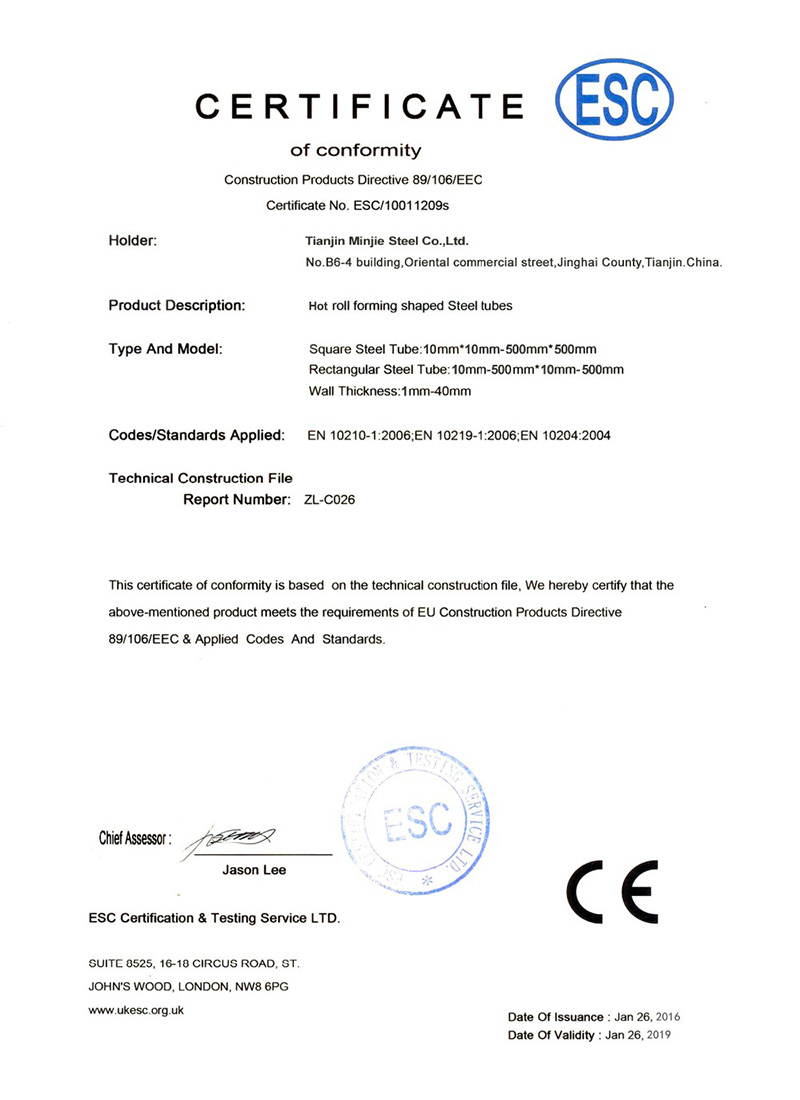
ISO 9001
Mill Certified
Serving thousands of construction projects and distributors across 80+ countries
Over the past decades, Tianjin Minjie Steel has cultivated a vast distribution matrix spanning Latin America, Southeast Asia, the Middle East, Europe, and Australia. Our professional engineering advisors work closely with client engineering departments to custom-tailor wall thicknesses, thread lengths, and surface finishes according to regional load realities.
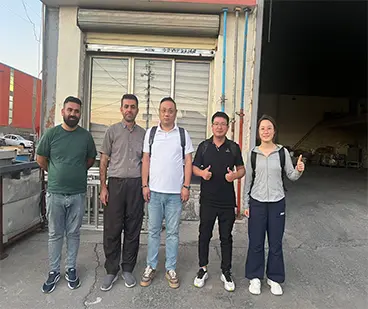
Our commitment to building trust-based partnerships is highlighted by our participation in major international tradeshows, including the bi-annual Canton Fair, where we showcase our latest patented product innovations. Over 80% of our new trade partners visit our factory in Tianjin for deep audits before signing long-term container supply agreements.
In September 2019, our management team traveled to Singapore to inspect major high-rise construction nodes utilizing our custom structural props. This direct field exposure helped us optimize our thread dust-protection mechanisms.
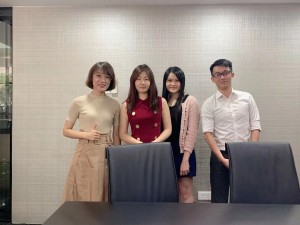
South Korean engineering delegates visited our production plant to finalize designs for a modified casting prop head. Our automated workshop finished production of customized prototypes within 14 business days.
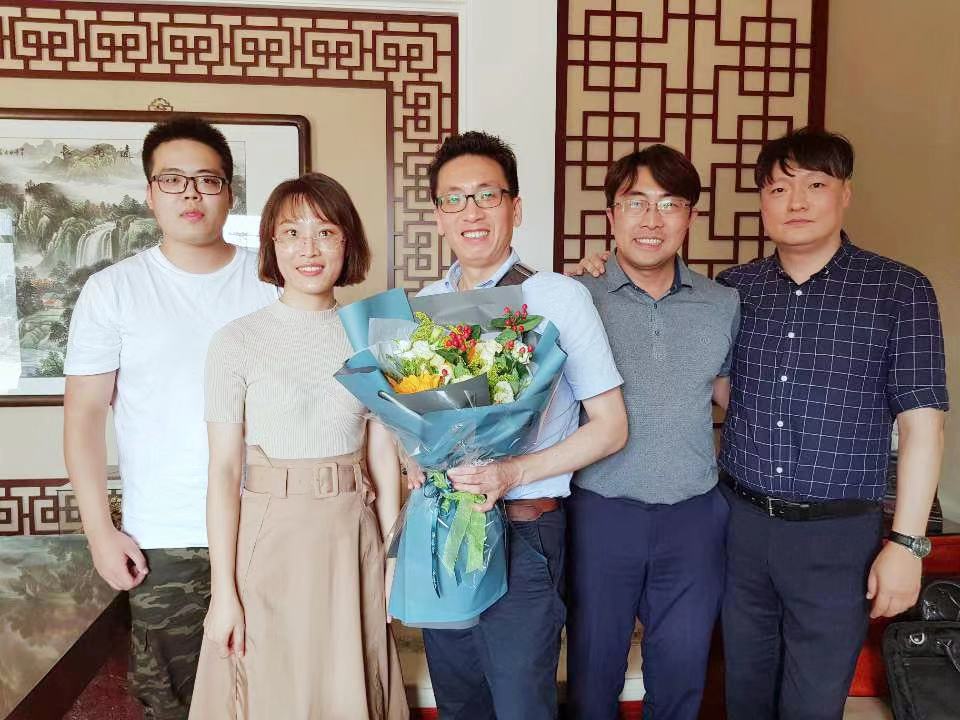
An Australian heavy-industry supplier inspected our cold-rolling and hot-dip galvanization parameters to confirm compliance with local AS 3610 formwork standards. The inspection confirmed a high zinc density exceeding 400g/m².
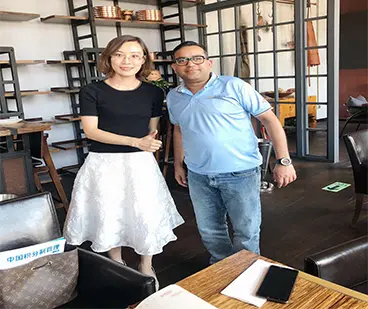
Following a detailed manufacturing plant tour in mid-2019, Indian structural developers contracted a steady supply of 10 structural steel tube containers monthly, citing our reliable wall thickness uniformity.
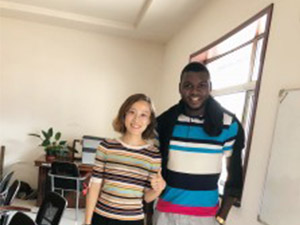
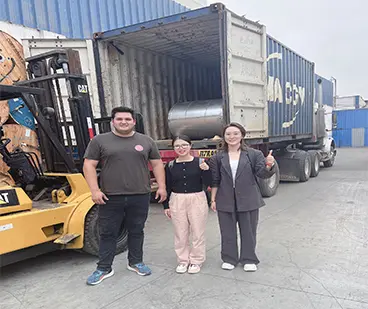
A Lebanese engineering firm audited our structural welded lines and immediately placed an order for 1,000 metric tons of pre-galvanized structural pipe for municipal water and frame infrastructure.
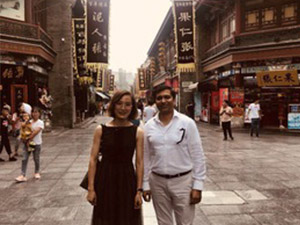
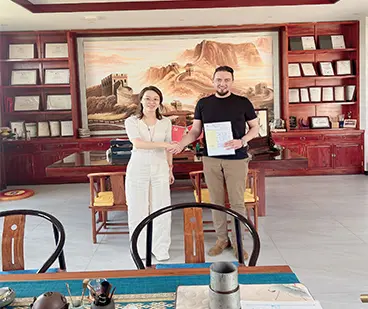
First meeting at the Canton Fair led to an on-site factory visit in Tianjin. Saudi partners established long-term regular supply lines for structural steel columns designed for dry, high-salinity desert environments.
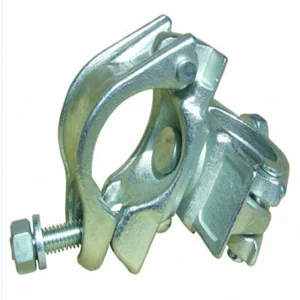
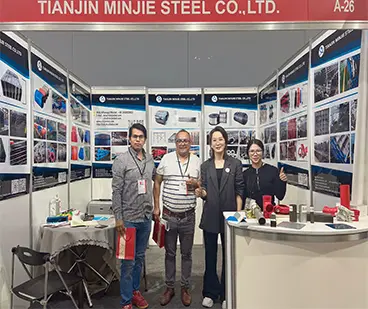
Tianjin Minjie Steel has been an active exhibitor at the Canton Fair for decades. Our structural displays exhibit the engineering behind our telescopic steel jacks, standard couplers, and customized steel pipe products. Our multi-lingual technical advisors provide detailed on-site calculations, supporting global procurement specialists with clear structural solutions.
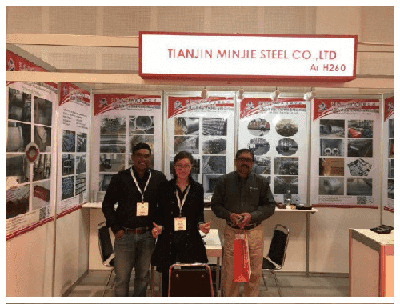
Our key high-volume steel commodities shipped directly from Northern China
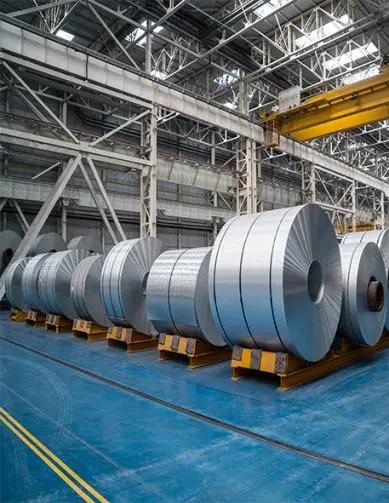
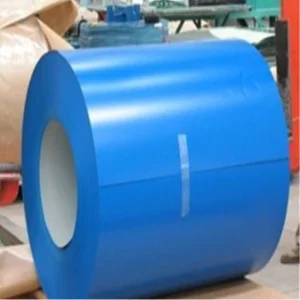
Hot-dipped galvanized, pre-painted (PPGI), and color-coated steel strip coils tailored for cold-roll profiling and structural roof paneling.
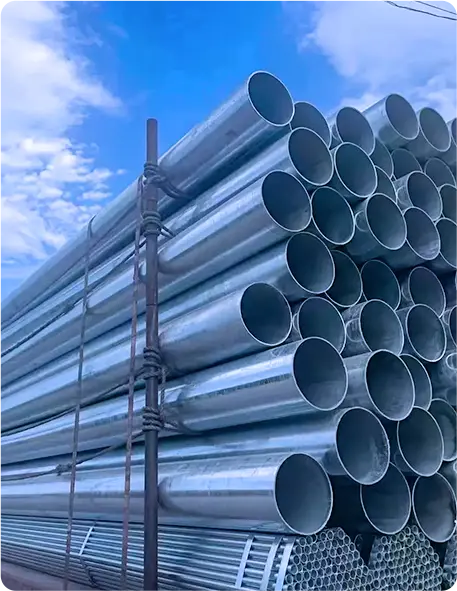
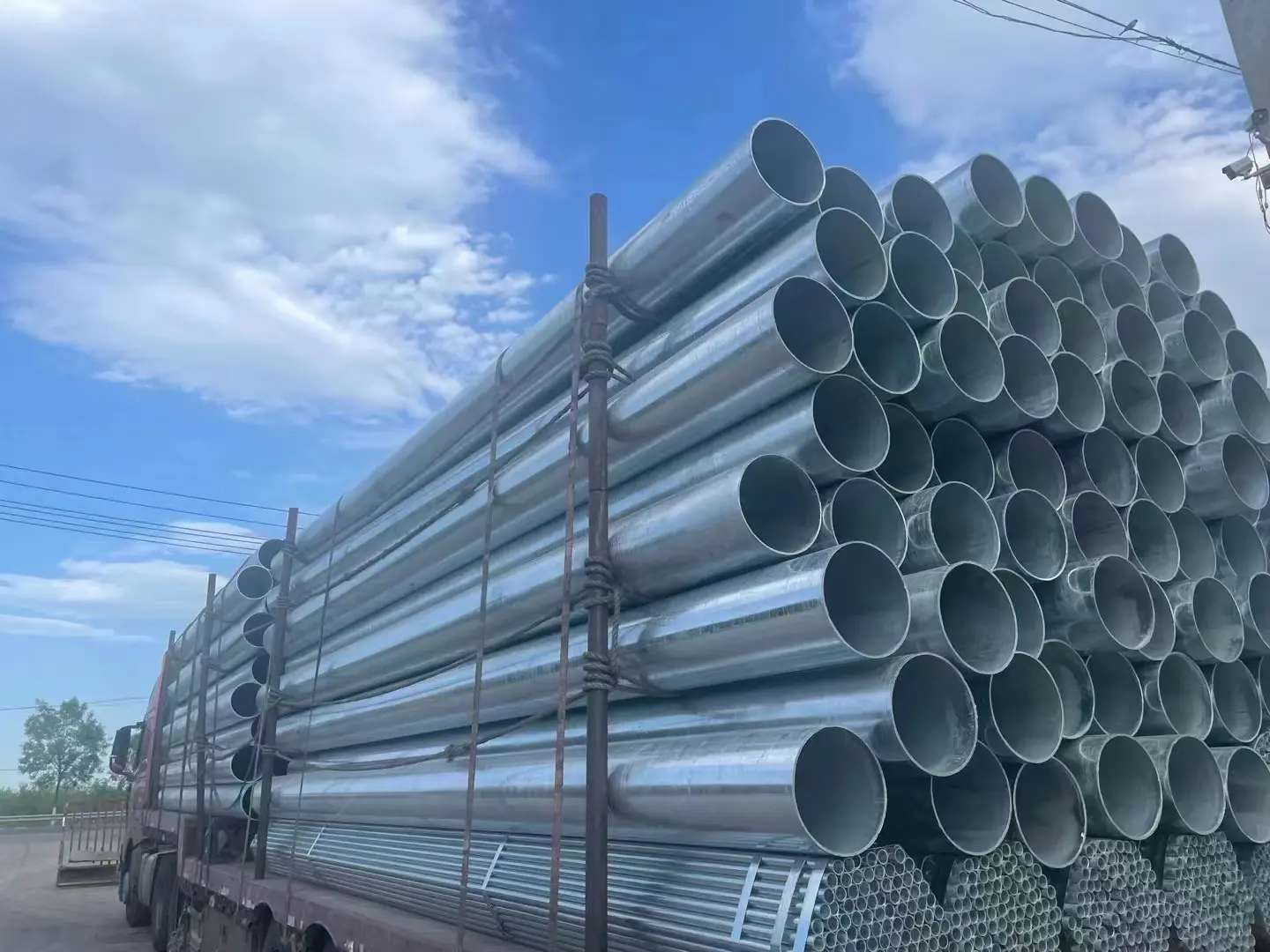
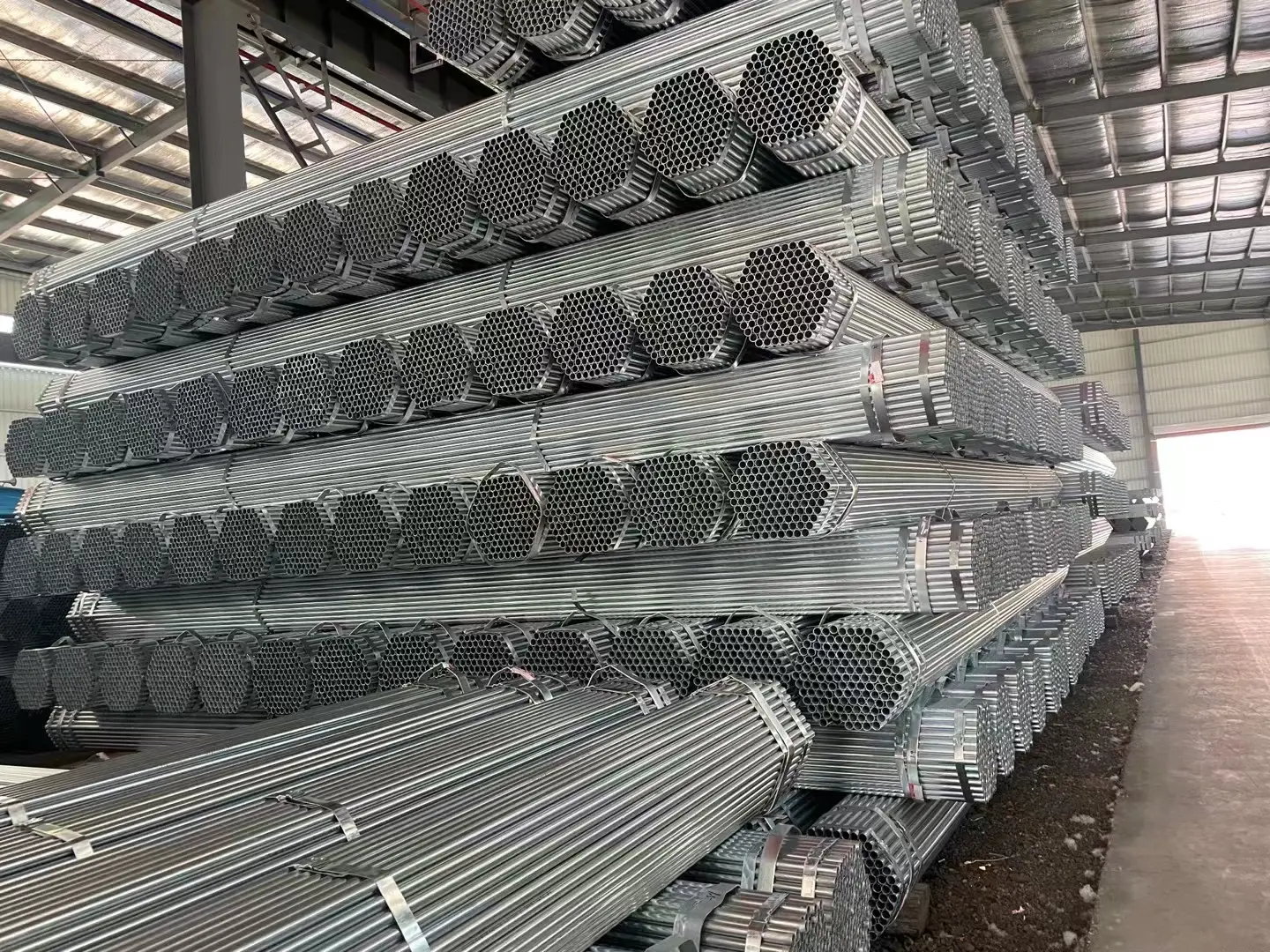
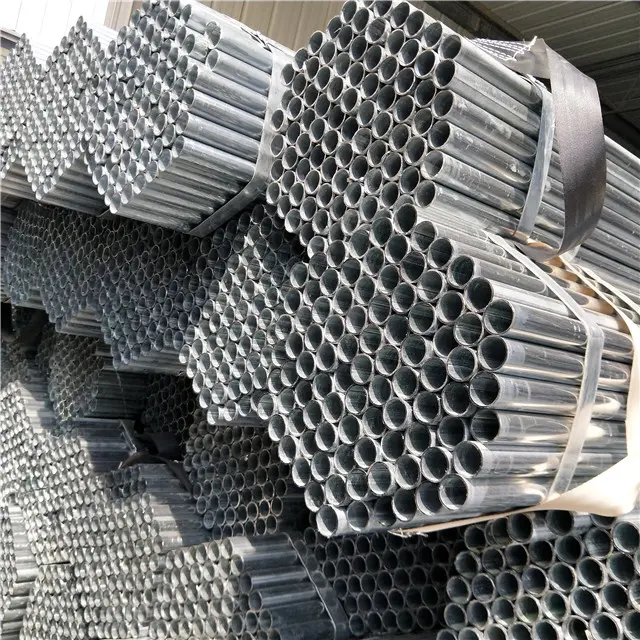
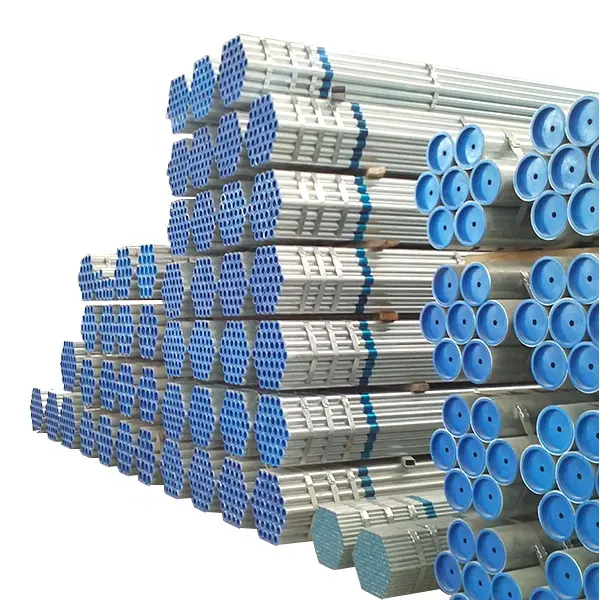
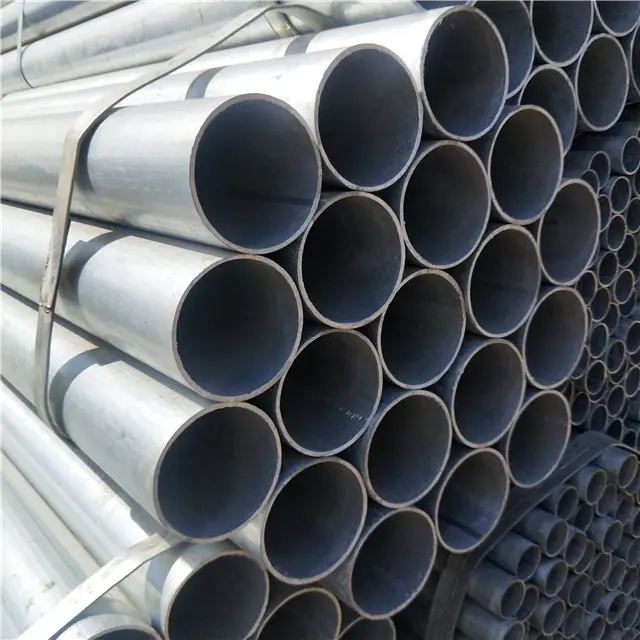
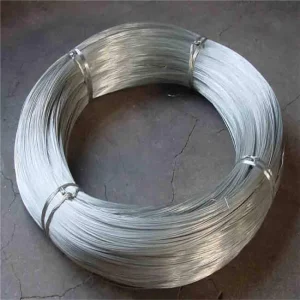
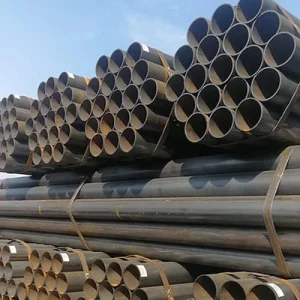
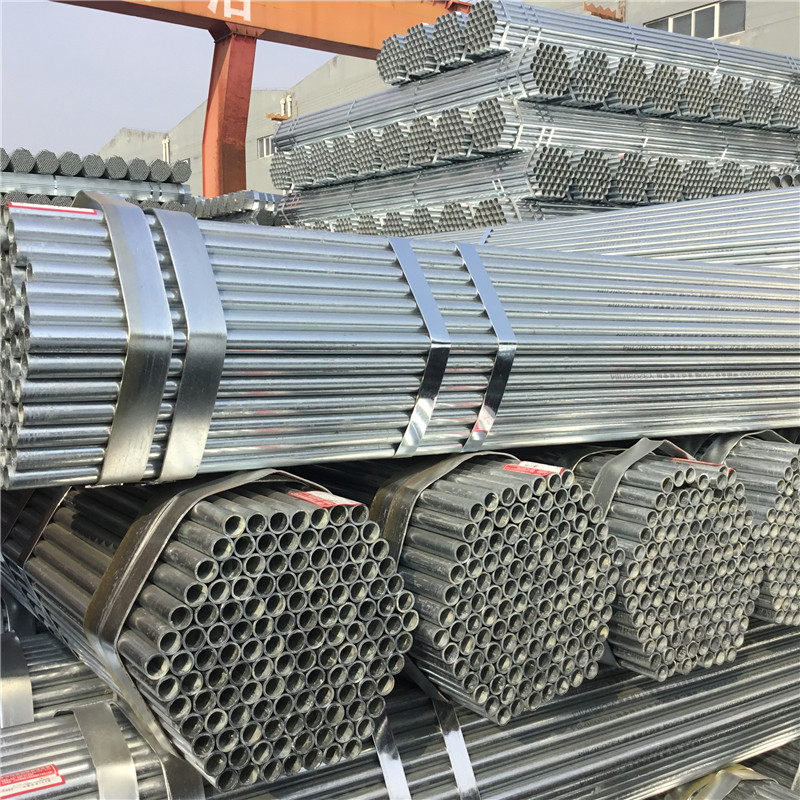
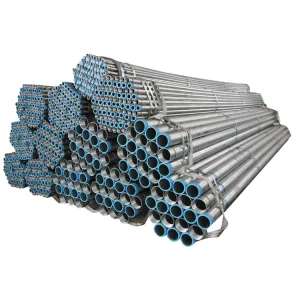
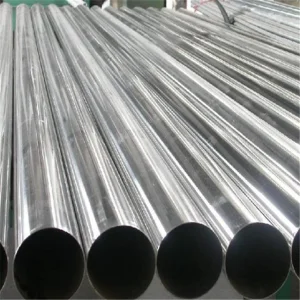
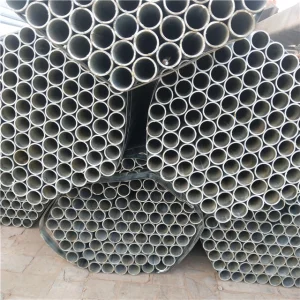
Highly resistant hot-dip galvanized and pre-galvanized circular pipes. Optimized for construction scaffolding, fluid transport, and outdoor fences.
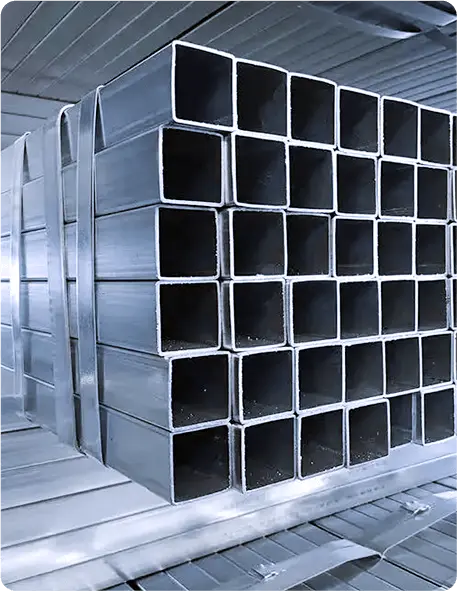
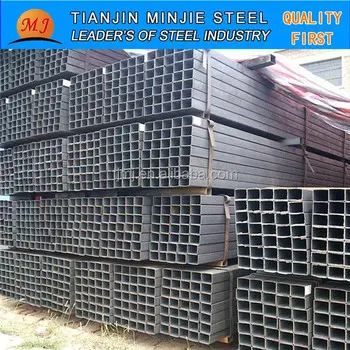
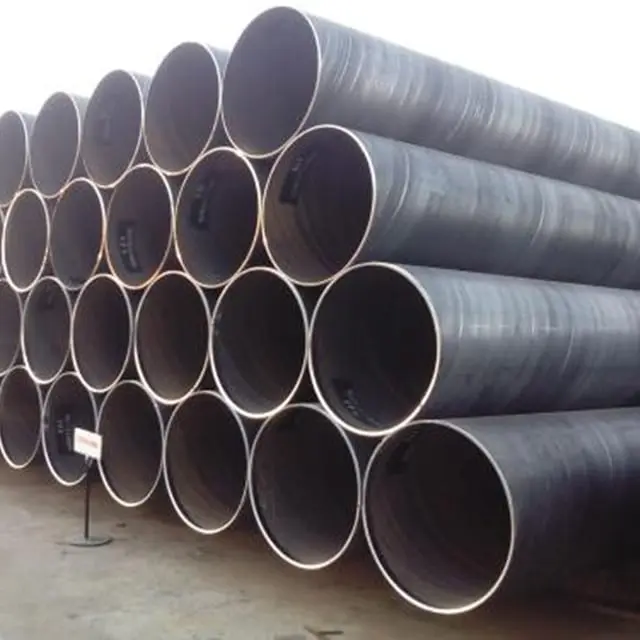
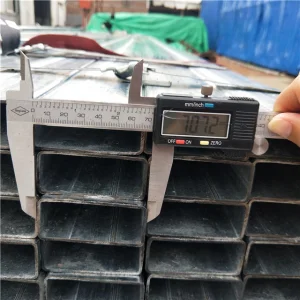
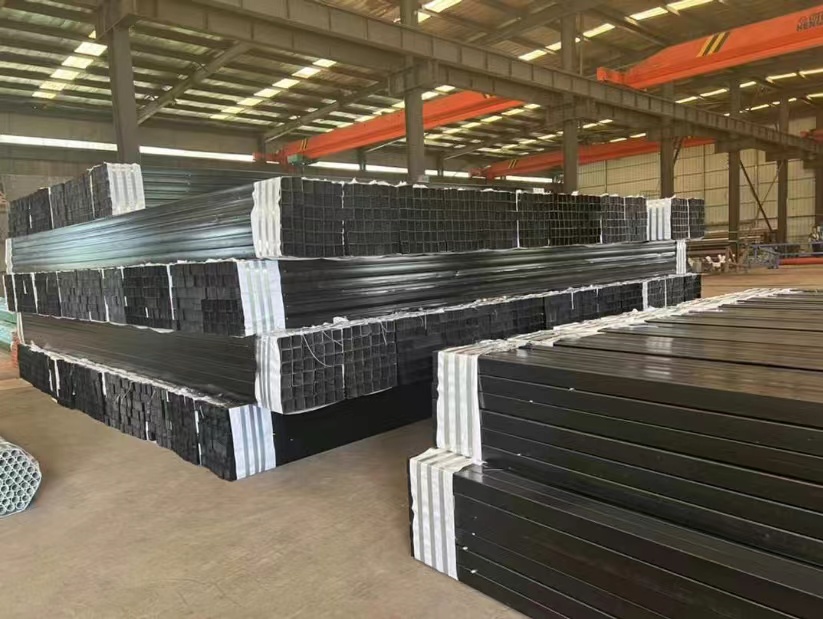
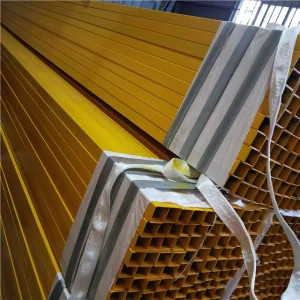
Structural rectangular and square hollow profiles manufactured to strict JIS G3466 and EN 10219 standards for structural design efficiency.
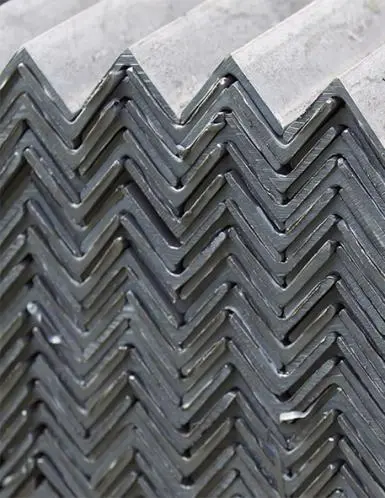
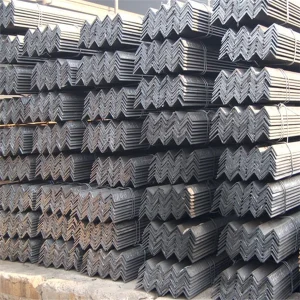
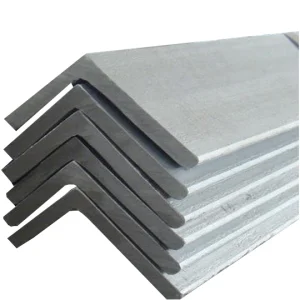
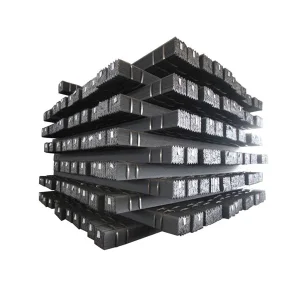
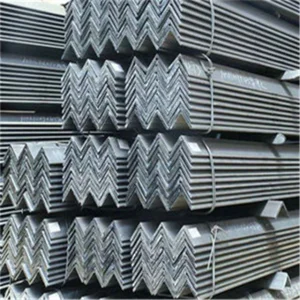
Hot-rolled equal and unequal structural angles (Q235B/SS400). Widely implemented in power tower fabrication and steel frame construction.
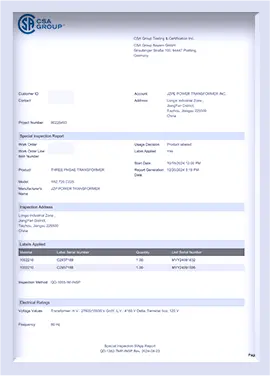
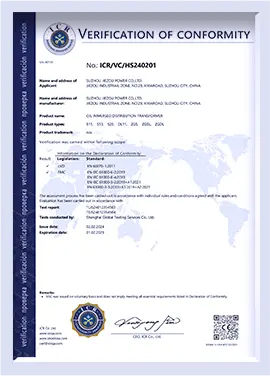
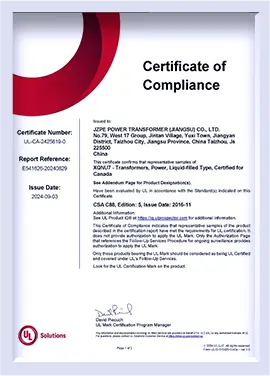
Verified structural consistency endorsed by international inspection bodies

In-depth responses from Tianjin Minjie's chief metallurgy and structural engineering team
EN 1065 governs the design, manufacturing tolerances, and minimum load capacities of adjustable telescopic steel props. It categorizes props into distinct classes (A, B, C, D, and E) based on their nominal strength when extended to maximum height. For instance, a Class D prop must hold a minimum load capacity of 20 kN at all extension lengths, while a Class E prop must resist up to 30 kN. We perform periodic compressive testing on our ERW lines to ensure our structural wall thickness meets these classifications under real-world formwork loads.
Standard paint coats only provide a surface barrier that easily scratches off during logistics handling or assembly, exposing the base steel to fast oxidation. Hot-dip galvanization involves submersing clean structural tubing into molten zinc at 450°C. This initiates a metallurgical reaction that bonds multiple zinc-iron alloy layers to the core pipe. With a coating thickness of 400g/m² (approx 55-70 microns), our HDG metal props can resist coastal rust and highly alkaline concrete runoff for up to 10–15 years of continuous outdoor use.
Steel grade Q235 yields a minimum strength of 235 MPa, making it excellent for light to medium formwork loads up to 3.5 meters high. For heavy civil projects (such as bridge segments or subways), we recommend Q345B steel (yield strength 345 MPa). Using Q345B allows us to construct lighter props with thinner walls that deliver comparable load performance, reducing freight costs and manual site handling efforts.
1. Alignment check: Ensure the prop is erected 100% perpendicular to the slab. Even a 1-degree offset can significantly lower load capacity due to lateral shear forces.
2. Avoid modifications: Never substitute structural G-pins with makeshift reinforcing bars (rebar), which lack the necessary shear resistance.
3. Ground conditions: Ensure base plates rest on flat, compacted ground or load-distributing timber soleplates to prevent uneven settling during concrete pours.
Manufactured to meet tight tolerances for industrial, structural, and civil applications
 Minjie Steel