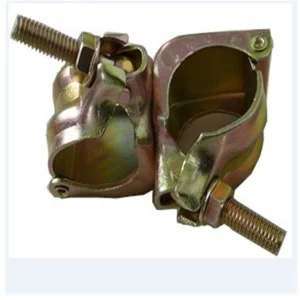
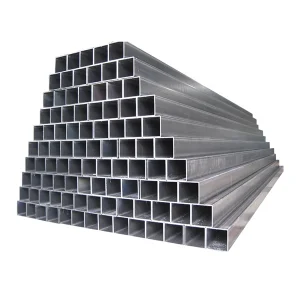
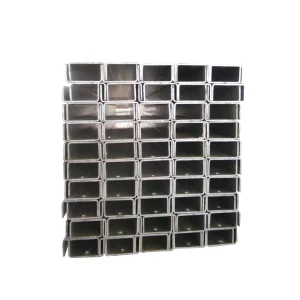
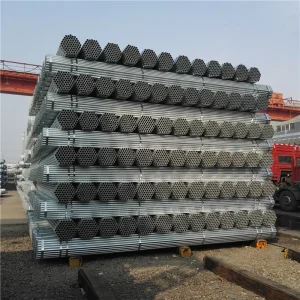
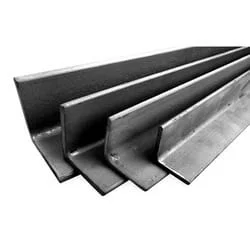
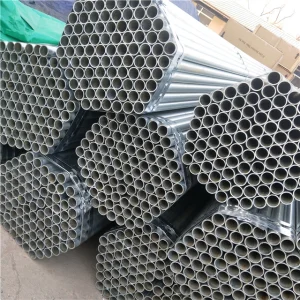
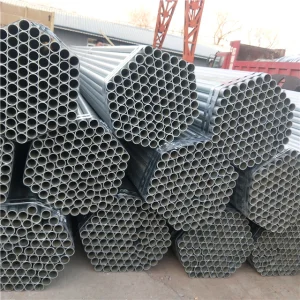
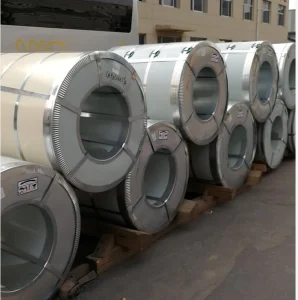
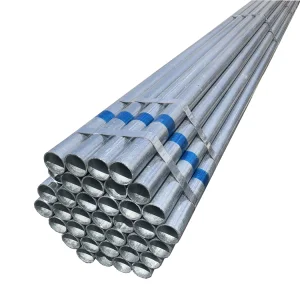
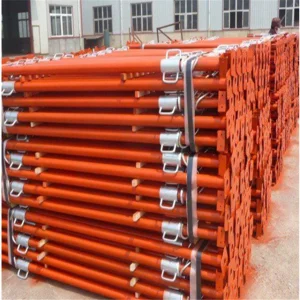
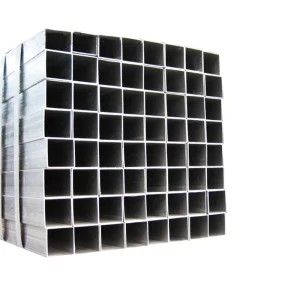
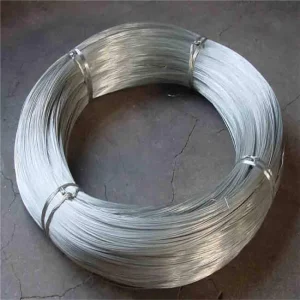
High-grade structural steel configurations, scaffolding fittings, and specialized pipes for engineering infrastructure.
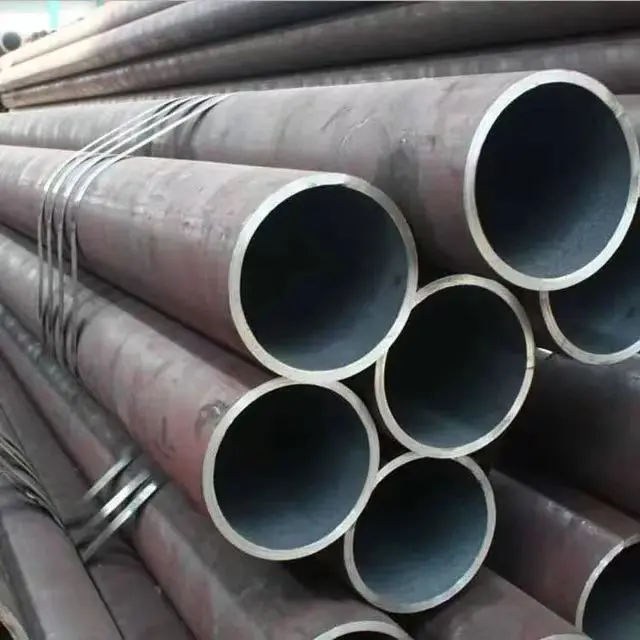
In high-pressure industrial ecosystems, the structural integrity of piping systems determines the threshold of operational safety and economic efficiency. The global steel industry relies heavily on seamless steel pipes, defined by their single, continuous piece of metal without weld joints. This metallurgical structure prevents local weakness points, enabling these pipes to withstand immense pressures, high temperatures, and severe chemical stress. Whether carrying crude oil across harsh geological landscapes or supporting deep-sea platforms, seamless carbon and alloy tubes are critical structural components.
Unlike welded pipes, which are formed by bending a steel sheet and welding the seam, seamless pipes are manufactured through dynamic hot extrusion or rotary piercing processes. This method ensures uniform thickness, concentricity, and robust structural mechanics. By utilizing advanced carbon steel grades like ASTM A106, API 5L, and high-pressure boiler tube specifications, manufacturers cater to applications that demand zero-tolerance for pressure failure.
Furthermore, seamless engineering eliminates the risk of intergranular corrosion at weld zones. This characteristic is particularly critical in sour-gas environments and chemical processing units where sulfuric compounds corrode weld seams quickly. For demanding hydraulic circuits, high-temperature heat exchangers, and mechanical precision systems, seamless tubes provide the necessary reliability to keep systems running smoothly.
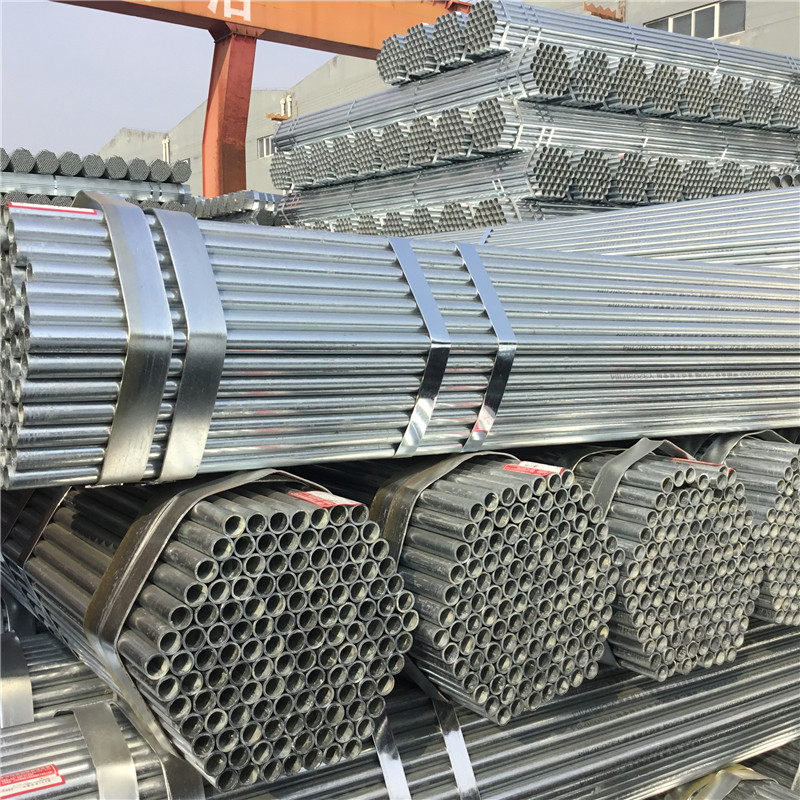
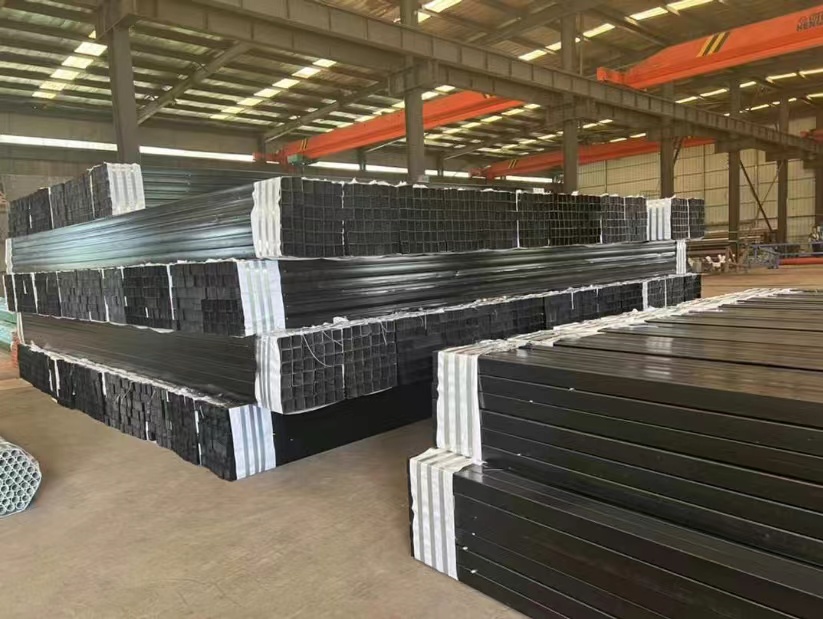
Established in 1998, Tianjin Minjie Steel Co., Ltd has grown into a major manufacturer and exporter of steel products in Northern China. Located just 40 kilometers from XinGang Port—the largest port in Northern China—our facility covers over 70,000 square meters. This location provides us with logistics advantages that translate into fast delivery and lower transport costs for our international customers.
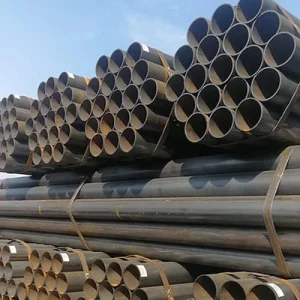
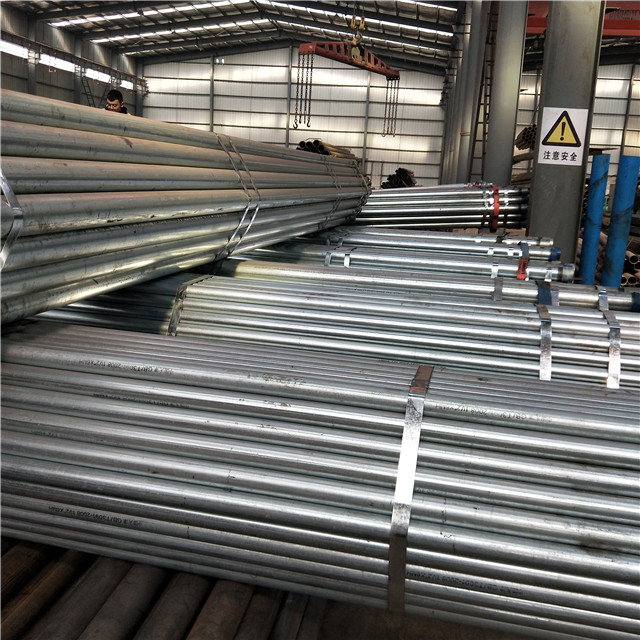
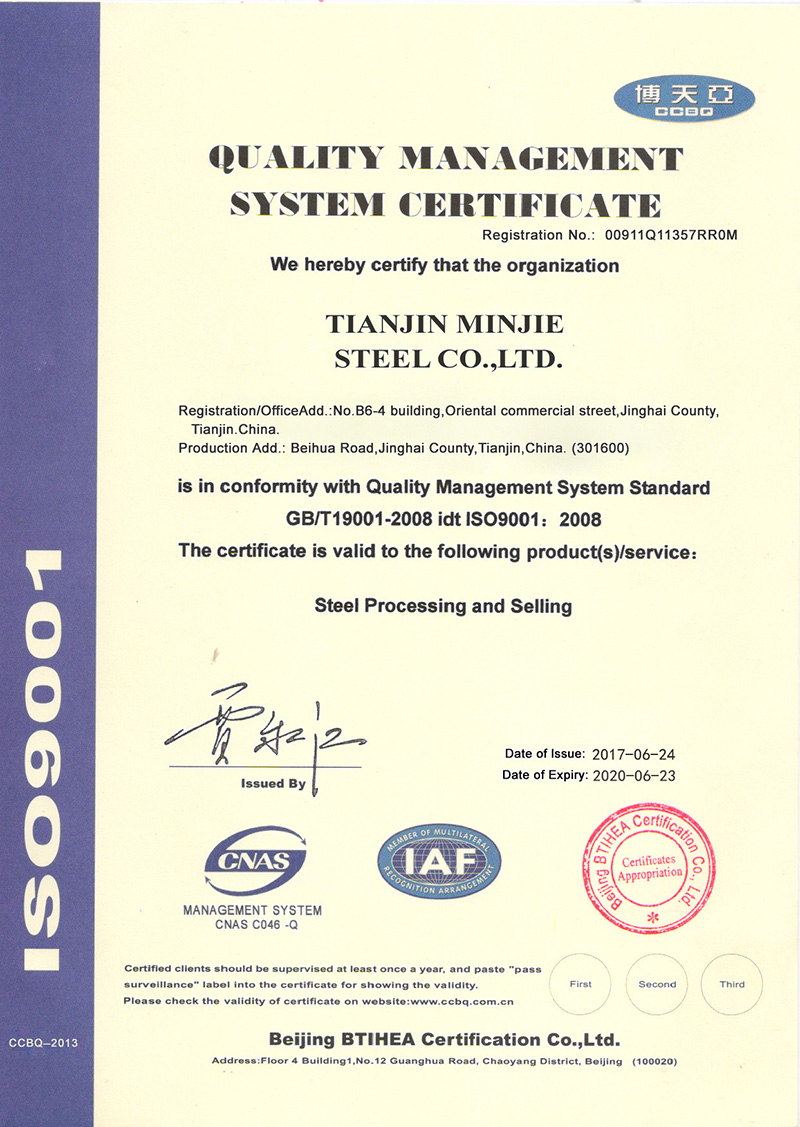
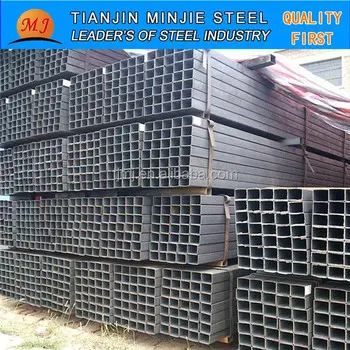
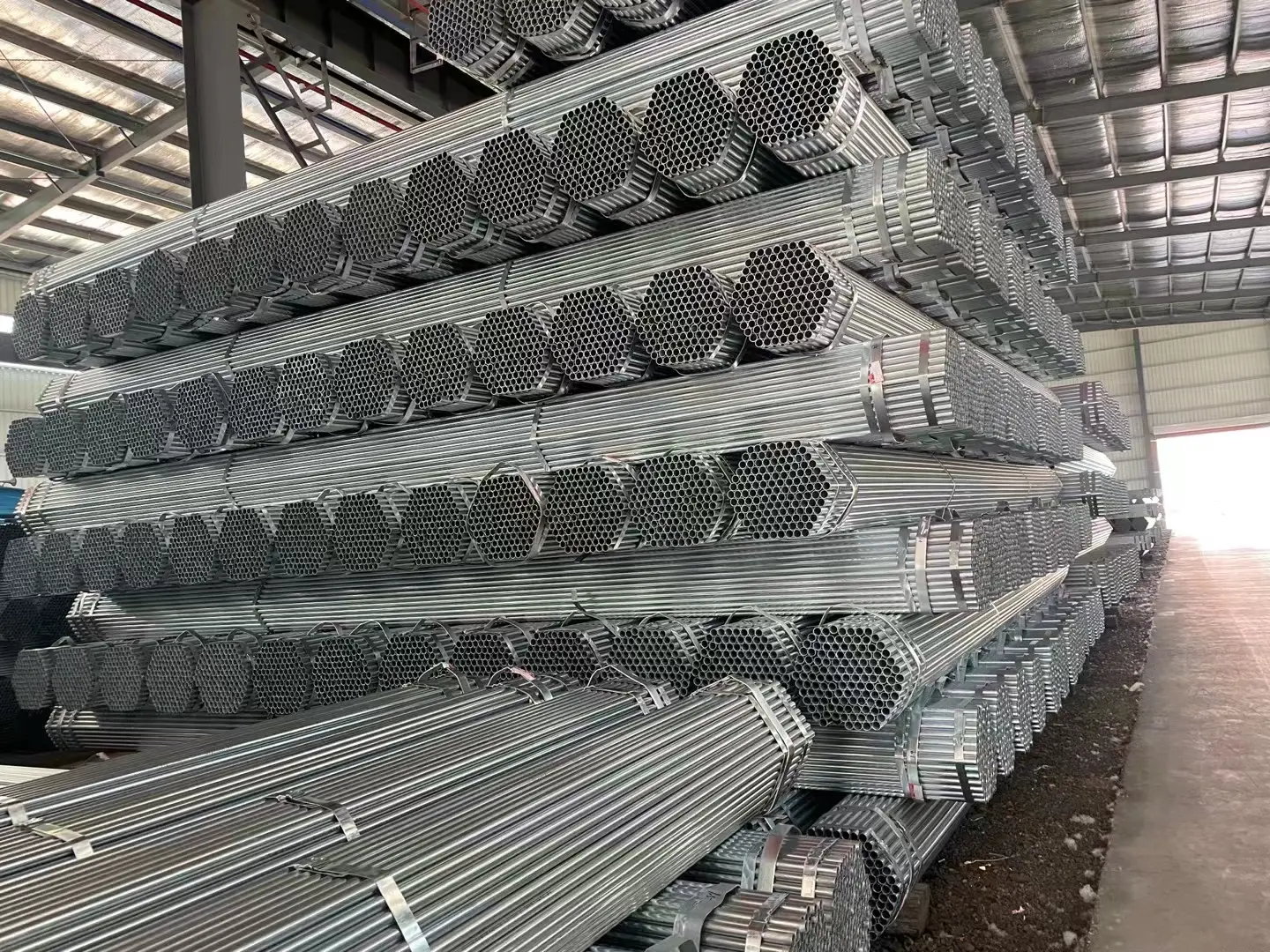
We are a professional manufacturer and exporter of steel products. Our main product lines include pre-galvanized steel pipes, hot-dip galvanized pipes, welded steel pipes, square and rectangular tubing, and scaffolding products. Our facility operates 4 pre-galvanized lines, 8 ERW steel pipe lines, and 3 hot-dipped galvanized process lines. We manufacture to international standards, including GB, ASTM, DIN, and JIS, and operate under ISO9001 quality certification.
We have also developed proprietary piping systems. Minjie holds 3 patents: Groove Pipe, Shoulder Pipe, and Victaulic Pipe, designed to simplify installation and improve connection stability under high pressure.
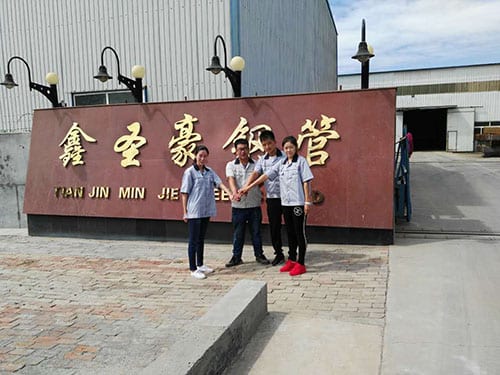
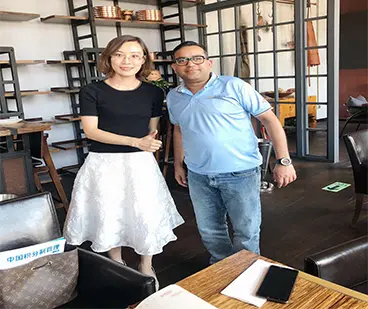
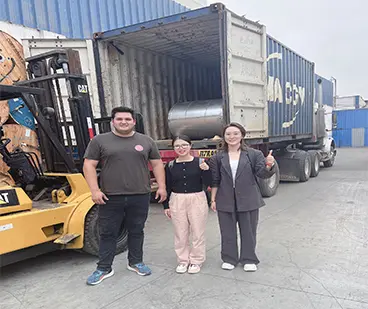
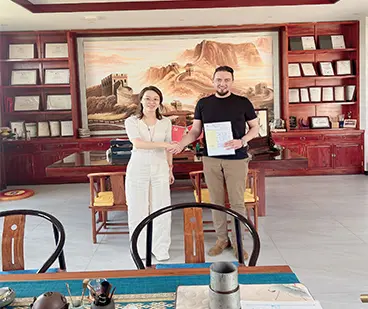
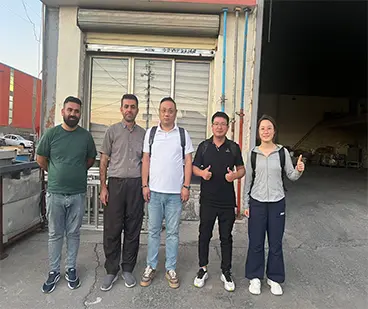
Our steel products are exported globally. We regularly host client visits to build collaborative relationships based on reliable quality and performance.
In September 2019, our team visited clients in Singapore. These discussions strengthened our partnerships and demonstrated our commitment to meeting Singapore's quality standards for local infrastructure projects.
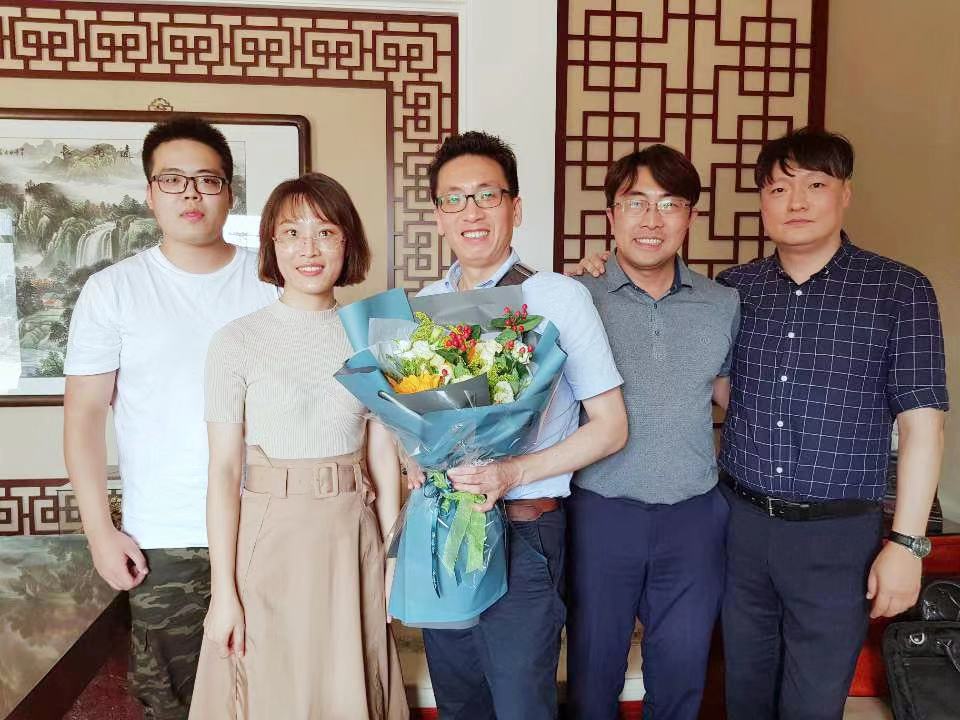
In 2019, South Korean customers visited our Tianjin factory with custom design specifications, leading to a long-term contract for precision steel tubes and scaffolding components.
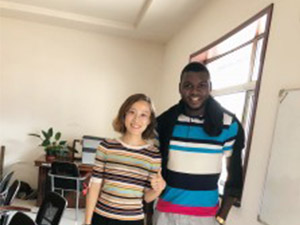
Our long-term Australian partners visited our production facility in November 2018 to review our hot-dip galvanizing lines and verify our raw materials supply chain.
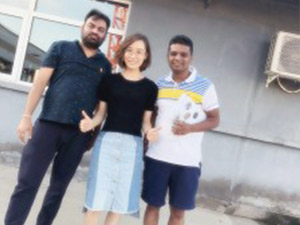
In 2019, after visiting several regional factories, a customer from India established a contract with us for 10 containers per month of structural steel profiles.
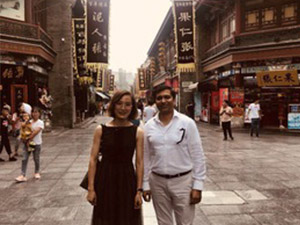
During a site visit in June 2017, a Lebanese client signed an order for 1,000 tons of structural steel pipes for municipal water and scaffolding projects.
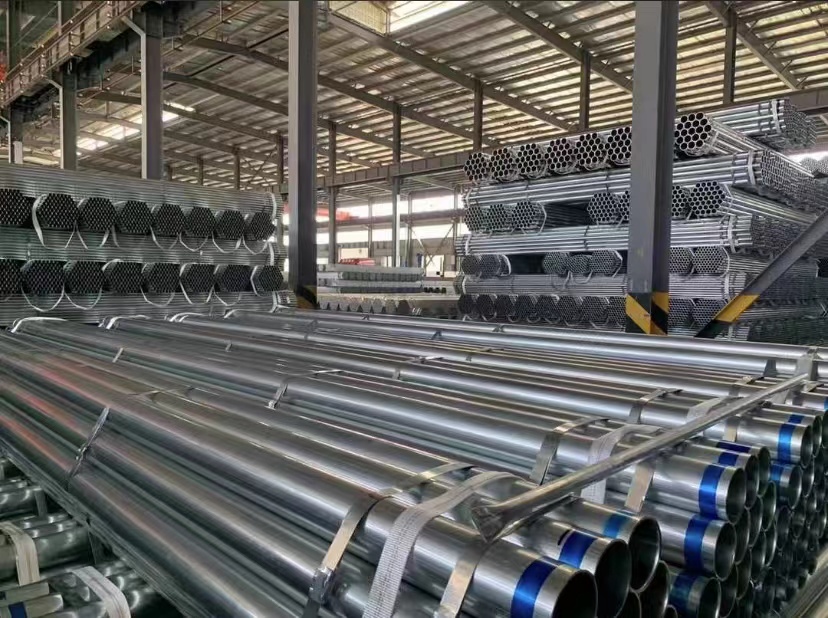
After meeting at the Canton Fair, a Saudi Arabian customer visited our Tianjin factory in 2018. This visit established a long-term supply agreement for galvanized and welded pipes.
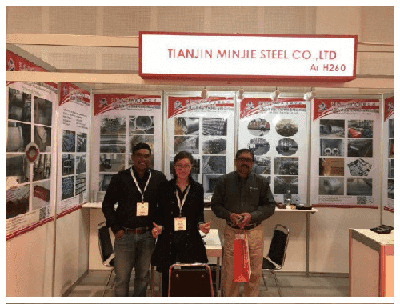
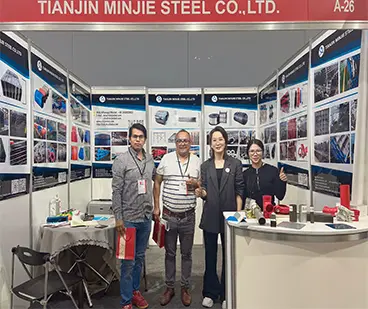
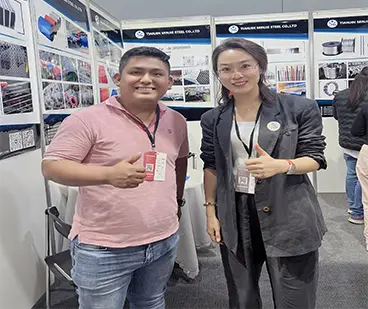
Our company participates in the Canton Fair annually, generating interest from global buyers. For example, during the 2017 fair, we met a wide range of international clients, and approximately 80% subsequently visited our production facilities in Tianjin. We focus on transparent technical communication during these visits to demonstrate our manufacturing processes and quality control systems.
We manufacture to international standards, ensuring our products meet mechanical and dimensional specifications across various applications.
| Standard Specification | Common Steel Grades | Dimensional Range | Primary Industrial Applications |
|---|---|---|---|
| ASTM A106 / A53 | Grade A, B, C | 1/8" to 26" (DN6 to DN650) | High-temperature fluid transmission, refineries, and chemical plant piping. |
| API 5L | Gr. B, X42, X52, X60, X65 | 2" to 32" (DN50 to DN800) | Petroleum and natural gas pipeline transport systems. |
| DIN 1629 / 2448 | St 37.0, St 44.0, St 52.0 | 10.3mm to 711mm | Chemical plant engineering, pressure vessels, and structural mechanics. |
| JIS G3454 / G3456 | STPG 370, STPG 410, STPT 370 | 15A to 650A | Medium to high-pressure steam, air, and gas utility lines. |
| EN 10210 / 10219 | S235JR, S275JR, S355J2H | 20x20mm to 400x400mm | Structural framing, civil engineering, machinery parts, and scaffolding. |
Our production processes emphasize metallurgical consistency, dimensional control, and quality verification.
High-quality solid steel billets are heated in a rotary hearth furnace to temperatures between 1,200°C and 1,300°C. The heated billet is then pierced using a rotary cone piercer, creating a hollow shell with uniform concentric walls.
The hollow shell is processed through a mandrel mill or plug mill to reduce wall thickness and increase length. The sizing mill then shapes the outer diameter to meet final specifications.
Depending on the required steel grade, the pipes undergo normalizing, quenching, and tempering. This process optimizes mechanical properties, such as yield strength and impact toughness, to meet engineering requirements.
Each pipe is subject to testing, including hydrostatic pressure tests and ultrasonic or electromagnetic inspections. This testing identifies internal flaws and guarantees surface quality prior to galvanizing or coating.
Tianjin Minjie's steel solutions are utilized across diverse industries, from high-pressure fluid logistics to heavy industrial construction.
Used to transport volatile chemicals, hydrocarbons, and steam under varying temperatures and pressures. Seamless pipes prevent weld leaks in these demanding environments.
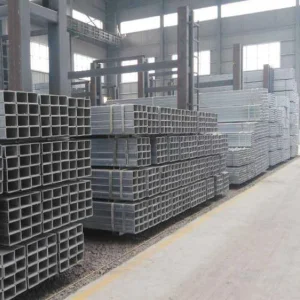
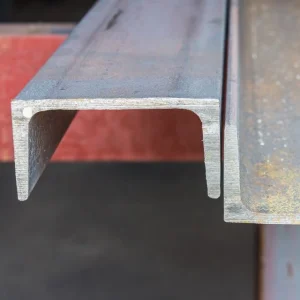
Applied in building frameworks, bridges, scaffolding, and steel columns. Our square, rectangular, and round structural sections support static loads and withstand wind forces.
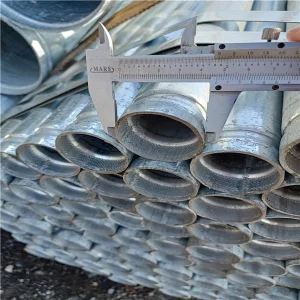
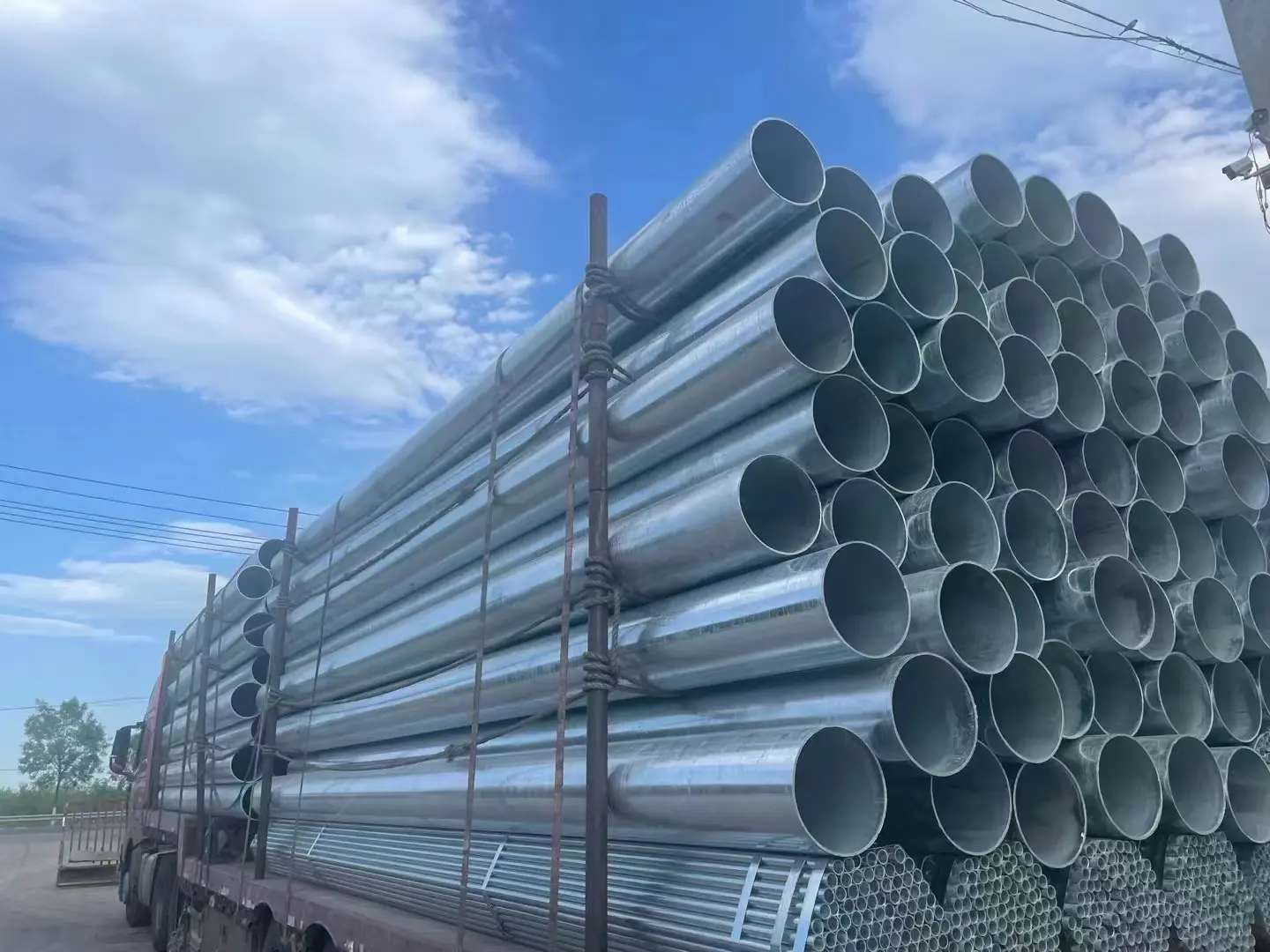
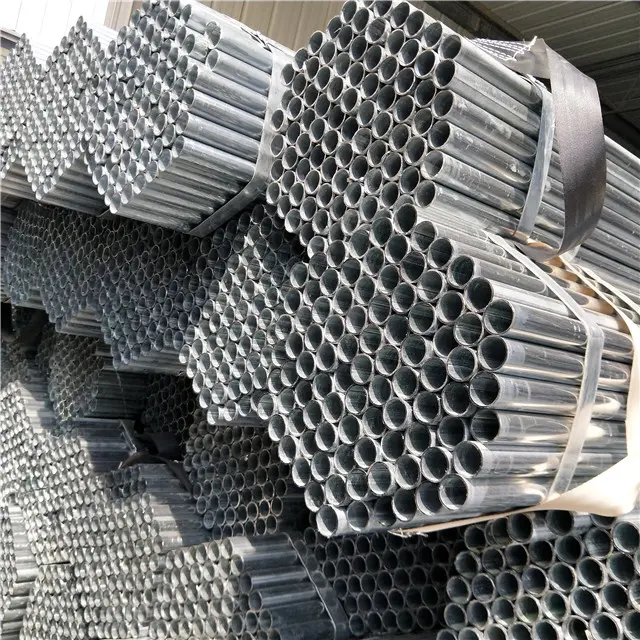
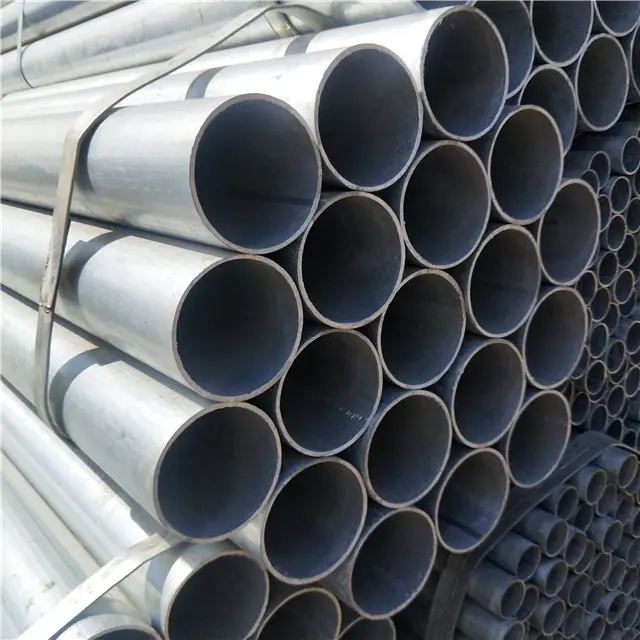
Our galvanized pipes are widely used in greenhouse frameworks, protective fences, and local municipal water systems, providing corrosion resistance in outdoor conditions.
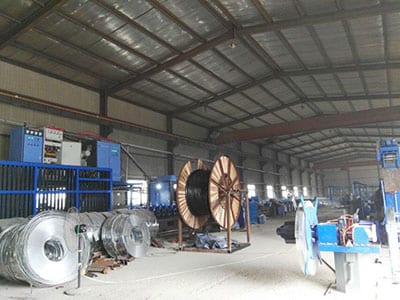
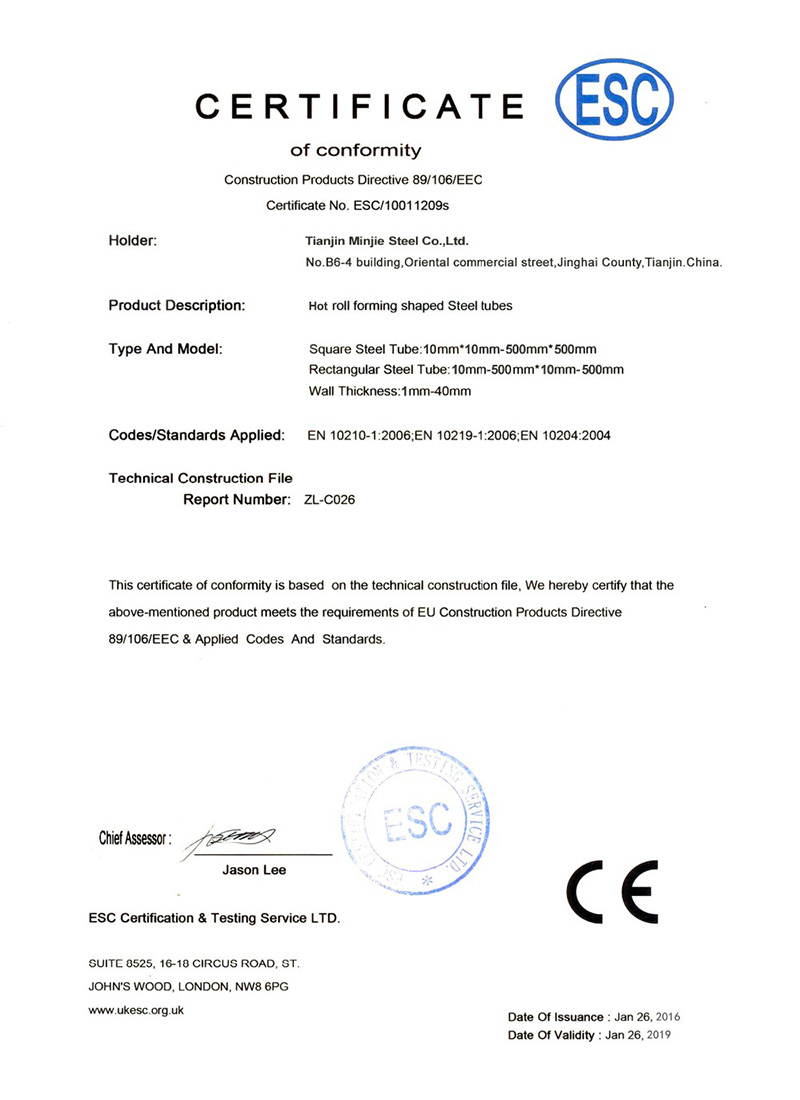
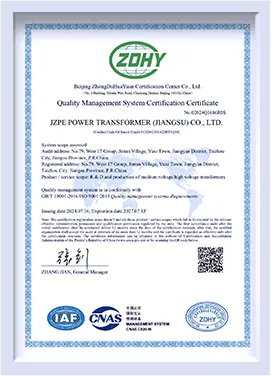
Our production floor and quality control processes are certified to ISO 9001 and verified by international inspection bodies.
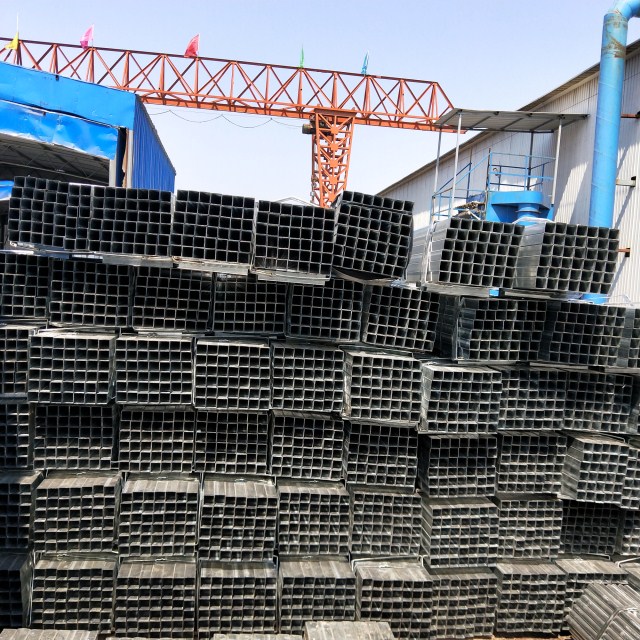
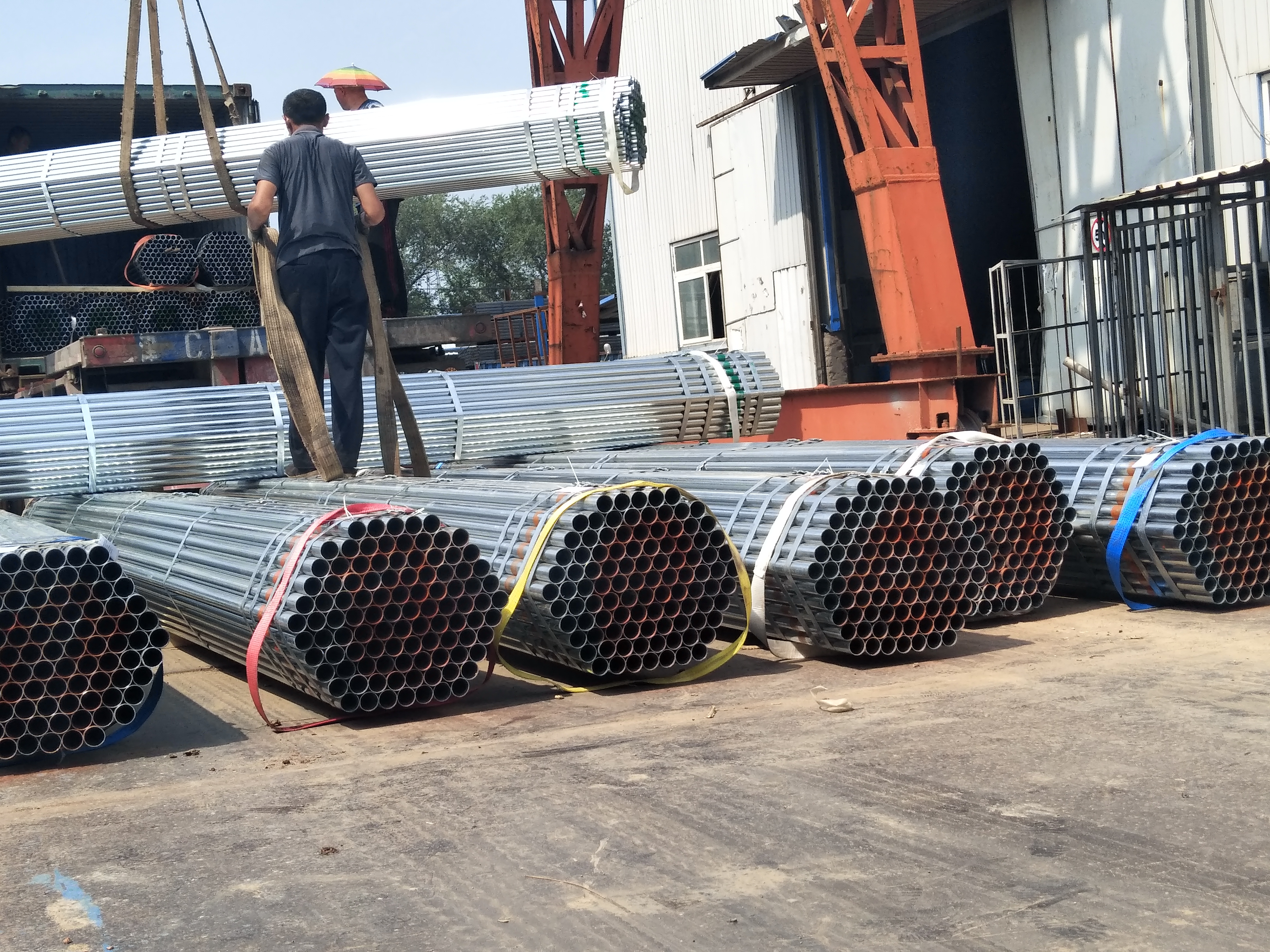
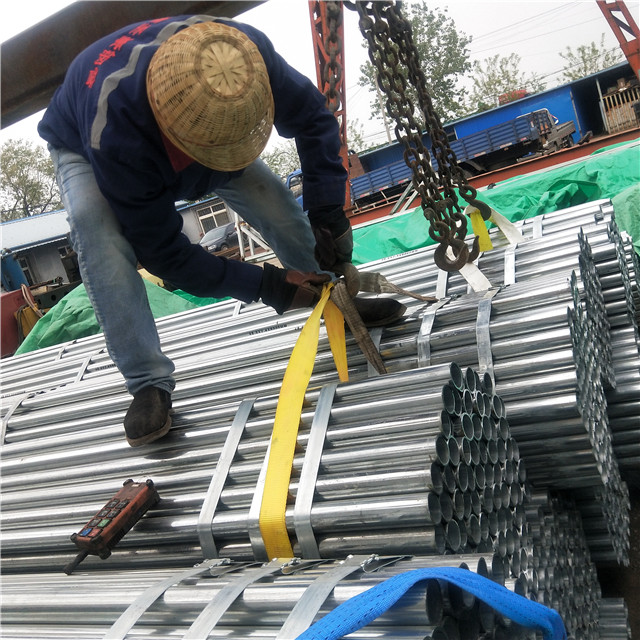
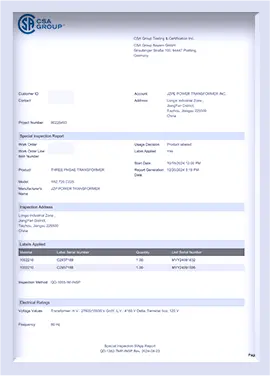
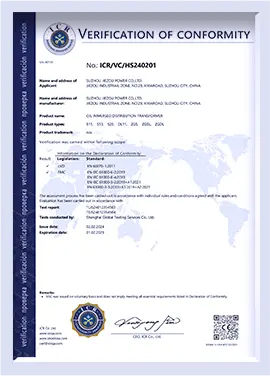
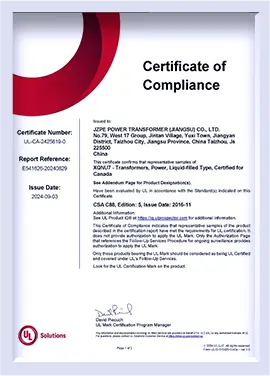
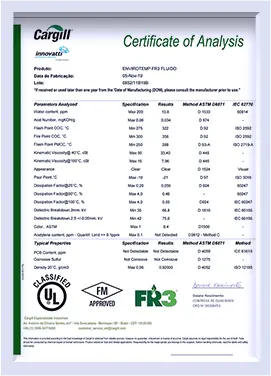

Our steel products are used in structural and industrial projects worldwide.
Technical information regarding manufacturing processes, testing procedures, and orders.
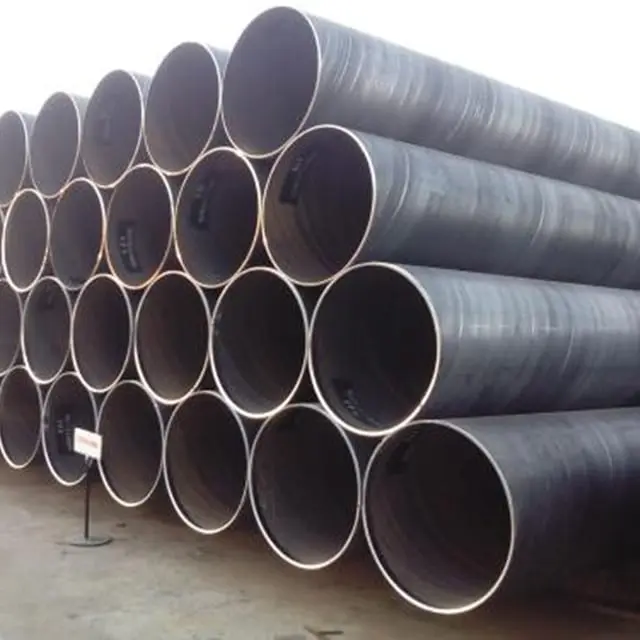
Seamless pipes are extruded from a solid steel billet, providing a continuous wall profile without weld seams. This enables them to support higher pressure limits. Welded steel pipes (such as ERW) are formed from steel coils with longitudinal seams, which are suitable for structural applications, scaffolding, and lower-pressure operations.
ASTM A106 (Grade B/C) and API 5L (Grades B through X65) are widely specified for high-pressure applications. ASTM A106 is designed for high-temperature service, while API 5L is engineered for oil and gas transport pipelines. For European projects, EN 10216-2 covers seamless tubes for pressure purposes.
Our quality control processes include Non-Destructive Testing (NDT), such as hydrostatic pressure testing, ultrasonic testing for internal anomalies, and eddy-current testing for surface defects. We also perform mechanical tests (tensile strength, yield point, and elongation) and metallurgical analysis.
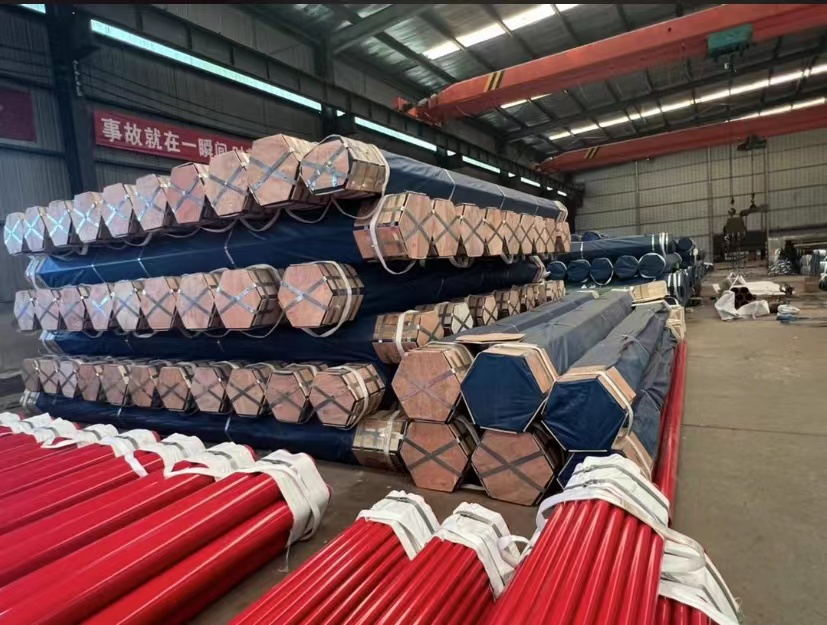
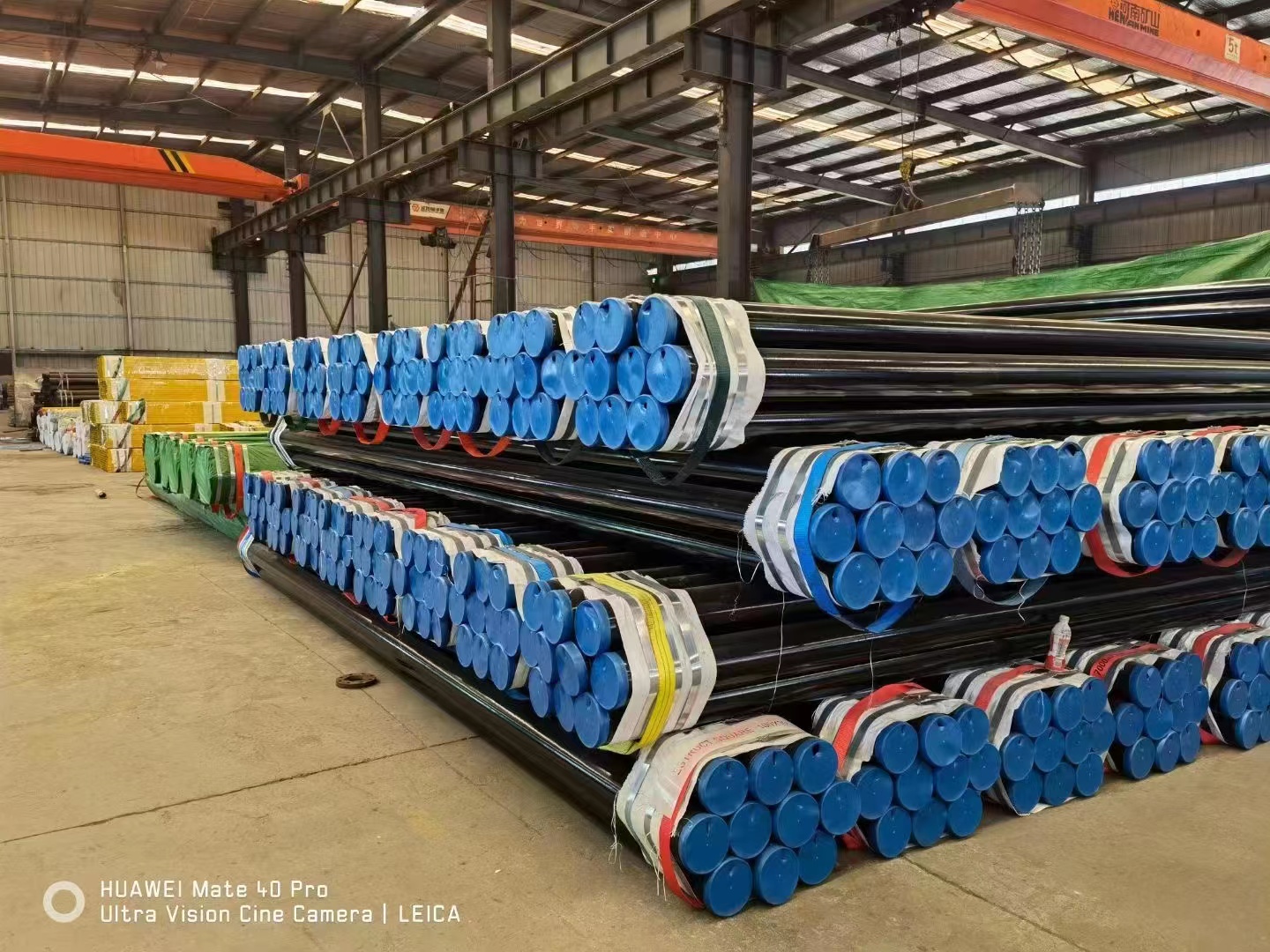
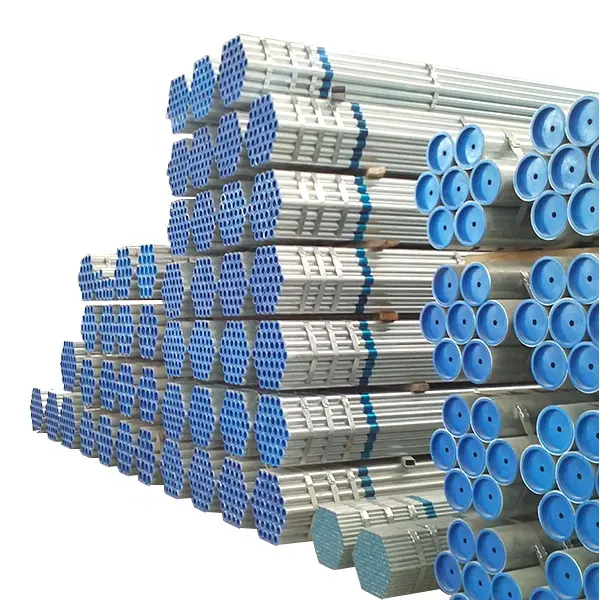
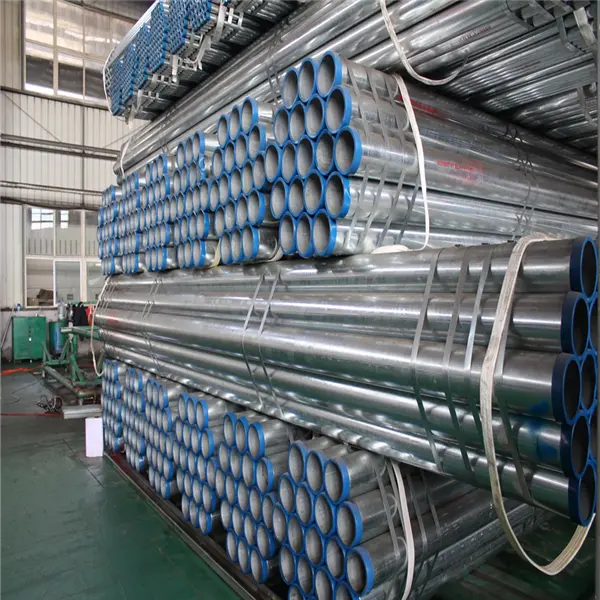
Our factory is located 40 kilometers from XinGang Port, Northern China's largest sea terminal. This proximity enables efficient containerized or bulk cargo shipping. We provide packaging options, including hexagonal bundling and customized pipe caps, to protect against damage and ocean spray corrosion during transport.
Our product catalog covers hot-dip galvanized profiles, ERW black steel, and support components for infrastructure construction.
 Minjie Steel