Premium grade galvanized components engineered to meet structural load regulations and seismic design requirements globally.
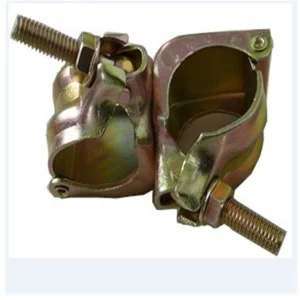
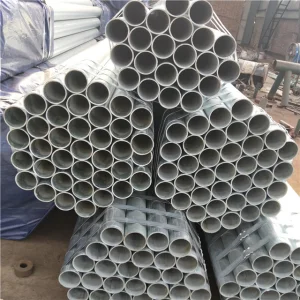
Within the fields of civil engineering and industrial safety, the phrase Seismic Gas Solutions represents more than simple piping. It denotes the highly complex engineering design of structural support arrays, distribution networks, and coupling equipment intended to secure dangerous natural gas, liquefied petroleum gas, and industrial process gases during ground motions or earthquakes.
These specialized systems integrate ductile piping materials, heavy-duty mechanical joints, flexible connection technology, and vibration-dampening scaffolding systems. Without highly engineered support elements, standard piping networks are susceptible to sheer fractures and structural failures, presenting serious combustion risks. As an industry leader, Tianjin Minjie Steel Co., Ltd. supplies high-performance structural steel and coupling assemblies necessary to stabilize distribution networks globally.
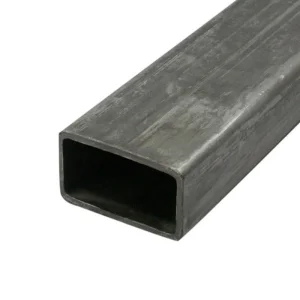
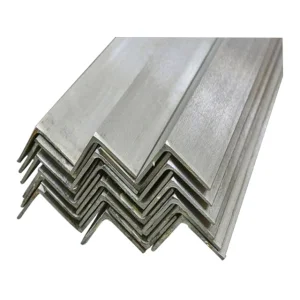
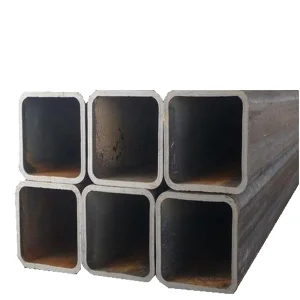
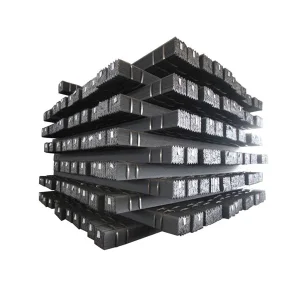
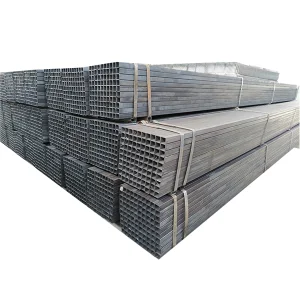
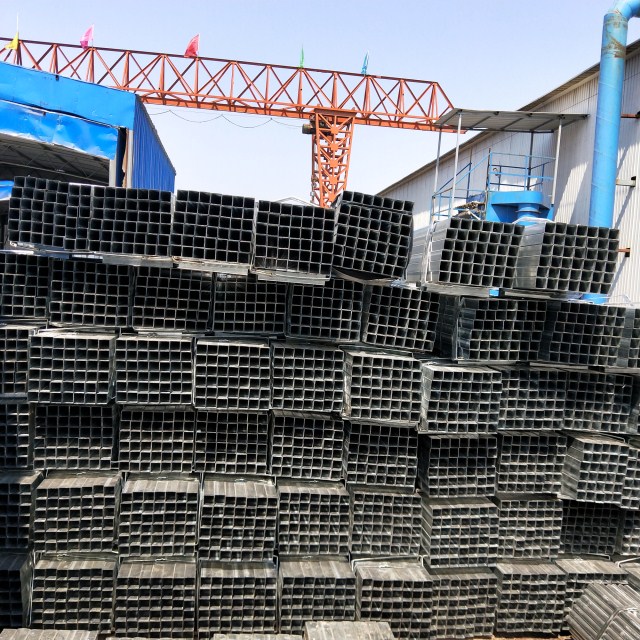
High-grade structural steel configurations, including galvanized rectangular sections, equal angle steel, and customized clamps, form the foundation of modern seismic pipe racking and building-entry protection devices. These materials safeguard crucial connections in processing facilities, power generation stations, and municipal transmission installations.
Established Year
Factory Area
Annual Production Output
Patented Joint Innovations
Analyzing changes in building design standards, structural safety regulations, and B2B material sourcing strategies.
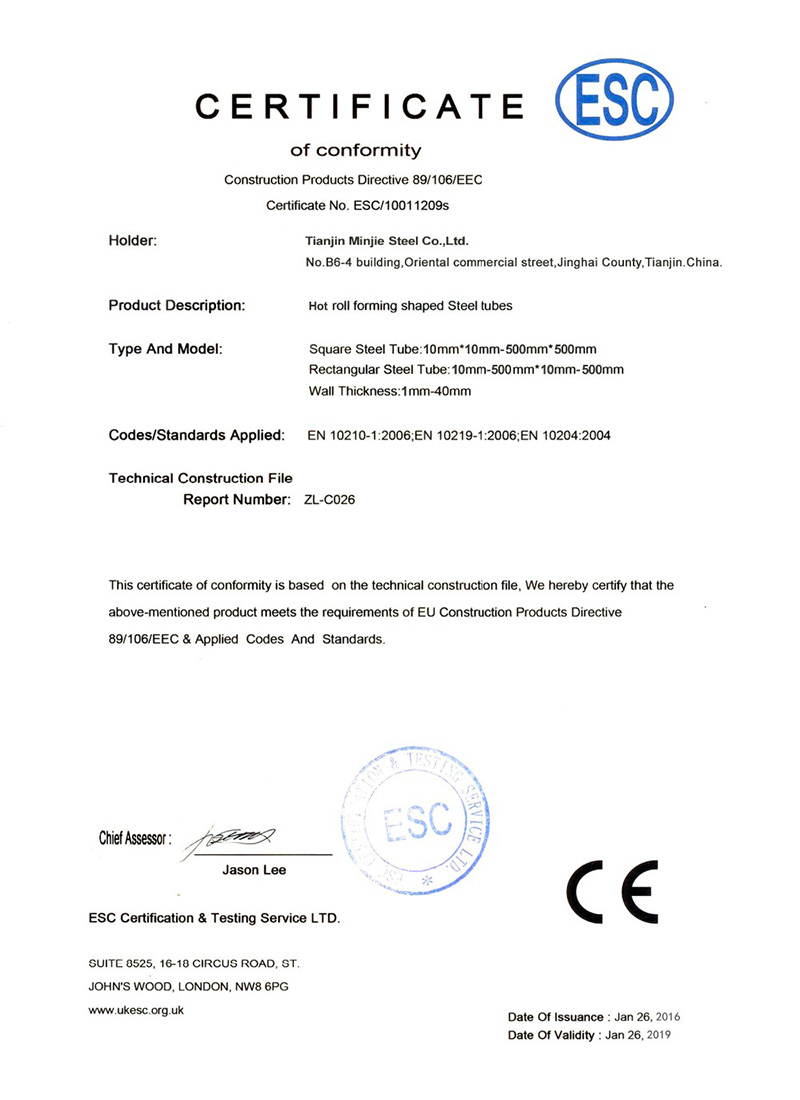
Global regulatory bodies are enforcing stricter standards (such as EN 10219, ASTM A53, and ISO 9001 certifications) for critical utility pipelines. Suppliers must guarantee trace-tested tensile strength values and certification documentation.
Standard static weld joints are being replaced by grooved, shouldered, and Victaulic connections. Our 3 engineering patents in pipe profiling offer flexible joints that minimize stress concentration during seismic events.
Long-term environmental degradation weakens structural resilience. Heavy zinc coatings (such as Z275 hot-dipped galvanization) prevent rust, ensuring structural integrity remains uncompromised over decades of operation.
Industrial B2B procurement managers require raw material suppliers that offer reliable delivery, verified material grades, and customized manufacturing capabilities. Key challenges in global supply chains include shipping delays, fluctuating steel markets, and quality control variability.
Tianjin Minjie Steel addresses these issues through its strategic location just 40 kilometers from Xingang Port, the largest port in northern China. This proximity enables fast, cost-efficient shipping to global hubs, lowering overall freight costs and transit times.
A detailed look into Tianjin Minjie Steel’s advanced manufacturing facility, production output, and quality control systems.
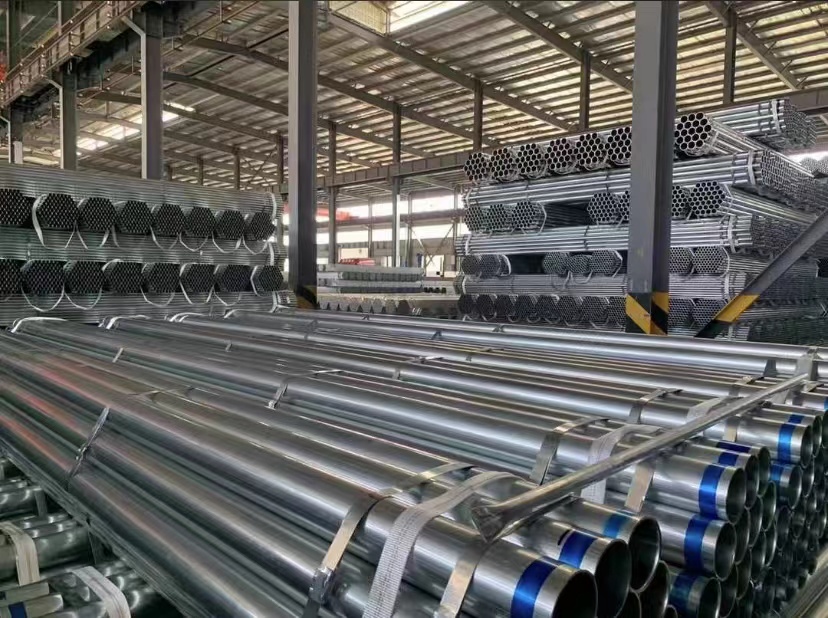
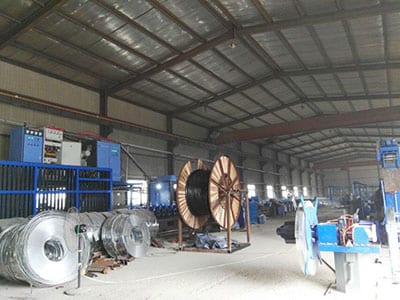
Established in 1998, Tianjin Minjie Steel Co., Ltd. operates a 70,000+ square meter facility designed to produce structural steel pipes and components for critical infrastructure projects worldwide.
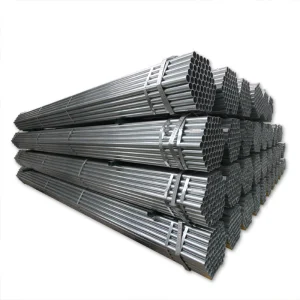
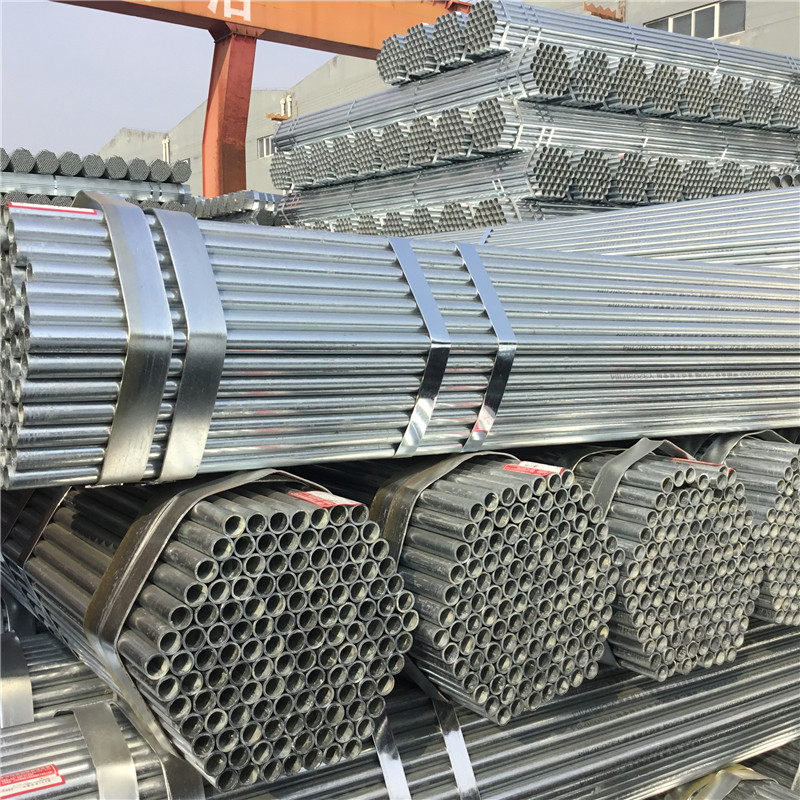
Our manufacturing equipment includes 4 pre-galvanized production lines, 8 ERW steel pipe production lines, and 3 hot-dipped galvanized process lines. This technology allows us to handle large-scale, custom orders while maintaining strict tolerances and uniform zinc coating thicknesses.
Our research and development efforts have resulted in 3 patented pipe products: grooved pipes, shoulder pipes, and victaulic coupling configurations. These systems allow pipelines to absorb structural movements and vibration, minimizing stress on the network and preventing joint failures during earthquakes.
Engineered structural steel configurations designed to perform reliably in demanding and safety-critical environments.
Supports vertical gas riser lines and HVAC systems in major urban centers. Integrated clamps and rectangular support structures isolate building movements from the gas line, preventing fractures.
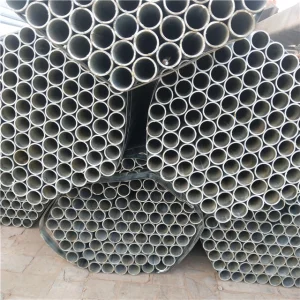
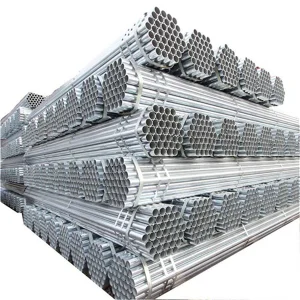
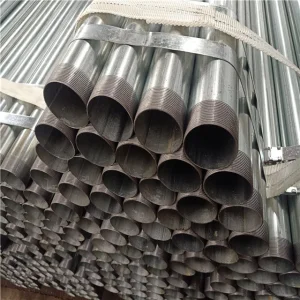
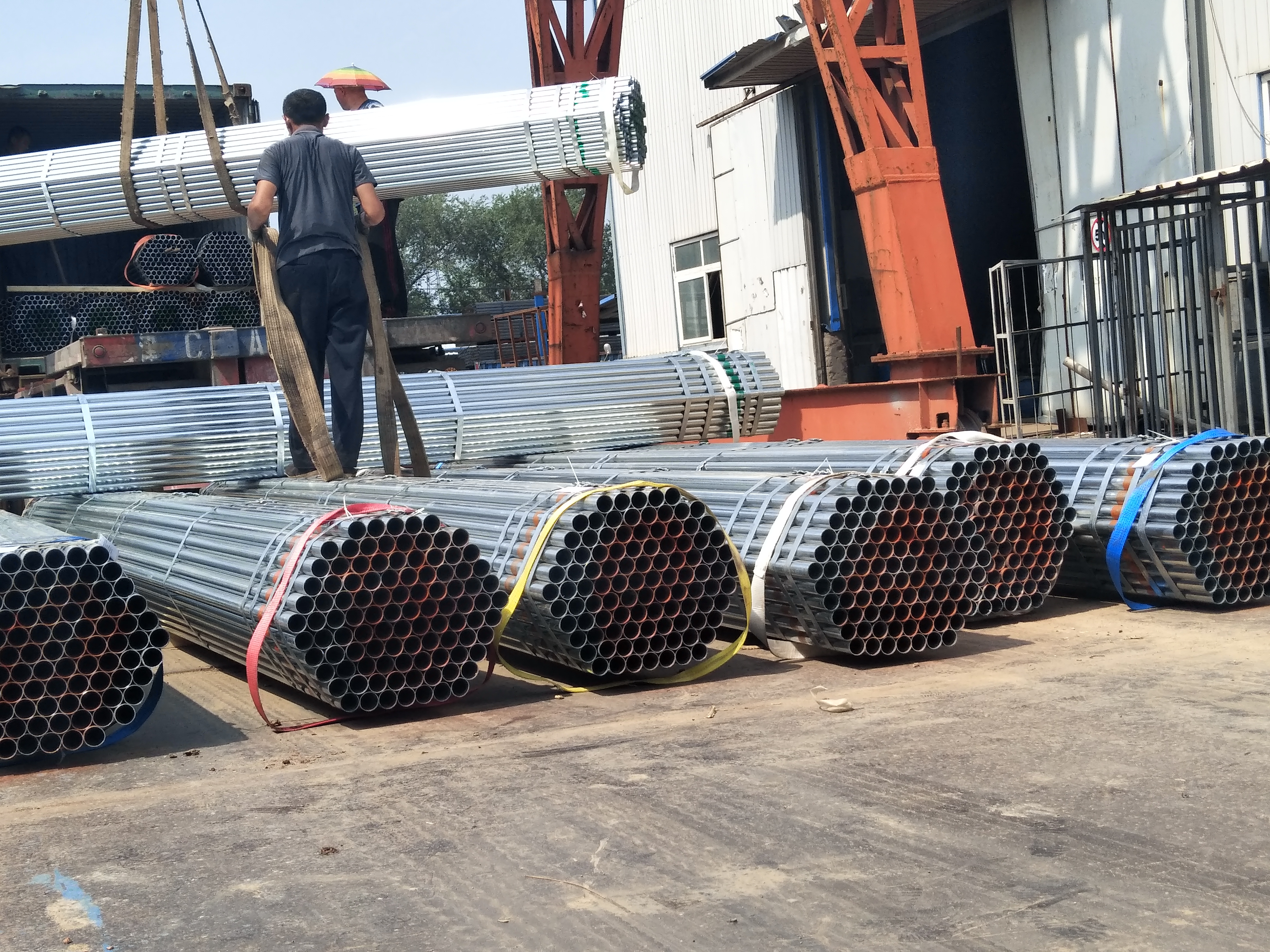
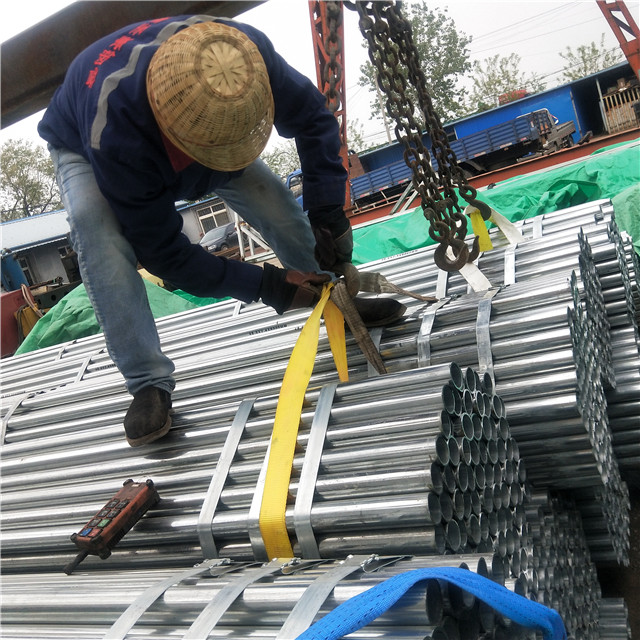
Hot-dipped galvanized carbon steel piping provides structural resistance to both corrosive chemicals and physical stresses, ensuring safe gas transport under tough operating conditions.
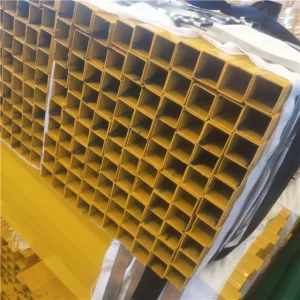
Large-scale commercial agricultural facilities rely on specialized steel framing. Standardized galvanized square sections provide structural stability against wind, snow, and seismic forces.
Demonstrated supply capacity and international client relationships established across global markets.
B2B Site Deployment: Our team visited clients in Singapore to finalize pipeline specifications. The partnership resulted in the supply of high-grade galvanized components, chosen for their dimensional precision and anti-corrosive properties.
Design Verification: Korean technical buyers visited our factory with custom designs for high-strength steel tubing. We manufactured custom-specification ERW galvanized pipes that met local safety standards for municipal gas line installations.
Factory Visit & Quality Audit: A long-term Australian client visited our facility to inspect manufacturing tolerances, testing protocols, and packaging. The successful audit secured continuing supply agreements for structural building components.
Contract Agreement: Following extensive multi-factory evaluations, an Indian engineering consortium selected us for their supply chain. They signed a contract for 10 container shipments per month of galvanized piping.
High-Volume Procurement: A Lebanese procurement agency visited our plant and finalized an order for 1,000 tons of high-grade steel pipes, shipped via Xingang Port to support regional infrastructure reconstruction.
Canton Fair Connection: Met during the Canton Fair, a Saudi construction contractor established a long-term supply agreement with us, utilizing our heavy-coated galvanized profiles for petrochemical piping support structures.
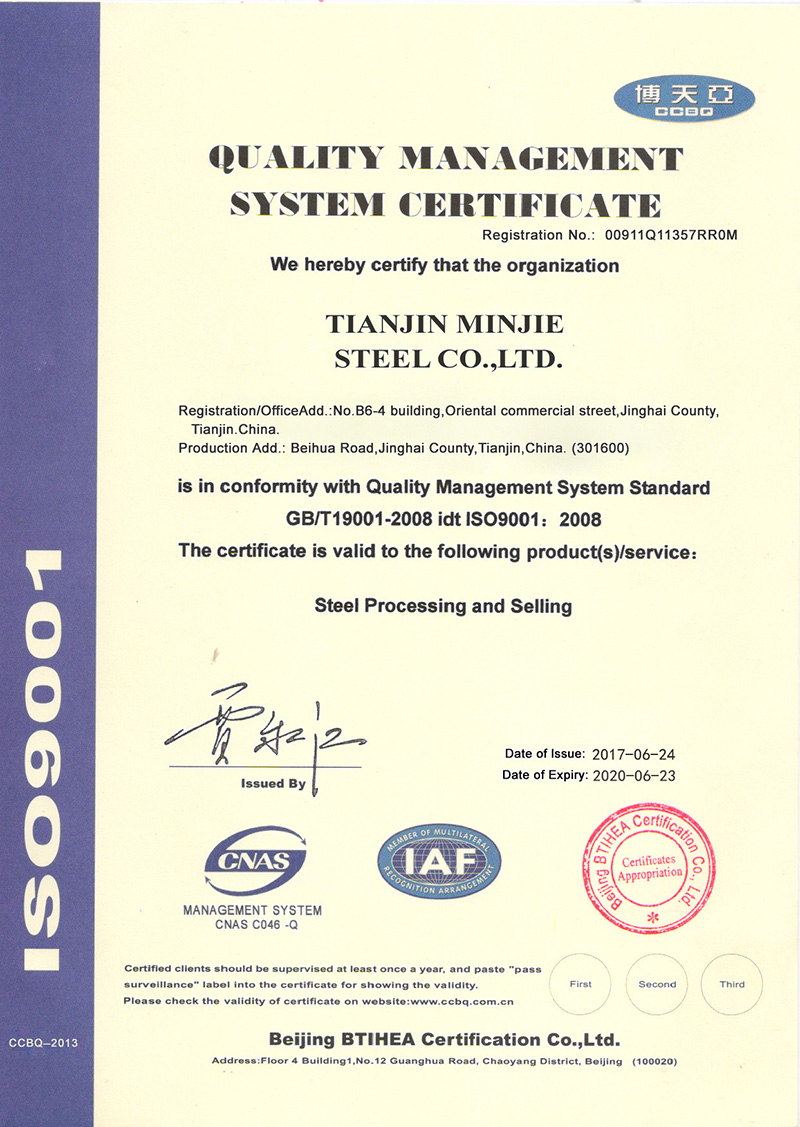
Tianjin Minjie Steel maintains a rigorous quality management system to ensure that all steel products meet performance expectations for structural safety and environmental durability.
Our manufacturing and testing procedures are certified under the ISO 9001 quality management system. In addition, our steel products conform to major international standards, including ASTM (American Society for Testing and Materials), DIN (German Institute for Standardization), JIS (Japanese Industrial Standards), and GB (Chinese National Standards).
These certifications ensure our pipes and structural components exhibit the necessary yield strength, tensile properties, and zinc coating weights required for critical utility and structural applications.
Answers to common technical and logistical questions from structural engineers and global procurement managers.
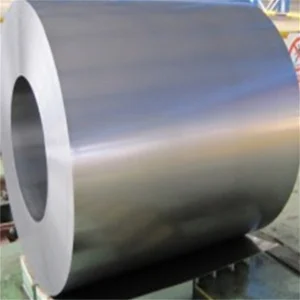
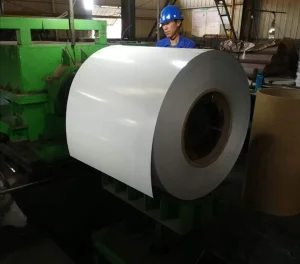
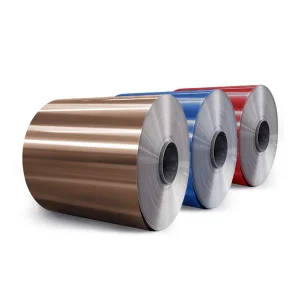
Premium hot-dipped galvanized coils, hollow section pipes, and structural profiles for engineering and construction requirements.
 Minjie Steel