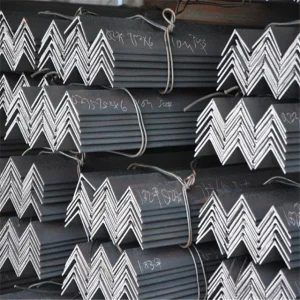
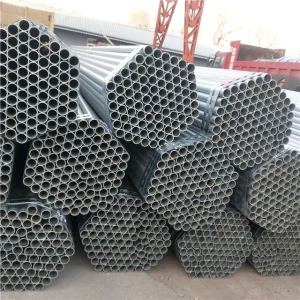
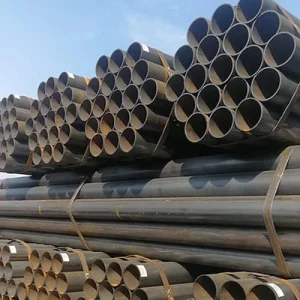
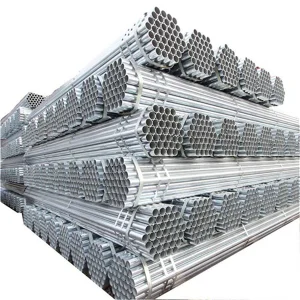
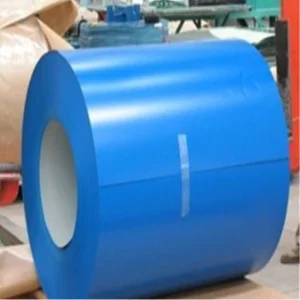
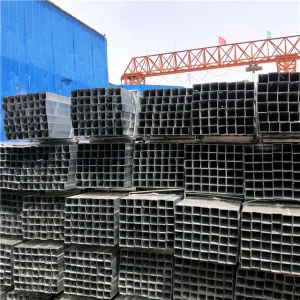
Direct supply of certified industrial steel products, structural tubes, coils, and building systems engineered for heavy load performance.
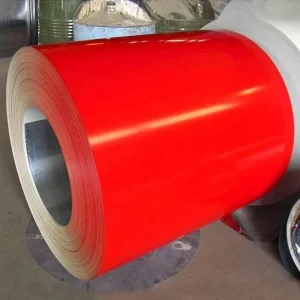
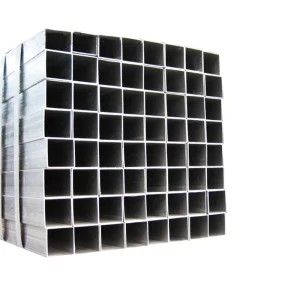
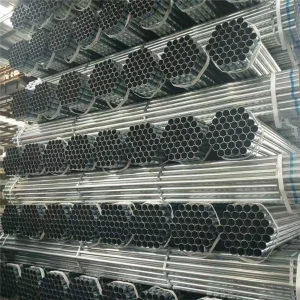
A comprehensive overview of mechanical attributes, chemical properties, and structural parameters defining high-strength D32 grade plates.
Steel Plate D32 is recognized as a high-strength structural steel primarily tailored for shipbuilding and marine engineering. The designation "D" represents the toughness grade, showing that the steel has undergone Charpy V-notch impact testing at -20°C to ensure structural safety in cold and harsh oceanic conditions. The number "32" designates its minimum yield strength of 315 MPa.
Metallurgically, the microstructure of D32 steel is refined through Thermomechanical Controlled Processing (TMCP) or Normalizing. By precisely managing the heating, rolling deformation, and cooling rates, manufacturers can ensure a fine ferrite-pearlite grain structure. This refinement ensures that the plate offers high strength, excellent weldability, and low-temperature impact toughness, preventing catastrophic brittle fractures under extreme stress.
Our D32 steel plates are manufactured strictly under classification society rules (such as CCS, DNV, ABS, LR, GL, BV, KR, NK, and RINA). We maintain a low carbon equivalent (Ceq) to facilitate straightforward weldability without the absolute necessity for pre-heating in standard atmospheric conditions, drastically reducing shipyard labor costs.
| Element / Property | D32 Specification Value | Testing Method |
|---|---|---|
| Carbon (C) Max | 0.18 % | Ladle Analysis | Manganese (Mn) | 0.90 - 1.60 % | Spectrophotometric |
| Silicon (Si) Max | 0.10 - 0.50 % | ASTM E1019 |
| Yield Strength (Min) | 315 MPa | Tensile Test (Transverse) |
| Tensile Strength | 440 - 570 MPa | ISO 6892-1 |
| Impact Energy (Min) | 31 Joules at -20°C | Charpy V-Notch (Longitudinal) |
Pioneering metallurgical evolutions for structural durability, low emissions, and marine performance.
We are transitioning our steel melting towards Electric Arc Furnaces (EAF) powered by renewable energy. This reduces the carbon footprint per ton of D32 plate by up to 40%, aligning with international green maritime regulations.
Future iterations of D32 feature trace additions of Copper (Cu), Chromium (Cr), and Nickel (Ni) to enhance resistance against marine atmospheric and seawater splash-zone corrosion, minimizing maintenance cycles.
By leveraging advanced rolling mills, we can supply D32 plates ranging from ultra-thin sheets (for superstructures) up to extra-heavy plates (up to 150mm thickness for structural offshore foundations) with uniform internal properties.
Translating metallurgical superiority into engineering excellence across global marine and infrastructure sectors.
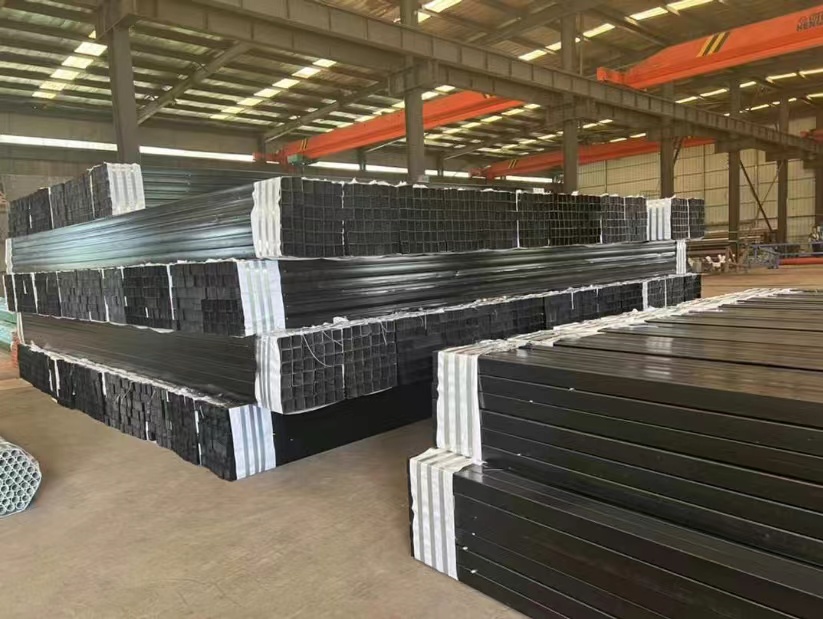
Steel Plate D32 is the backbone of modern commercial hulls. Applied extensively in deck plates, bottom plating, and sheer strakes of bulk carriers, container ships, and oil tankers, it handles structural flexing under dynamic wave loading.
Offshore wind platforms, jacket structures, and semi-submersible rigs rely on D32's fatigue resistance. The grade maintains high ductility at low temperatures, making it safe for Arctic shipping channels and sub-zero offshore oil exploration.
For high-rise steel buildings, heavy structural pilings, and highway bridge supports, D32 provides an optimized balance of strength and weldability, allowing contractors to minimize structural dead weight without sacrificing loading capacities.
Ensuring cross-border compliance through rigorous classification, testing, and logistical networks.
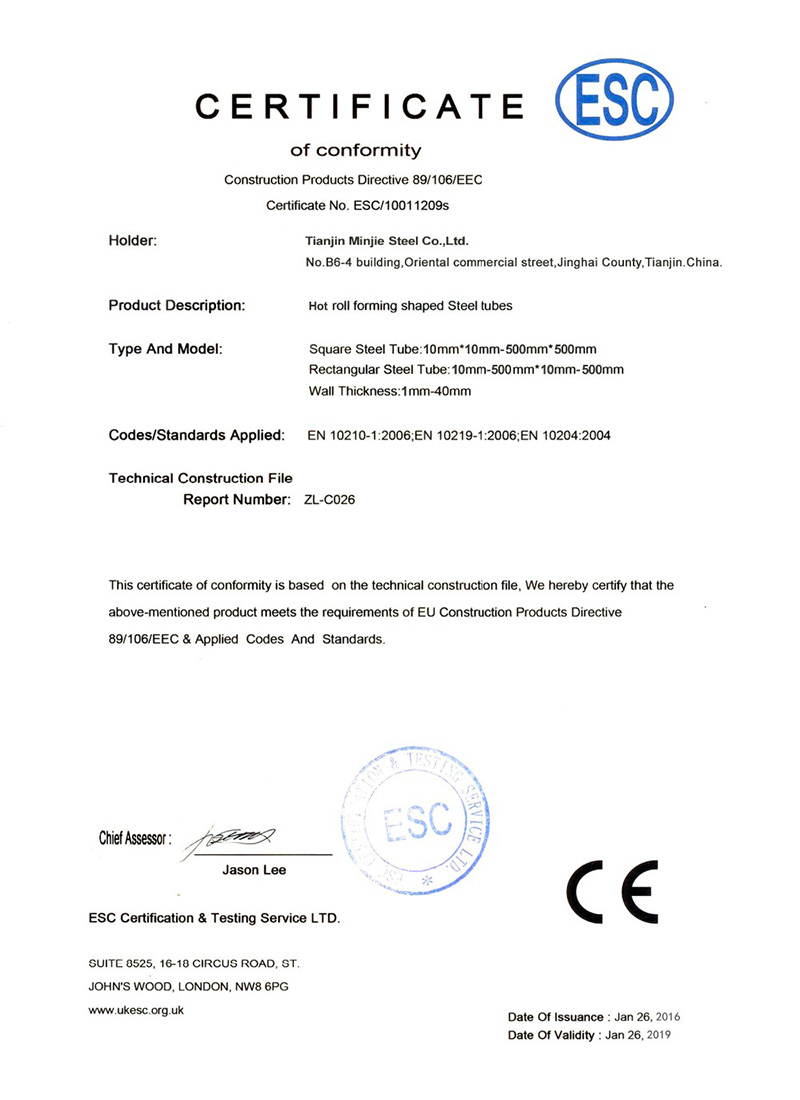
Procuring steel internationally demands rigorous conformity. Our Steel Plate D32 complies fully with the International Association of Classification Societies (IACS) requirements. We systematically verify and deliver EN 10204 3.1 Mill Test Certificates (MTC) and can organize third-party inspection (TPI) services via SGS, BV, or Lloyds Register (EN 10204 3.2 MTC).
Combining technological integration with logistics to deliver reliable industrial steel supply.
Located in the heart of China’s steelmaking hub, Tianjin Minjie Steel Co., Ltd. operates state-of-the-art facilities designed for productivity. Our location—only 40 kilometers from XinGang Port, the largest commercial port in Northern China—allows us to minimize inland transportation times and costs, passing the savings directly to our global clientele.
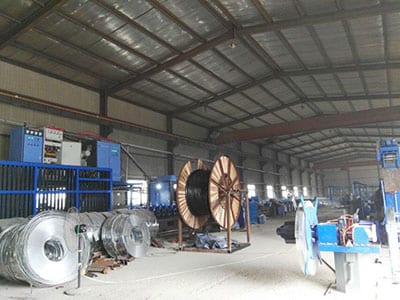
Our Factory 4.0 strategy integrates automated ERP scheduling with automated production lines, ensuring raw materials are tracked from slab heating to final inspection. Our facility houses 4 pre-galvanized product lines, 8 ERW steel pipe product lines, and 3 hot-dipped galvanized process lines. This technological setup ensures we can fulfill high-volume orders reliably, maintaining our annual output above 300,000 tons of high-grade steel products.
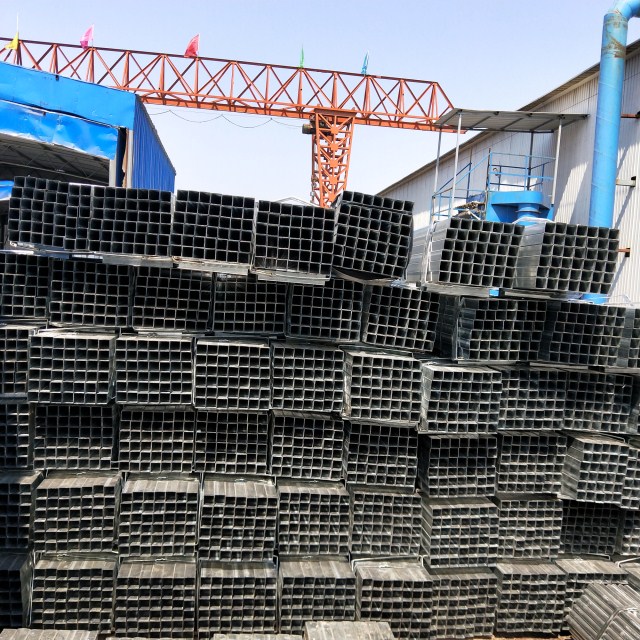
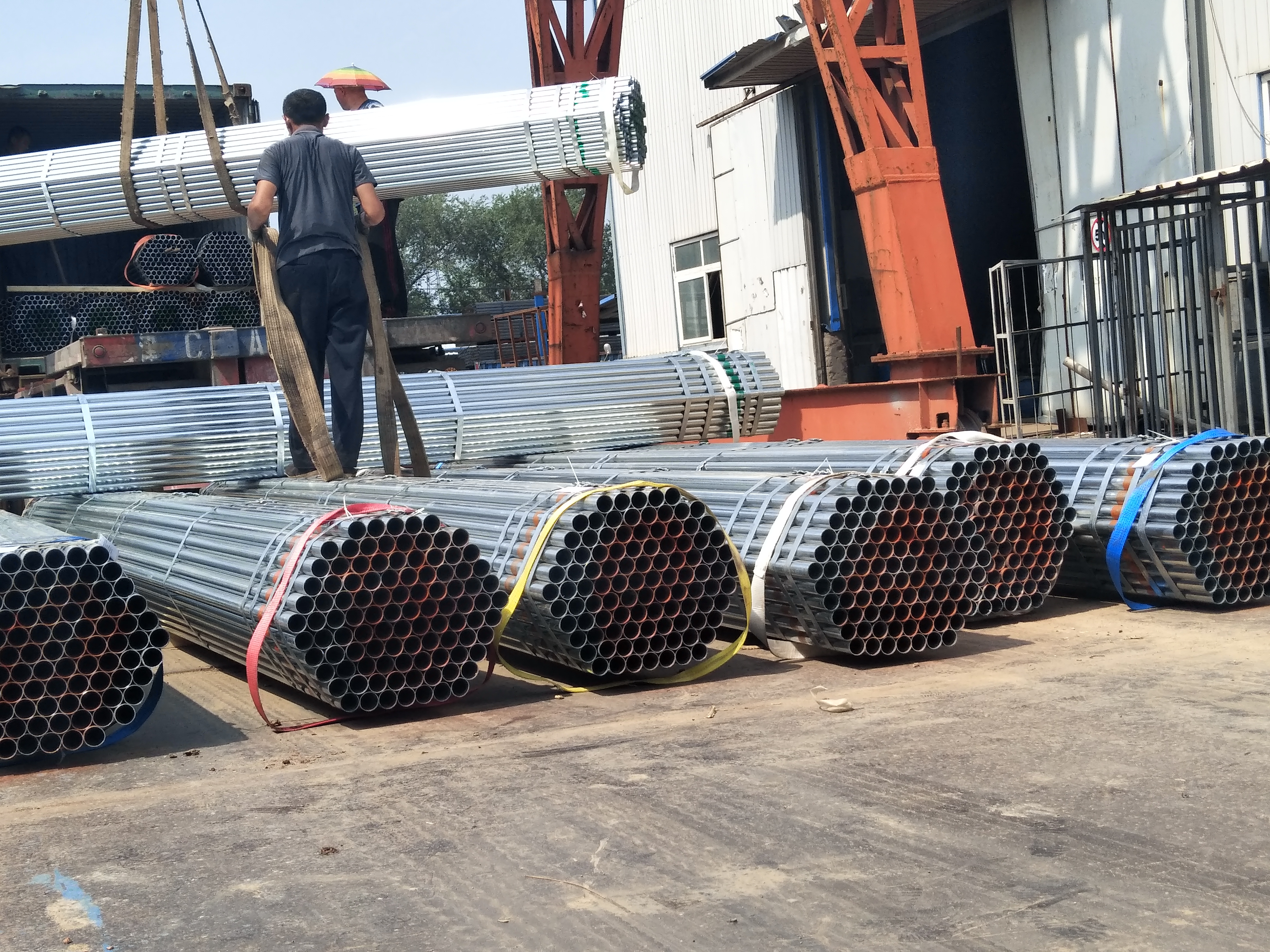
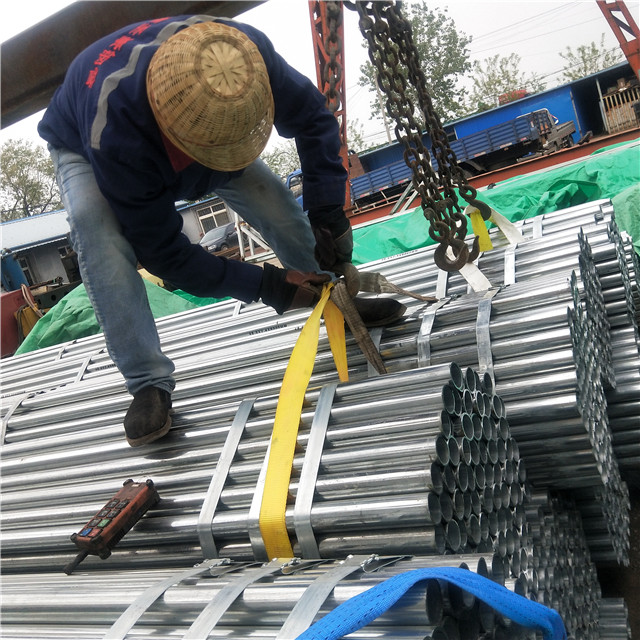
Critical engineering considerations before final contract signing for procurement managers and EPC buyers.
Standard ocean structural components demand narrow tolerances. Ensure you declare Class A, B, or C thickness tolerances (EN 10029) to match your calculations. Class B (+0.3mm to -0.3mm depending on nominal thickness) is recommended for hull plating.
Confirm the testing temperature matches Grade D requirements (-20°C). If your operations occur in arctic waters, verify if DH32 or E32/EH32 is required to achieve safety margins down to -40°C.
For joints under high thickness-direction stress, request Z-direction testing (Z15, Z25, Z35) to prevent lamellar tearing during heavy weld shrinkage.
Ultrasonic Testing (UT) per ASTM A435 or ASTM A578 (Level A/B) should be performed on critical stress plates to ensure there are no internal delaminations or gas voids.
During TMCP rolling, control parameters must prevent deep surface decarburization, ensuring the plate surface retains hardness and resists mechanical wear.
A trusted manufacturing partner delivering high-strength steel and structural piping globally since 1998.
Established in 1998, Tianjin Minjie Steel Co., Ltd. has grown into a leading manufacturer and exporter of structural steel and piping systems. Spanning over 70,000 square meters, our facilities are located in close proximity to the port of Tianjin, providing a geographical advantage for rapid global shipping.
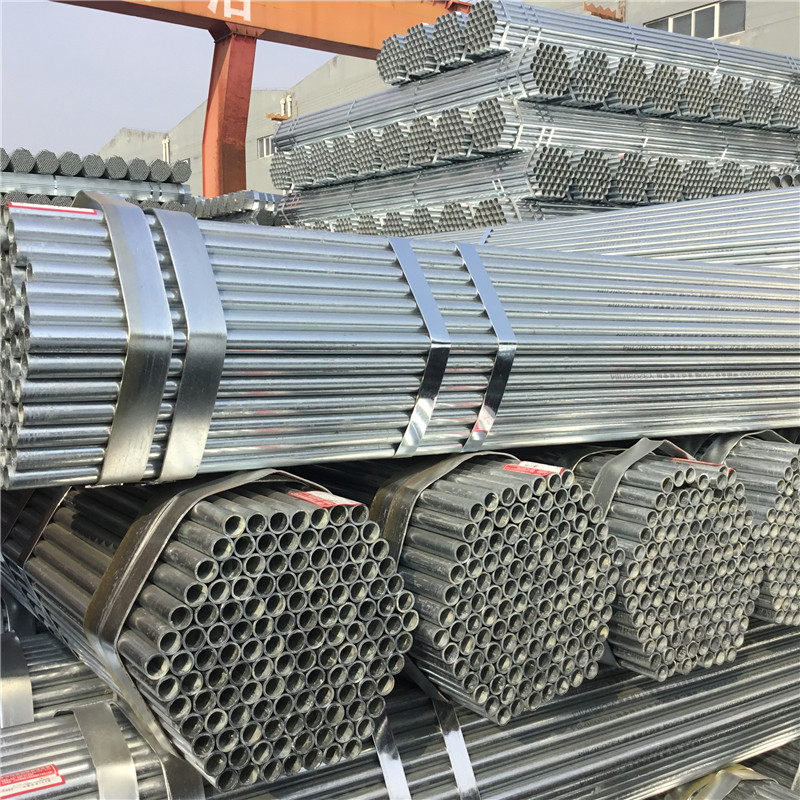
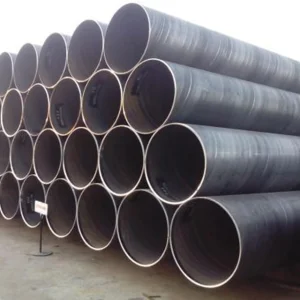
Our catalog features pre-galvanized steel pipe, hot-dip galvanized pipe, welded steel pipe, square and rectangular structural tubing, equal angle bars, and modular scaffolding. We hold 3 technology patents (groove pipe, shoulder pipe, and victaulic pipe), highlighting our commitment to continuous research and development.
Every product undergoes strict inspection routines to comply with GB, ASTM, DIN, and JIS parameters, backed by our ISO 9001 quality management certification. Over more than two decades, we have partnered with major construction, manufacturing, and distribution firms globally, providing technical advice and custom manufacturing.
We host international purchasing delegations, fostering long-term relationships through transparency and on-site factory verification.
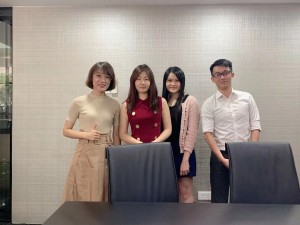
In September 2019, our sales and engineering team visited key clients in Singapore to finalize procurement contracts for offshore marine structure upgrades.
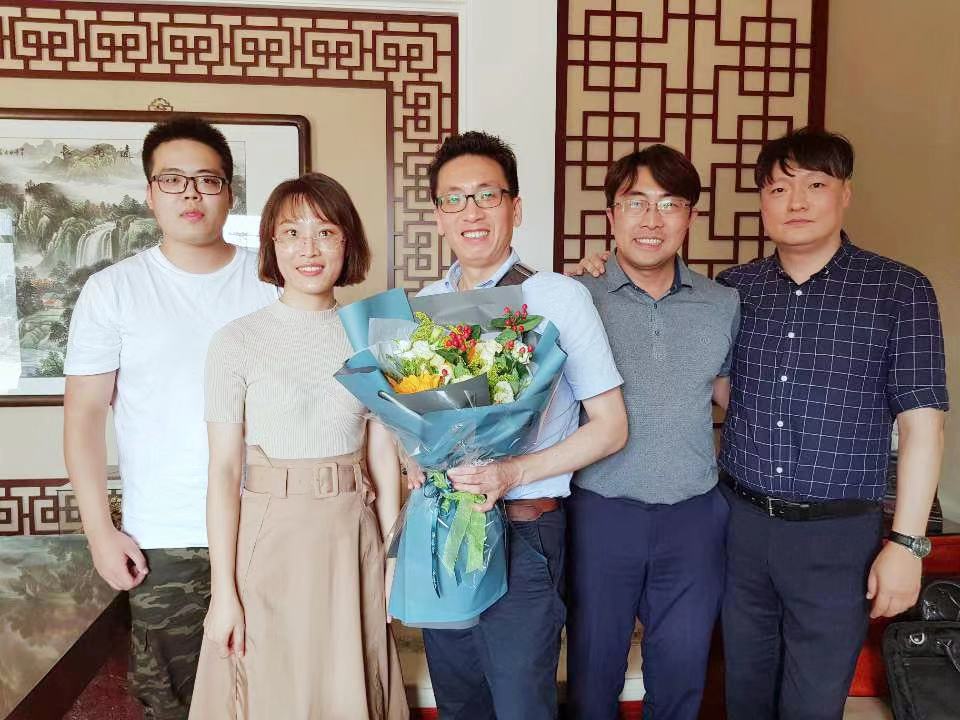
In 2019, our Korean partners visited our Tianjin rolling mills, collaborating on customized piping profiles for modular industrial equipment.

Our long-term Australian partners returned in late 2018 to review production standards, verifying our compliance with AS/NZS specifications.

In 2019, a prominent engineering group from India inspected our structural piping lines, establishing a recurring monthly supply agreement.
A Lebanese engineering firm toured our pipe production workshop in 2017, confirming a high-grade 1,000-ton structural pipe contract.
Following initial technical discussions at the Canton Fair, our Saudi Arabian clients visited our factory in 2018 to coordinate structural steel exports.
Detailed technical answers addressing standard inquiries from engineers, buyers, and structural consultants.
The primary difference lies in the testing temperature for low-temperature impact toughness. Grade A32 steel plate is subjected to impact testing at 20°C (standard ambient temperature). In contrast, D32 is tested at -20°C. This makes D32 suitable for colder operating environments, offshore installations, and structural applications exposed to sub-zero temperatures, providing resistance to brittle failure.
D32 is standardized across major global classification societies. Equivalents include ABS DH32 (American Bureau of Shipping), DNV-GL DH32 (Det Norske Veritas), LR DH32 (Lloyd's Register), and ASTM A131 Grade DH32. They share the same minimum yield strength requirement of 315 MPa and Charpy impact testing at -20°C.
Thermomechanical Controlled Processing (TMCP) is preferred because it achieves high strength and excellent low-temperature impact properties with lower carbon levels compared to traditional normalizing. This reduces the Carbon Equivalent (Ceq) of the steel, significantly improving weldability and eliminating the need for preheating during shipyard welding processes.
Every batch of our high-strength D32 structural steel plate is shipped with a Mill Test Certificate (MTC) conforming to EN 10204 3.1. It details the ladle chemical analysis, tensile testing, elongation, and Charpy V-notch impact energy values, alongside validation from the designated classification society (such as CCS or DNV).
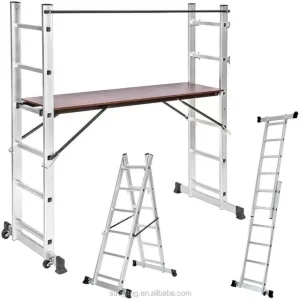
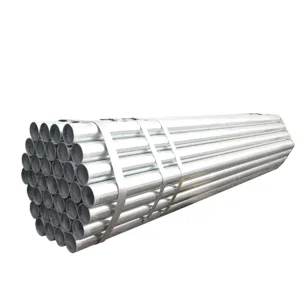
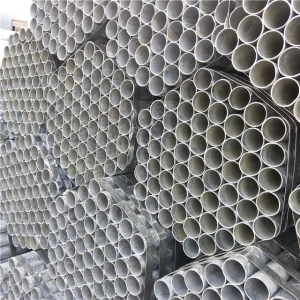
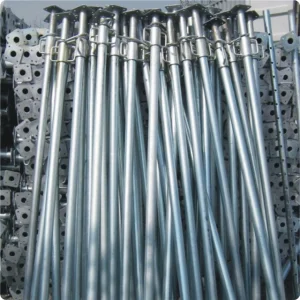
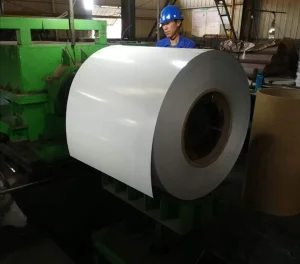
Providing essential components, including structural profiles, scaffolding, and carbon pipes, to support marine and civil construction projects.
 Minjie Steel