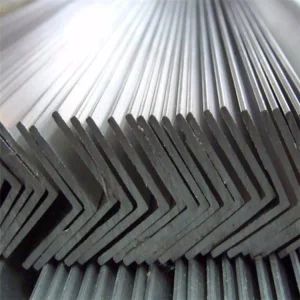
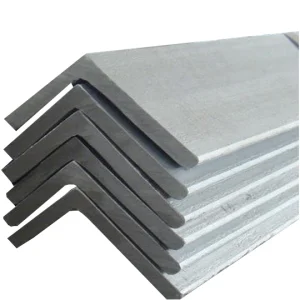
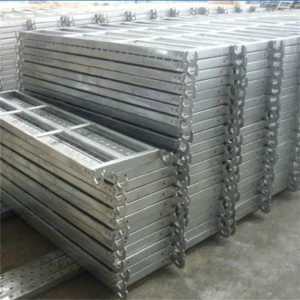
Premium hot-rolled structural elements, scaffolding, and foundational items sourced directly from our ISO-certified production lines.
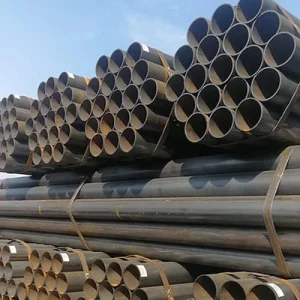
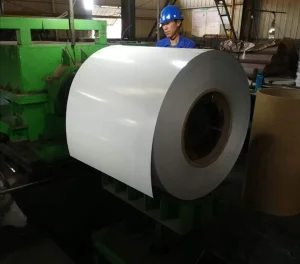
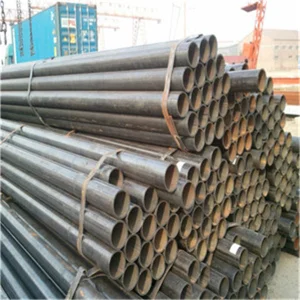
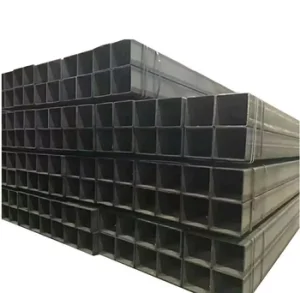
In modern structural and marine engineering, the selection of retaining systems directly dictates the safety, durability, and cost-efficiency of major infrastructure projects. Steel sheet piles are structural elements with interlocking joints driven into the ground to provide continuous earth retention and water-tight containment. They are widely utilized in critical civil projects including cofferdams, port extensions, sea defenses, and subway shaft construction.
As global urbanization accelerates, subterranean construction requires systems capable of resisting lateral earth pressures and hydrogeological stresses. Heavy steel sheet piles manufactured in China deliver high performance. By utilizing high-yield alloys and optimizing cross-sectional geometry, manufacturers supply structural solutions that balance material weight with structural resistance.
From deep-water cofferdams to high-load retaining walls in marine ports, steel sheet piles provide structural integrity under extreme axial and lateral loads.
Year Established
Factory Area
Annual Production Capacity
Distance to Tianjin Xingang Port
We supply a comprehensive portfolio of U-type and Z-type profiles, alongside flat web sheet piles. This wide availability allows engineers to select the optimum section modulus to match design requirements and soil conditions.
Our Larssen-style interlocking systems are precision-engineered to form a seal that resists soil seepage. When injected with specialized sealant, they can be deployed for water-exclusion zones and containment walls.
Unlike concrete retaining structures, steel sheet piles are highly recyclable. They can be extracted and reused multiple times in temporary retaining systems, aligning structural engineering with green construction principles.
Comprehensive analytical data comparing structural grades, shapes, and dimension tolerances for global civil engineering execution.
Selecting the appropriate profile depends on target structural values, including the section modulus (W) and the moment of inertia (I). These factors determine the wall's resistance to bending under external soil and water loading. Hot-rolled profiles are preferred for high-stress, permanent installations because their interlocks are reinforced during manufacturing. Cold-formed sheet piles offer a cost-effective alternative for shallow excavations and civil works where load requirements are moderate.
| Profile Type | Common Standard | Steel Grade | Yield Strength (MPa) | Key Performance Features |
|---|---|---|---|---|
| U-Type Piles | EN 10248-1 / JIS A5523 | S355GP / SY295 / Q355B | ≥ 355 / ≥ 295 | Excellent reusability, symmetry makes it easy to install, high structural integrity. |
| Z-Type Piles | EN 10248 / ASTM A572 | S390GP / Gr. 50 / Q420 | ≥ 390 / ≥ 345 | Optimal ratio of section modulus to weight, neutral axis is positioned to maximize stiffness. |
| Flat Web Piles | ASTM A328 | S275GP / SY390 | ≥ 275 / ≥ 390 | Specifically designed for circular cell structures, high interlock tensile strength. |
| Box Piles (Combined) | EN 10248 / Customized | S430GP / Q460 | ≥ 430 / ≥ 460 | Highest moment of inertia, designed for deep harbor berths and ultra-deep soil retaining. |
Expert Engineering Insight: Z-shaped sheet piles position the interlocks on the outer fiber of the pile, which optimizes shear force transfer and yields a high section modulus per unit weight.
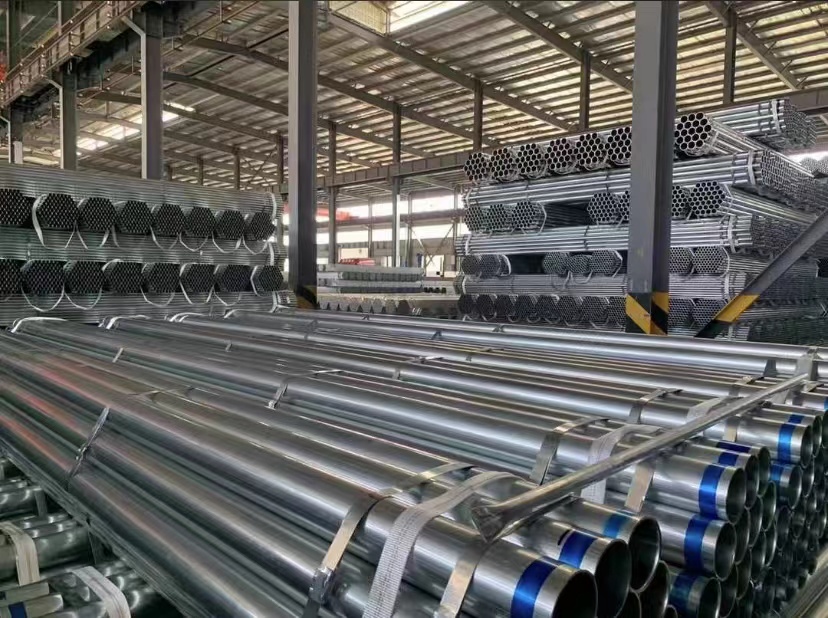
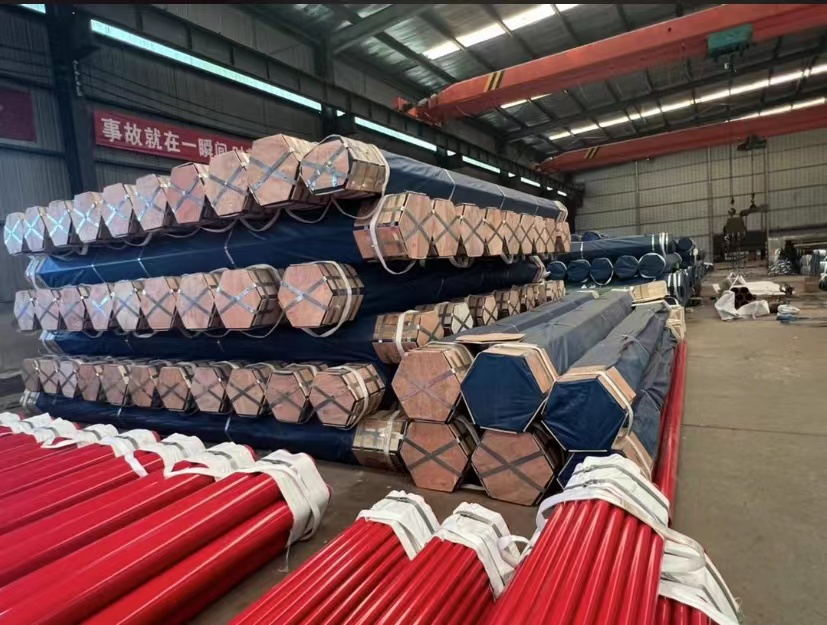
Tianjin Minjie Steel Co., Ltd. has developed structural steel logistics networks to ship our sheet piles and associated materials worldwide. Operating close to XinGang Port (Tianjin), the largest seaport in Northern China, we handle sea freight logistics to minimize dispatch times.
We provide local technical and engineering support to ensure compliance with regional building codes (e.g., European EN, American ASTM, Australian AS/NZS). Our engineers assist in matching structural steel requirements with appropriate materials, streamlining compliance processes for contractors.
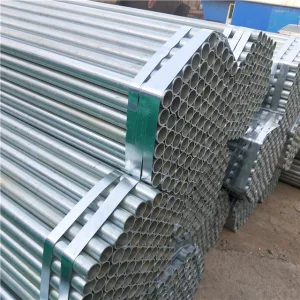
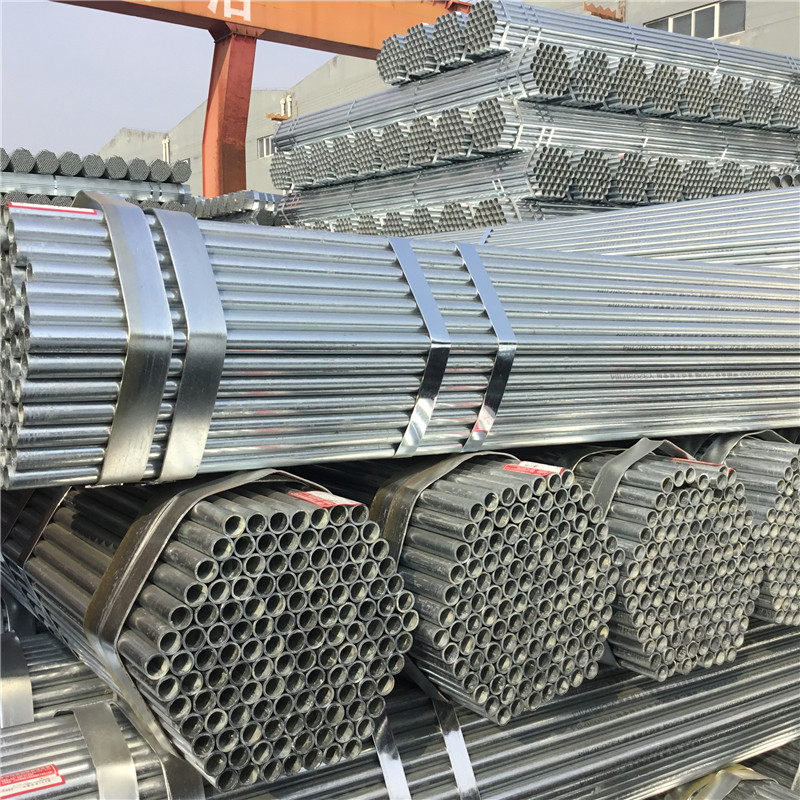
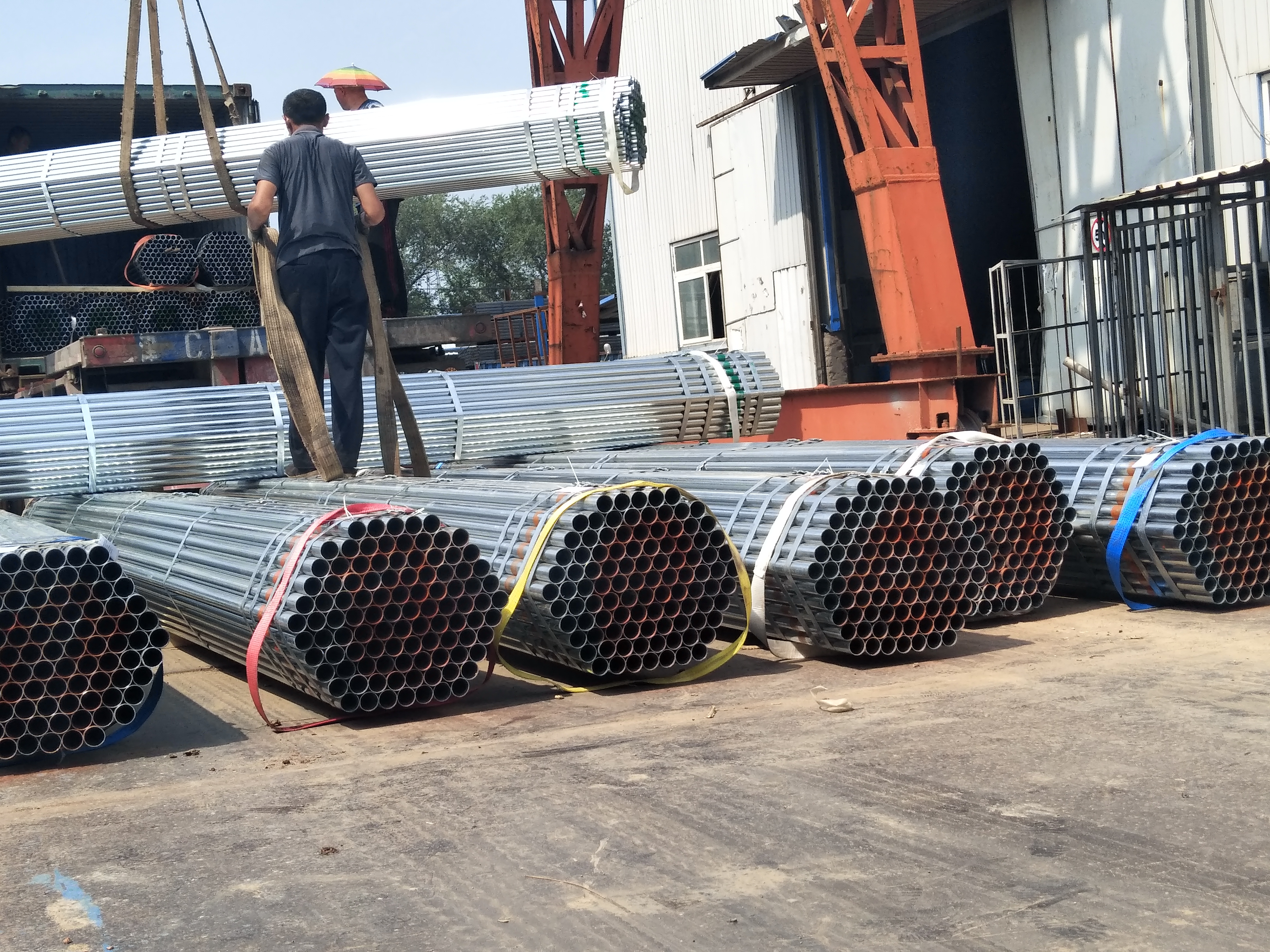
Founded in 1998, Tianjin Minjie Steel operates four pre-galvanized lines, eight ERW steel pipe lines, and three hot-dip galvanized process lines. We continuously optimize our fabrication equipment to achieve straightness tolerances, precise interlock shapes, and uniform wall thickness across all batches.
Our quality management program is certified to ISO9001. In addition to standard structural sheet piles, we hold three product patents covering specialty pipes: groove pipe, shoulder pipe, and victaulic pipe. These custom piping systems are designed for high-pressure fluid conveyance, deep-excavation dewatering, and ground-water management systems.
Integrated Dewatering Support: Combining patented piping with sheet pile retaining walls allows contractors to manage groundwater levels in a single system.
Direct technical answers from our engineering division regarding design parameters, installation methods, and durability.
Hot-rolled sheet piles are manufactured at elevated temperatures. The steel is shaped and the interlocks are formed simultaneously, producing tight, robust connections. This manufacturing technique results in strong, tight connections, making them suitable for hard ground driving and permanent cofferdam designs where water exclusion is critical. Cold-formed sheet piles are rolled from steel sheets at ambient temperature. While they offer comparable section modulus values at a lower weight, their interlocks are looser, making them ideal for temporary shoring and lower-water-pressure excavations.
Saline environments accelerate atmospheric and electrochemical corrosion. The rate of steel corrosion is highest in the splash zone, where moisture and oxygen levels are both high. To extend service life, we recommend applying organic coatings (such as coal tar epoxy or glass flake coatings) to the exposed areas. Alternatively, increasing the corrosion allowance (the thickness of the steel section) or installing sacrificial anodes (cathodic protection) can protect the structure.
Z-type sheet piles have their interlocks located on the outer fibers of the cross-section. This design places the material further from the neutral axis, maximizing the section modulus and moment of inertia. U-type sheet piles have the interlocks situated directly on the neutral axis, which can lead to shear transmission loss across the interlock. Consequently, Z-piles provide higher bending resistance per unit weight, reducing overall material costs.
Vibratory hammers and impact pile drivers can cause noise and ground vibrations that may affect nearby foundations in urban settings. For these locations, hydraulic pile jacking is recommended. This method presses the piles into the ground using quiet, static force. If hard clay or rock layers are present, pre-drilling or water jetting can be used to loosen the soil before pressing.
Every production batch is supplied with an EN 10204 3.1 Mill Test Certificate (MTC). The MTC records the chemical composition (carbon equivalent values) and mechanical performance metrics (yield point, tensile limits, elongation rate, Charpy V-notch energy levels). This ensures compliance with structural standards and project specifications.
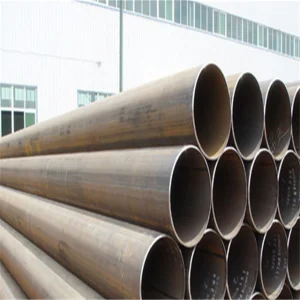
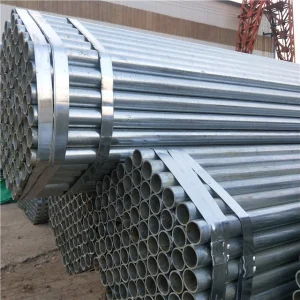
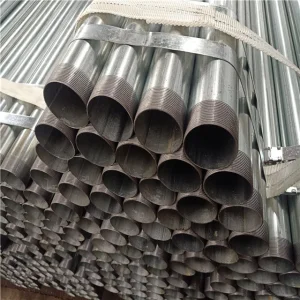
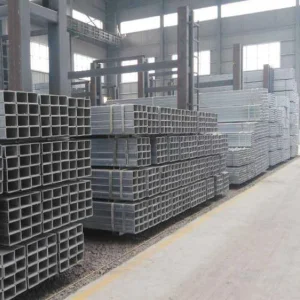
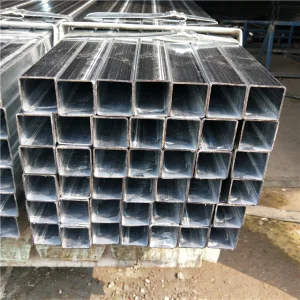
Premium structural tubing, hollow sections, prepainted steel sheets, and accessories to support global engineering projects.
 Minjie Steel