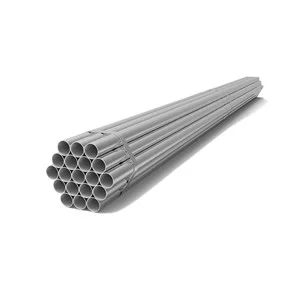
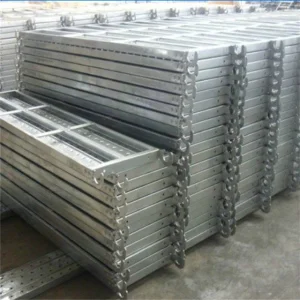
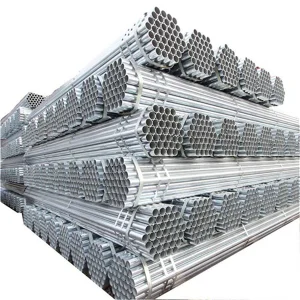
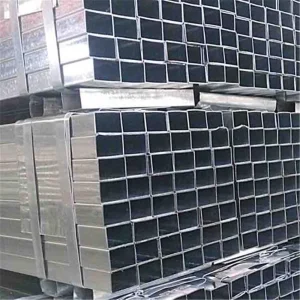
Select industrial-grade carbon steel pipes and building products manufactured under ISO 9001 and global metallurgical standards.
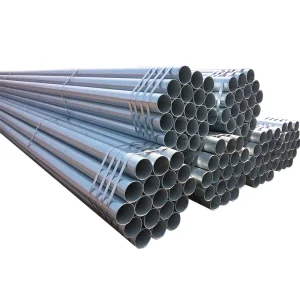
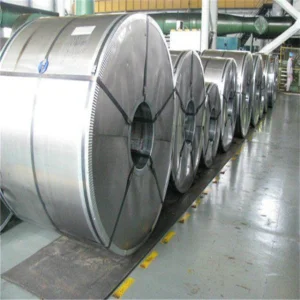
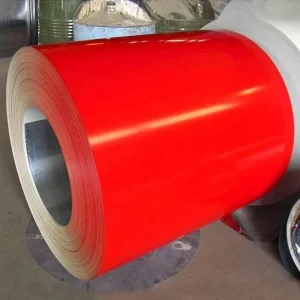
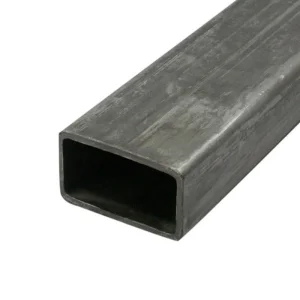
Established in 1998, Tianjin Minjie Steel Co., Ltd. has developed into a premier global enterprise for raw carbon steel materials, specialized draw wires, and structural tubing systems. Operating from a highly modernized facility exceeding 70,000 square meters, our operational center is strategically located just 40 kilometers from XinGang Port—the primary shipping and maritime logistics gateway in northern China.
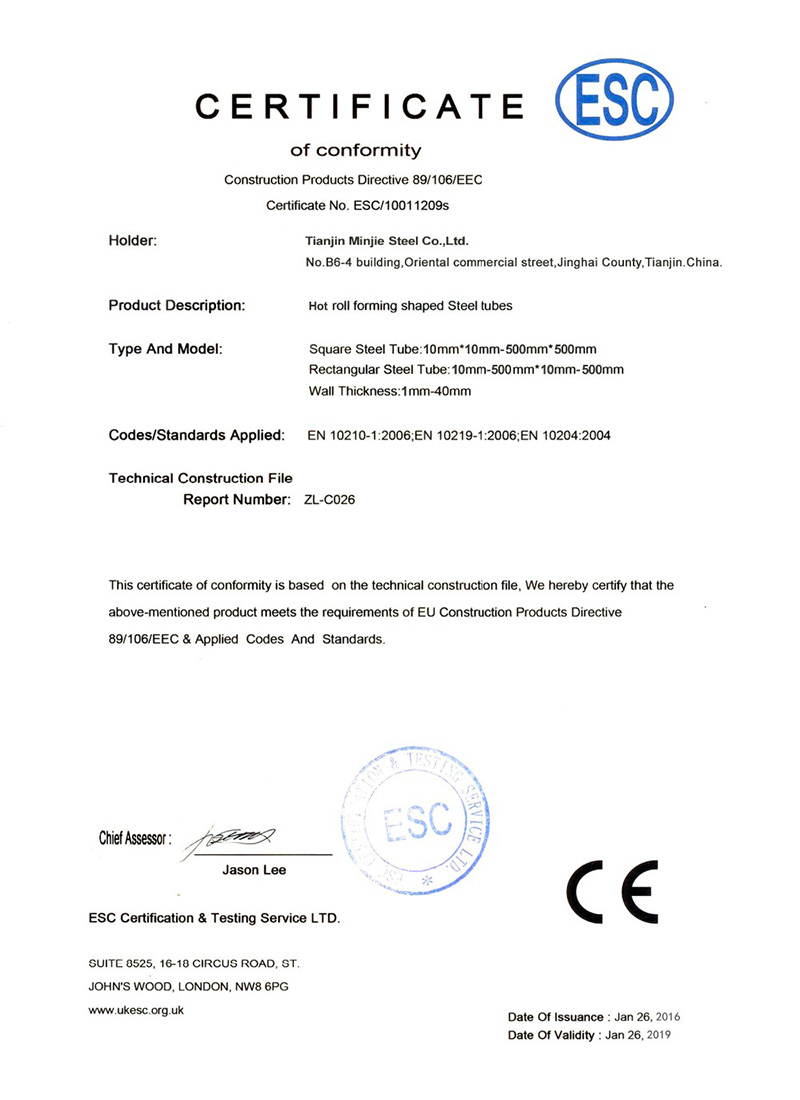
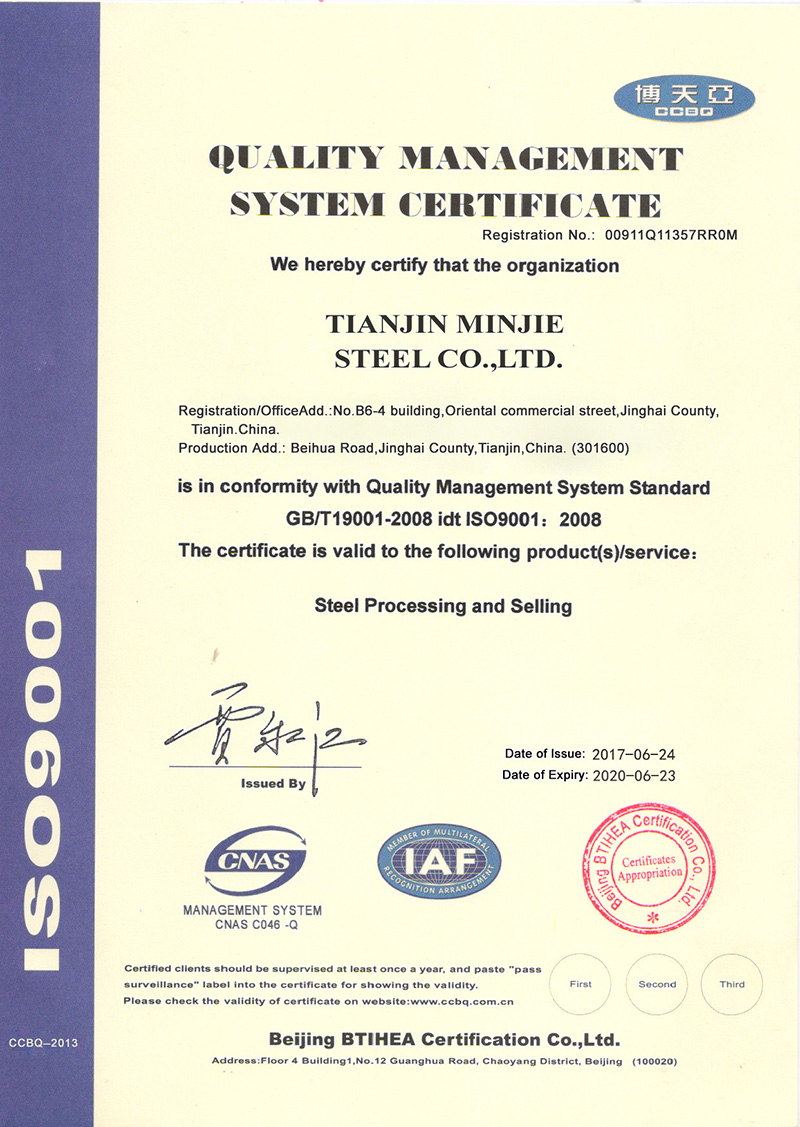
We run a highly integrated production matrix containing four specialized pre-galvanizing lines, eight High-Frequency Electric Resistance Welded (ERW) pipe mills, and three hot-dip galvanizing lines. All processing methodologies comply meticulously with ASTM, DIN, JIS, and GB standards, securing an ISO 9001 quality system certification. By maintaining total vertical control over raw material procurement and drawing processes, we eliminate mid-tier markup costs and ensure absolute chemical uniformity.
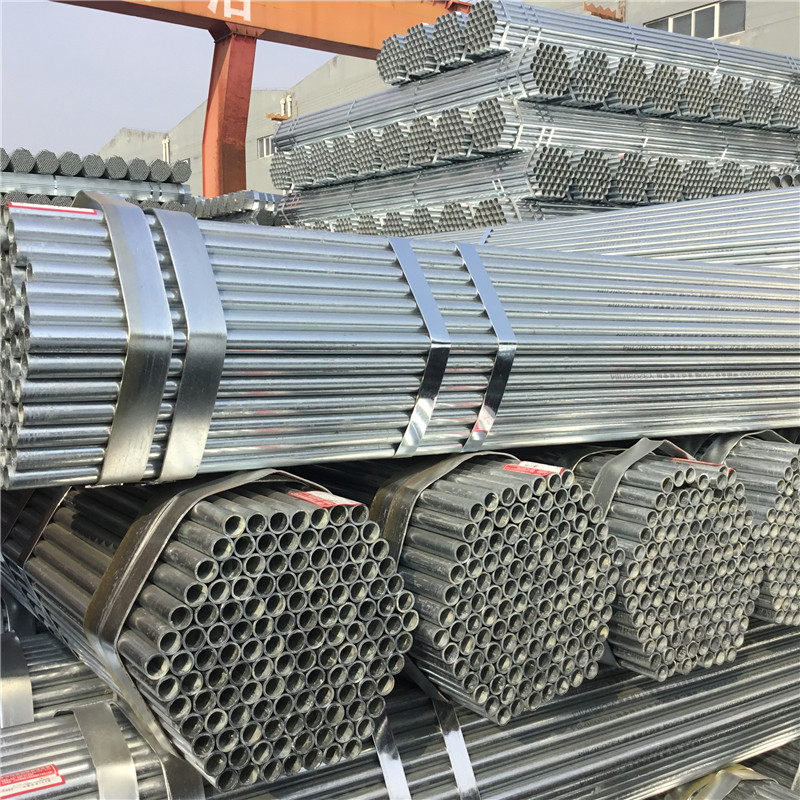
Understanding chemical compounds, heat treatment phases, and cold drawing processes is essential for specifying the correct raw material profile.
Containing carbon content below 0.25% (such as Q195 and Q235 grades), low carbon steel wire exhibits outstanding ductility, excellent weldability, and superior formability. It is widely drawn into fencing wire, scaffolding wire, and general-purpose binding wire. The tensile strength typically ranges from 350 to 550 MPa.
Engineered with carbon concentrations ranging from 0.30% to 0.85%, these wires are subjected to strict patenting heat treatments. The resulting pearlitic microstructures handle heavy mechanical stress. High carbon wire rods are drawn to produce pre-stressed concrete wire, springs, and mechanical cables, exhibiting tensile strengths exceeding 1500 MPa.
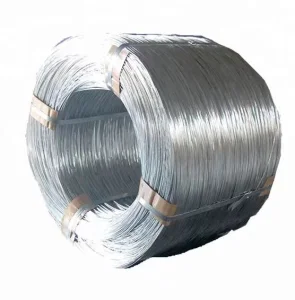
To combat oxidization, wires undergo hot-dip galvanization or electro-galvanization. Our specialized hot-dip lines achieve zinc coating weights of up to 275 g/m² (matching Z275 criteria). The metallurgical zinc-iron alloy layer ensures long-term resistance to moisture and industrial atmospheres.
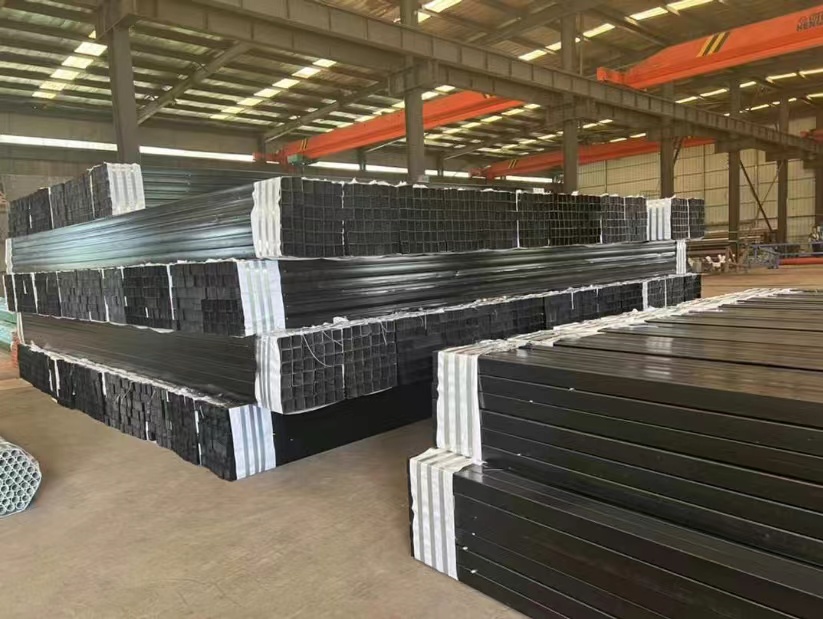
The Chinese carbon steel industry operates within dense industrial clusters that aggregate raw iron ore processing, alloy fabrication, custom wire drawing, and surface coating processes into single regions. This close integration minimizes intermediate shipping costs, resulting in competitive pricing per metric ton.
Located close to XinGang Port, Tianjin Minjie Steel coordinates rapid maritime shipping schedules. This geographic location reduces domestic transit costs, protects wire coils from moisture exposure during long inland transit, and ensures short lead times for international projects.
A visual overview of our continuous production lines, quality control stations, and our annual participation in the Canton Fair.
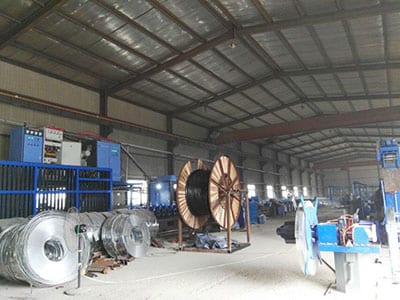
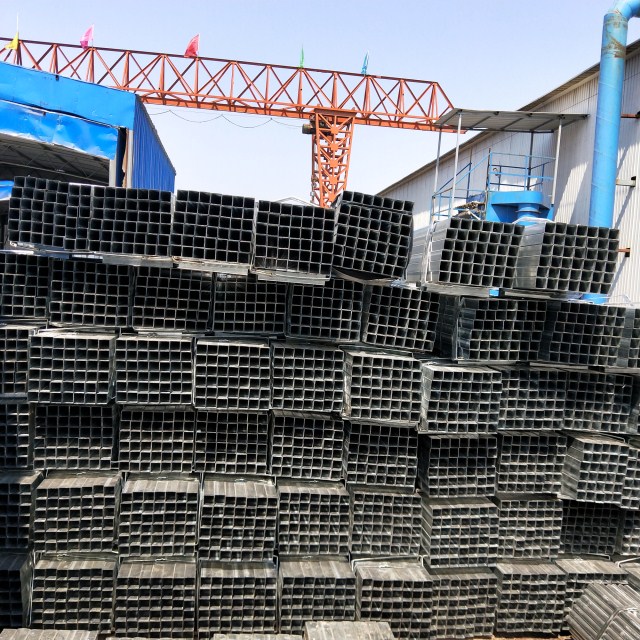
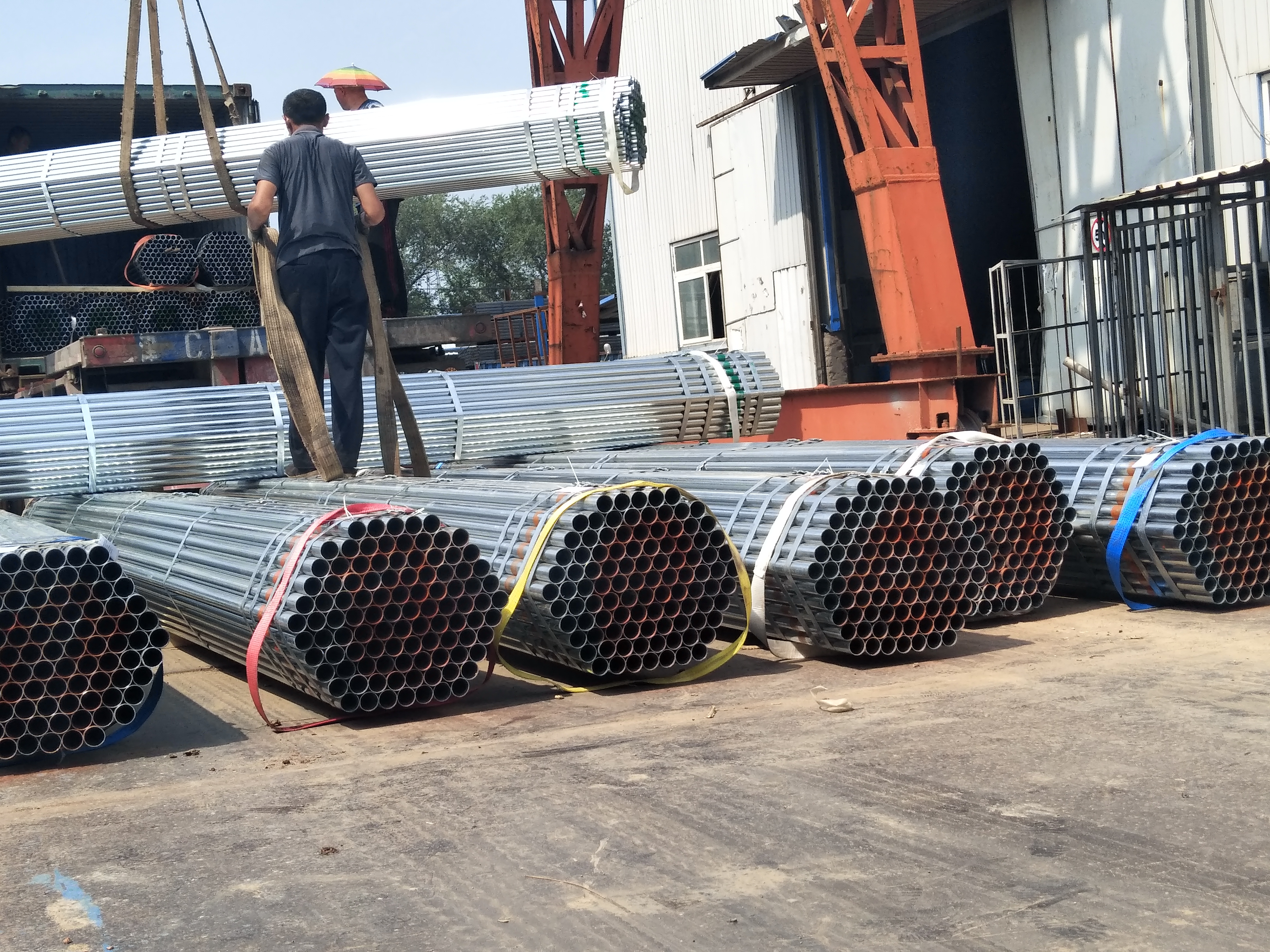
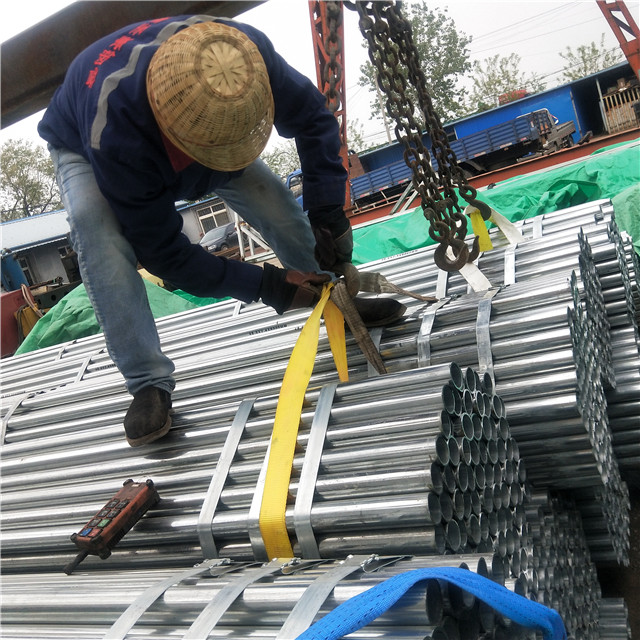
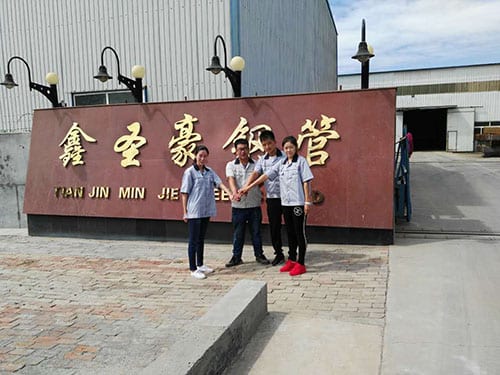
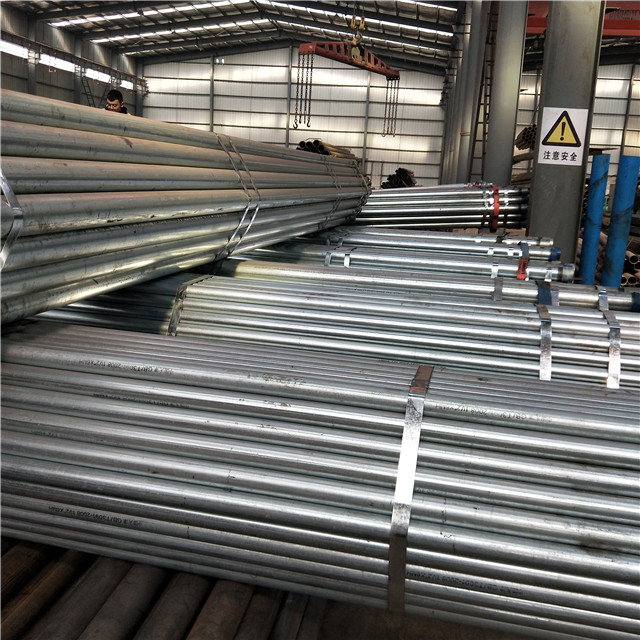
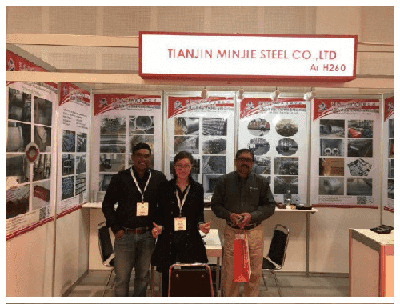
Our team participates in the Canton Fair annually, welcoming global procurement managers to review our product lines and visit our Tianjin factory.
Our carbon steel products are exported worldwide, backed by field support and international engineering certifications.
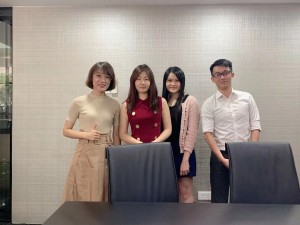
In September 2019, our engineering team visited Singaporean contractors to evaluate high-tensile scaffolding wire and components under local construction regulatory frameworks.
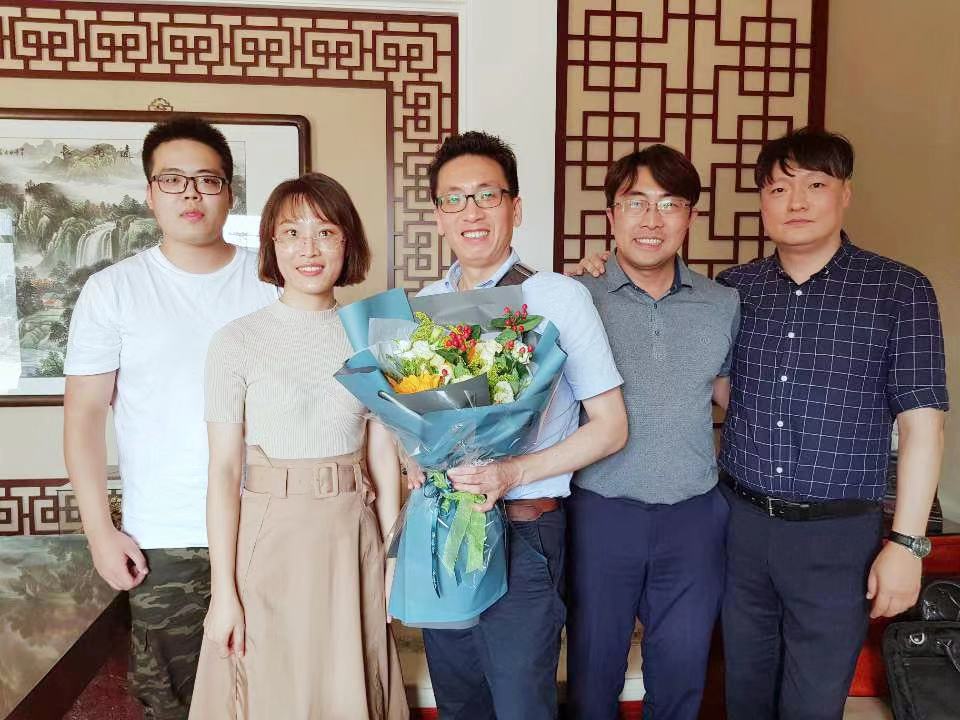
In 2019, Korean industrial engineers toured our drawing lines to audit dimensional tolerances, confirming our capability to meet precise components specifications.

Long-term Australian agricultural distributors conducted an on-site audit in November 2018, verifying our zinc coating weight consistency for harsh outback environments.
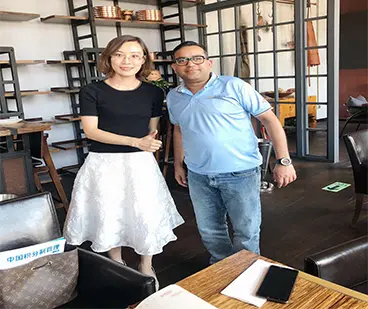
After auditing multiple manufacturing facilities in 2019, an Indian procurement group chose Minjie, establishing a monthly supply agreement for structural steel tubes.
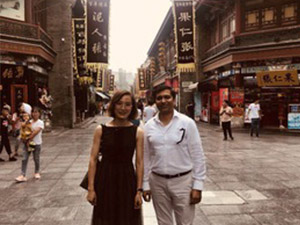
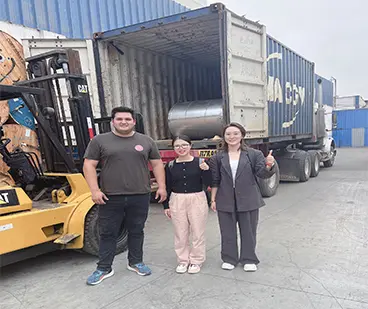
In June 2017, a Lebanese infrastructure contractor completed a site tour and placed an order for 1,000 metric tons of steel pipes for municipal water projects.
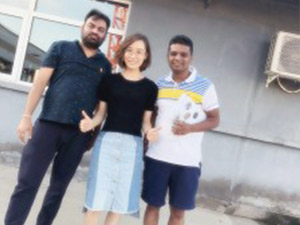
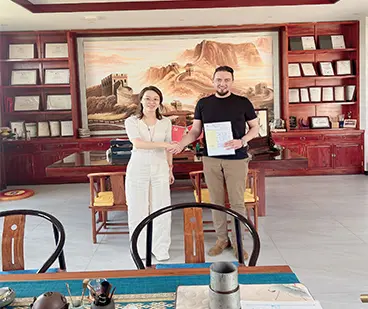
Following initial contact at the Canton Fair, a Saudi construction group conducted a factory audit in 2018, selecting Minjie for long-term project supplies.
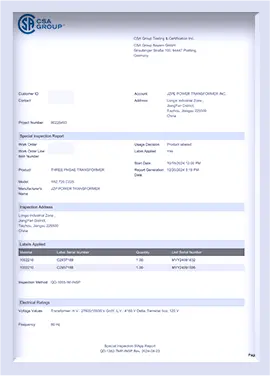
To support international engineering requirements, our products undergo regular mechanical and chemical testing. This includes tensile testing, yield strength verification, elongation analysis, and salt spray testing for zinc coating longevity.
Our focus on R&D has secured 3 distinct national patents: Groove Pipes, Shoulder Pipes, and Victaulic Pipes. These innovations optimize mechanical joint connections, reducing assembly time and cost for modern builders.
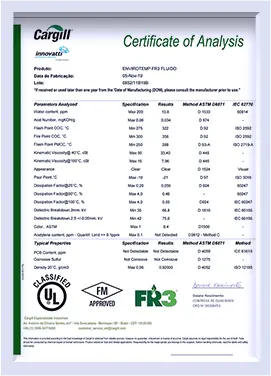
Carbon steel wire and structural tubing are essential components in infrastructure, agriculture, and industrial manufacturing.
Low-carbon wire is drawn and processed to assemble heavy-duty scaffolding mesh, tie wire, and concrete reinforcement. The combination of high ductility and structural strength prevents failure under load, protecting safety on site.
With hot-dip galvanized finishes, our structural steel wires and tubes form the framework for modern greenhouses. Their resistance to high humidity and chemical fertilizers extends the operational lifespan of agricultural structures.
High-carbon steel wire undergoes induction tempering and cold drawing to meet the requirements of automotive spring systems, mechanical components, and heavy-duty industrial cables.
The global carbon steel wire sector is shifting toward green manufacturing and high-strength alloys. Environmental regulations require factories to adopt energy-efficient heat treatments and closed-loop pickling lines to reduce waste.
Tianjin Minjie Steel integrates smart monitoring systems across our drawing and galvanizing lines. Automated control of chemical composition and zinc coating thickness minimizes material variance, ensuring consistent quality for global buyers.
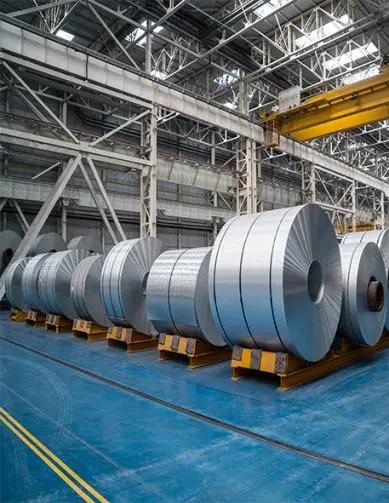
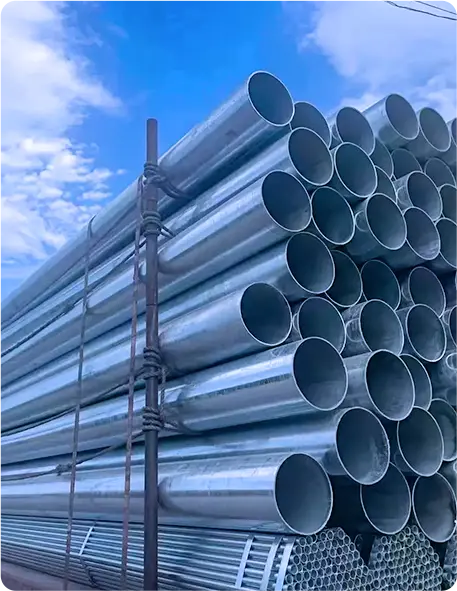
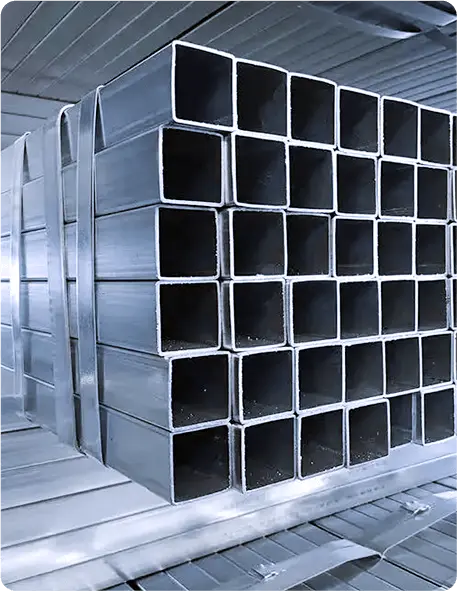
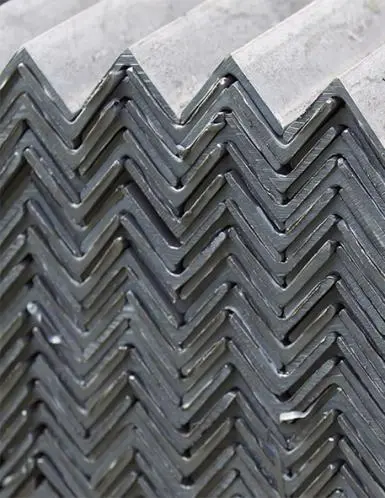
We provide structural and wire components for infrastructure, agricultural, and commercial construction projects worldwide.

Key details on compliance, tolerances, logistics, and quality assurance for carbon steel wire and structural tubing procurement.
Our raw wire rods are sourced directly from state-owned steel mills, accompanied by mill test certificates (MTC) detailing the exact chemical composition (carbon, manganese, silicon, phosphorus, sulfur). During cold drawing, each batch undergoes optical emission spectrometry (OES) analysis to verify that the carbon content aligns with grading specifications (such as SAE 1006, Q195, or Q235).
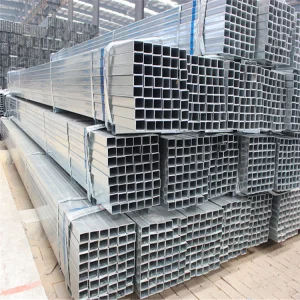
Hot-dip galvanization involves dipping the steel wire or tube into a molten zinc bath at approximately 450°C, producing a thick metallurgical zinc-iron alloy layer (up to 275 g/m²). This is recommended for outdoor and marine applications. Electro-galvanization uses electroplating to apply a thin, uniform zinc layer (typically 10-40 g/m²), offering a smooth surface finish ideal for indoor components and precision electronics.
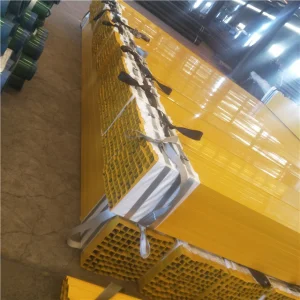
We use heavy-duty anti-corrosion packaging. Each wire coil is wrapped in VCI (Volatile Corrosion Inhibitor) paper, followed by a durable polyethylene woven layer and secure steel strapping. Silica gel desiccants are placed inside the containers, and we offer optional stretch wrapping or vacuum packaging for long transit routes.
Yes. By adjusting the cold drawing area reduction ratio and modifying heat treatment schedules (such as annealing, normalizing, or patenting), we customize the tensile strength and ductility profile to meet specific mechanical requirements, from soft binding wire to high-tensile spring wire.
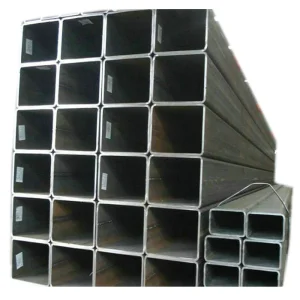
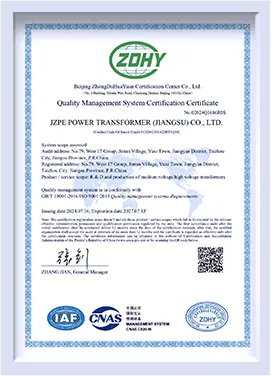
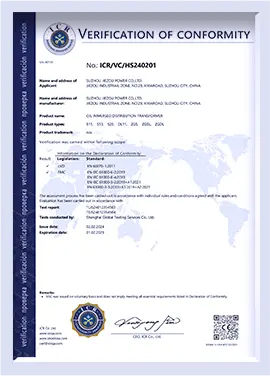
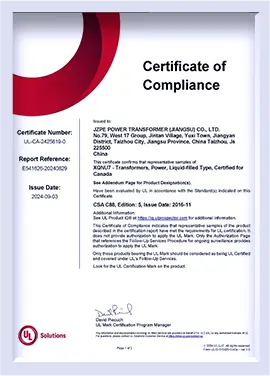
Tianjin Minjie is certified under ISO 9001:2015. Our products comply with ASTM A641/A641M (standard specification for zinc-coated carbon steel wire), EN 10219 (for cold formed welded structural hollow sections), and equivalent JIS and GB standards.
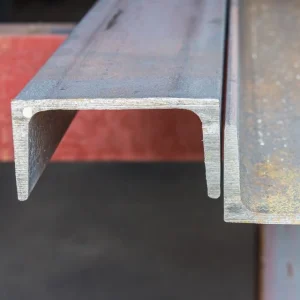
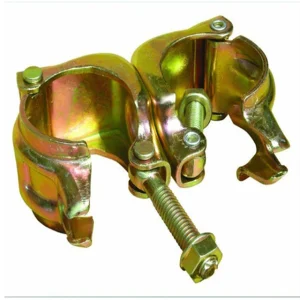
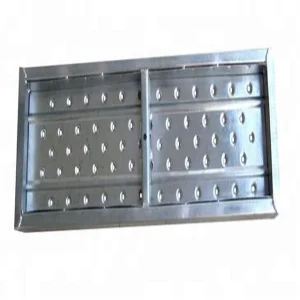
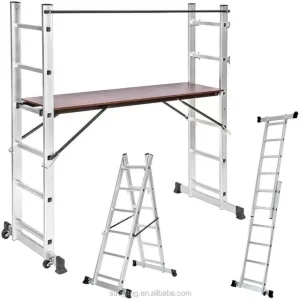
Explore our range of structural steel sections, channels, scaffolding planks, and specialized tension wire products.
 Minjie Steel