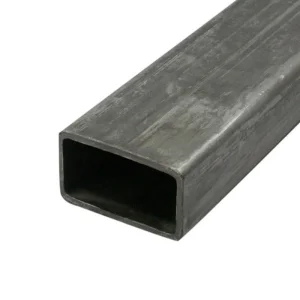
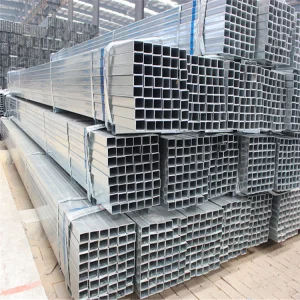
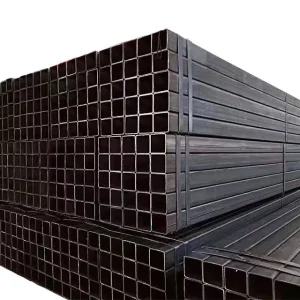
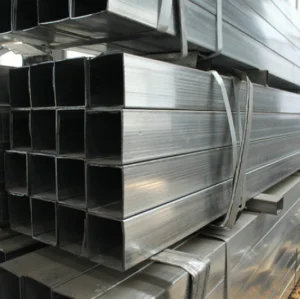
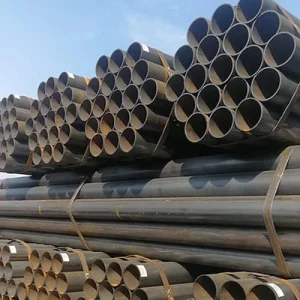
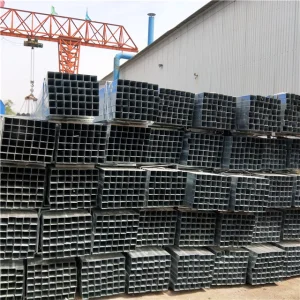
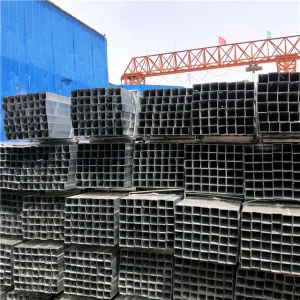
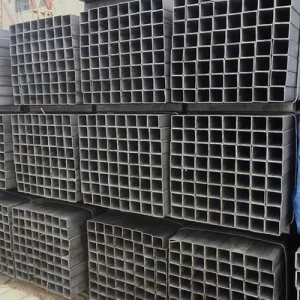
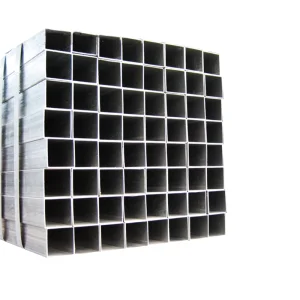
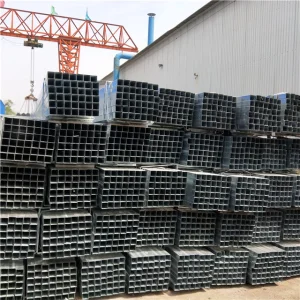
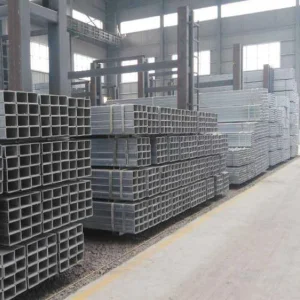
Select high-tensile, hot-dip galvanized steel tubing processed to meet municipal, agricultural, and infrastructural rebuilding requirements.
An authoritative analysis of hot-dip galvanization performance in landlocked, high-altitude arid regions.
In the process of rebuilding modern transport corridors, expanding agricultural greenhouse output, and engineering urban commercial centers across Afghanistan—particularly in Kabul, Herat, Kandahar, and Mazar-i-Sharif—structural longevity represents a primary design challenge. The localized geographical and weather dynamics of Afghanistan, characterized by sharp day-to-night temperature fluctuations, highly saline soil bases in dry valleys, and heavy sand abrasion, accelerate structural degradation. Raw or poorly treated structural steel sections fail rapidly, incurring costly structural damage and replacement expenses.
Consequently, Hot-Dip Galvanized (HDG) square and rectangular tubes have transitioned from optional construction components to standard structural specifications. Unlike typical thin-spray coatings, the hot-dip galvanization process creates an metallurgical bond forming a series of iron-zinc alloy layers covered by a pure zinc layer. This provides robust barrier protection and cathodic protection, ensuring that even if the steel structure suffers scratching or mechanical impact during transport across challenging routes like the Salang Pass, the underlying substrate remains secure against oxidation.
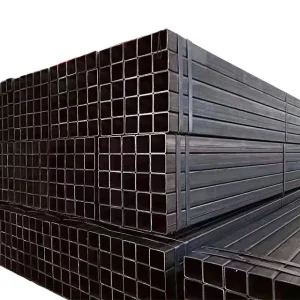
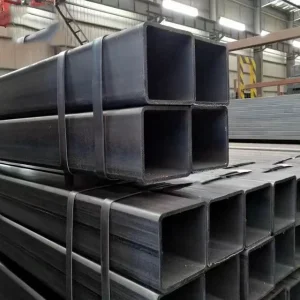
Hollow structural sections (HSS), specifically square and rectangular configurations, offer optimal load-bearing efficiency compared to traditional I-beams or open channel steels. Their closed shape makes them highly resistant to torsional forces—a crucial factor in seismic design across the active tectonic zones of the Hindu Kush region.
Additionally, the flat profiles of square and rectangular tubes simplify joinery and connection detailing, saving labor costs during on-site welding and bolting. By dipping these finished tubes into a molten zinc bath at approximately 450°C, the interior and exterior of the hollow sections receive complete coverage, leaving no ungalvanized surface vulnerable to condensation-induced interior corrosion.
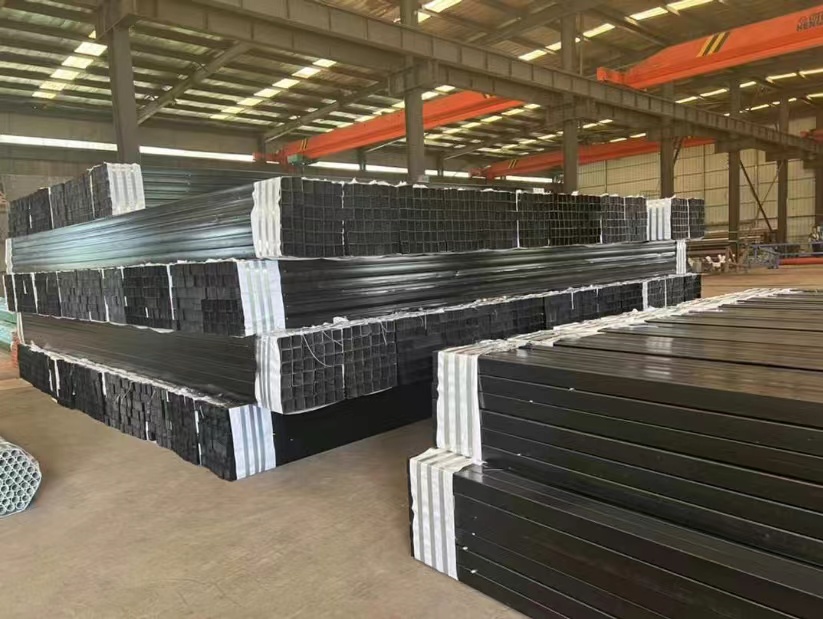
Comparing the properties of Pre-Galvanized vs. Hot-Dip Galvanized Hollow Sections.
For commercial procurement officers and structural engineers operating in Afghanistan, selecting the correct material class (ASTM A500, EN 10219, GB/T 3091) and galvanization method directly determines the lifespan of the project. Below is a comparative engineering overview showing the performance divergence between standard Pre-Galvanized (PG) steel coils formed into tubes versus Post-Weld Hot-Dip Galvanized (HDG) tubes:
| Property Parameter | Pre-Galvanized Hollow Section (PG) | Hot-Dip Galvanized Tube (HDG) | Engineering Recommendation for Afghanistan |
|---|---|---|---|
| Zinc Coating Thickness | 60 - 120 g/m² (approx. 8 - 15 microns) | 300 - 610 g/m² (approx. 45 - 85 microns) | HDG required for outdoor structural frameworks. |
| Weld Seam Corrosion Resistance | Vulnerable (zinc layer burns during welding, requires repair spray) | Completely Protected (tube dipped post-welding, coating is uniform) | HDG is essential for high-moisture agricultural and load structures. |
| Mechanical Properties | Standard grades (Q195, Q235) | High-Yield grades available (Q355B, S355JR, ASTM A500 Gr. B) | S355JR / Q355B for high load-bearing infrastructure. |
| Expected Lifespan (Arid/Semi-Arid) | 5 to 10 years depending on micro-climate | 30 to 50+ years maintenance-free | HDG offers superior long-term return on investment (ROI). |
In municipal projects, utilizing S355JR or Q355B high-strength structural steel tubes helps engineers reduce overall wall thickness while keeping required mechanical load tolerances intact. This weight optimization reduces transport costs per metric ton across transit routes from border entries into destination dry ports.
Delivering high-capacity production and specialized transit logistics to landlocked Central Asian destinations.
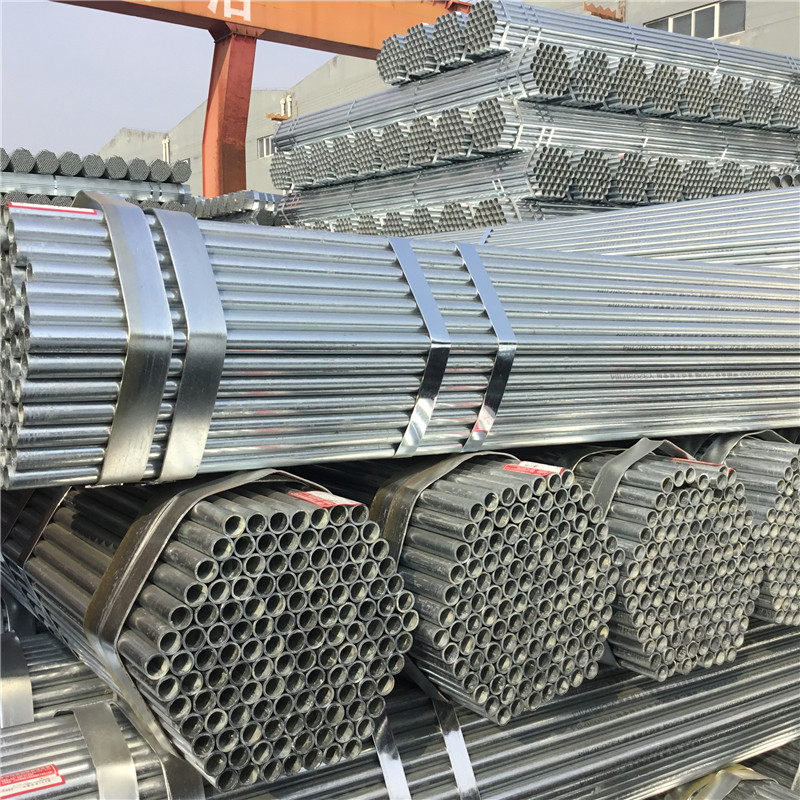
Established in 1998, Tianjin Minjie Steel Co., Ltd. has expanded into a leading manufacturer and exporter of structural steel pipes, square and rectangular hollow sections, and scaffolding components. Operating from our 70,000 square meter facility located just 40 kilometers from Tianjin Xingang Port (the largest shipping hub in North China), we coordinate efficient global distribution networks.
Our production facilities include 4 pre-galvanized lines, 8 ERW line systems, and 3 high-capacity hot-dip galvanizing lines operating under ISO 9001 quality management parameters. Minjie Steel holds 3 proprietary design patents (groove pipe, shoulder pipe, and victaulic pipe) developed to support diverse municipal engineering layouts.
For operations based in Afghanistan, Minjie Steel provides specialized transport corridors, handling customs clearances via Karachi Port (Pakistan transit routes through Torkham or Chaman dry ports) as well as direct rail shipping routes traversing China-Kazakhstan-Uzbekistan-Afghanistan links to Hairatan terminal.
How local infrastructure projects utilize hot-dip galvanized structural tubing for reliable performance.
Expanding agricultural yield in provinces like Helmand, Kandahar, and Balkh depends on high-tunnel greenhouse systems. Hot-dip galvanized square and rectangular tubes provide structural support that resists high humidity, chemical fertilizers, and heavy winds without rusting.
As solar energy installations expand, reliable structural steel supports are critical. Galvanized rectangular tubes provide robust mounting structures that resist wind loads and sandstorms while securing solar modules in arid environments.
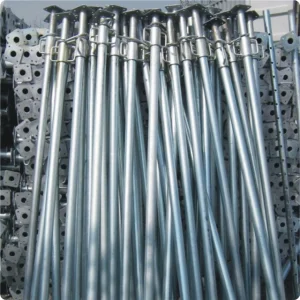
Urban development in Kabul requires durable scaffolding. Tianjin Minjie’s adjustable steel props and square structural components provide reliable support structures that can be reused across multiple projects.
Customs depots, highway security lines, and storage warehouses along border transit zones use high-strength, post-weld galvanized rectangular tubes for impact resistance and exterior protection.
Minjie Steel's industrial track record of supplying reliable structural steel solutions worldwide.
Our products have been sold to all over the world. Our company owns first-class professional technique advisers in China and excellent staff with professional expertise. We have built strong relationships with international commercial partners:
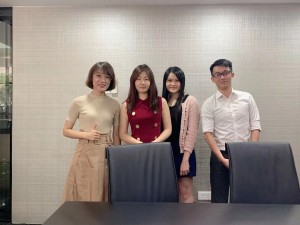
In September 2019, our team visited clients in Singapore, establishing long-term agreements for specialized structural steel supply.
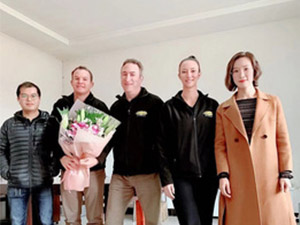
Long-standing Australian customers visited our Tianjin plant in November 2018 to review quality control systems for structural steel.
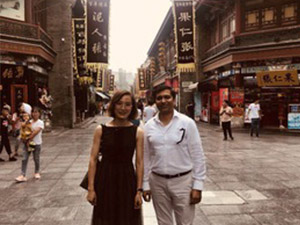
In June 2017, a distributor from Lebanon visited our factory and finalized an order for 1,000 tons of structural steel pipes.

In 2019, South Korean clients visited our facility to coordinate custom designs and check physical load limits.
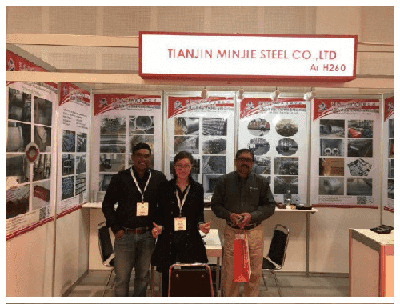
Our team participates in the Canton Fair annually, connecting with buyers from India, Saudi Arabia, and regional markets. In 2017 and 2018, these meetings led to key supply agreements, with over 80% of our new clients visiting our factory in Tianjin to confirm our manufacturing capabilities.
We work to maintain trust and support, working toward long-term cooperation with contractors, suppliers, and municipal engineers across the Middle East, Central Asia, and Africa.
Ensure complete structural integrity by combining hollow sections with our certified auxiliary construction products.
High-quality hot-dip galvanized structural options matching ASTM, EN, DIN, and JIS specifications.
Technical answers to key engineering and logistical inquiries from regional procurement managers.
A1: We arrange sea shipping from Tianjin Xingang Port to Karachi Port in Pakistan. From Karachi, materials transition by road through the Torkham (for Kabul/Jalalabad) or Chaman (for Kandahar) border posts. For northern regions, rail transport options connect via Central Asian networks directly to the Hairatan dry port.
A2: In areas prone to sand abrasion or dust storms, pre-galvanized surfaces (15 microns thick) can wear down quickly. Hot-dip galvanized tubes feature a zinc coating thickness exceeding 80 microns, ensuring long-term protection even under abrasive conditions.
A3: Yes, we provide Mill Test Certificates (MTC) conforming to EN 10204 3.1. These detail the chemical composition (carbon, manganese, silicon, phosphorus, sulfur) and mechanical test performance (yield strength, tensile strength, elongation) for quality assurance.
A4: Yes, we supply customized lengths from 4.0 meters to 12.0 meters, matching structural framing designs to help minimize on-site cutting and scrap during assembly.
A5: For standard applications, Q235B or ASTM A500 Grade B is commonly specified. For high-load industrial structures, solar mounting spans, or bridges, we recommend Q355B or S355JR steel to achieve high tensile and yield performance.
 Minjie Steel