Engineered to meet the exact load-bearing and corrosion-resistance profiles required by modern Malaysian commercial developments.
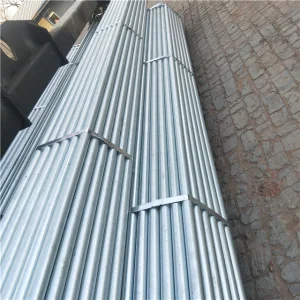
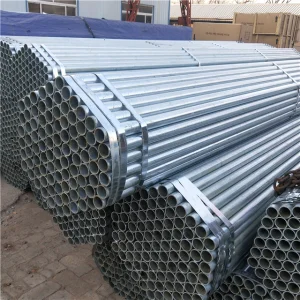
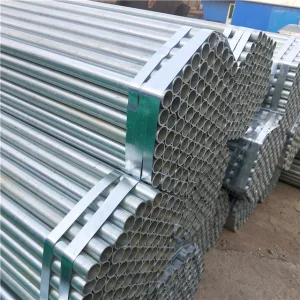
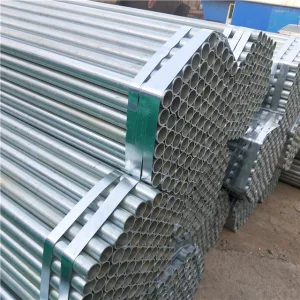
An in-depth look at local infrastructure dynamics, architectural challenges, and corrosion control in the Klang Valley.
As the economic heart of Malaysia, the Kuala Lumpur metropolitan area—encompassing the Klang Valley—is experiencing unprecedented vertical and horizontal growth. Mega-projects such as the Tun Razak Exchange (TRX), Merdeka 118, and the continuous expansion of the Light Rail Transit (LRT3) and Mass Rapid Transit (MRT) networks demand structural materials that guarantee long-term performance under heavy mechanical load. Hot Dip Galvanized (HDG) steel pipes have emerged as the default specification for contractors, structural engineers, and utility companies across the city.
Unlike standard carbon steel, which is highly vulnerable to rapid oxidization, HDG pipes provide a metallurgically bonded zinc barrier. In urban environments like KL, where traffic emissions raise carbon dioxide and sulfur compound concentrations, the rate of atmospheric corrosion is significantly accelerated. HDG steel relies on a complex multi-layered alloy of zinc and iron, which shields the core steel pipe from exposure to the ambient atmosphere.
Kuala Lumpur features a tropical rainforest climate characterized by high humidity (often exceeding 80% year-round), high temperatures, and intense seasonal monsoons. This continuous presence of moisture and airborne contaminants creates a highly corrosive atmosphere, classified as C3 to C4 under international corrosion standards. Standard pre-galvanized coatings (which typically range from 15 to 20 microns) are rapidly depleted under these conditions.
To ensure a service life exceeding 30 to 50 years without structural maintenance, local regulations and municipal engineers specify true **Hot Dip Galvanizing** (ASTM A123 / ISO 1461), which yields a coating thickness of at least 85 microns on steel thicker than 6mm. The resulting zinc-iron alloy layers (Gamma, Delta, and Zeta phases) are harder than the base steel itself, providing unparalleled protection against both atmospheric corrosion and physical abrasion during transport and site assembly.
For procurement officers and structural engineers in Kuala Lumpur, choosing the correct galvanization method is a critical decision that directly influences the lifespan and safety profile of the project. The table below outlines the primary metallurgical differences between standard pre-galvanized pipes and batch-processed hot dip galvanized steel pipes:
Hot Dip Galvanized (HDG): 70 to 100+ microns (500–700 g/m²). Applied after fabrication via a molten zinc bath at 450°C, ensuring full coverage of internal walls and weld zones.
Pre-Galvanized (Pre-GI): 15 to 25 microns (120–200 g/m²). Steel coils are galvanized before being formed into pipes, leaving welded seams vulnerable.
HDG steel features a thick layer of pure zinc on the exterior. If the pipe is cut, scratched, or mechanically damaged on-site during installation in Kuala Lumpur, the surrounding zinc acts as a sacrificial anode, corroding preferentially to shield the exposed iron substrate.
The batch hot-dip process generates three distinct zinc-iron alloy layers (Eta, Zeta, and Delta) between the base steel and outer pure zinc layer. This intermetallic bond resists impacts, dragging, and installation friction better than electroplated or pre-galvanized surfaces.
In Malaysia, structural materials must align with the regulations enforced by the Construction Industry Development Board (CIDB) and SIRIM QAS International. Hot dip galvanized pipes utilized for water supply, fire protection, and structural framing are subject to stringent compliance tests. The primary specifications include:
Combining 25+ years of production expertise with advanced logistics to deliver premium steel pipes directly to Port Klang and Kuala Lumpur project sites.
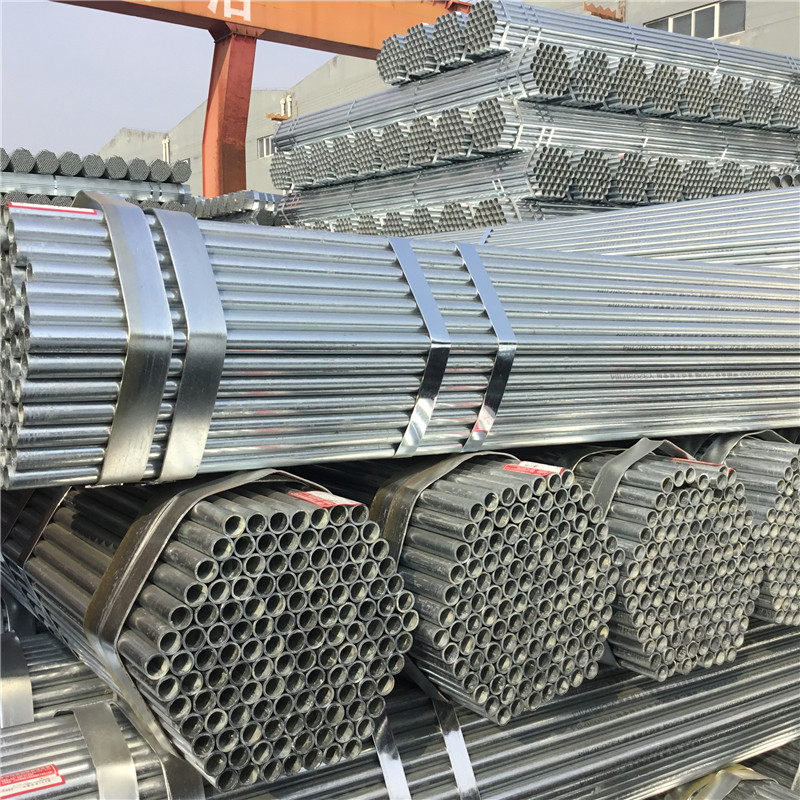
Established in 1998, Tianjin Minjie Steel Co., Ltd. operates a state-of-the-art facility spanning over 70,000 square meters. Our factory is strategically located just 40 kilometers from XinGang Port—the largest seaport in Northern China—providing optimal shipping pathways to Southeast Asian markets, particularly Port Klang in Malaysia.
Our comprehensive production assets include 4 pre-galvanized lines, 8 ERW (Electric Resistance Welded) steel pipe production lines, and 3 heavy-duty hot-dipped galvanized processing lines. We strictly control raw material sourcing to guarantee that our products comply with ASTM, DIN, JIS, and GB standards, verified by our ISO 9001 quality management system.
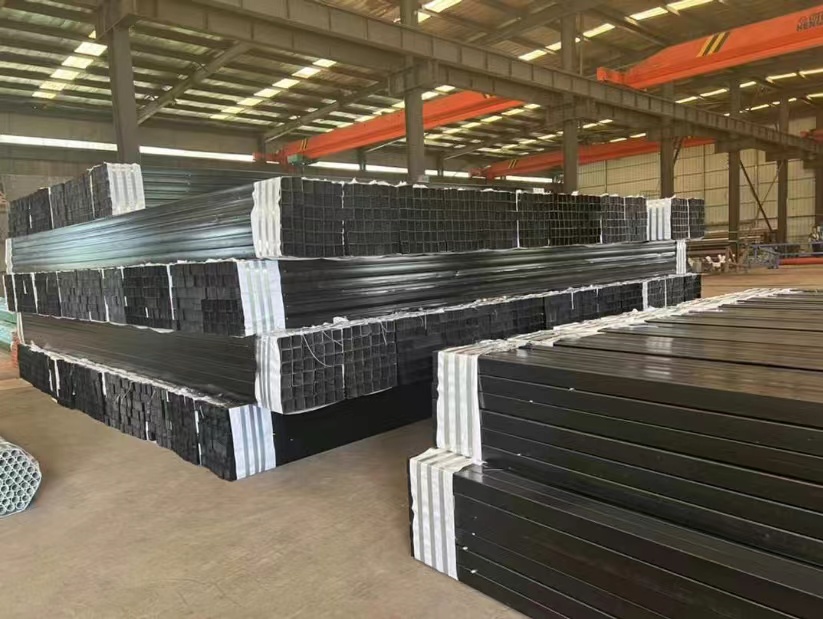
Tianjin Minjie Steel is not just a high-volume manufacturer but also an industry innovator. We hold 3 key structural patents for specialized connection systems: **Groove Pipes**, **Shoulder Pipes**, and **Victaulic Pipes**. These systems dramatically reduce installation times on-site in projects like high-rise office towers and commercial HVAC networks in Kuala Lumpur.
With an annual output exceeding 300,000 tons of various steel profiles, we serve infrastructure developments, agricultural projects, and mechanical fabrications worldwide. Our products are widely used in railway construction, highway safety barriers, greenhouse frameworks, and specialized steel scaffolding systems.
Analyzing the economic, technical, and logistical advantages that drive the steel supply chain between China and Malaysia.
Chinese steel mills process massive raw material volumes daily. This high throughput reduces the fixed production cost per ton, allowing us to supply ASTM A53 and BS 1387 hot dip galvanized pipes to the Kuala Lumpur market at highly competitive prices, even after factoring in ocean freight and import duties.
Our production facilities utilize modern temperature-controlled molten baths, ensuring uniform alloy layers, minimal zinc slag inclusions, and high surface aesthetics. This level of process control ensures that the internal pipe bore has a clean, smooth finish, preventing restriction in high-volume fluid applications.
The close proximity of our factory to XinGang Port (40 km) allows for rapid inland container transit. Direct shipping lanes from XinGang to Port Klang (Selangor) typically take between 12 to 16 days. This enables us to maintain a reliable, continuous supply chain for large-scale projects in the Klang Valley.
Demonstrating our commitment to international quality standards, customer relationships, and transparent manufacturing.
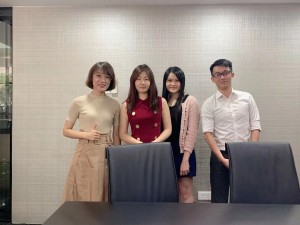
In September 2019, our sales and engineering team visited key infrastructure clients in Singapore. Through open technical dialogue, we established a long-term supply agreement for premium HDG structural components, earning high praise from our Singaporean partners.
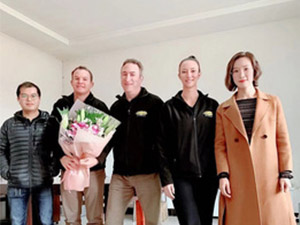
A leading Australian structural contracting firm, with whom we have partnered for several years, returned to inspect our production lines in November 2018. They confirmed our manufacturing capabilities for heavy-wall galvanized tubes and placed substantial repeat orders.
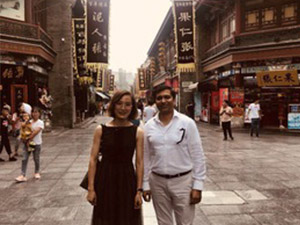
In June 2017, a wholesale steel importer from Lebanon visited our factory. After auditing our hot-dip galvanizing lines and testing raw materials in our lab, they immediately finalized a contract for 1,000 tons of premium welded steel pipes.
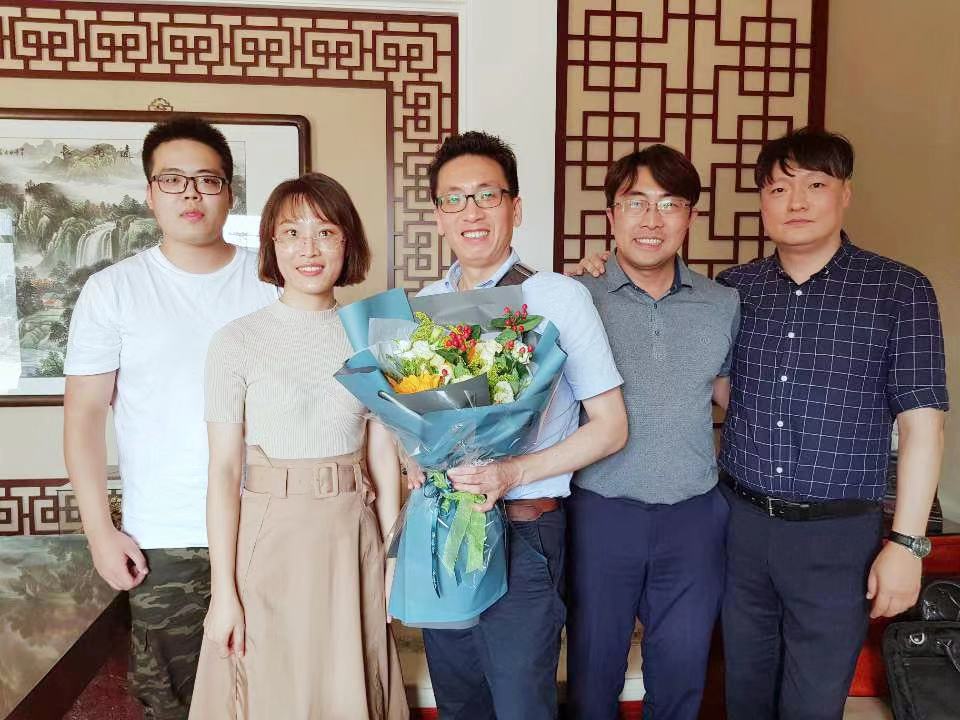
In 2019, a specialized engineering team from South Korea visited our factory to discuss a custom pipe design. The project required highly precise dimensional tolerances and custom zinc coating patterns, which we successfully developed and manufactured.
In 2019, a prominent Indian construction conglomerate audited several factories in China. They chose Tianjin Minjie due to our advanced quality testing systems, signing a rolling contract for 10 structural container units per month.
We met our Saudi Arabian client at the Canton Fair. Following their subsequent factory visit in 2018, we initiated a long-term supply partnership, manufacturing specialized high-durability HDG pipes for harsh desert environments.
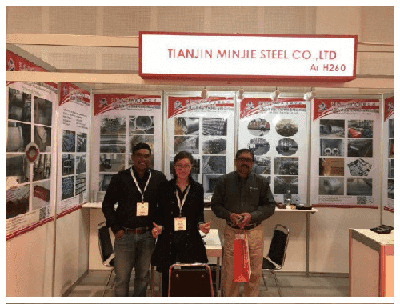
Tianjin Minjie Steel is a regular exhibitor at the Canton Fair, engaging with global buyers and engineering groups. Approximately 80% of our new customers choose to conduct on-site audits at our Tianjin headquarters following the fair, building long-term commercial relationships based on trust and quality verification.
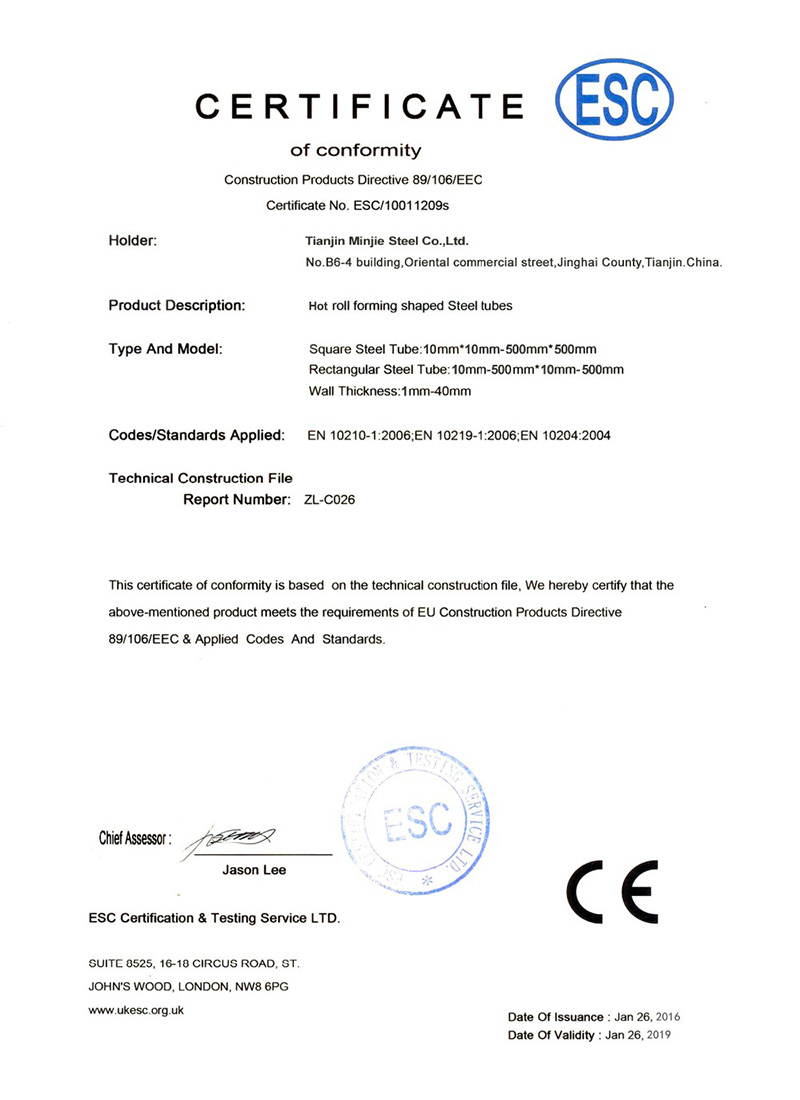
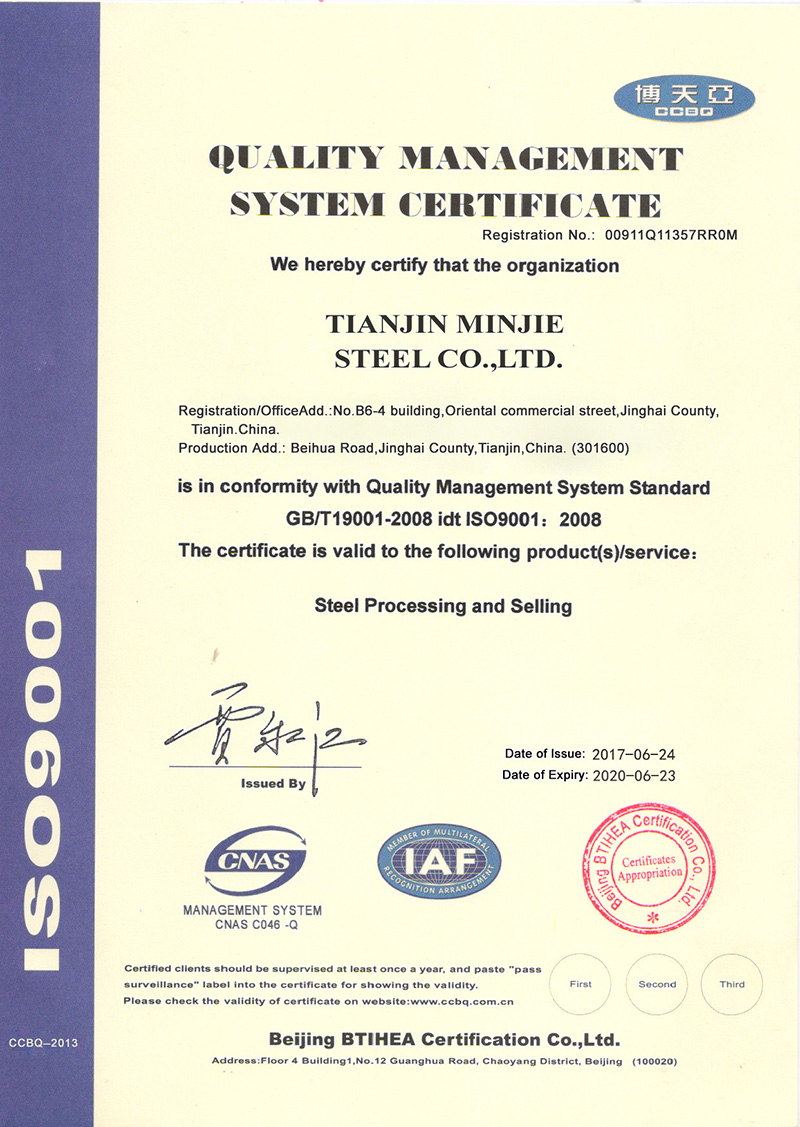
We maintain comprehensive ISO 9001 quality management systems. Our raw materials, pickling chemistry, galvanizing bath temperatures, and thread-cutting accuracy are monitored and logged. This ensures every shipment dispatched to Kuala Lumpur is accompanied by full Mill Test Certificates (MTC).
From high-rise scaffolding safety to heavy industrial utility routing, explore where our HDG pipes are deployed.
In high-density districts of KL, such as Bukit Bintang, KLCC, and Mont Kiara, multi-story structural concrete frames require reliable scaffolding and shoring systems. Our **Galvanized Scaffolding Steel Pipes** paired with high-strength GI clamps provide the mechanical stability needed to secure workers and materials at height. The heavy-duty zinc layer resists damage from repeated handling and exposure to the tropical sun, preventing hidden rust from compromising structural integrity.
Modern building codes in Malaysia enforce strict fire safety guidelines for commercial towers, hotels, and retail malls. Hot dip galvanized pipes are specified for wet sprinkler mains and branch piping due to their corrosion resistance. Water sitting stagnant inside fire protection lines can cause internal scaling and rust in black steel pipes, potentially clogging sprinkler heads during an emergency. HDG processing ensures the internal bore remains smooth and rust-free over decades of service.
While Kuala Lumpur is highly urbanized, the surrounding state of Selangor and the nearby Cameron Highlands are major hubs for commercial agriculture and floriculture. Modern multi-span greenhouses utilize galvanized steel frame structures to withstand wind loads and support overhead irrigation systems. The high humidity and chemical fertilizers used inside greenhouses create an aggressive environment. Our pre-galvanized and hot-dip round pipes provide the corrosion protection required to maintain structural safety in these demanding environments.
Kuala Lumpur's water distribution infrastructure is continually upgraded to meet growing demand. Our hot dip galvanized steel pipes are widely used for bridge crossings, distribution mains, and electrical cable conduit piping. The mechanical strength of steel combined with the corrosion resistance of zinc makes HDG pipes the preferred choice for protecting critical optical fiber and electrical cables underneath KL's roadways.
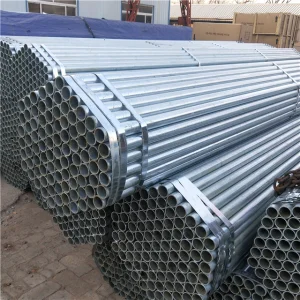
Browse our extensive selection of wall thicknesses, steel grades, and coupling methods designed for immediate export.
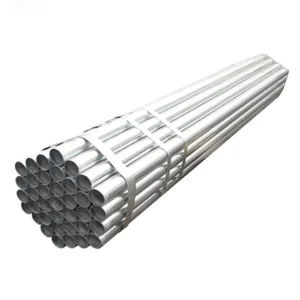
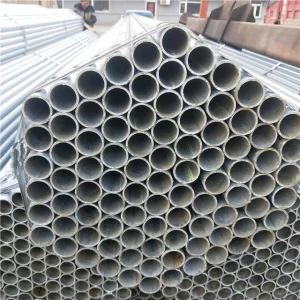
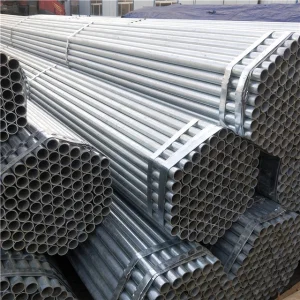
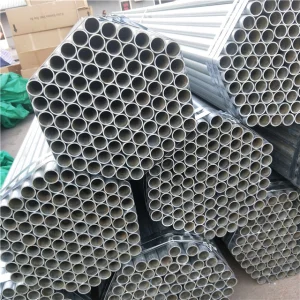
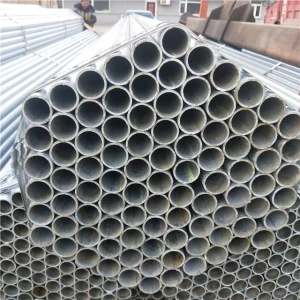
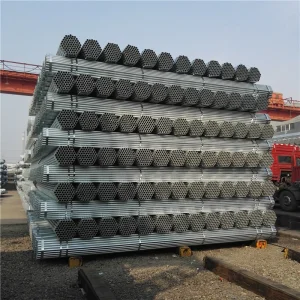
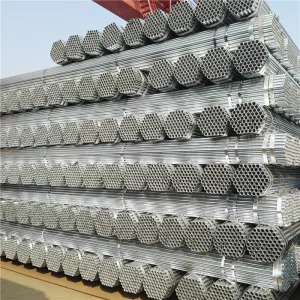
How we help global engineering corporations navigate raw material fluctuations, maritime logistics, and quality assurance.
The global steel industry faces volatility in iron ore, coking coal, and zinc prices. For large-scale infrastructure projects in Kuala Lumpur that take years to complete, price fluctuations can threaten project budgets. Tianjin Minjie Steel mitigates this risk through direct partnerships with primary steel mills and hedging strategies, allowing us to offer fixed-price contracts for long-term project deliveries.
To ensure compliance with local regulations, we support third-party inspections by independent testing firms such as SGS, BV, and Intertek. Inspectors can audit our raw materials, observe the galvanization process, and verify dimensions, coating thickness, and hydrostatic pressure ratings prior to shipment from XinGang Port.
Exporting structural steel pipes requires careful handling to prevent damage to the zinc coating and tube threads. We bundle pipes securely with heavy steel strapping and apply end protectors to threaded pipes. By coordinating with premier ocean carriers, we secure competitive freight rates and reliable container allocations, minimizing shipping delays to Port Klang.
Tianjin Minjie Steel invests in environmental protection technology. Our pickling and galvanizing lines are equipped with acid mist filtration systems and zero-discharge wastewater recycling. Partnering with us helps developers meet environmental criteria for projects like the Green Building Index (GBI) in Malaysia.
Clear, direct answers to common questions asked by procurement managers, engineers, and distributors in the Kuala Lumpur and Malaysian markets.
 Minjie Steel