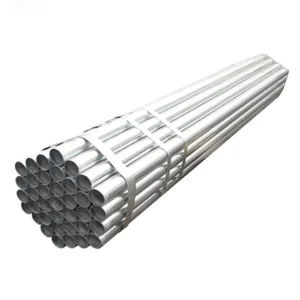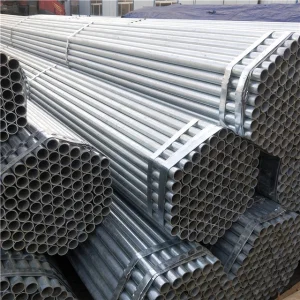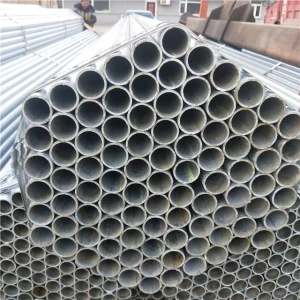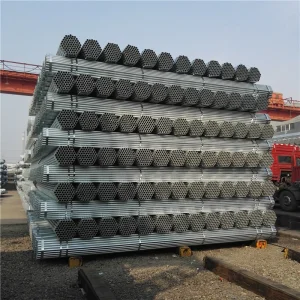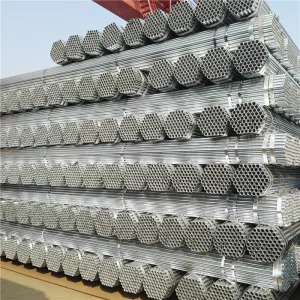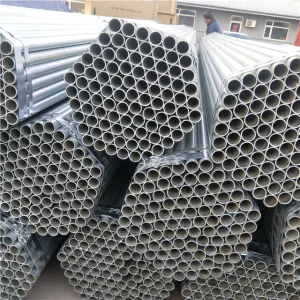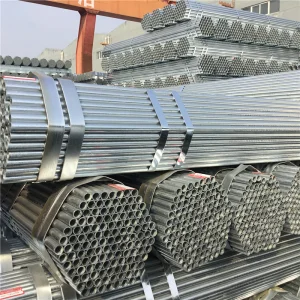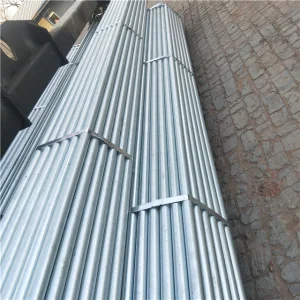
The Moscow metropolitan area, experiencing rapid urban renewal, logistics center expansion, and utility modernization, presents unique challenges for metal structures. The extreme continental climate, characterized by freezing winters dropping below -30°C and humid summers, forces engineering firms to establish rigorous criteria for material selection. Unprotected structural steel elements face severe risks of accelerated atmospheric corrosion, hydrogen embrittlement, and mechanical fatigue caused by rapid freeze-thaw cycles.
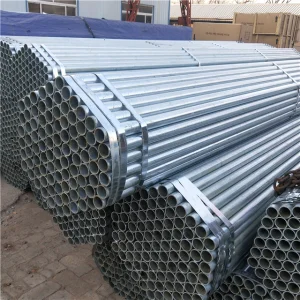
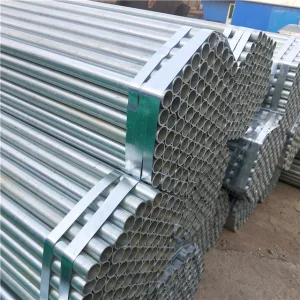
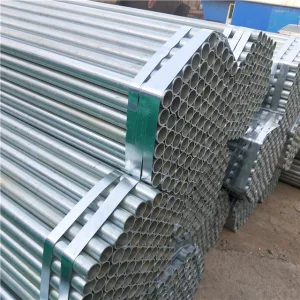
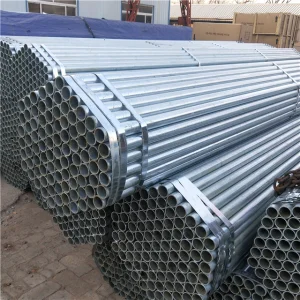
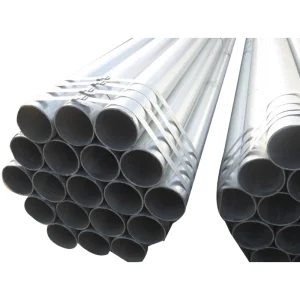
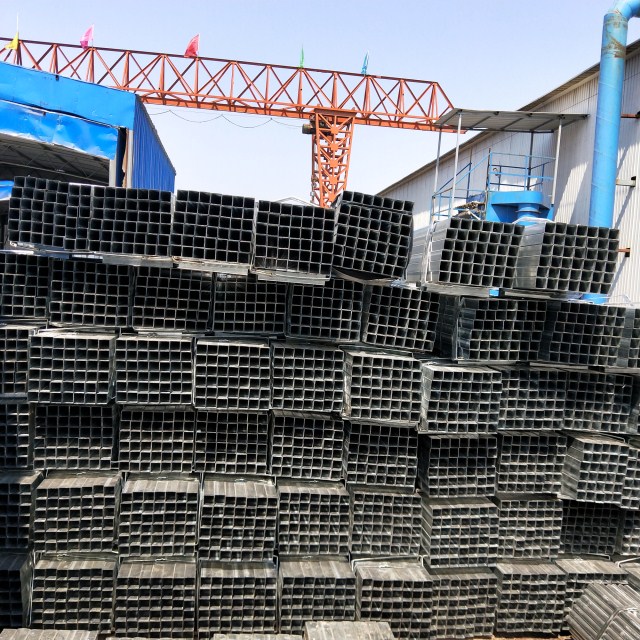
Hot Dip Galvanizing (HDG) serves as the primary barrier against these destructive forces. By chemically bonding a thick, multi-layered zinc-iron alloy coating to the base steel, HDG pipes exhibit exceptional impact and abrasion resistance. Unlike standard barrier paint coatings, the metallurgical bond of hot-dip galvanizing provides sacrificial cathodic protection. This means even if physical damage occurs during construction or transport across long distances, the surrounding zinc will prioritize its own oxidation, preventing the spread of rust underneath the coating.
For municipal heating systems, water distribution grids, and urban structural scaffolding, utilizing pipes meeting GOST 9.307-89 (Hot-dip zinc coatings) or equivalent EN and ASTM criteria is crucial. Designers and contractors operating in the Moscow Oblast require suppliers capable of guaranteeing precise coating thickness metrics to ensure a service lifespan exceeding 50 years without structural degradation.
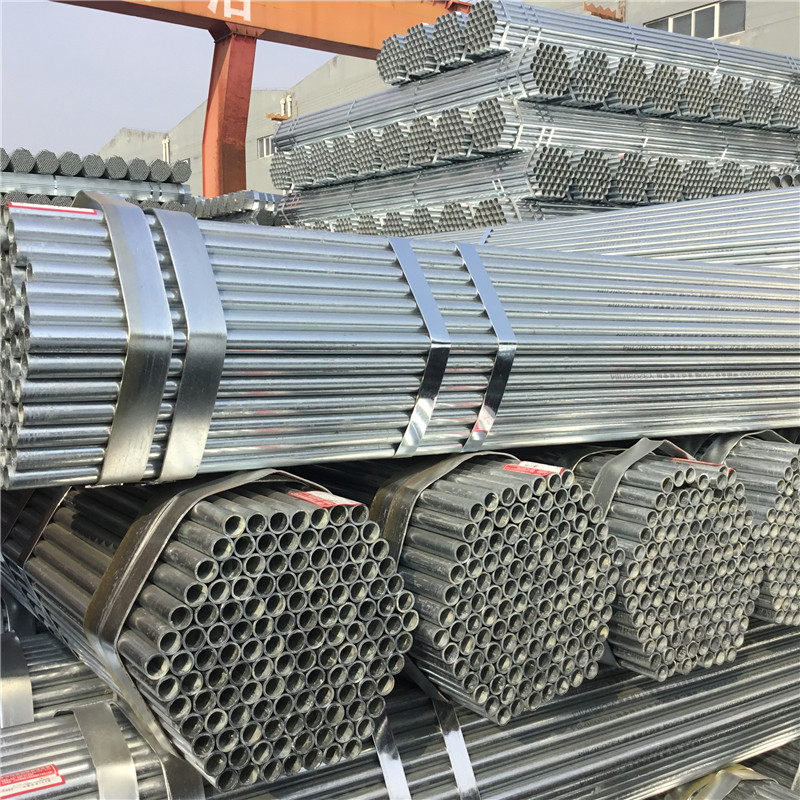
The international steel supply chain is undergoing profound structural shifts. Rising raw material costs, energy price volatility in European production hubs, and fluctuating shipping rates require international buyers to source from highly integrated, export-oriented steel clusters. To remain competitive, contractors serving the Moscow market are shifting toward direct supply lines from premier Chinese industrial manufacturing zones.
Chinese factories, particularly those situated in major industrial hubs like Tianjin, benefit from vertical integration, proximity to state-of-the-art port systems, and consolidated raw material supply lines. By bypassing multiple layers of intermediaries, industrial buyers can purchase hot-dip galvanized steel pipes directly from the manufacturer, achieving substantial price advantages without compromising technical performance.
Every structural pipe batch is manufactured strictly in compliance with international quality management standards, ensuring uniform wall thickness and concentricity.
Located only 40 kilometers from Tianjin XinGang Port, the largest maritime hub in Northern China, which facilitates direct shipping lanes and efficient container consolidation.
Access to major Eurasian rail corridors and multi-modal transit networks directly connecting manufacturing plants with warehousing hubs in Moscow.
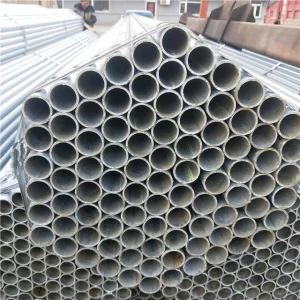
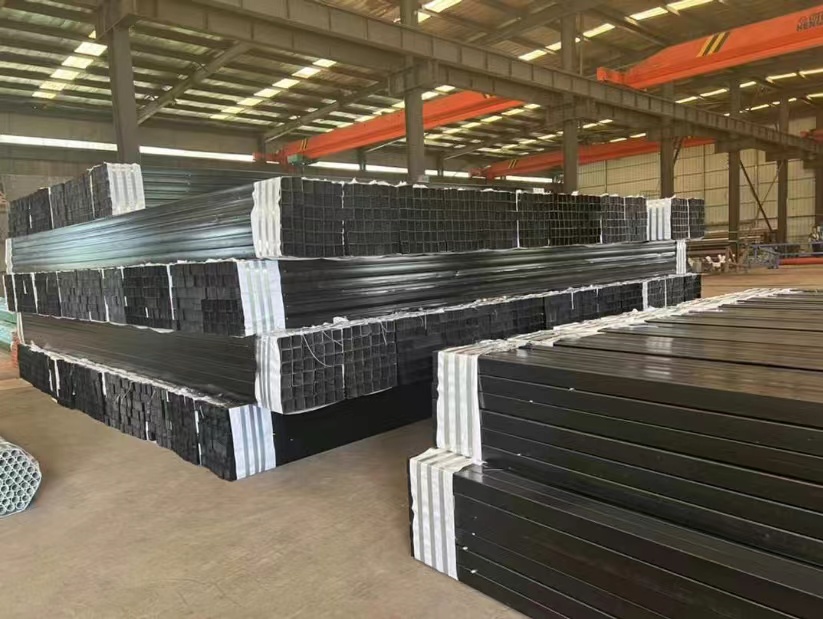
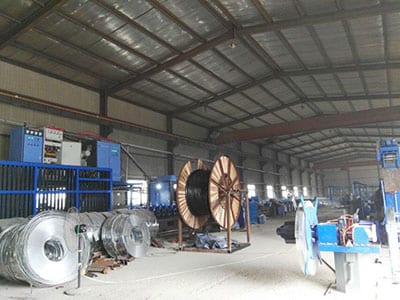
Founded in 1998, Tianjin Minjie Steel Co., Ltd has established itself as an authoritative manufacturer and exporter of structural steel products. Operating a production facility covering more than 70,000 square meters, our plant is located just 40 kilometers from XinGang Port, which optimizes transport logistics for heavy-duty structural steel shipments destined for Eastern Europe and Russia.
Our production capability is built on modern metallurgical engineering, featuring:
By complying strictly with international specifications including GB, ASTM, DIN, and JIS standards under ISO9001 certification, Tianjin Minjie Steel ensures that every ton of steel delivered to the Moscow market matches local regulatory mandates for load-bearing capacity and safety.
Selecting structural materials for Moscow's industrial sector requires matching products to specific applications. High humidity, temperature shifts, and corrosive conditions dictate where and how hot-dip galvanized pipes are utilized:
Moscow's district heating and gas distribution lines rely on hot-dip galvanized pipes to resist groundwater corrosion and soil pressure. Sacrificial zinc shielding extends the maintenance cycles of below-ground networks, reducing utility downtime during harsh winters.
Urban high-rise developments in Moscow require scaffolding that can withstand heavy loads and exposure to ice and snow. The metallurgical hardness of hot-dip galvanized scaffolding tubes ensures they can be repeatedly assembled and disassembled without compromising safety.
Large-scale agricultural projects in the Moscow Oblast require structural steel that can endure the high humidity and chemical exposure of fertilizer-heavy environments. HDG frames prevent rust and maintain structural integrity over decades of operation.
Furthermore, for residential developments and subway expansions, the mechanical properties of hot-dip galvanized steel provide reliable load-bearing capacity under dynamic stress, satisfying the requirements of Gosstroy regulations.
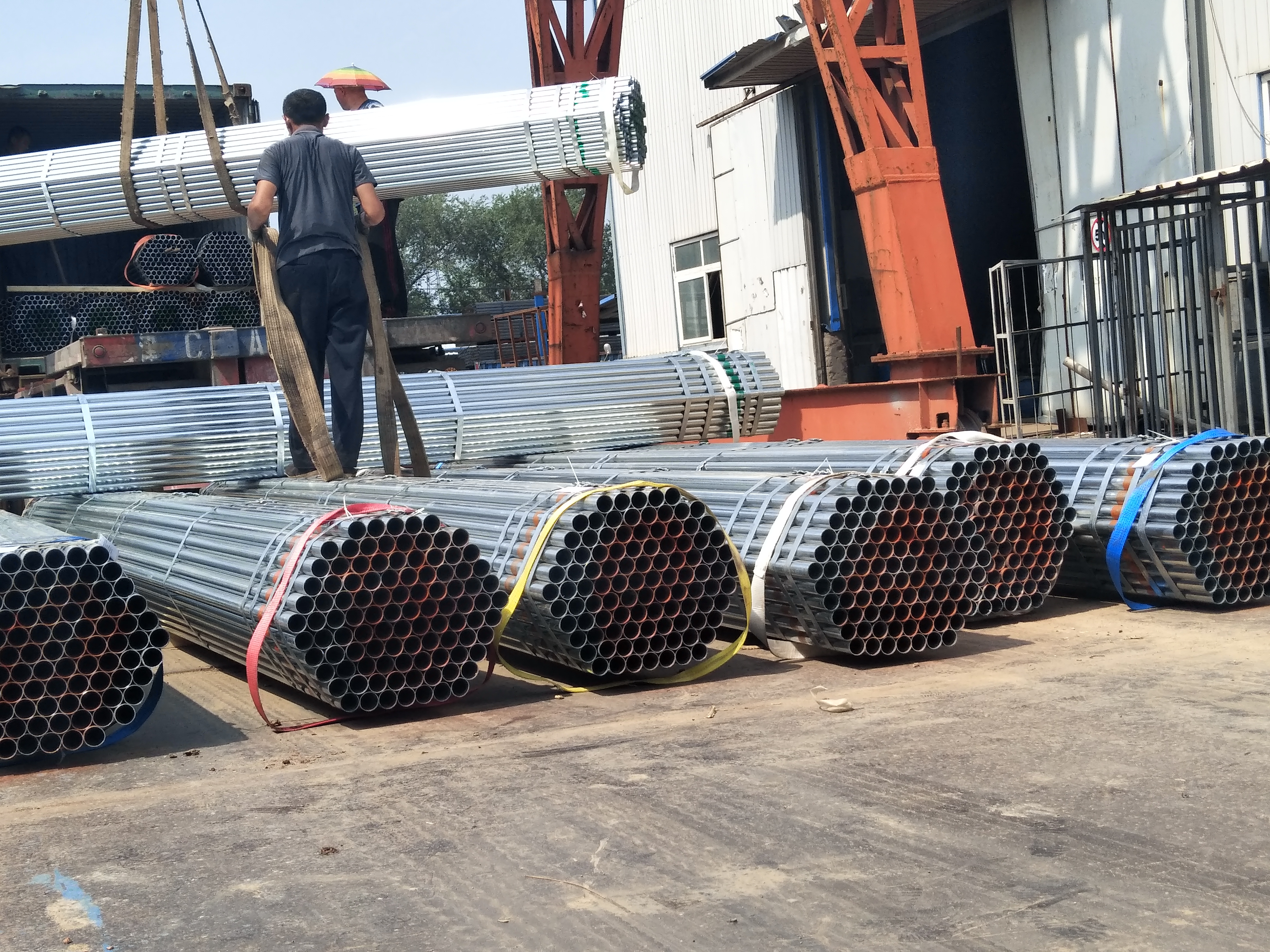
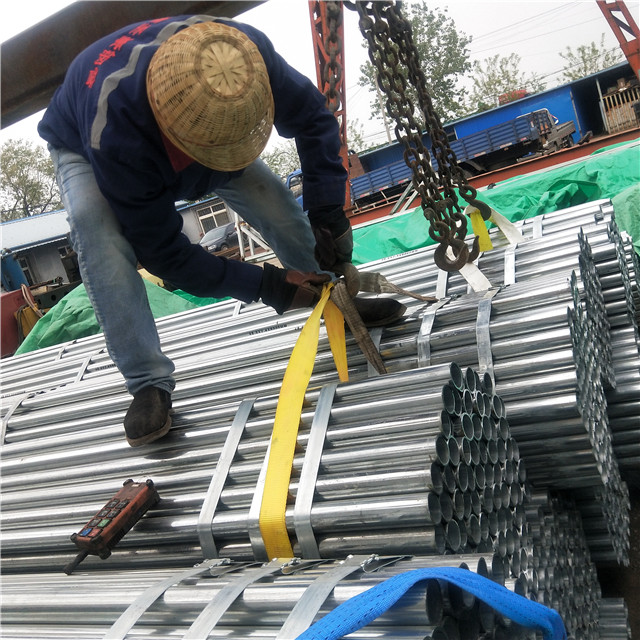
Tianjin Minjie Steel Co., Ltd. regularly hosts international inspection agencies and procurement delegations at our manufacturing facility. We export to diverse regions, including the European Union, Southeast Asia, the Middle East, and Australia. Our export processes are structured to comply with local import requirements and technical standards.
We maintain active quality records for all export batches, which include chemical analysis of the steel substrate, zinc coating thickness profiles, and hydrostatic pressure testing. These records simplify the customs clearance process, ensuring smooth entry into the Moscow market and compliance with local standards.
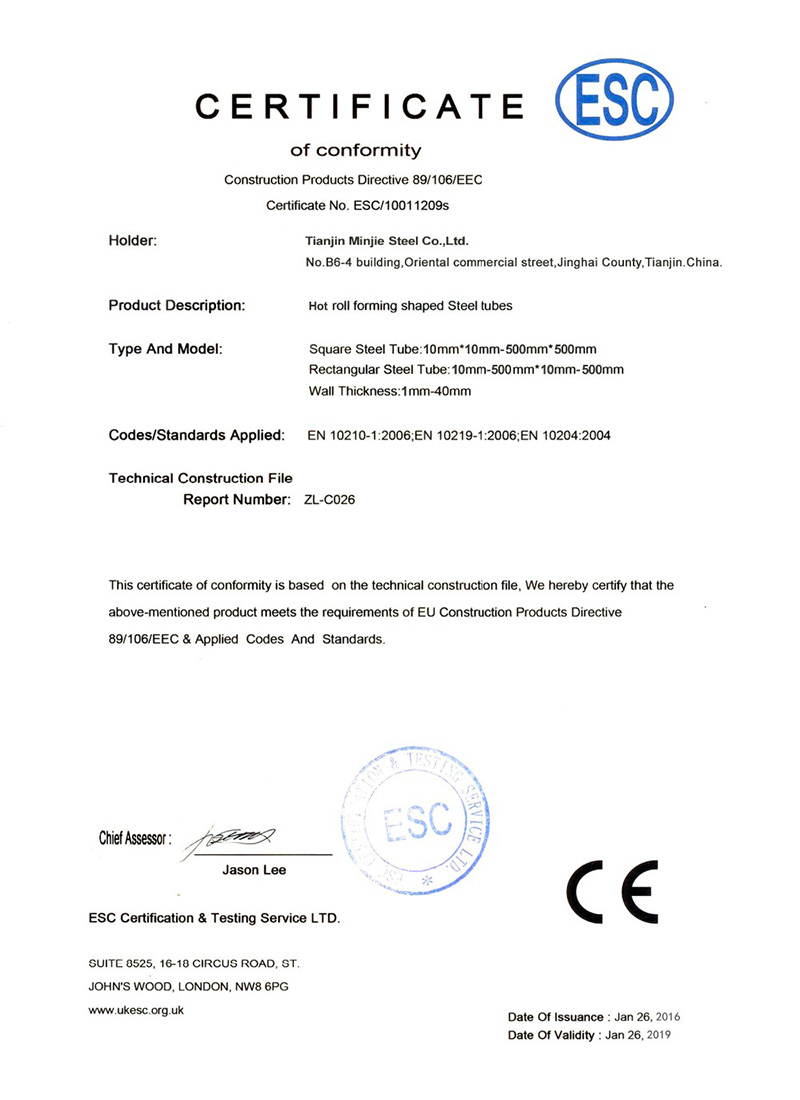
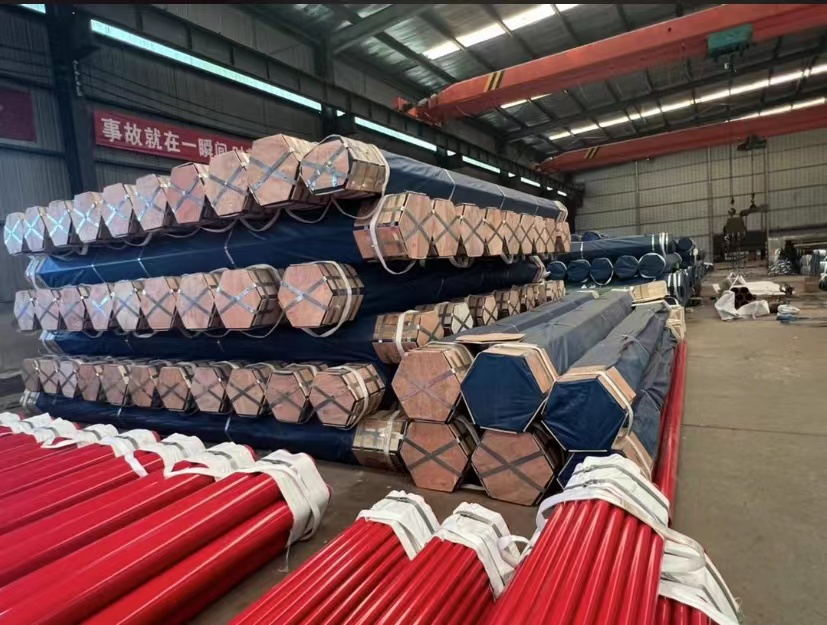
Direct sales networks serving infrastructure markets globally, including Russia and the CIS.
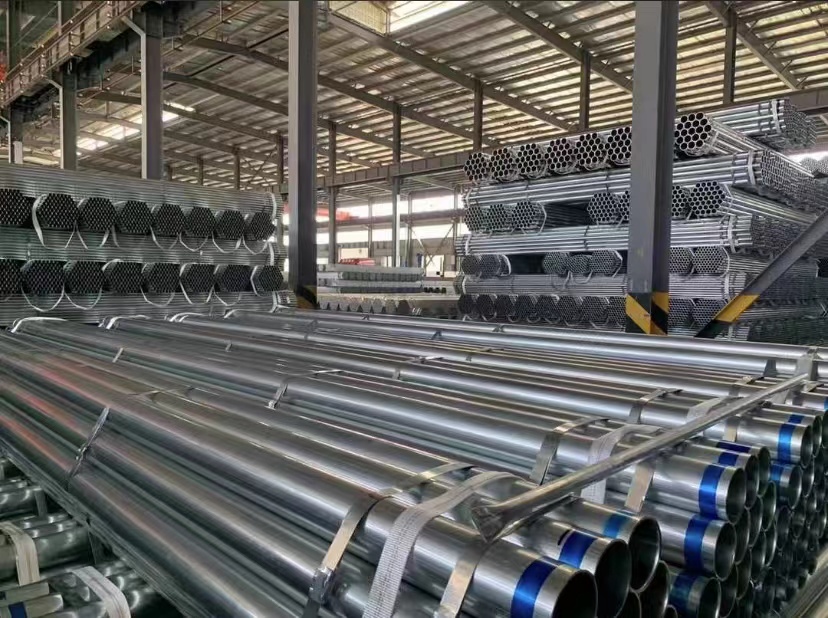
3 hot-dipped galvanized lines running continuously to meet high-volume orders.
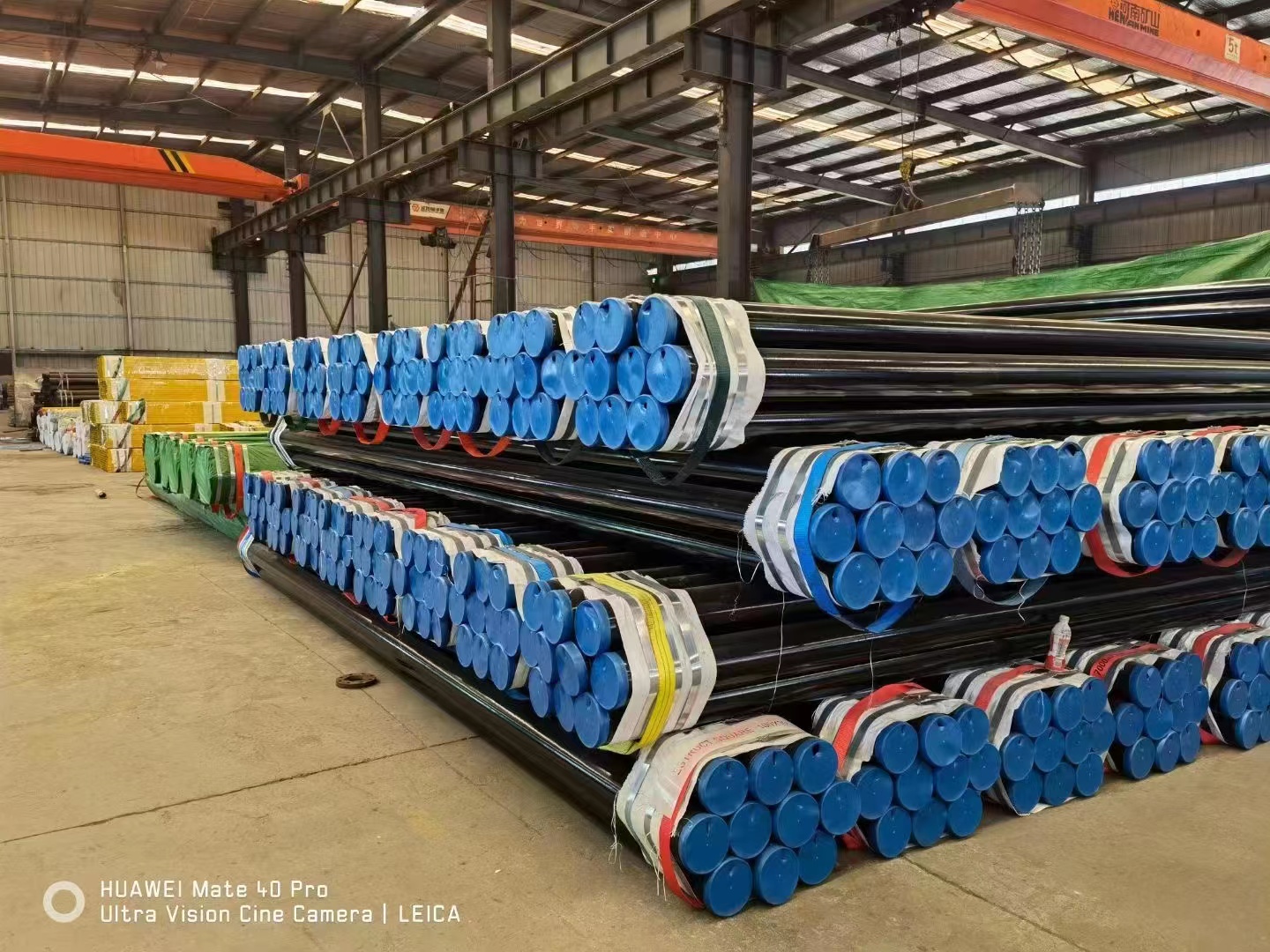
Strict testing protocol for zinc thickness, dimensions, and weld integrity.
The global steel industry is evolving rapidly, driven by technological advancements and changing regulatory requirements. Buyers in the Moscow market should monitor several key trends:
Tianjin Minjie Steel integrates these technologies into our production lines, providing our Russian partners with materials that meet current efficiency and environmental standards.
Supply of structural support framing for public transit expansions, where strict dimension tolerances and certification documentation were primary requirements.

Supplying specialized agricultural greenhouse components built to withstand extreme coastal air corrosion and mechanical wear.

Delivery of heavy-gauge structural piping for petrochemical transport and storage installations in desert environments.

 South Korean Technical Exchange
 Middle Eastern Partnership Audits
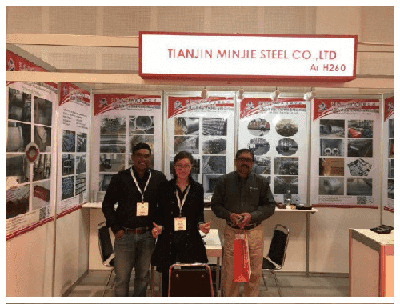 Canton Fair Exhibition Services
Pre-galvanized pipes are manufactured from steel strips that are continuously galvanized before being rolled and welded. They typically carry a thinner zinc layer (around 15–20 microns or 120–180 g/m²). This makes them cost-effective for indoor conduit systems and light framing. Hot-dip galvanized (HDG) pipes are dipped into molten zinc after fabrication, producing a coating thickness of 70–85 microns (over 500 g/m²). The thicker metallurgical layer of HDG pipes provides the level of corrosion resistance required for outdoor structures exposed to Moscow's cold weather and road de-icing agents.
Yes. Chinese Q235 and Q345 steel grades are widely used as replacements for Russian St3sp and 09G2S steels, respectively. These grades offer comparable chemical compositions, yield strengths, and elongation values. They are compatible with GOST 3262-75 and GOST 10704-91 standards, allowing engineers to integrate them into Russian industrial designs.
Our plant uses high-frequency Electric Resistance Welding (ERW) alongside real-time ultrasonic and eddy current testing. Additionally, finished pipes undergo hydrostatic pressure testing to verify weld seal performance under stress before entering the hot-dip galvanizing bath.
We offer two primary shipping routes: containerized ocean freight to Saint Petersburg or Vladivostok ports followed by rail transport to Moscow, or direct overland rail transit via the Manzhouli or Erenhot border crossing nodes. Overland rail routes reduce transit times to approximately 15 to 20 days, depending on seasonal demand.
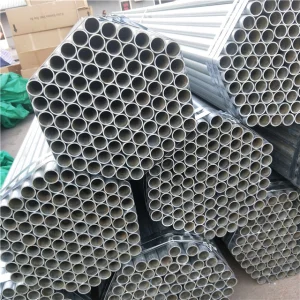
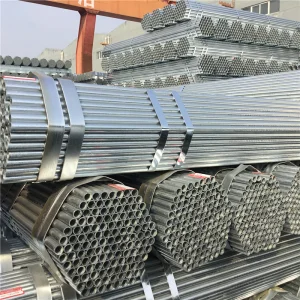
 Minjie Steel