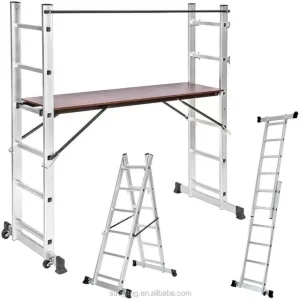
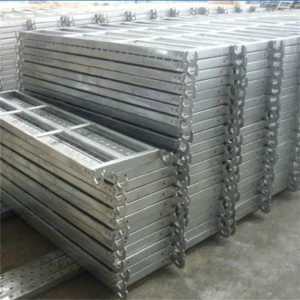
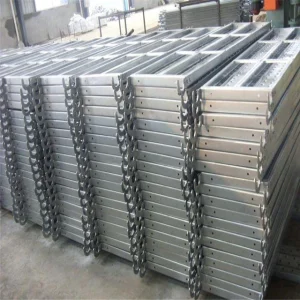
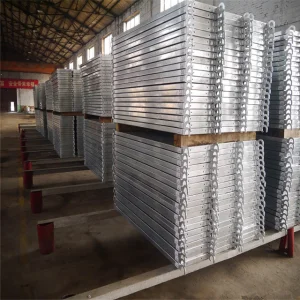
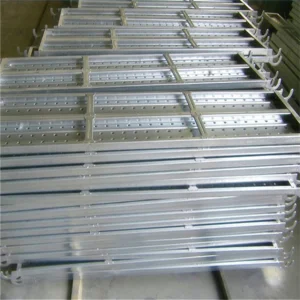
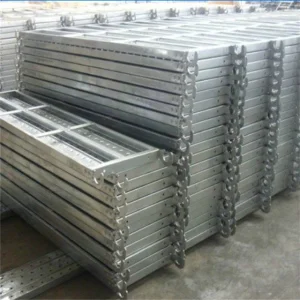
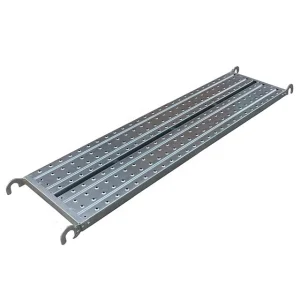
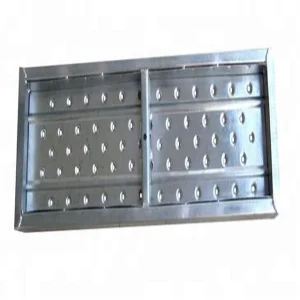
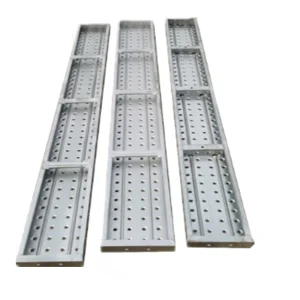
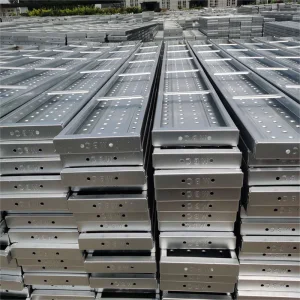
High-performance structural walking planks certified to meet international and Vietnamese localized construction standards
As the economic engine of Vietnam, Ho Chi Minh City (HCMC) is undergoing unprecedented urban renewal. Mega projects like the HCMC Metro Line 1 & Line 2, the expansion of Thu Thiem New Urban Area, and the highly anticipated Long Thanh International Airport connection have triggered a surge in demand for reliable, certified temporary structural solutions.
Unlike drier temperate zones, Southern Vietnam’s tropical monsoon climate features a high average humidity (exceeding 80%) coupled with high soil salinity in coastal delta areas like Nha Be, District 7, and the Saigon River banks. This aggressive environment makes traditional timber and untreated bamboo scaffolding obsolete. Engineering specifications from tier-1 contractors—including local giants Coteccons, Ricons, and Hoa Binh—now mandate standardized Hot-Dip Galvanized (HDG) Steel Walk Boards and heavy-duty structural aluminum planks to prevent micro-fissuring and catastrophic failures.
According to the Vietnamese Ministry of Construction (MOC) safety regulations, scaffolding components must withstand rigorous static and dynamic load testing. Walk boards, acting as the primary horizontal workspace for workers at height, must guarantee:
| Feature / Material | Q235 Pre-Galvanized Steel Planks | Q345 Hot-Dip Galvanized Planks | Structural Anodized Aluminum Planks |
|---|---|---|---|
| Corrosion Resistance | Moderate (Ideal for urban high-rises) | Excellent (Required for coastal/industrial areas) | Superior (Lightweight & non-corrosive) |
| Tensile Strength | 370 - 500 MPa | 470 - 630 MPa | 290 - 310 MPa |
| Standard Weight | Medium-High | High | Very Light (Reduces labor strain by 40%) |
| Zinc Coating Thickness | ≥ 12-15 μm (Pre-Galv) | ≥ 40-55 μm (HDG) | N/A (Anodized finish ≥ 10 μm) |
| Application in HCMC | Standard residential & light commercial | Heavy industrial, marine, & infrastructure | High-rise facade work & suspended systems |
For international procurement directors, importing directly from Chinese manufacturing clusters offers unmatched scalability. Tianjin Minjie Steel Co., Ltd, located just 40 kilometers from XinGang Port (the largest shipping gateway in North China), maintains direct shipping lanes to Cat Lai Port (HCMC) and Hiep Phuoc Port. Transit time is optimized to 7–10 days, presenting a highly competitive logistics window. This direct pathway bypasses localized middleman markups, ensuring that tier-1 projects in District 2 or Thu Duc City receive factory-direct wholesale pricing with fully trackable mill test certificates (MTC).
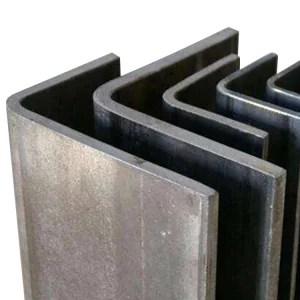
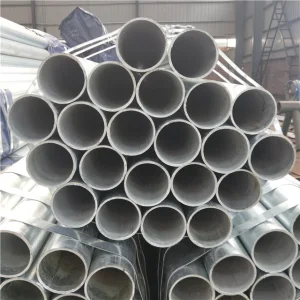
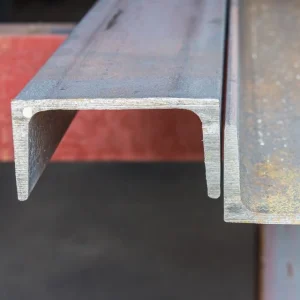
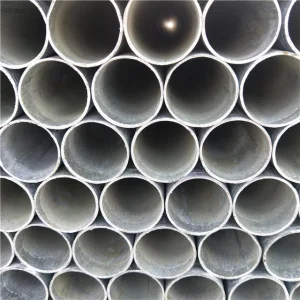
Ensure structural integrity with high-strength structural profiles, carbon steel tubes, and coupling systems
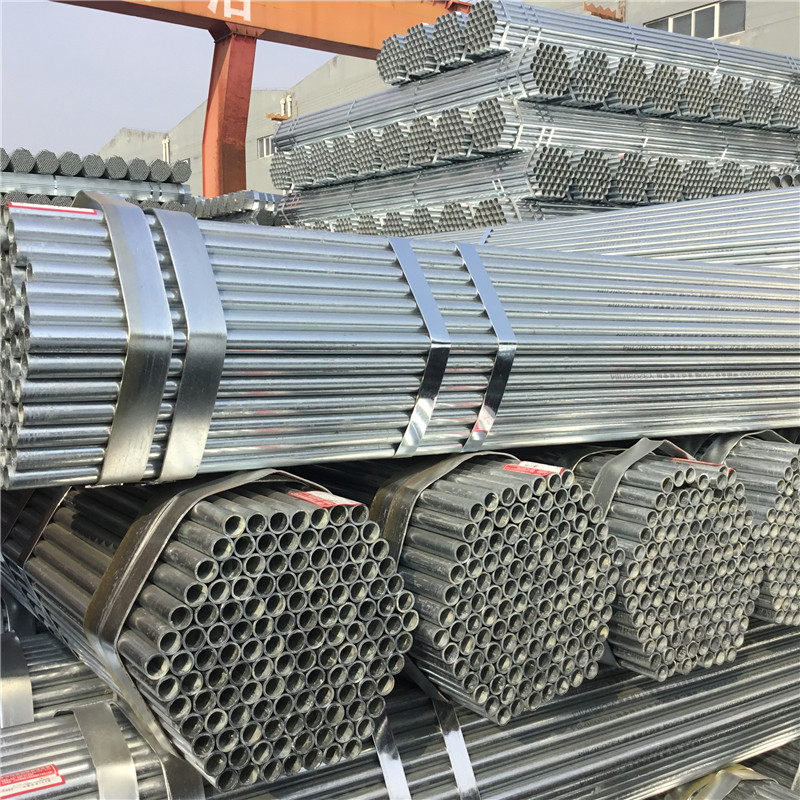
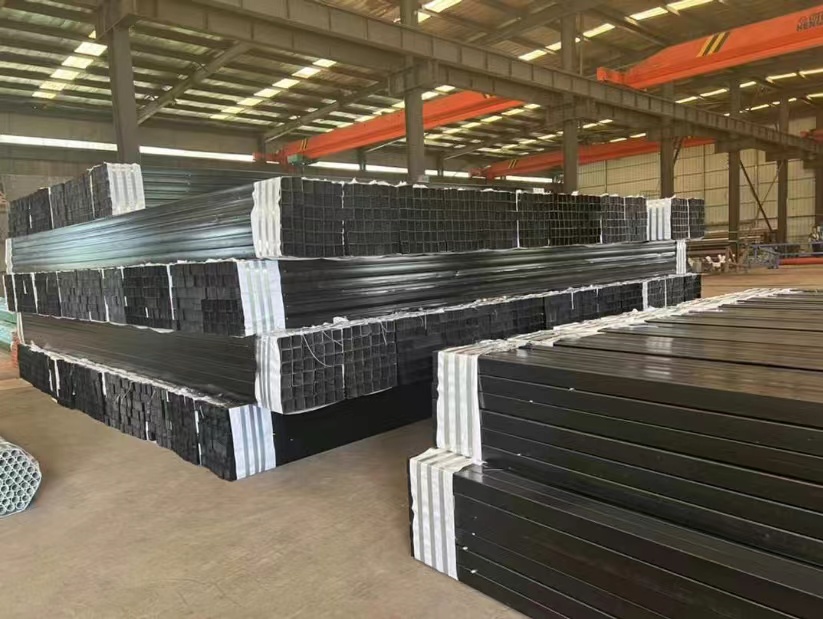
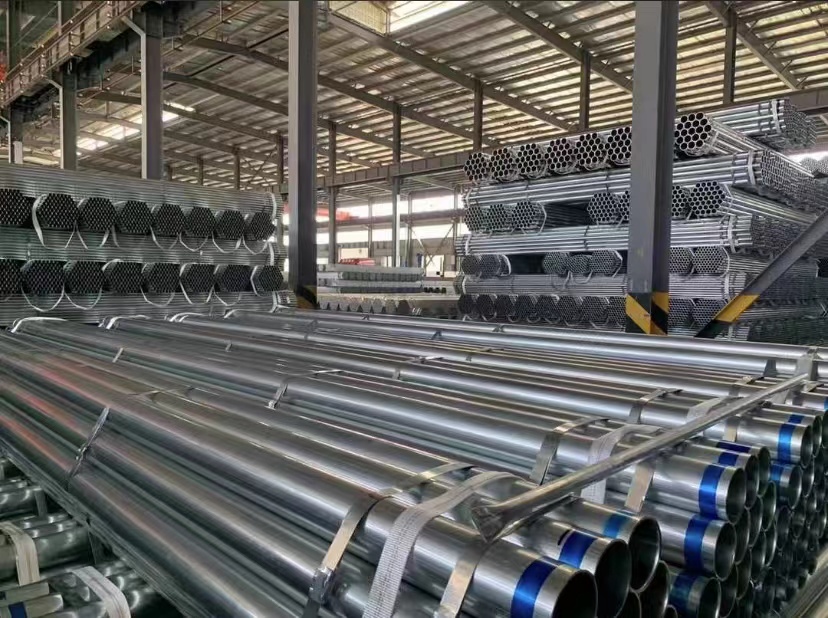
Established in 1998, Tianjin Minjie Steel Co., Ltd. has developed into a premier global manufacturing facility covering more than 70,000 square meters. Positioned strategically in the Jinghai industrial corridor, our facilities lie within easy access of Tianjin's XinGang port, allowing rapid containerized dispatch.
Our technology stack includes 4 pre-galvanized manufacturing lines, 8 high-frequency ERW steel pipe processing lines, and 3 state-of-the-art hot-dipped galvanizing lines. Following decades of engineering iteration, we have secured three key design patents covering *groove pipe configurations*, *shoulder-joint couplings*, and *victaulic piping profiles*. All products align strictly with ASTM, EN, BS, DIN, and JIS protocols under our comprehensive ISO 9001:2015 Quality Management Certification.
We drive an annual output capacity of over 300,000 metric tons of structural and tube systems, supporting major clients across agricultural engineering, automotive assembly, and complex high-rise scaffolding frameworks globally.
Verified factory audits and project collaboration with partners from Singapore, Korea, Australia, Lebanon, and Saudi Arabia
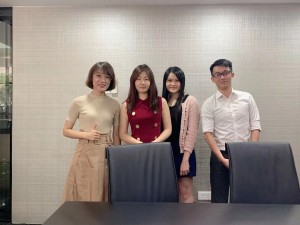
Collaborated in 2019 to customize heavy-duty support systems for public housing (HDB) and terminal developments.
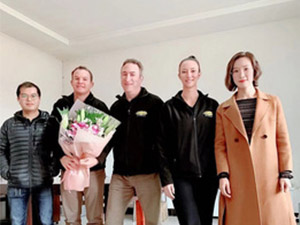
Long-term structural audits confirming conformance to Australian ringlock and board safety classifications.
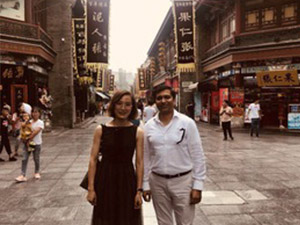
Factory visit resulting in immediate monthly delivery contract for structural tube and plank components.
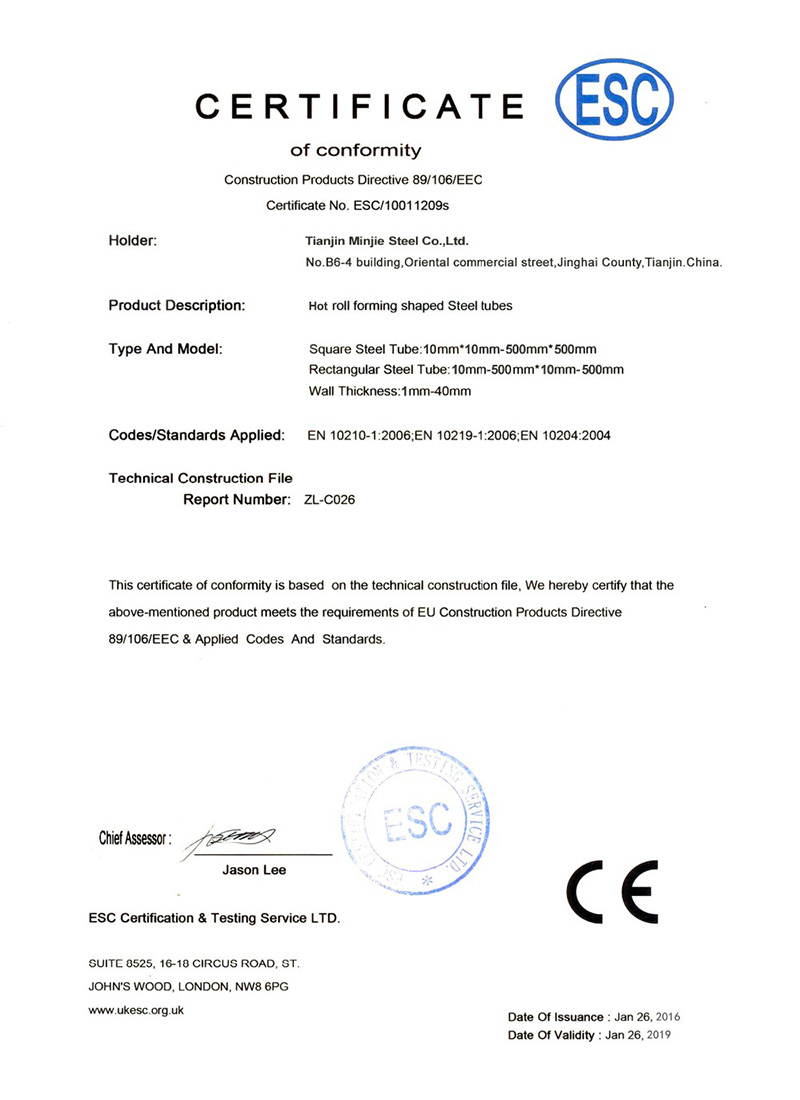
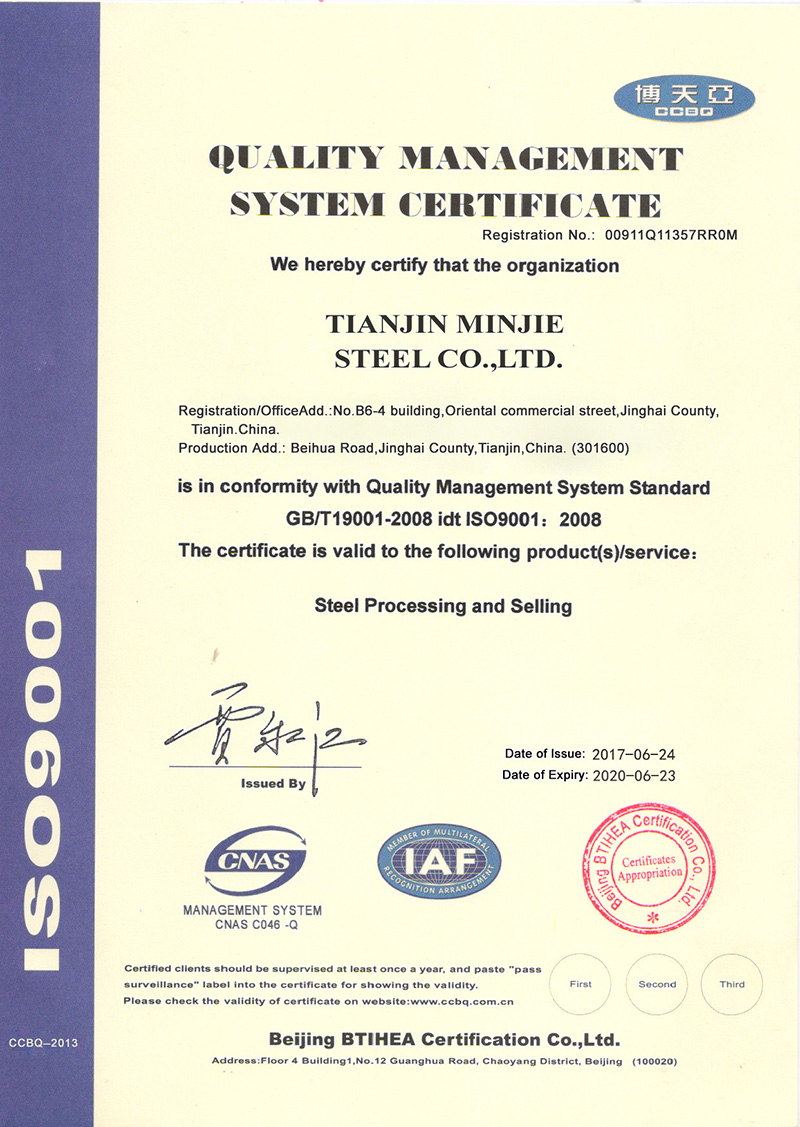
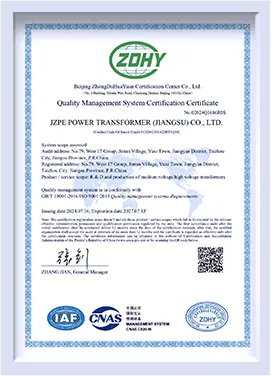
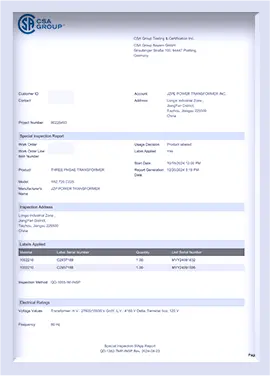
Select from our range of structural galvanized systems, walking boards, and specialized hook assemblies
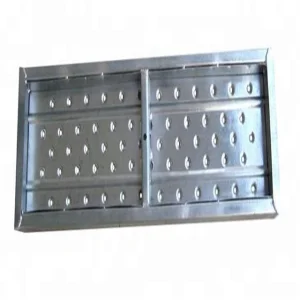
Minjie's walk board manufacturing relies on computer-controlled, automated stamping lines. High-strength coils undergo tension leveling before passing through localized perforation matrices. Our optimized pattern incorporates structural drainage passages alongside raised anti-slip nodes. This reduces weight by 8% while increasing ultimate structural load limit limits by 15%.
In typical structural installations around high-humidity locations like Vietnam's southern coastal regions, untreated structural joints degrade rapidly. At our plant, steel boards undergo automated MIG welding with high-shield carbon dioxide mixtures, creating continuous welds that resist dynamic stresses. Our hot-dip galvanizing baths are monitored dynamically, guaranteeing consistent zinc-iron alloy layers that resist peeling under harsh construction environments.
Coils (Q195 to Q345) undergo high-precision flattening to resolve residual metallurgical stresses before punching.
Integrated rollers create standard 50mm return flanges and anti-slip profiles with tight structural tolerances.
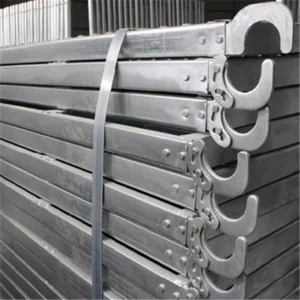
Robotic systems weld end-support hooks, achieving complete structural fusion and load path continuity.
For safety engineers managing project risks on projects like the Thu Thiem Bridge or high-rise facade developments in District 1, walk board parameters directly influence site safety records. The BS 1139/EN 12811 European standards require scaffold planks to handle heavy-duty classifications (Class 3: 2.0 kN/m² up to Class 6: 6.0 kN/m²). We conduct regular laboratory checks, including 3-point bending tests and load capacity trials, to verify deflection limits. Each batch is stamped with its manufacturing date and material certification to ensure complete traceability.
Technical clarifications regarding walk board specifications, shipping logistics, and compliance for the HCMC market
For typical high-rise and commercial projects in HCMC, we recommend Q235 pre-galvanized planks (width: 210mm to 250mm, thickness: 1.1mm to 1.5mm) with a zinc weight of Z120 or greater. For marine developments or heavy industrial sites near coastal ports, hot-dip galvanized (HDG) planks with a minimum zinc coating thickness of 40 μm are recommended to resist corrosion.
We provide a Mill Test Certificate (MTC) with every shipment, verifying chemical composition (Carbon, Manganese, Silicon) and mechanical limits. Our structural planks undergo third-party load and deflection tests to confirm they meet BS 1139 safety limits. We also welcome independent inspection by companies like SGS or Bureau Veritas before loading.
Our factory is located 40 kilometers from XinGang Port (Tianjin), allowing fast transport. The ocean transit time to Cat Lai Port (HCMC) is typically 7 to 10 days, depending on the shipping line. Standard production lead time for a 20GP/40HQ container is between 15 and 25 days from order confirmation.
Yes, our automated punching and forming machinery allows customization. We manufacture custom lengths from 1.0m to 4.0m, customize hook styles to fit different horizontal ledger diameters (such as ringlock or frame configurations), and adjust the steel sheet thickness based on design load requirements.
Get in touch with our technical sales team for standard BS 1139/EN 12811 compliance documents, custom load profiles, and a competitive shipping quote to Cat Lai Port.
Send Inquiry Now Minjie Steel