Premium raw materials engineered to survive extreme atmospheric degradation. Directly sourced from state-of-the-art Chinese manufacturing facilities.
Analyzing the performance transition from traditional zinc coatings to 55% Al-Zn alloy technology.
In modern industrial applications, Galvalume steel coils represent the peak of corrosion protection technology. Initially patented in the early 1970s, the alloy formulation consisting of 55% Aluminum, 43.4% Zinc, and 1.6% Silicon by weight has fundamentally altered the service-life expectations of steel products globally. This specific compound exploits the individual advantages of both zinc and aluminum, creating a synergistic barrier effect that is highly resilient under marine, industrial, and agricultural settings.
The chemical interface of Galvalume functions through a dual-mechanism approach. First, the aluminum component solidifies into an interlocking dendritic network of rich phases, providing a physical boundary against humidity, acids, and atmospheric pollutants. Second, the zinc-rich phases distribute uniformly within the crystalline boundaries, functioning as an active galvanic anode. If the surface is scratched or cut, the zinc prioritizes its own electrochemical depletion to shield the exposed raw steel. The addition of 1.6% Silicon is not merely filler; it suppresses the exothermic reaction at the interface layer during hot-dip thermal cycling, preventing the growth of a brittle iron-zinc-aluminum intermetallic alloy phase that would otherwise crack during heavy roll forming or deep-drawing processes.
As global infrastructure standards rise, the industrial trend has shifted towards thinner, high-tensile substrates coated with precise Al-Zn thicknesses (typically designated as AZ50, AZ150, or AZ200). These performance categories determine the longevity of roofing panels, pre-engineered buildings (PEBs), solar rack arrays, and industrial structural framing. Compared to standard Hot-Dip Galvanized (HDG) counterparts, Galvalume exhibits up to four times the atmospheric corrosion resistance, reducing the total cost of ownership for long-cycle infrastructure projects.
How technical buyers audit, specify, and import high-grade Al-Zn coated steel coils.
The defining American standard governing the structural, commercial, and forming grades of 55% Al-Zn alloy-coated steel. Ensures compliance for yield strength, elongation, and coating weight calculations.
European regulation detailing technical delivery conditions for continuously hot-dip coated steel flat products. Demands rigorous testing of surface appearance, coating mass, and chemical passivation.
Specifying Chrome-Free anti-fingerprint (AFP) coatings, acrylic films, or chemical passivations to prevent transit rust, white rust, and storage stains during global ocean freight cycles.
Enterprise procurement teams in Europe and North America utilize strict testing parameters when auditing foreign factories. Yield strengths ranging from CQ (Commercial Quality) up to Grade 80 / G550 (550 MPa minimum yield) are selected based on whether the application demands structural resilience (such as high-rib roof decking) or complex deep-drawn forming. Standard structural tests incorporate continuous bend tests, tension tests, and salt spray testing according to ASTM B117 to guarantee performance over decades of environmental exposure.
Integrating IoT-driven coating measurement, tension leveling, and deep seaport logistics.
The global steel trade relies heavily on consistency. Under the "Factory 4.0" initiative, leading Chinese manufacturing hubs have modernized their continuous hot-dip production lines. By implementing real-time X-ray fluorescence gauges, thickness deviations in the Al-Zn coating are tracked dynamically during high-speed runs. If the coating weight wanders outside of the tolerance envelope (e.g., +/- 5g/m²), the nitrogen air knives automatically self-adjust clearance and pressure in milliseconds, ensuring that the tail end of the coil has identical protection to the head end.
In addition to coating precision, modern factories feature vertical tension levelers and inline skin-pass mills. These mechanical processes eliminate shape defects like center buckles, wavy edges, and coil set, ensuring that roll-forming equipment operates at peak efficiency without material binding or alignment issues. This structural and dimensional control allows international fabricators to run automated operations without expensive raw material reject rates.
Controls coating thickness within micron tolerances by removing excess molten metal using high-velocity nitrogen streams, creating a smooth finish.
Maintains optimal recrystallization temperatures prior to coating, followed by precise air cooling to manage Al-Zn spangle grain size.
Continuous scanning of coating distribution across both sides of the strip prevents localized defects and ensures compliance with standards.
A Premier Chinese Exporter of High-Grade Steel Piping & Structured Components.
Founded in 1998, Tianjin Minjie Steel Co., Ltd. has grown into a leading force in Chinese steel manufacturing. The facility spans over 70,000 square meters and is strategically located just 40 kilometers from XinGang Port (Tianjin), the largest seaport in Northern China. This geographic advantage guarantees rapid, cost-effective shipping access for international buyers, minimizing transport times and warehousing overheads.
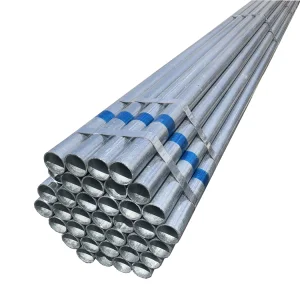
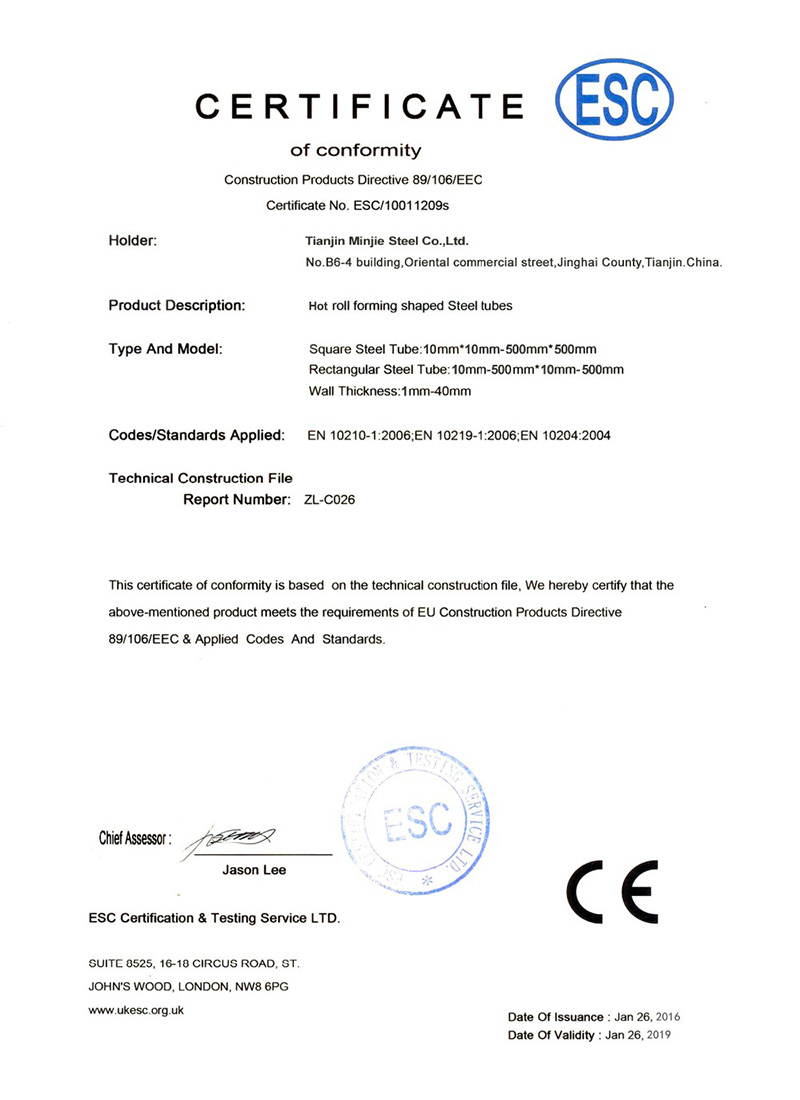
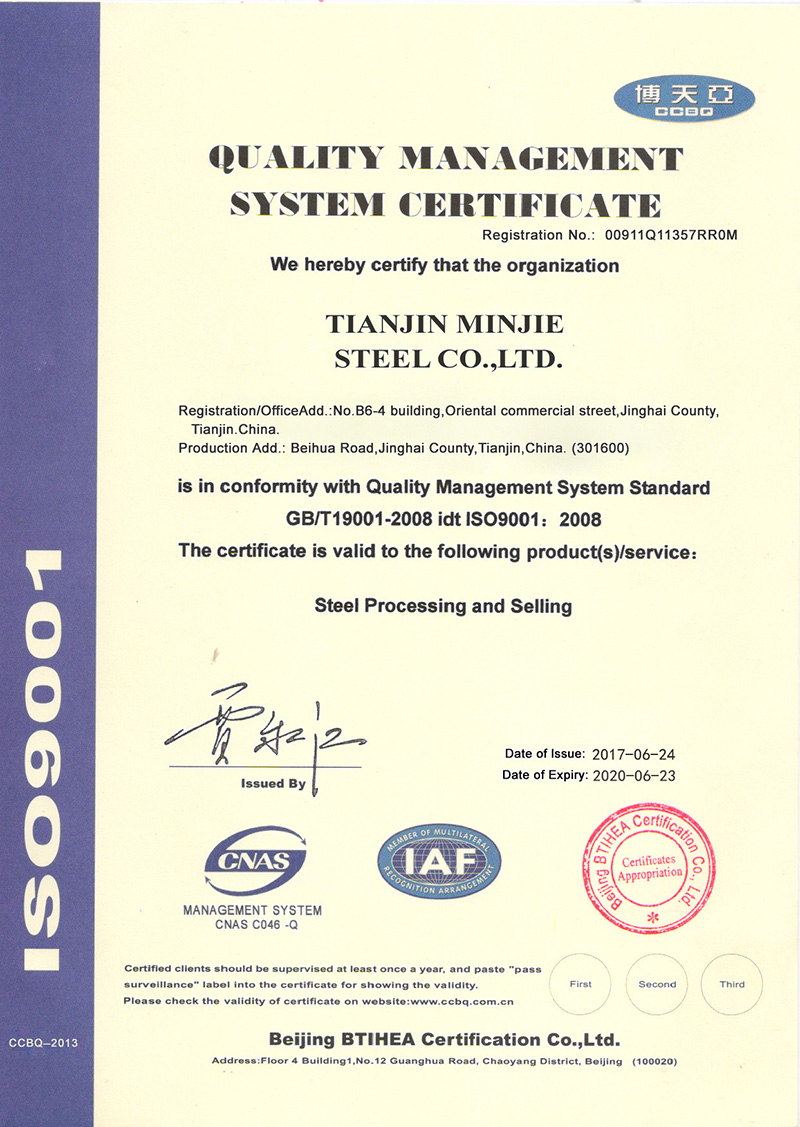
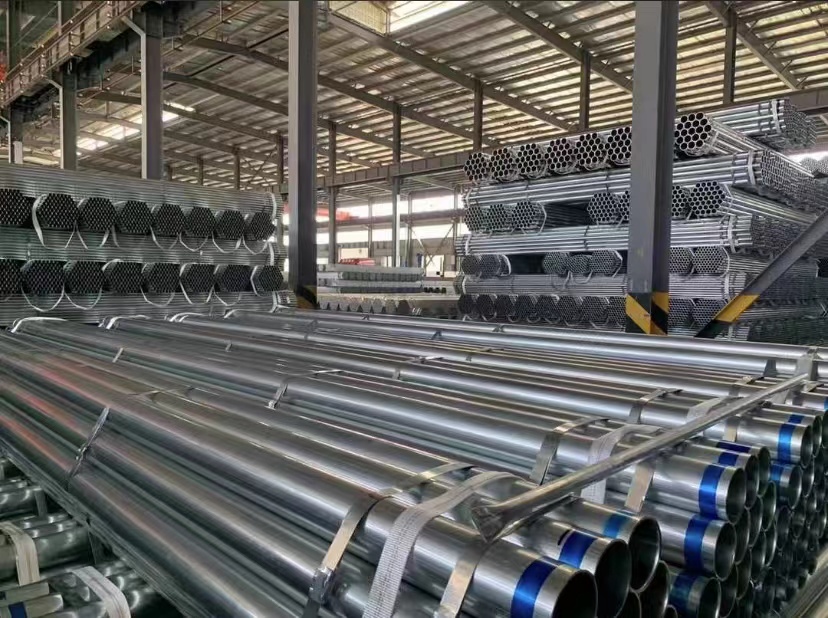
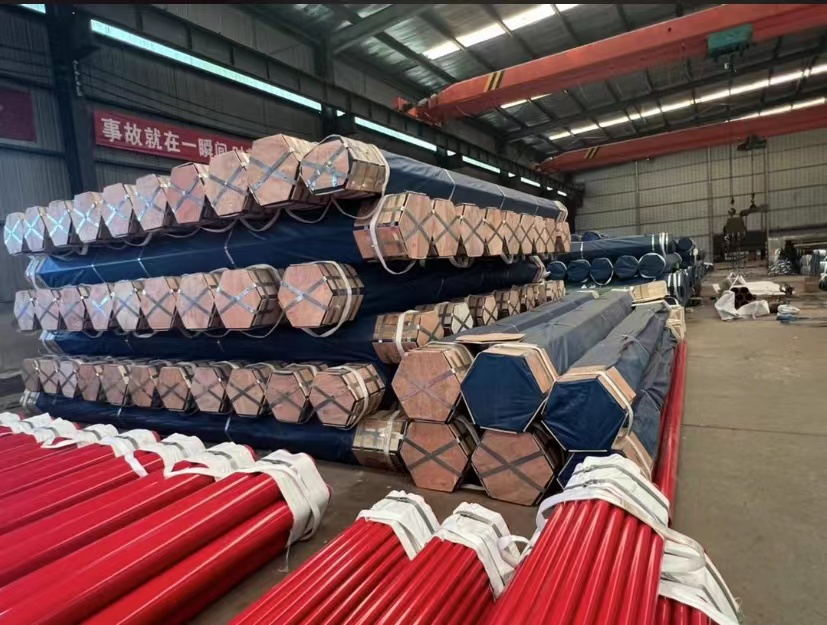
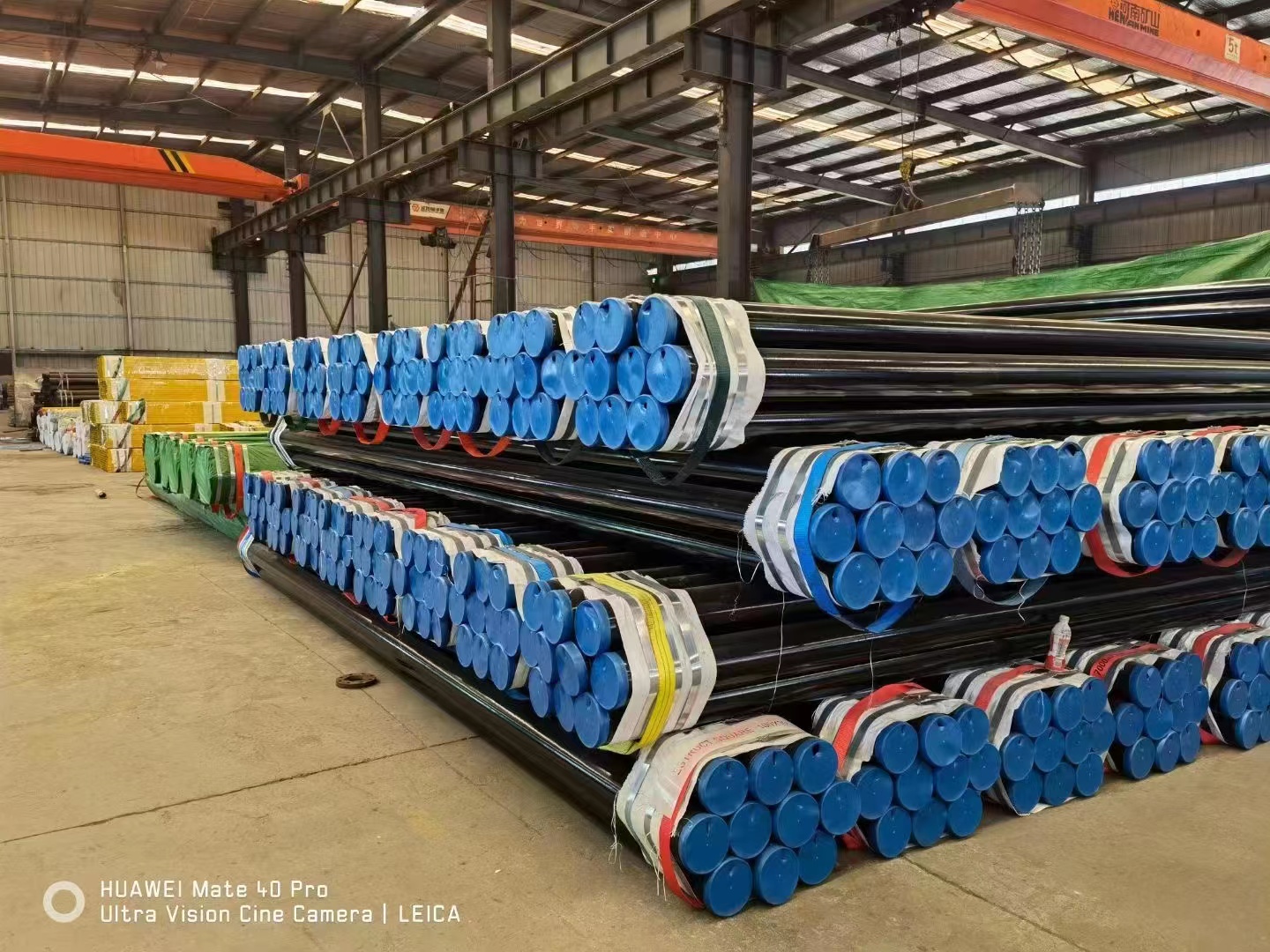
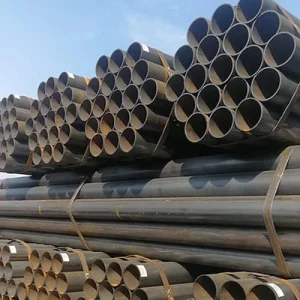
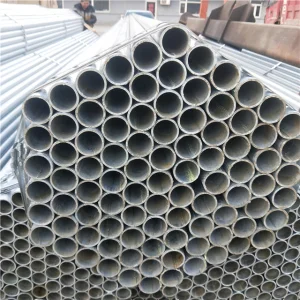
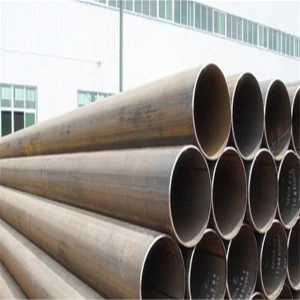
Our production facilities include 4 pre-galvanized product lines, 8 ERW steel pipe lines, and 3 hot-dipped galvanized process lines. Operating in compliance with GB, ASTM, DIN, and JIS standards under strict ISO 9001 certification, we output over 300,000 tons of structural steel products annually.
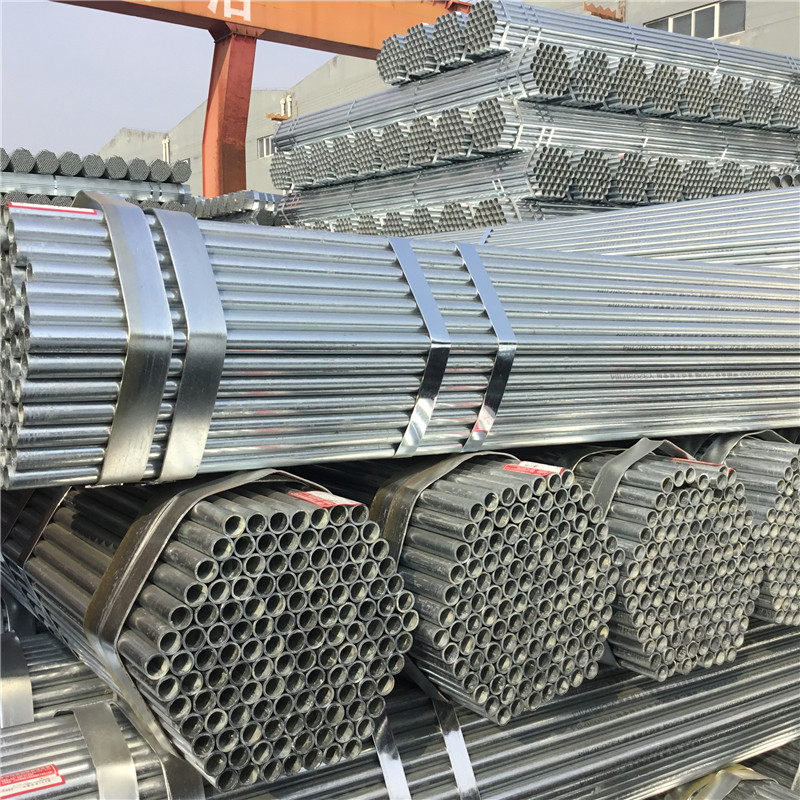
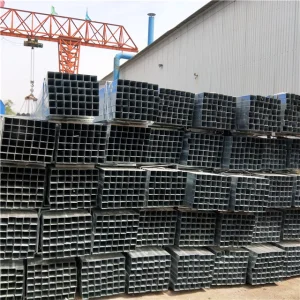
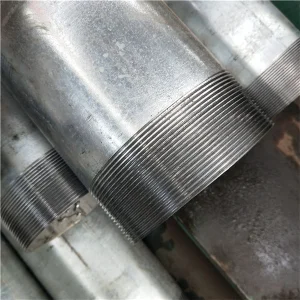
Commitment to innovation has driven Tianjin Minjie Steel to secure three major manufacturing patents, including specialized designs for groove pipes, shoulder pipes, and victaulic connections. Our products are used globally in machinery fabrication, complex steel construction, agricultural infrastructure, vehicle chassis, railway fencing, and high-load storage racking.
With top-tier technical advisers and a highly skilled production workforce, we provide customized OEM/ODM services, ensuring that material compositions, coating densities, and mechanical tolerances match our clients' unique specifications.
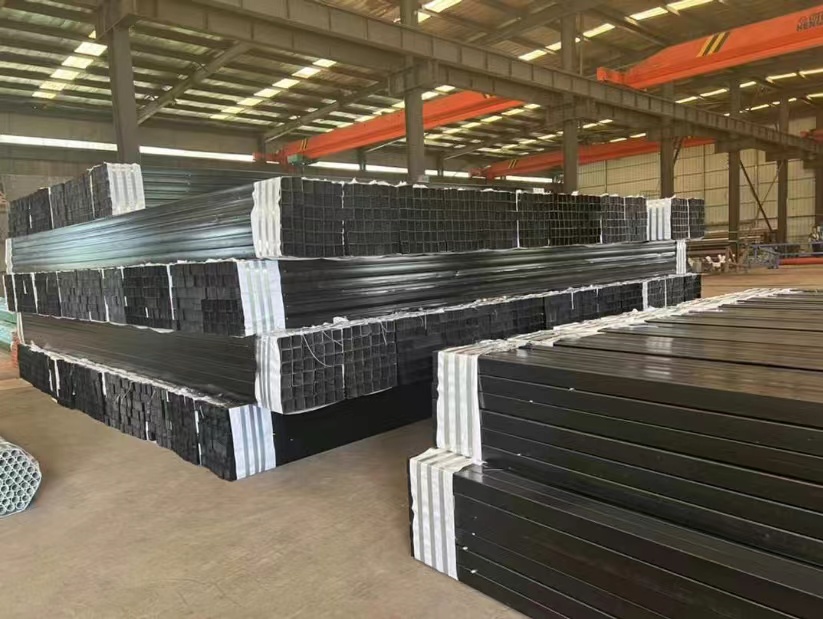
Building long-term international trade partnerships through physical transparency and strict quality audits.
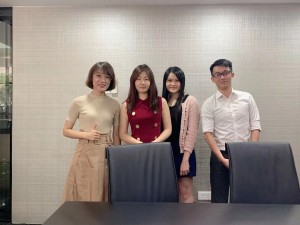
In September 2019, our team visited Singapore to consult with regional contractors and secure agreements for high-grade construction steel piping.
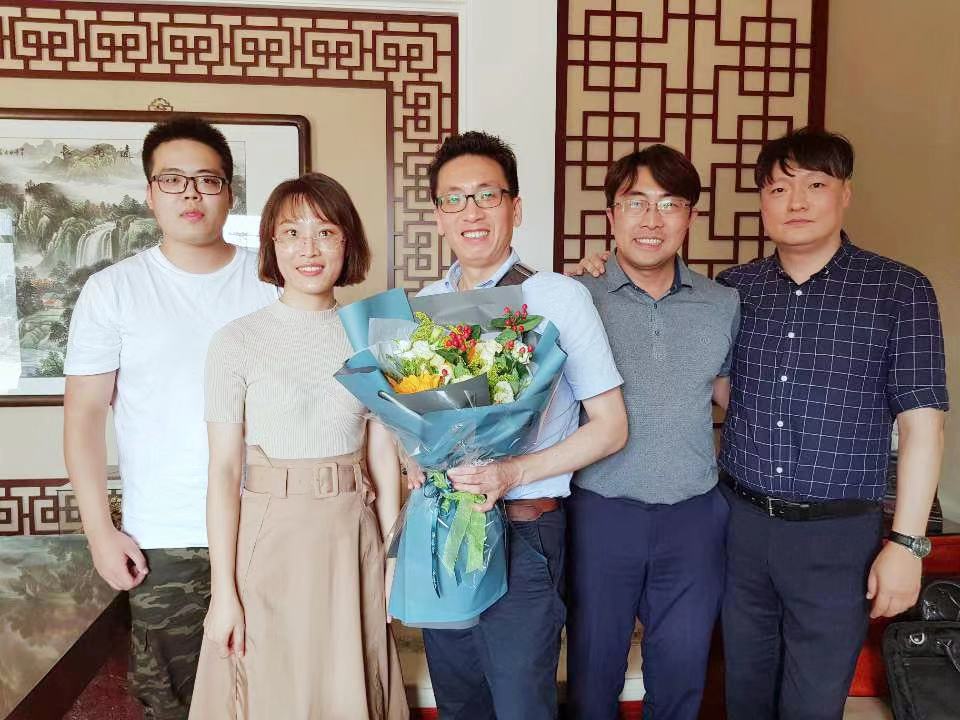
In 2019, South Korean engineers visited our Tianjin facility to inspect our custom design pipelines and verify our quality management systems.

A long-term Australian client visited in November 2018 to confirm expansion orders and evaluate our newly automated structural steel lines.
Following a detailed factory audit in 2019, Indian steel distributors selected Tianjin Minjie and initiated structural pipe import contracts.
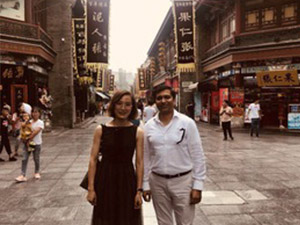
A trade delegation from Lebanon toured our hot-dipped galvanizing lines in June 2017 and executed a high-volume procurement contract.

Met at the Canton Fair, our Saudi Arabian partners toured our facilities in 2018 to coordinate specialized steel shipments for municipal works.
Our quality control systems undergo annual audits by independent, third-party certification bodies.
How global industries apply the unique qualities of Galvalume and galvanized steel.
Used for architectural walling, roofing panels, and structural decking. The high thermal reflectivity of the 55% Al-Zn alloy surface reflects solar radiation, lowering building cooling requirements in tropical climates.
Solar framing requires 25+ years of maintenance-free service. Galvalume structural grades perform well in sandy, arid, and semi-corrosive agricultural regions without losing mechanical strength.
Due to its heat resistance (withstanding temperatures up to 315°C without surface discolouration or scaling), Galvalume is a standard choice for ventilation shafts and heat exchangers.
Addressing the primary technical inquiries raised by metallurgy experts and procurement directors.
The distinction lies in the alloy chemistry. Galvanized steel uses a coating of near 100% zinc, which offers sacrificial protection. Galvalume incorporates 55% Aluminum, 43.4% Zinc, and 1.6% Silicon. The aluminum creates a durable physical barrier, while the zinc provides localized galvanic protection. In atmospheric testing, Galvalume has demonstrated a service life up to 4 times longer than standard galvanized coatings of equal thickness.
Yes, Galvalume is an excellent substrate for painting, commonly referred to as PPGL (Prepainted Galvalume). However, appropriate surface preparation is critical. The coils must be thoroughly degreased and treated with a chemical conversion coating (typically complex metal oxides or chromates) to ensure adhesion of the paint primer. Unprepared surfaces may experience adhesion failure or paint peeling over time.
During the hot-dip process, the addition of 1.6% Silicon suppresses the growth of the brittle intermetallic iron-aluminum-zinc alloy layer. Without silicon, this layer would grow too thick, leading to cracking and coating peeling during heavy roll forming, high-speed stamping, or deep-drawing processes.
For moderate inland environments, AZ50 (approx. 150 g/m² double-sided) or AZ100 is standard. For marine environments, heavy industrial chemical areas, or high-humidity regions, we recommend specifying AZ150 or AZ200 to ensure sufficient barrier thickness and long-term durability.
Providing custom cross-product supply chains directly integrated with our Northern Chinese manufacturing network.
 Minjie Steel